
Which Sauna Upgrades Are Worth Paying For?
Sauna buying guide
Sauna extras are difficult to judge until you know what the quoted package already supplies. A control that suits a regular routine may earn its cost, while an accessory in a photograph may be redundant or available later. The useful question is not whether an upgrade sounds premium; it is whether it solves a real problem, fits the chosen sauna and is clearly described in the price. This guide separates core purchase requirements from discretionary comforts, then shows how to rank the options.

Confirm what the quoted sauna package includes
An upgrade is only meaningful once you know what the quoted sauna package already contains. Identify the exact model and configuration, then request a written list of supplied components. Do not assume that the heater, controls, stones, benches, lighting, floor components, accessories, delivery or assembly are included—or that every item shown in a photograph comes with the sauna. Inclusions can vary with the configuration and quote, so ask the seller to distinguish the base package from selected options. Also establish whether an item is supplied loose, fitted or selected separately. If something needed to complete your intended setup is absent, resolve that first: it belongs in the core purchase comparison, not in a discretionary comfort budget.
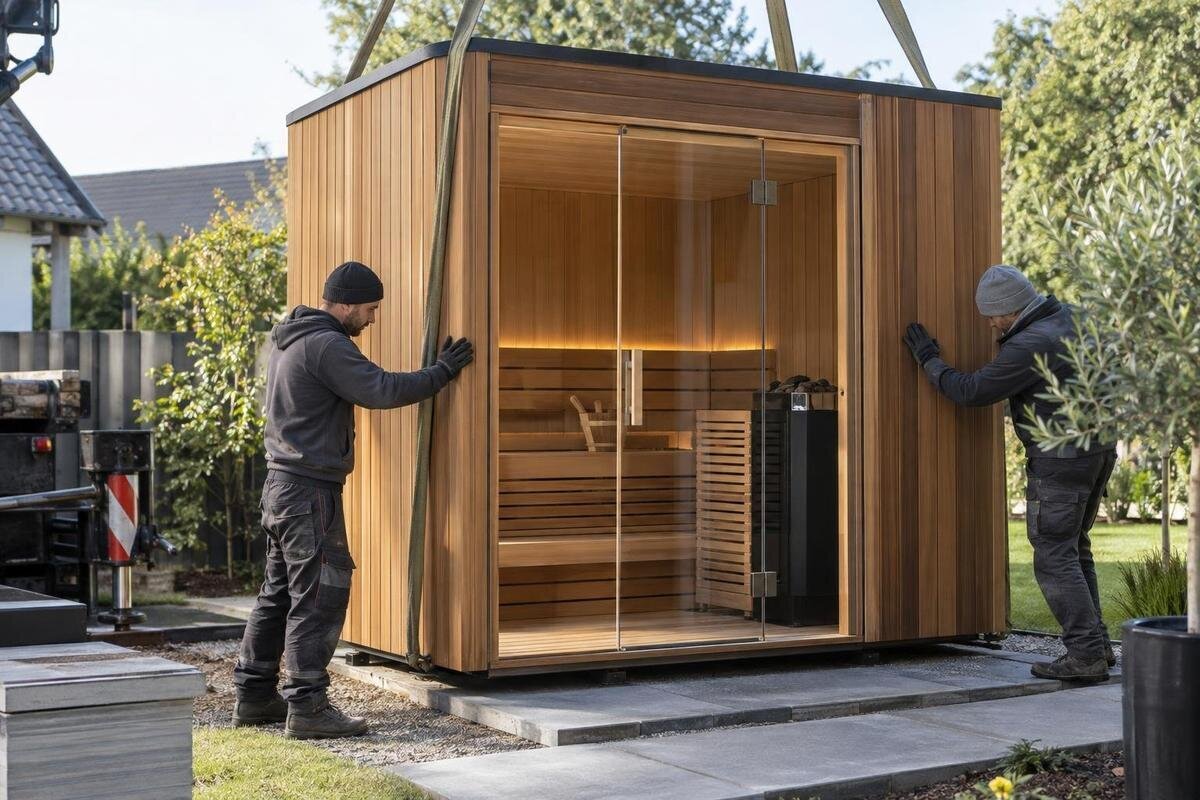
Make two columns: items required for the agreed specification, and extras you could decline. For each line, note the exact component or configuration, whether it is included, any separate supply or fitting charge, and who confirms compatibility. Ask for the same details on the quote and order confirmation so an accessory is not priced twice or omitted because each party assumed the other would supply it. Keep distinct items on separate lines, even if their descriptions sound similar. Use the Sauna HC-150 listing to identify the model named in your paperwork, not as proof of what a particular quote includes; check the current local specification and configuration directly.
Prioritise upgrades that solve a recurring problem
Before browsing optional extras, describe an ordinary week of use. How many people are likely to use the sauna, how often, and what takes time or feels inconvenient: getting it ready, finding a comfortable seat, moving in and out, or keeping personal items organised? Consider what users actually do before and after a visit, as well as the time spent inside. A useful upgrade addresses a recognisable point in that routine. If the sauna will be used occasionally and the current arrangement seems straightforward, an option that mainly adds choice may remain unused. If several people share it, differences in control access, lighting or seating may matter more.
Rank each option by whether it solves a repeated problem, whether the people who use the sauna will value it, and whether it could be added later without disproportionate disruption. Compare the actual function of similar options rather than their labels. A specific issue, such as a control being awkward to reach, is a better reason to spend than a general sense that a premium feature would be nice. If you are comparing a quote for Sauna HC-225, put its exact configuration beside your notes on how you expect to use it. The model name alone does not tell you who the sauna suits or which extras are included.
Controls and remote operation: pay for convenience you will use
Controls can improve convenience when they suit a dependable routine. A straightforward local control may be enough for one setup; a programmable timer, separate controller or app-based operation may be worthwhile only if you understand what it adds. Ask which functions are provided, where the controls are located, whether the chosen heater supports them, and whether normal operation depends on a phone, network connection or account. Find out whether any ongoing charge applies rather than assuming connectivity is free or permanent. Consider whether everyone who will use the sauna can operate the system easily. More options are not automatically better if they make an otherwise simple routine harder to manage.
Remote operation needs particular scrutiny because it changes how the sauna is started, not just how its controls look. Ask the manufacturer or installer to explain the approved arrangement, compatibility, safeguards and user instructions for the exact configuration. Do not combine components or arrange electrical work based on a sales description; have a qualified professional confirm the installation. If a quote for Sauna N-210 includes a control upgrade, request its make, functions and compatibility in writing, then compare these with the supplied arrangement. An option with more settings may be poor value if it adds complexity without removing a real inconvenience.
Lighting and atmosphere: spend where it improves everyday use
Lighting can be a worthwhile upgrade when it improves visibility where users need it or creates an atmosphere they genuinely prefer. Establish what lighting is already supplied, which areas are lit and whether the proposed option changes brightness or control. A product photograph cannot confirm the fixture, dimming functions or package contents. Think about practical details: finding the door and personal items, using the seating area, and adjusting the light without disrupting others. Decorative effects are a matter of preference, not evidence of a health or performance benefit. If the existing lighting works for everyone, an extra scene or accent may be an easy place to save.
Ask for the exact fixture, its intended location, its suitability for the sauna environment and the manufacturer’s maintenance or replacement guidance. Any electrical alterations or added fittings should be specified and installed by a suitably qualified professional; do not add unapproved equipment yourself. For a quote involving the N-250 listing, ask the seller to mark which fittings are standard and which, if any, are optional, rather than relying on a staged image. Pay extra for dimming, placement or a particular appearance when you can explain how it improves use—not simply because the option appears in a package description.
Check seating, access and layout before paying for changes
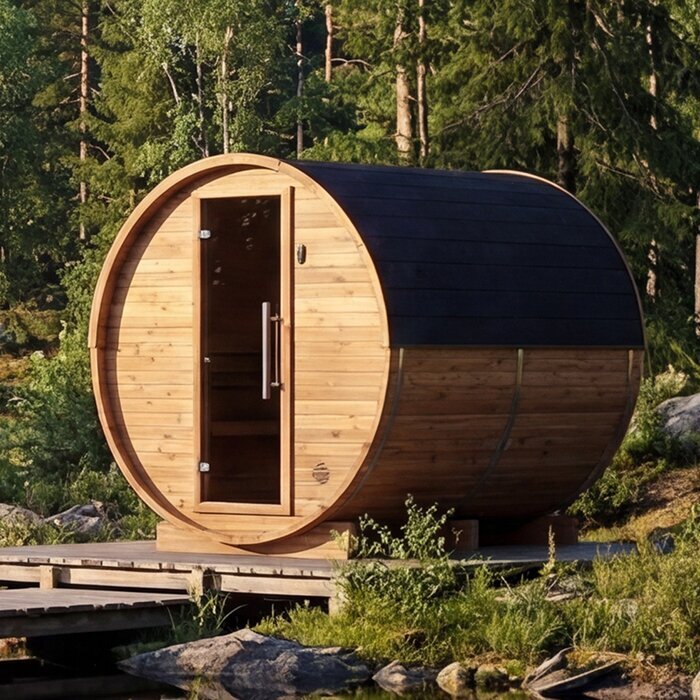
Seating and access are hard to judge from a model name or an exterior photograph. Check the manufacturer’s dimensioned drawing for usable interior space, bench positions and the entry route, then consider how the intended users will sit, change position and get in or out. Extra benching, a backrest, a step or a revised layout may help if it resolves a specific comfort or access issue; it adds little if the existing arrangement already fits. Do not treat the maximum number of people in a description as a promise of comfortable space. Ask what an occupancy statement means and compare it with the drawing and your preferred way of using the sauna.
Space-related changes can affect the building footprint, delivered configuration and installation plan, so settle them before arranging site work. Confirm overall and internal dimensions from verified drawings, and ask the supplier or installer about the entry route and any site requirements for the exact configuration. Do not assume an altered layout will fit because it looks compact in a photograph. If you are considering Sauna LC-260, request the drawing for that model and ask for any proposed seating change to be shown on it. A plan lets you weigh possible trade-offs, such as more seating against room to move, before committing to a change.
Treat heater and insulation changes as specification decisions
Changes to the heater, insulation or glazing affect the overall specification, not just the appearance. Do not assume that a more powerful heater, thicker wall or larger glazed area is automatically an improvement: the chosen heater and enclosure need to be assessed as a compatible system for the model and site. Ask what the standard configuration is, what exactly changes, and which manufacturer information supports the proposal. If a seller claims quicker warm-up, lower energy use or better heat retention, request comparable evidence and the assumptions behind it, including the model, operating conditions and usage pattern. Without like-for-like evidence, treat performance language as a claim to verify, not a guaranteed saving.
Changes involving a heater or its controls should be checked against the manufacturer’s instructions, the actual electrical supply and the proposed location by a qualified installer. This article cannot specify equipment or installation. For insulation or glazing, ask whether the exact option is approved for the sauna and whether it affects other components or maintenance. If a quote names Sauna HCF-300, require any proposed specification change to be identified against that model rather than inferred from a general description. Pay for a technical change when its documented purpose matches your requirements and a professional confirms it—not on a vague promise of efficiency.
Choose finishes for clear reasons and documented care
An upgraded timber, finish, colour or surface treatment can be worth paying for if its appearance or care suits your priorities, but a label such as premium does not explain what you are buying. Request the material and finish details for the exact component, whether it is treated, what care the manufacturer recommends and whether the option changes cleaning or refinishing. Ask whether a treatment covers all relevant surfaces or only selected parts. Compare samples or representative images if appearance is important, while remembering that an image does not establish the specification. Do not pay extra for supposed durability or easier maintenance unless product-specific information supports the claim.
Ask whether the finish is intended for the sauna environment and which cleaning products or maintenance methods are permitted; follow the manufacturer rather than applying an unapproved coating later. The model name alone does not state the finish of every component or what is included. For the Sauna HCF-225 model listing, use the exact page and written quote to establish which finish has been selected, then compare the care instructions before treating it as maintenance-free. A finish does not remove the need to follow its stated care routine, so weigh both the appearance and the work involved when deciding whether it merits the extra cost.
Accessories you can choose later
Buckets, ladles, thermometers, hygrometers, hooks, mats and other small accessories can look inexpensive beside the main purchase. Buy only what you expect to use, and check that each item is suitable for the sauna environment and the intended use. Some personal accessories are easy to choose later, while items tied to the heater, controls or layout may need a compatibility check. Do not assume every object in a staged photograph is included. List the accessories shown in the quote, what each is for and whether you would prefer to choose a different version once the sauna is set up.
A bundle can be good value if it includes named items you wanted anyway, not simply because its contents are labelled a set. Compare what is included, the item details, care guidance and compatibility; ask for a separate price where that would help you judge the offer. If you prefer to postpone an accessory, check whether it can be added later without changing the installation or conflicting with supplier terms. Do not guess about components affected by heat or electrical connections. When an order identifies Sauna S-140, confirm precisely which accessories are part of that configuration. The aim is not to strip the sauna to essentials, but to avoid paying now for items you may never use.
Compare the upgrade price with installation and future changes
Compare an upgrade by its additional cost and consequences, not just the headline total. Ask for the price difference between the same sauna with and without the option, and separate the product, delivery, fitting and any other work where applicable. Find out whether it may affect energy use, routine maintenance or replacement needs; request evidence or written assumptions for any quantified running-cost claim. A small accessory may be easy to add later, while a structural, heater or electrical change may involve further professional work. Whether paying for it now is worthwhile depends on a quote for your situation, not a universal payback period.
Set aside the amount needed for the core specification, delivery, installation and site work required for your chosen arrangement before adding optional comforts. This does not mean choosing the cheapest configuration: a well-justified control, lighting or access change can be better value than an extra you would replace. Compare like-for-like options, request separate prices for optional lines and leave uncertain items out unless the supplier explains why later addition is impractical. If you need to trim the quote, remove the least-used or least-evidenced comfort options first. Do not remove something needed to complete the agreed sauna or make its selected components compatible.
Use a shortlist to decide what belongs in the order
Create a short table with one row per proposed extra and four fields: the problem it solves, how often that problem occurs, evidence that the option fits the chosen specification, and its added cost now compared with possible later work. Rate each answer as clear, uncertain or unnecessary. An upgrade with a repeated benefit, written compatibility confirmation and a sensible quote is a strong candidate. One that has no named specification, relies on vague performance language or matters only in an unlikely situation should not outrank a basic need. This method makes comparisons fairer even when sellers describe similar-looking options differently.
Review the shortlist as a whole rather than approving each extra in isolation. Several modest additions can together take more of the budget than one improvement you would use every time. Where users have different preferences, give priority to features that help everyone, then decide which personal comforts justify the remaining spend. If an option is available only within a bundle, compare the bundle’s additional price with the value of the items you actually want; unwanted contents do not become useful because they are packaged together. Keep a reserve rather than spending the entire available amount on extras. Once you have made those trade-offs, ask for the final order to reflect the selected options, without retaining items from an earlier version of the quote.
Frequently asked questions
Are sauna upgrades always optional?
No. Some items may be needed to complete the configuration you have chosen, while others are optional or sold separately. Inclusions depend on the model and quote. Ask for a written list of supplied components, and do not use a product photograph as a substitute for that list.
Is remote sauna control worth paying extra for?
It can be useful if its functions suit a regular routine and solve a genuine inconvenience. Check the exact controller, compatible heater, reliance on a phone or network, any ongoing charges and the manufacturer’s instructions. Ask a qualified installer to confirm the proposed arrangement; do not assume remote access guarantees savings or safe operation.
Should I pay for upgraded lighting or audio?
Consider lighting if the existing provision does not meet your needs for visibility or atmosphere, and confirm what the option actually includes. Audio is a personal preference. For either, check that the equipment is suitable for the sauna and specified for the chosen model; treat health or performance claims as claims to verify.
Can I add sauna accessories later?
Often, but not always. Loose accessories may be straightforward to choose later; controls, lighting, heating, layout or fitted components may require compatible parts or professional work. Check the exact sauna instructions and ask the supplier before postponing anything tied to the design or installation.
Which upgrades should I decide on before ordering?
Consider layout, heater and control choices, and any work involving fitted components before ordering, because compatibility or later installation may depend on them. That does not make every option worthwhile: ask for model-specific details and professional confirmation. More easily replaced accessories and cosmetic choices can often wait.
A worthwhile extra has a clear job: it makes a regular part of sauna use easier, addresses an identified limitation or avoids a documented complication later. Compare it with what your chosen configuration already includes, and make sure the final specification reflects that choice. Leave uncertain or appearance-led additions out until their value to your routine is clear.
