
Spring Greenhouse Guide UK: Cleaning, Setup & Buy Greenhouse Tips | Bloomcabin
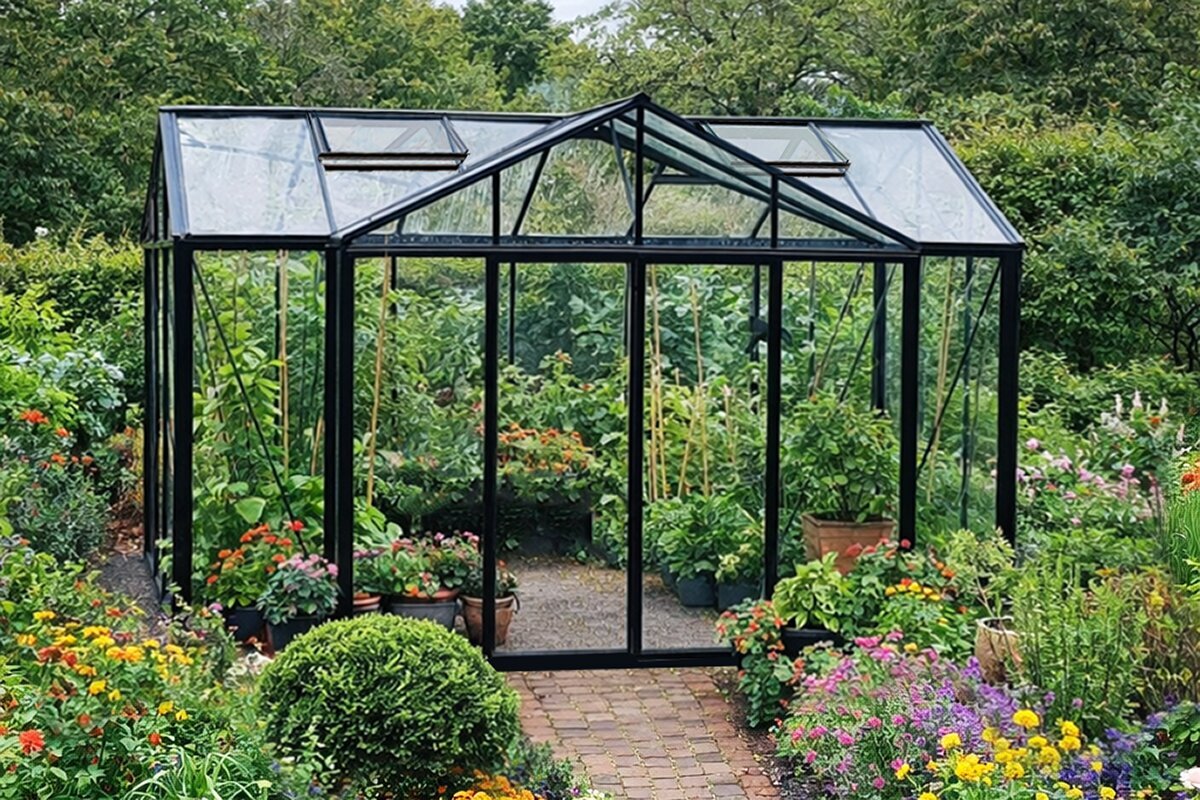
Spring Greenhouse Guide for the UK: How to Clean, Set Up and Grow Successfully — Bloomcabin
Spring is the most important season in the greenhouse calendar, because it is the moment when your structure transitions from winter protection space into a full production environment, and that transformation determines how productive, healthy and enjoyable your entire growing season will be. If you want your greenhouse to feel bright, organised and easy to manage from March through late summer, preparation must be done properly and in the correct order, starting with cleaning, followed by setup, and only then planting.
Across the United Kingdom, where spring weather can shift rapidly between sunshine, wind, rain and chilly nights, greenhouse preparation is even more essential than in warmer climates, because stable conditions are the key advantage that makes gardeners decide to buy greenhouse systems in the first place. A greenhouse allows you to start earlier, grow longer and harvest more consistently, but only if it is clean, well-ventilated and correctly arranged before the first seeds are sown.
This comprehensive Bloomcabin guide explains everything you need to know for spring greenhouse success in the UK, including how to clean aluminium, glass and polycarbonate structures safely, what to set up first, what crops to grow early, which plants are easiest for beginners, and which simple professional tricks dramatically improve results. Whether you already own one or plan to buy greenhouse equipment soon, these steps will ensure your greenhouse becomes the most productive part of your garden.
Why Spring Preparation Matters More Than Any Other Season
Many gardeners become excited when the first sunny days arrive and immediately start sowing seeds, but experienced growers know that planting before preparation often leads to problems later. Dust and algae on panels reduce light levels, debris shelters pests, and small structural issues from winter storms can affect temperature stability. Taking time to prepare your greenhouse properly ensures that when plants arrive, they grow in a bright, healthy and controlled environment rather than a neglected one.
This is also why many gardeners choose early spring as the best time to buy greenhouse structures or accessories. Installing shelving, ventilation systems or irrigation before the greenhouse fills with plants is far easier than trying to modify the space during peak growing season. Preparation is not a delay; it is the foundation of success.
How to Clean a Greenhouse Properly (Aluminium, Glass & Polycarbonate)
Start with a Full Inspection
Before washing anything, inspect your greenhouse carefully. Check frame joints, glazing panels, seals, doors, vents and fixings. Winter weather in the UK can loosen bolts, shift panels or create small gaps that affect temperature and airflow. Fixing these early prevents problems later, especially once plants begin growing rapidly.
Empty the Structure Completely
Remove pots, trays, tools and leftover compost before cleaning. This makes it possible to reach every corner and eliminates hidden debris where pests and fungal spores may overwinter. Sweep the floor thoroughly and remove any old plant material, because decomposing organic matter can harbour disease organisms.
Safe Cleaning for Different Materials
Aluminium frames: Wash with warm water and mild soap using a soft cloth or sponge. Avoid abrasive pads that could scratch protective coatings.
Glass panels: Use soapy water and rinse thoroughly. For mineral marks, a diluted vinegar solution works well if wiped gently.
Polycarbonate panels: Clean only with mild soap and lukewarm water. Avoid strong chemical cleaners or rough brushes, as these may damage protective layers or reduce clarity.
If you want to buy greenhouse maintenance tools, choose soft brushes, microfibre cloths and a gentle hose nozzle, because gentle cleaning protects glazing and keeps light transmission high, which directly improves plant growth.
Disinfect Benches and Pots
Seedlings are vulnerable to disease, so wash trays, pots and work surfaces thoroughly before reuse. This reduces the risk of damping-off and fungal problems, which thrive in damp spring conditions. Clean equipment is one of the simplest yet most powerful ways to protect young plants.
What to Set Up First Inside Your Greenhouse
Ventilation Comes Before Plants
UK spring weather often swings from cold mornings to warm afternoons, and greenhouses can heat up quickly in sunshine. Check that vents and doors open smoothly and allow humid air to escape. Good airflow prevents overheating and reduces disease risk.
Many gardeners decide to buy greenhouse ventilation accessories such as automatic openers because they regulate temperature even when you are not at home. Stable airflow is far more important than most beginners realise.
Watering System Setup
Establish your watering method before sowing seeds. Whether you use a watering can or hose, ensure the flow is gentle and reaches the root zone rather than splashing foliage. Consistent watering is crucial in spring when sun and cloud alternate frequently.
If you plan to buy greenhouse upgrades, simple drip irrigation for containers or grow bags is one of the most practical improvements, as it keeps soil moisture even and reduces daily workload.
Create Functional Growing Zones
Divide your greenhouse into areas for seed starting, plant growth and storage. Seedlings need stable temperatures and protection, while mature plants require more space and airflow. Organised zones make greenhouse work easier and prevent overcrowding.
What to Plant First in a UK Spring Greenhouse
Early Season Crops
Cool-season crops tolerate lower temperatures and are ideal for early sowing. These include lettuce, spinach, cabbage, peas, onions and leeks. They germinate well in moderate conditions and can later be transplanted outdoors if needed.
Mid-Spring Crops
As daylight increases and temperatures stabilise, you can start warm-season plants such as tomatoes, peppers, cucumbers and courgettes. These crops benefit greatly from greenhouse warmth and are among the main reasons gardeners choose to buy greenhouse structures.
Quick Harvest Plants
Fast-growing crops like radishes, salad greens and herbs provide early rewards and build confidence. Many can be harvested within weeks, making them ideal for beginners.
Easiest Greenhouse Crops for Beginners
If you are new and considering whether to buy greenhouse equipment, start with crops that are forgiving and productive. These include:
- Tomatoes
- Cucumbers
- Peppers
- Lettuce
- Spinach
- Basil
- Mint
- Marigolds
These plants tolerate minor mistakes, grow quickly and reward you with visible progress, which makes greenhouse gardening enjoyable rather than stressful.
Professional Greenhouse Tips Most Gardeners Never Learn
Use Vertical Space
Train tomatoes and cucumbers upward using supports. Vertical growing increases yield and improves airflow, reducing disease risk.
Water Early in the Day
Morning watering allows leaves to dry before evening, lowering humidity and discouraging fungal problems.
Grow Companion Plants
Flowers such as marigolds and nasturtiums attract beneficial insects and help manage pests naturally.
Harvest Continuously
Leaf crops such as lettuce and herbs can be harvested gradually, encouraging regrowth and extending production.
Many gardeners who follow these simple techniques quickly realise why experienced growers recommend investing in quality structures and decide to buy greenhouse systems that support long-term productivity.
Common Spring Greenhouse Mistakes to Avoid
- Planting too early in cold soil
- Overcrowding plants
- Skipping cleaning
- Poor ventilation
- Inconsistent watering
Avoiding these mistakes dramatically increases success rates, particularly in the unpredictable British spring climate.
The Ideal Spring Greenhouse Routine
Late Winter: clean structure, inspect panels, prepare tools.
Early Spring: sow cool-season crops and herbs.
Mid Spring: start tomatoes, cucumbers and peppers.
Late Spring: transplant and arrange final layout.
Following a schedule ensures steady production and prevents last-minute stress.
Why Many Gardeners Decide to Buy Greenhouse Structures After One Season
Once gardeners experience the benefits of protected growing, they often upgrade or expand. A greenhouse offers earlier harvests, longer seasons, healthier plants and more reliable yields. Even a simple structure can maintain temperatures several degrees warmer than outside, protecting plants from frost and wind.
This is why so many people who start with seedlings indoors eventually choose to buy greenhouse solutions — they realise the difference controlled conditions make.
Final Thoughts — Build a Greenhouse You Enjoy Using
A greenhouse is not just a gardening structure; it is a productive environment that allows you to grow more, earlier and with greater confidence. When prepared correctly each spring, it becomes a calm, efficient space where plants thrive and gardening feels effortless.
If you plan to buy greenhouse equipment this season, remember that the best results always come from good preparation, thoughtful layout and consistent care. Clean first, set up systems second and plant third. Follow that order and your greenhouse will reward you with a productive, beautiful growing season year after year.
Bloomcabin tip: The best greenhouse is not simply the largest or most expensive — it is the one that fits your garden, your climate and your growing ambitions perfectly.
