
Summer House Delivery Day: How to Prepare Your Property

SUMMER HOUSE DELIVERY
Summer house delivery day is easier to manage when you plan the route from the road to the agreed unloading point, as well as the space where the summer house is intended to go. The delivery method, package dimensions and whether a driver can take items beyond the vehicle depend on the particular order and service; none should be assumed from a product name. Confirm those details before the date, walk the route, clear movable obstacles and prepare the destination in line with the product instructions. This guide takes you from order confirmation to a practical handover plan, including what to do if access or timing changes.
Confirm the order and delivery arrangements
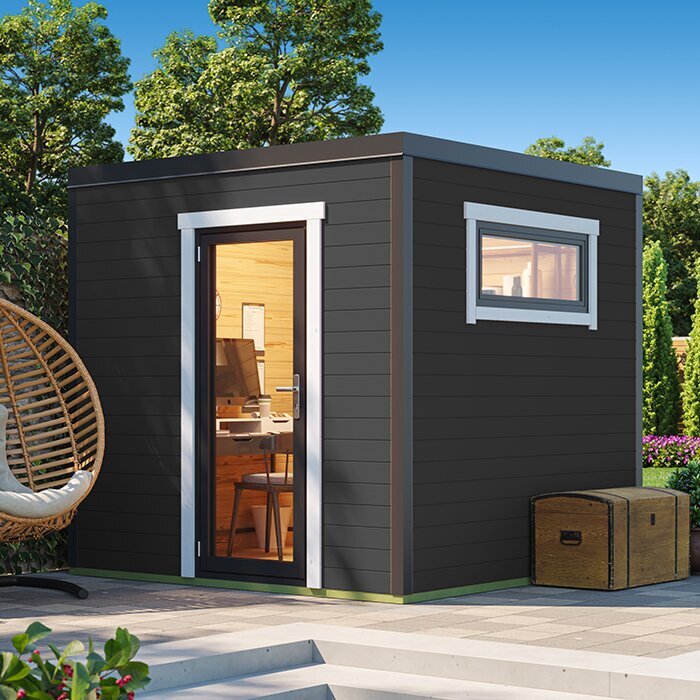
Start with the order confirmation, not a general idea of the building. Check the delivery address, contact number, selected model and the date or window currently agreed. If the purchase is for Garden House Verdana 1, keep that precise name beside the order reference when contacting the delivery team; it helps tie a question to the right purchase. Check that the address includes the correct entrance, particularly if the garden is reached from a side road or the property has more than one gate. If you have moved, changed access arrangements or corrected the address since ordering, make sure the latest details have been acknowledged.
Ask what the booked service includes: arrival notification, vehicle access, handover point and whether anything beyond unloading is included. Delivery, carrying goods to a rear garden and assembly can be separate tasks, so name the exact point you expect the goods to reach. Describe a shared drive, narrow entrance or long path in advance. Keep the agreed details with the order documents and pass them to whoever will receive the delivery. Ask whom to call if the arrival window changes or a question arises on the day.
Clarify unloading and handover
Find out how the house will arrive and where the delivery team expects to leave it. The load may contain one or several packages, and the unloading method affects the space and route needed; use order information rather than photographs, a product title or finished-building dimensions. If the paperwork names Garden House Verdana 2, quote that reference when asking about package dimensions, handling requirements and vehicle arrangements. Ask for the largest package dimensions relevant to your route. A listing name identifies a product, but cannot confirm how it will be packed or moved.
Clarify the handover point: beside the lorry, at an entrance, on the drive or elsewhere agreed with the provider. Ask whether unloading equipment or additional crew is included, and whether anyone from your household must be available. Confirm how far the booked service covers and whether the driver can take items through a side gate, around a building or across a lawn. If your preferred drop point is beyond that limit, discuss it before the date. Keep the response with the order documents so the receiver understands the service boundary.
Measure the route to the unloading point
Walk the route from the likely vehicle stopping place to the precise handover point, and measure the narrowest clear width and lowest overhead clearance along it. Include the gate opening when the gate is in its usable position, the gap between fixed objects and every point where the route turns. Measure the route, not only the footprint of the planned summer house: packages and delivery equipment may need a different path from the building’s final outline. Keep the model and order reference with your notes; for a purchase identified as the Durano garden-house listing, obtain the relevant dimensions and handling information for that exact order rather than assuming the name reveals them. Note where each measurement was taken so another person can check it.
Record changes in level, steps, slopes, soft or uneven patches, gravel, paving edges and points where the route narrows after a corner. These details help the delivery contact assess the proposed handover; one gate measurement cannot answer every access question. If the provider gives package or handling clearances, compare them with your narrowest measurements and allow for gate fittings and turning space. A simple sketch of the road, stopping space, route and drop point can make a phone call clearer. If a tight point is difficult to measure, send photographs and ask for advice before the date.
Look for narrow turns and overhead obstructions
Check fixed and temporary obstructions at each pinch point. Gate posts, hinges, latches, wall returns and drainpipes can reduce the usable opening; a gate that appears wide enough may not open fully. Above head height, note branches, eaves, canopies and other overhangs, including changes in clearance between the entrance and garden. Measure what will be available on delivery day, not an opening that depends on moving a car or unbolting a gate. If a feature belongs to a neighbour or forms part of a shared boundary, obtain permission before proposing a change. Do not treat removal as routine delivery preparation.
A tight corner needs attention even when the straight sections are wide. Record the distance before the turn and whether the load can be approached and turned without striking a wall, fence or planting. If the planned order is for Veltor 1, include that reference when asking about the exact handling clearances; the product name alone cannot establish whether a particular corner works. Do not dismantle a gate, cut branches near overhead services or alter fixed fittings to force a route on the day. If a change near a cable or other service seems necessary, leave it to a suitably qualified professional and agree another delivery plan meanwhile. A different handover point may be simpler than trying to widen a constrained route.
Plan lorry access and parking
Consider access from the road or shared entrance as well as the garden path. Tell the delivery contact about a narrow approach, sharp turn, low entrance, steep drive or restricted stopping space, and ask what vehicle access the booked service requires. The delivery vehicle’s size and ability to enter the property depend on the arrangement, so do not infer them from a previous delivery or from the space available for a car. If the vehicle is expected to remain outside the boundary, clarify the distance and exact handover point. A nearby parking space is not automatically an unloading area, and using a shared or managed area may need advance coordination with the person responsible for it.
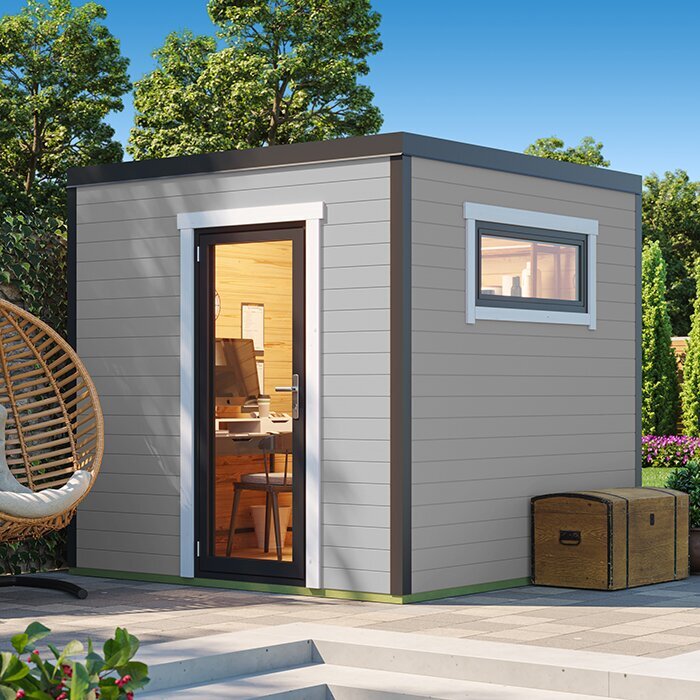
Reserve the agreed space by moving your own car, trailer or garden equipment, and make sure the driver can identify the correct entrance. If access is shared, discuss the date and any temporary restrictions in advance. When comparing an option such as the Orello product listing, make property access part of the purchase decision: a back-garden position is only practical if the agreed service can reach a workable handover point. Confirm any alternative stopping place with the provider instead of improvising at the kerb. Keep a clear route for other people who need access to the property.
Clear the route before delivery
Clear loose objects along the whole route: bins, furniture, toys, hoses, plant pots, tools and anything else that could narrow the path or trip someone. Move them where they will not interfere with the vehicle or unloading work, and make sure gates can stay open as agreed. Check again shortly before the delivery window, since everyday items can return after an initial tidy-up. If the route passes through a garage, side passage or shared yard, clear the turning area as well as the central path. Do not stack belongings at the unloading point.
Treat fixed obstacles differently from movable ones. Decide in advance whether a fence panel or gate can be opened, who has permission to do that and whether the delivery provider accepts the resulting route; do not assume a driver will wait while someone dismantles a boundary. Plants or branches may need attention, but do not cut or alter anything if ownership, access rights or overhead services are unclear. If Modano 1 is the model on your paperwork, include that name in your delivery enquiry and send photographs of the actual access points; precise references and clear images help keep the conversation specific. Agree any change well before delivery, and leave the route as it was promised when the driver arrives.
Make the intended site ready
The intended location should be selected, accessible and prepared according to the instructions supplied for the particular summer house before delivery is confirmed. Make sure the delivery team knows whether the agreed handover point is the final position or a separate spot; do not assume they will carry the load beyond the stated service. If a builder or installer will place the house, coordinate who needs access and when, and confirm whether delivery and assembly are separate appointments. For an order identified as Veltor 2, use that exact reference when checking the applicable product instructions and site arrangements; do not infer requirements from the model name or from another version. The person preparing the site should have the correct instructions, not a description copied from a different order.
Clear furniture, planters, play equipment and other belongings from the intended area so the agreed placement point can be reached. Leave any working space requested by the supplier or installer and keep an unobstructed route from the unloading point. If the drop point differs from the site, decide how the goods will move between them and whether this is included in the service. Do not wait until the lorry arrives to find that the intended position is occupied. Follow the product instructions for site preparation, and ask a competent professional if the work or ground conditions are unclear.
Arrange who will receive the delivery
Name one person to receive the delivery and make sure they can be reached during the agreed window. Give them the order reference, delivery contact, access notes, agreed unloading point and any instructions about gates or parking. If somebody else has arranged the purchase, pass on the latest details rather than relying on memory or a forwarded message with an outdated time. Keep a phone available for a call from the driver or coordinator, but do not promise a route or destination that has not been agreed. If the paperwork lists Veltor 3, use that exact model name when checking the order; it helps distinguish the intended purchase from another product or earlier correspondence.
Tell people who use the property that part of the route must stay clear. Keep pets and children away from the vehicle and unloading area, and warn household members or neighbours if delivery uses a shared entrance. Keep the route free throughout the handover, not only while the lorry is visible. If a gate must be held open, decide who will attend it and check that this is practical. Do not ask an uninformed neighbour to make decisions about access or placement on your behalf.

Agree a contingency before the date
Even careful preparation cannot control a traffic delay, sudden obstruction or difference between the agreed plan and available access. Before delivery, find the contact route for a change of plan and ask how the provider handles an inaccessible property, delayed arrival or incomplete delivery. The answer depends on the booked service, so do not assume there will be another attempt or that the driver can wait while the route is cleared. If work is unfinished, the vehicle cannot stop as expected or the route is blocked, report it as soon as you know. Keep any revised arrangement with the order details.
Have an alternative only if the provider has agreed to it. That might be a different handover point or a changed appointment, but a nearby spot that looks convenient is not automatically acceptable for the delivery. Check the weather close to the date and consider whether the planned route remains usable; wet, icy or otherwise poor conditions may affect what can safely be attempted. If conditions or clearance differ from the plan, pause and contact the provider rather than asking the driver to improvise a difficult move. Early communication is more useful than a rushed change while the vehicle is waiting, and it gives you time to clear a newly blocked entrance if that is all that is needed.
Follow a simple sequence on delivery day
Before the arrival window, make one final walk from the road entrance to the agreed handover point. Check that the route is open, the stopping space is free, gates and movable obstacles are dealt with, the destination is clear and the receiver has the current order details. Compare the actual conditions with the measurements and access information shared earlier. If a new issue has appeared—a parked vehicle, roadwork, a locked gate or an address error—contact the delivery provider promptly instead of expecting the driver to find a different route unaided. A quick recheck catches changes that a measurement taken weeks earlier cannot. Make sure pets, children and other residents know where to stay.
When the vehicle arrives, show the agreed entrance and handover point, then discuss any difference between the plan and site conditions before unloading. If the delivery cannot follow the agreed route, pause and ask the provider what to do; do not attempt an unplanned move. Once the load is handed over, check it against the order and follow the seller’s process for reporting a discrepancy or visible damage. Keep the delivery record and note any agreed exception. The aim is a clear handover, not assembly or work outside the booked service.
Frequently asked questions
When should I clear the access route?
Walk the route as soon as you begin arranging delivery, so you have time to raise fixed access problems before the service is confirmed. Move everyday clutter nearer the date, then check again shortly before the agreed window. There is no universal notice period: follow the timing and updates given for your order.
What should I measure for a narrow garden entrance?
Measure the narrowest usable width and lowest clearance from the vehicle’s stopping place to the agreed handover point. Include gate hardware, corners, steps and overhead obstructions, then compare those measurements with the package and handling information for your exact order—not only the finished house dimensions. Ask the delivery contact if a turn is uncertain.
Will the driver carry the summer house to its final position?
Do not assume so. The service may end at a defined handover point; carrying goods through the garden, placing the structure and assembly may be separate tasks. Confirm the location, crew and equipment included in your order before delivery day, then make sure the person receiving the goods understands what has been agreed.
Does the garden need to be ready before delivery?
The intended location should be selected and accessible, with any preparatory work completed according to the instructions for the chosen model. Confirm whether the delivery team is only unloading or is also booked to place or assemble the house. If the required site preparation is unclear, ask a competent professional rather than guessing.
What if the lorry cannot reach the agreed point?
Tell the provider in advance if you know access will be restricted. On the day, pause if conditions differ from the agreed route and ask for instructions. Do not assume the driver can change the unloading point, wait while a barrier is removed or carry packages farther. Agree any alternative or revised appointment through the delivery contact.
Good delivery preparation means matching the actual order to the actual route and to a clearly agreed handover point. A product name alone cannot tell you what will fit through a gate or what a delivery team will carry, so get those details from your order information and provider. Clear movable obstacles, prepare the chosen site as instructed and make sure the receiver knows the plan. If a measurement, access condition or service limit remains uncertain, resolve it before delivery day; an agreed change in advance is easier than a last-minute workaround.
