
Summer House Lighting: Planning Task and Ambient Light
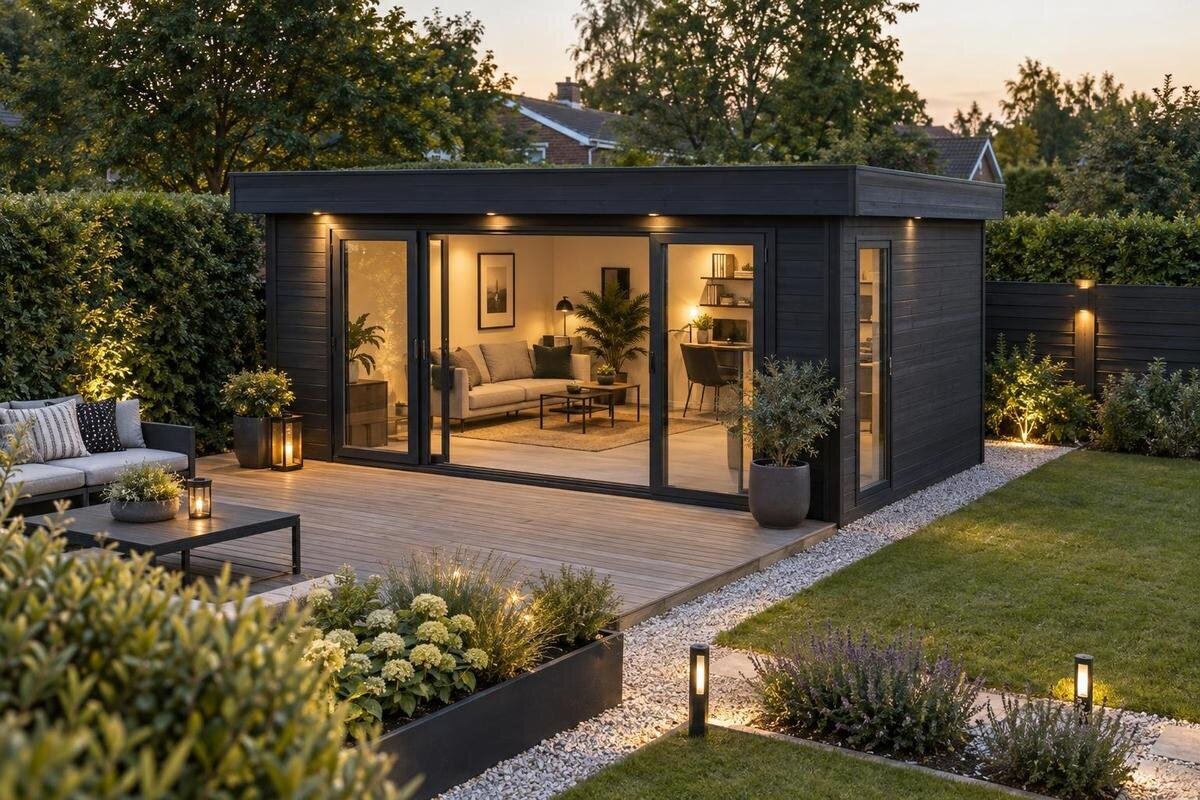
Summer house lighting
Good summer house lighting starts with what you want to do there, not with choosing a decorative fitting. Mark each activity, place clear light over the points that need visibility, then add softer background light so the room feels balanced after dark. The building’s layout, windows, furniture and power arrangements all affect those choices, so include them when comparing a summer house and before placing an order.
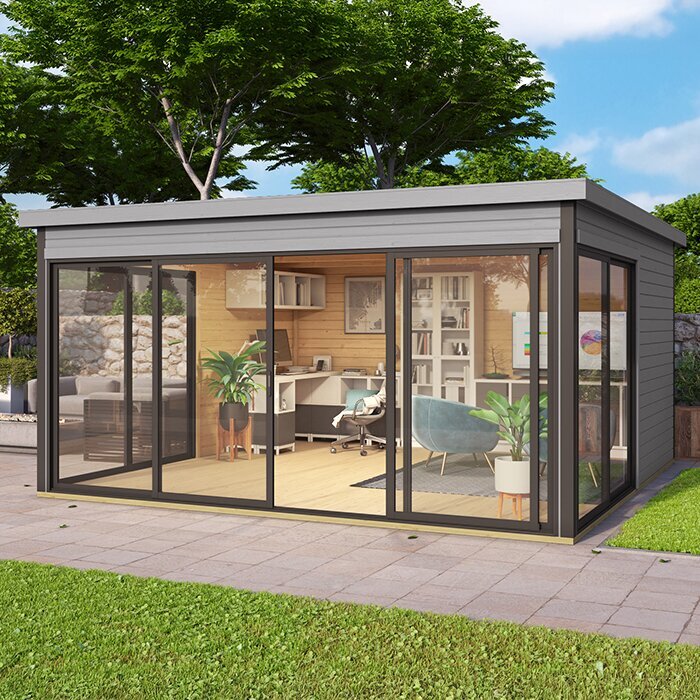
Begin with the activities the summer house must support
Before choosing fittings, list what you expect to do in the summer house during the day and after dusk. Include regular activities, such as using a worktable, sorting gardening supplies, playing games or sitting with company, plus occasional jobs that need good visibility. Note which activities require seeing small details and which only need a soft general glow. Record how often each zone will be used and whether one person or several people may be there together. If a task is occasional, portable light may suit it better than shaping the whole room around it; regular use deserves a reliable place in the plan.
Turn the list into zones: a main task area, a route through the room and a place for unwinding may each need a different quality of light. If furniture could move, favour a plan that can adapt rather than fixing every source to one arrangement. Mark where task light should fall, where a general glow is useful and which sources need separate control. While comparing buildings, keep the Verdana 1 product page beside your notes and check any layout details supplied for that model; a name or photograph alone cannot establish where your activities will fit. Treat these zones as a brief, not a wiring plan.
Put task lighting where clear sight matters
Task lighting is aimed at the point where you need to see clearly: a workbench, table, craft surface or place where you handle small items. Decide whether the light needs to cover one fixed spot or follow a changing activity. Its position matters as much as its brightness: a person, hand or shelf between the source and the work can cast a shadow exactly where it is least useful. Imagine both seated and standing positions, and the direction in which you approach each task, before choosing a fitting or setting aside a fixing point. A narrow beam may suit detail work but leave nearby objects dark, while broader light can cover more than one surface.
For occasional jobs, a movable lamp can avoid committing the room to a single work surface; for repeated tasks, a dedicated source is easier to include in the overall plan. Check that the lamp’s head, shade or stand will not block access, collide with a door or take up the surface you need to use. Consider whether you will need both hands free and where the switch can be reached without stretching across tools or other items. If you are considering a fixed fitting, mark its intended position on the plan so it can be reviewed with the chosen layout and installation arrangements.
Build a comfortable layer of ambient light
Ambient lighting provides the general level of light that lets you see the room as a whole, rather than concentrating on one activity. A single bright source can leave corners feeling stark and still fail to illuminate a low table or work surface, so consider how the background light will combine with task lamps. Several softer sources, or a fitting that spreads light widely, may give a more even impression; the appropriate choice depends on the room, surfaces and fittings. Aim for comfort without making the main task light so weak that it has to do everything.
Think of ambient light as the layer you use when entering, tidying or moving between activities, then decide whether it should be controlled separately from task lighting. Separate controls let you use only what the moment requires, while a dimmable fitting can offer more than one setting if it is compatible with the lamp and control. The room’s shape and available fixing positions affect the choice. When checking the Verdana 2 product page, use only the layout information actually stated; do not infer where a ceiling or wall light can go from a photograph.
Plan around daylight and openings
Daylight reduces how much artificial light is needed while the sun is up, but its distribution changes with the time, weather, nearby trees or buildings, and the openings in the summer house. If the intended site is accessible, notice which areas are naturally bright when you expect to use them; if it is not yet in place, make a note of nearby shade without assuming that one observation predicts every season. Evening use still needs its own plan. Also note where daylight falls on work surfaces: a lamp may seem less noticeable in bright conditions and more prominent at dusk.
Windows and doors influence where you can place storage, furniture, task lighting and switches, as well as how much daylight reaches the room. Read any available plans and the seller’s stated details before deciding that a particular wall will be free for a lamp or shelving. The Durano product page can be one reference in that comparison, but confirm any opening and glazing information provided rather than inferring it from the model name or an image. If the available details do not answer a lighting-related question, ask before ordering.
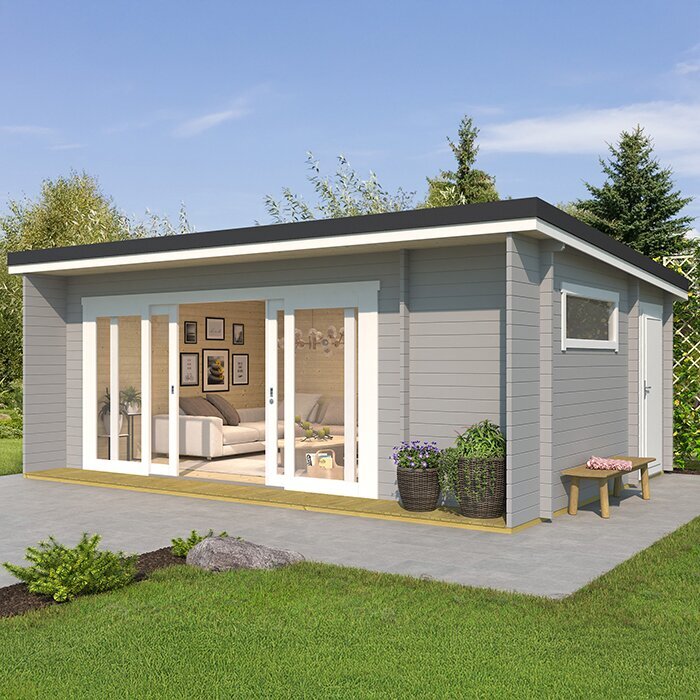
Check the room layout before choosing fittings
Use the summer house’s stated internal dimensions, when available, to sketch where furniture, doors, windows and the main walking route will sit. A rough plan on paper is enough to expose conflicts: a lamp could fall behind a tall cabinet, a switch could end up behind a chair, or a large table might leave no clear place for a floor lamp. Include the space needed to open doors and use storage, and avoid treating an exterior measurement as the usable room area. A compact layout may also mean that one surface serves for both work and relaxation, which affects how flexible the lighting should be.
Then check what surfaces can actually take a fitting and what the building instructions allow. A wall-mounted light, ceiling fitting and table lamp place different demands on the room, but the suitability of a fixing depends on the structure and product instructions. Do not assume that a surface is ready for an electrical fitting because it looks solid in a photograph. Use the Veltor 1 product page as a shortlist reference and compare only the details stated for that model; check fixing questions with the seller, manufacturer or a qualified professional as appropriate.
Compare fixed, plug-in and portable lighting
Choose the power approach alongside the lighting plan. Fixed electrical lighting can provide a dependable arrangement for regular use, but its design and installation need assessment by a qualified electrician. Plug-in lamps are easier to move but depend on a suitable outlet and a cable route that does not obstruct a doorway or walking line. Rechargeable or battery-powered lamps avoid a cable to the fitting, but bring charging, battery-life and brightness considerations that should be checked against the task. None of these options is automatically right for every summer house; decide what matters most, such as frequent use, flexibility or avoiding fixed wiring.
For portable lamps, check the manufacturer’s directions for the intended location, charging arrangements and any conditions the fitting is designed to tolerate, particularly if the room may be unheated or damp. If you plan fixed electrics, discuss the building, intended use and proposed lighting points with a qualified electrician before work begins; do not treat a product photograph as evidence of wiring provision. Include fittings and any professional work in your overall purchase budget. While comparing buildings, use the Orello 1 product page to check which relevant details are stated and ask about anything unclear before ordering.
Reduce glare and unwanted shadows
Glare is light that feels uncomfortably bright when it enters your direct view or reflects from a glossy surface. Before settling on a position, consider the angle from the seat and work area, not just how the fitting looks from the doorway. A shade or a source aimed away from the eyes can help, provided it still lights the task. Also watch for shadows made by your body when standing at a bench; placing a lamp behind you may leave your hands between the light and the work. Small changes in position can solve a problem better than adding another fitting.
Colour appearance also shapes how a room feels, while brightness determines whether details are easy to see. Compare the information on lamp packaging rather than relying on a product image, and avoid mixing markedly different light colours unless that contrast is deliberate. If possible, try one lamp in a similar setting before buying several, as wall finishes and furnishings affect the impression. When reviewing the Modano 1 product page, check any supplied layout information relevant to windows and task positions; an image is not a measurement of daylight or a lighting specification.
Choose practical switches and cable routes
Plan controls at the same time as fittings. If ambient and task lights share one control, every activity may require more light than needed; separate switching or compatible dimming can make the room easier to adapt. Decide which source should come on first when you enter, where a switch will be reachable, and whether anyone might use it with their hands occupied. A remote control can help with a lamp positioned away from the entrance, but consider where the remote will be kept and whether it relies on batteries or a particular system. Check compatibility between lamps, fittings and controls before buying them together.
Sketch cable and charger positions as part of the furniture plan. Keep normal routes to the door and seats clear, and avoid a layout that encourages a loose lead across the floor. Consider whether charging a portable light will displace an outlet needed for something else. For fixed wiring, use the qualified electrician involved in planning the electrical arrangement; do not alter the building to accommodate a fitting without checking the manufacturer’s instructions and obtaining suitable professional advice. Including control points on the drawing makes the intended arrangement clearer to anyone helping with the project.
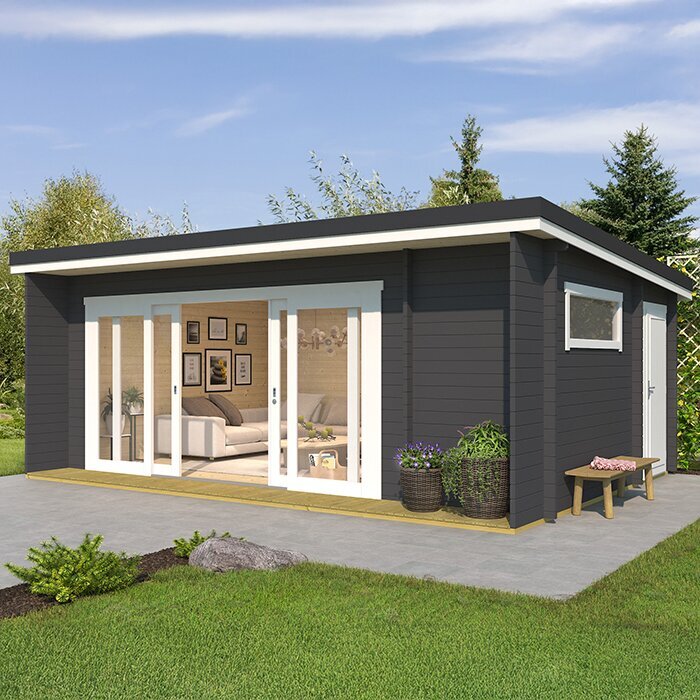
Check what is included before ordering
Before placing an order, separate the building choice from lighting items that may be bought later. Check what is included, which options are available, and whether electrical fittings, cables or pre-installation are mentioned at all; never assume a lamp or wiring is part of the house package. Compare the stated internal measurements, opening positions and assembly information with your lighting plan, and note any missing points. If you need an electrician’s view before committing, share the available building details and intended use so they can identify questions to resolve. Keep a written record of what has been confirmed.
Build the overall budget around the full arrangement, not one attractive fitting: include task and ambient sources, controls, charging needs, any specialist assessment and possible professional electrical work. Ask the seller to clarify product-specific points rather than inferring them from images or a model label. Review the Veltor 2 product page alongside your checklist; check whether dimensions, openings and included items are stated, and verify any details that matter to your plan. Read the seller’s ordering terms and installation responsibilities before proceeding, without assuming that options or services are included unless explicitly confirmed.
Bring the building and lighting plan together
Before finalising your choice, write a compact lighting schedule with one line for each zone: what happens there, what kind of light is needed, where the source could go, how it will be powered and how it will be controlled. Mark which choices depend on measurements or instructions still to be checked. This gives a supplier, installer or electrician a clearer brief and makes it easier to spot omissions, such as a dark route or a task area without a nearby control. It also keeps decorative choices in perspective: each fitting should have a clear role, even when the room’s evening atmosphere matters.
Compare candidate summer houses against that schedule, then revisit the plan when the furniture and fittings are chosen. A model name does not establish a room’s dimensions, glazing, wiring or suitability for a particular installation; use verified product information and professional advice where needed. Assess the Veltor 3 product page using the same questions as any other option, rather than treating it as evidence of lighting provision. Once everything is arranged, judge the balance in the actual room: task light should serve its purpose, ambient light should make movement comfortable, and neither should have to do every job alone.
Frequently asked questions
What is the difference between task and ambient lighting?
Task lighting is aimed at a particular activity, such as working at a table or handling small items. Ambient lighting provides a general level of light across the room. Planning both helps avoid asking one fitting to provide detailed visibility and a comfortable overall glow at the same time.
How many lights should a summer house have?
There is no useful number without knowing the layout and how you will use the space. Identify the task areas, general lighting needs and routes through the room first. Then choose sources to suit those zones, rather than counting fittings or assuming one central light will cover everything.
Can battery-powered lights work without mains electricity?
They can be a practical option for particular tasks or occasional use. Before buying, check the manufacturer’s information on brightness, running time, charging and where the lamp is intended to be used. For regular fixed lighting, include the power arrangements in the plan and discuss fixed electrical work with a qualified electrician.
Should I plan lighting before ordering a summer house?
Yes. The layout, dimensions, doors and windows affect where furniture, task lights, switches and cables can go. Make a simple lighting brief before choosing a model, then check the details provided for the option you are considering. Resolve unanswered questions before ordering rather than relying on a name or photograph.
Can I use an ordinary indoor lamp in a summer house?
Only use a lamp in conditions that its manufacturer says it is suitable for. A summer house may have different conditions from a heated room, so check the product instructions, including any guidance about damp or unheated spaces. If the intended location is unclear, ask the manufacturer or supplier before buying.
A useful lighting plan matches the chosen summer house to the activities that matter, then gives each task and shared space the right kind of light. Checking the layout, openings, fittings, controls and power arrangements before ordering helps keep the decisions connected. The result is a room where focused light serves practical work and a softer ambient layer supports the rest of the evening.
