
Summer House or Storage Shed: What’s the Difference?
Garden building guide
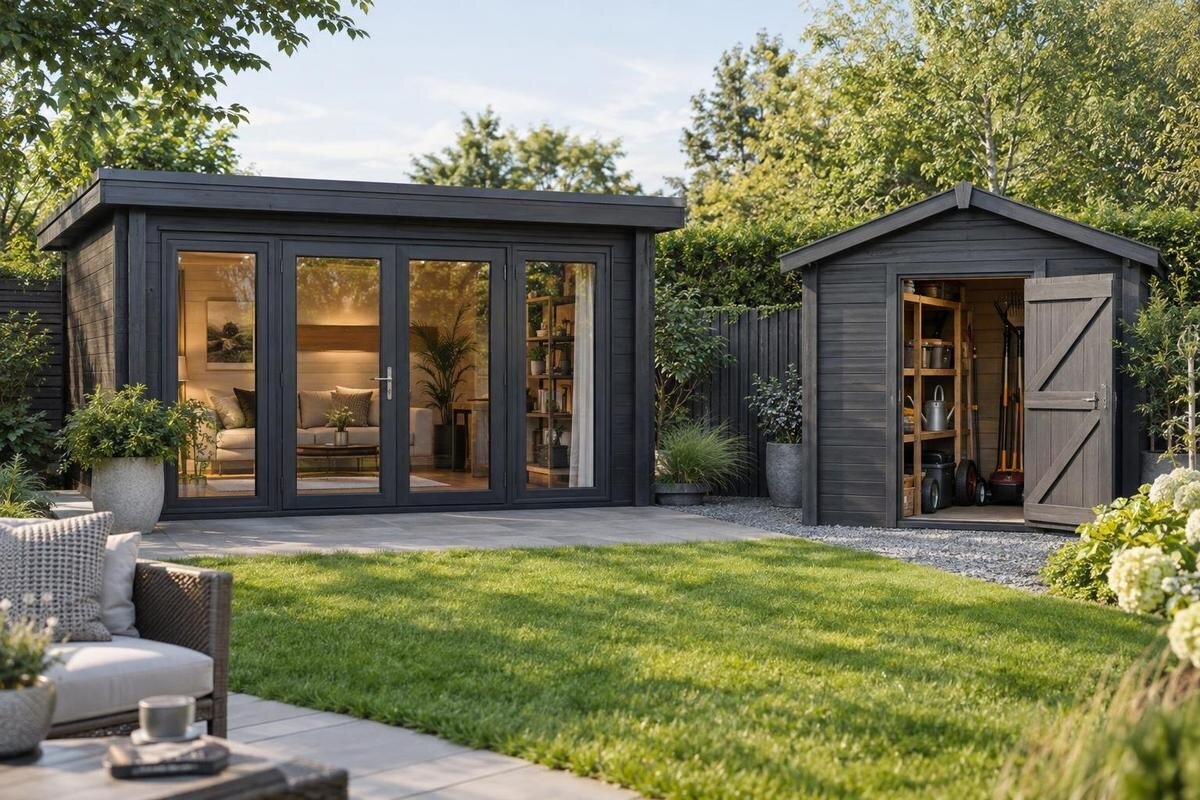
Choosing between a summer house and a storage shed is less about the name than about the job the building must do. A summer house is generally intended as a place to sit or pursue a hobby in the garden; a shed is chiefly for keeping equipment and other belongings. Either type may be used in more than one way, but a second function can change how much room, access and protection you need. This guide focuses on practical buying decisions: how you will use the space, what must fit, what needs to be included and whether the building can be accommodated on your plot.
The main difference is how you will use it
The clearest difference is the job you expect the building to do. A summer house is commonly bought as a place to spend time in the garden: sit with a book, pursue a hobby or have somewhere to pause outdoors. A storage shed is primarily there to keep belongings that would otherwise take up room in the house, garage or on the patio, such as tools, garden equipment or seasonal furniture. These are intended uses, not guarantees about a particular design. The words on a listing do not by themselves confirm the building’s layout, finish, security or weather protection, so compare the actual model with your needs. It is also worth considering when you will use the building. A room that is pleasant for occasional leisure may need different access, furnishing and organisation from a space opened briefly several times a week to retrieve tools.
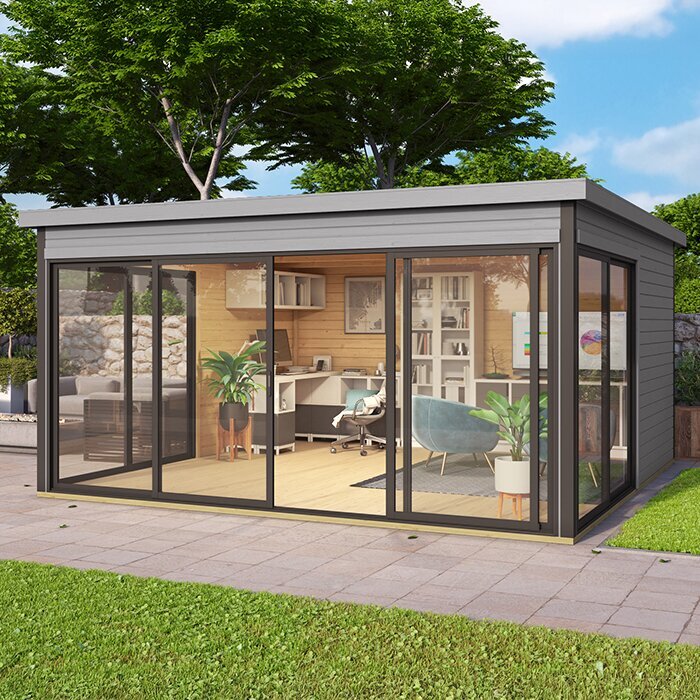
Think about an ordinary week rather than an ideal future use. If you would regularly open the door to collect equipment, then put it away again, convenient storage may matter more than room for a chair. If you expect to sit, read or work on a hobby there, the space needs to support that activity first. Occasional storage or a rare visit from friends can still count, but should not outweigh the main purpose. A listing such as the Verdana 1 garden house is one option to assess; check the exact model details before deciding whether it suits your plans.
The intended use affects the interior layout
For a summer house, picture the activity taking place inside. A chair and small table need room around them, while a craft or gardening hobby may call for a work surface and space to reach supplies. Think about the route from the door to the area you will use, not just whether the furniture can be squeezed into the floor plan. A layout that leaves a clear area to move around is often more practical than filling every available corner. Check the model’s openings and internal arrangement against the furniture or equipment you expect to use. Consider where coats, cushions or hobby materials will go when they are not in use, too. Without a simple storage plan, even a room intended for relaxing can become cluttered and less enjoyable to use.
A shed layout is shaped by the objects going in and how often you need them. Everyday tools should be reachable without moving bulky items each time; seasonal belongings can be placed where less frequent access is acceptable. Shelves and hooks may help organise smaller items, but do not assume they are included or that every wall is suitable for fitting them. If you are considering a summer house as an alternative, the Verdana 2 listing can be assessed against the layout you need. Use confirmed model details, not the name alone, to judge its suitability.
Measure equipment and furniture before comparing sizes
For storage, make a list of the things you genuinely intend to keep in the building. Measure the largest items, including handles or attachments that affect how they pass through a doorway, and think about the space needed to turn or move them once inside. Count smaller items too: several boxes, tools and cushions can occupy more room than expected. If you are comparing a shed with a summer house, this inventory gives you a realistic storage requirement instead of a vague estimate based on the building’s exterior size. Group the list by how often each item is used. This helps distinguish equipment that needs to be close to the entrance from items that can be stored behind it without making everyday access inconvenient.
For a summer house, measure the furniture and allow for the space needed to use it comfortably. Outside dimensions describe the footprint, not necessarily the clear floor area; walls and the layout affect how much room is available inside. Door position and opening size also matter if you are bringing in a table or other larger item. For a candidate such as the Durano garden house listing, identify the actual published dimensions and opening size before judging the fit. Do not rely on a model name or photograph to answer those questions.
Windows, openings and wall space shape how the room works
In a room intended for sitting or hobbies, window and door positions can affect how bright the interior feels and where furniture can go. Glazed areas may suit someone who wants to look out into the garden, while solid wall space can be useful for placing furniture or equipment. These are choices to compare, rather than features to assume: summer houses vary, and the name does not tell you how much glazing a particular model has or where its openings are. Sketching the proposed furniture positions can reveal practical conflicts early, such as a chair blocking a doorway or a table reducing the route through the room. Use the published layout rather than estimating from promotional images.
Storage has different priorities. Continuous wall space can make it easier to plan shelving, while a window may help you see what is inside. Consider whether you need one or both, and check that the proposed arrangement will not obstruct access to the items you store. When reviewing the Veltor 1 product page, verify the actual layout and opening details for that model; do not infer them from its name. If a feature is essential, confirm it before ordering rather than relying on a general product description.
Check protection, access and security for stored items
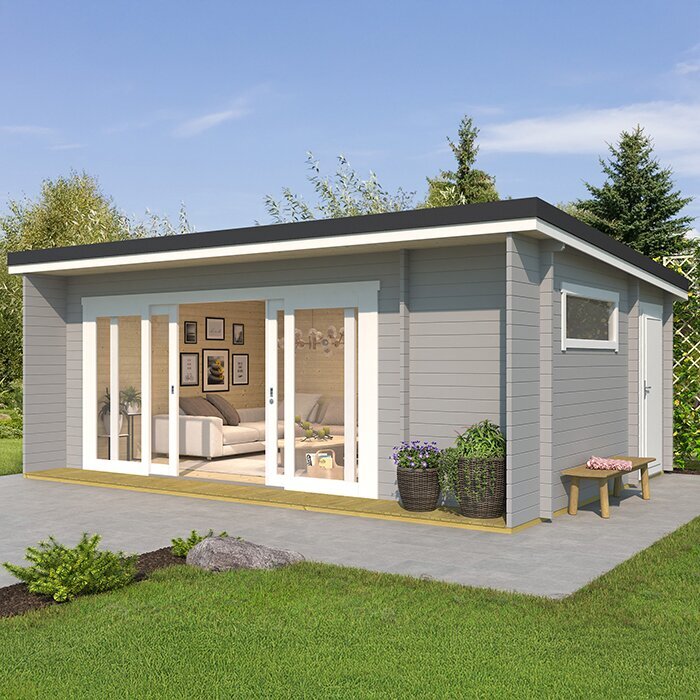
A storage shed does not automatically provide the same conditions for every kind of belonging. Consider what you intend to store and what protection it needs from rain, damp or other outdoor conditions. Check the specific information about the building’s construction, roof, floor, openings and maintenance, and look for any stated limits on its use. A product label is not a guarantee that sensitive belongings will remain in a particular condition, so choose storage that matches the items rather than making assumptions. Items that are especially valuable, delicate or affected by moisture may need a different storage solution. Decide this before choosing a building, rather than treating a garden structure as a universal answer for everything you own.
If security matters, check the door and locking arrangements for the exact building and decide whether they meet your needs. Do not treat the word shed as a security rating. A summer house may also hold garden furniture or equipment, but adding storage can crowd the room or change how you use it. A garden-house option such as the Orello 1 listing should be assessed against the specific protection and access you require, not assumed to provide them. Keep the intended contents in mind when comparing the details.
Materials and upkeep affect the ongoing commitment
The material and finish influence the maintenance a garden building may need, so compare the instructions for each model you are considering. Find out whether the finish needs periodic attention, what cleaning is recommended and whether particular parts have separate care requirements. If a model is timber, for example, check its own guidance about treatment and upkeep rather than assuming the same routine applies to every building. A shed still needs looking after even if its main purpose is storage; a summer house also needs a finish you are willing to maintain. Think realistically about who will carry out that care and when. A building chosen chiefly for its appearance may become a poor fit if its maintenance requirements do not suit the time and effort you can commit over the years.
Look beyond the appearance in a photograph and check what is specified for the walls, roof and floor, as well as which finishes or treatments are included. The required upkeep may affect whether you can keep the building in good condition over time. If details are not clear, ask the retailer or manufacturer before deciding. For a product page such as the Modano 1 garden house listing, check the materials and maintenance guidance for that exact option; do not assume those details from its model name or from another building in the range.
Compare the complete cost, not just the building
Set a budget for the complete use you have in mind. A summer house may need furniture or other items before it works as the place you want, while a shed may need shelving or other storage aids. Depending on the product and your plans, site preparation, a floor, a finish, delivery or assembly may also need to be considered. These are not necessarily included with a building, so check what the quoted package covers rather than assuming that the initial price represents the full cost. Make a note of which costs are essential before the building can be used and which can wait. This distinction helps prevent optional accessories from obscuring the cost of the basic, workable setup.
Compare options on the same basis: the building, any necessary additions and the work needed to make the site ready. Separate essentials from extras so that you can see whether a larger or differently arranged option would avoid later purchases, or whether it simply adds features you do not need. When comparing the Veltor 2 listing with other candidates, use confirmed inclusions and ordering details in your budget. No price label alone tells you which option offers the better value for your particular use.
Check plot space, delivery access and site requirements
Measure the space available for the building, then consider how people and belongings will get to it. A tight gap beside a fence may leave little room to open a door or carry equipment in and out. You may also need enough access around the building for the maintenance described in its instructions. Include the path from the delivery point to the intended location in your planning: gates, turns and obstacles can affect whether parts can be moved into place. These practical clearances matter for both a storage shed and a summer house. Also consider how the position affects the rest of the garden. A building that technically fits may still make a seating area, path, planting bed or bin-store route difficult to use if clearance has not been allowed for.
Check the site-preparation requirements for the specific model before committing, and do not assume that every garden surface is suitable. If you are unsure about ground conditions or what preparation is needed, seek advice from a suitably qualified professional rather than relying on a general rule. Property-specific restrictions or approvals may also be relevant, so check with the appropriate local authority or a qualified professional if you need certainty. A candidate such as the Veltor 3 garden house page should be matched to measured space and access, not selected on appearance alone.
A combined building works only if both uses fit
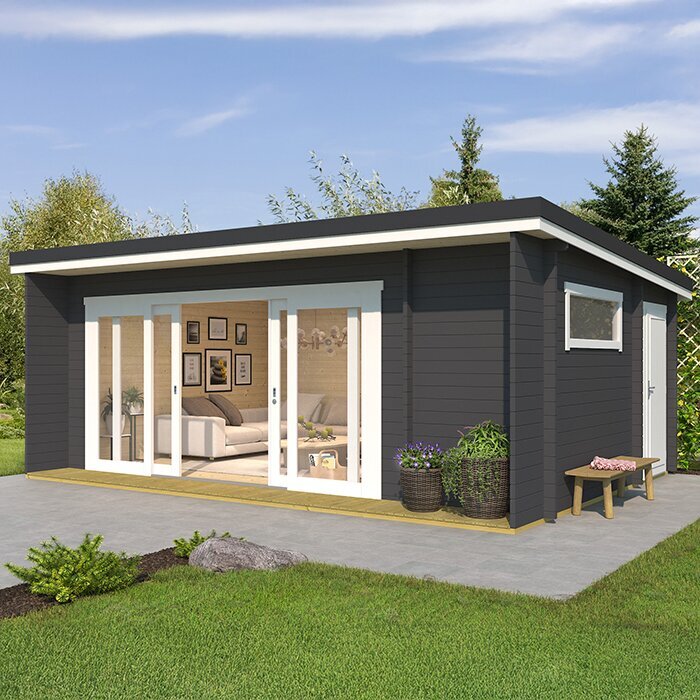
One building can sometimes provide space for both relaxing and storage, but the two roles compete for the same floor area. Shelving, boxes and equipment take up room and can make a sitting area feel crowded; furniture can make frequently used tools harder to reach. Decide which use has priority, then work out how much area the other one needs. If the building only fits both on paper, with no clear route or practical access, it may disappoint in everyday use. Think about how the room should feel when it is in leisure use as well as how it functions when equipment is being put away. A clear boundary between the two areas can make a mixed-use arrangement easier to maintain.
A useful compromise may be to store only a limited number of smaller items in the summer house and keep bulky or frequently used equipment elsewhere. Alternatively, compare the total space needed for a dedicated shed and a place to sit with the compromises of one mixed-use room. There is no single answer for every garden: the amount and type of storage, the activities planned and the available footprint all matter. Make the division explicit before buying, so that the room does not gradually become storage when you intended it for leisure.
Use a shortlist that reflects your real priorities
Before comparing models, write down the main purpose, the belongings or furniture that must fit, and the features you consider essential. Separate those requirements from preferences that would be welcome but are not necessary. Then compare each candidate against the same questions: does the layout support the main activity, can the largest items pass through the openings, and is the stated protection and upkeep suitable? A short, consistent list makes it easier to see whether you are comparing like with like, rather than being distracted by a single attractive feature. Include reasons for rejecting an option as well as reasons for keeping it on the shortlist. This makes the final choice easier to review when several buildings seem similar at first glance.
Before placing an order, confirm the exact model, its dimensions and openings, the contents of the package and the site preparation required. Check delivery and assembly arrangements for your property, and read the ordering terms so you understand what has been agreed. If any detail is unclear or central to your choice, resolve it before purchase. A photograph or broad category label is useful for browsing, but neither replaces the written information for the individual building you intend to buy.
Frequently asked questions
Are a summer house and a storage shed interchangeable terms?
They can be used loosely, but they usually describe different main purposes: spending time in the garden or storing belongings. Check the individual building’s layout and specification rather than assuming that its name tells you what it can do.
Can I store garden equipment in a summer house?
Yes, if the space, access and stated protection suit the equipment. Measure larger items and consider whether storing them will take room away from seating or hobbies. Check any security and weather-protection details for the specific building.
Can I use a storage shed as a place to sit?
Only if its design and documented features suit that use. A shed’s name does not confirm that it has the layout, openings or finish you want for spending time inside, so check the details before buying.
Which type is better for a small garden?
Neither type is automatically smaller. Compare the outside footprint, usable interior space, door opening and clearance needed to get in and out. The best fit depends on both the plot and what you need the building to hold or accommodate.
What should I check before ordering?
Confirm the model’s dimensions and openings, what is included, how it must be maintained and what site preparation it requires. Also check that access and delivery arrangements suit your property, and read the ordering terms.
When the main purpose is clear, the choice becomes easier: a place to spend time points towards a summer house, while a dedicated home for equipment points towards a storage shed. If both functions matter, compare the space and cost of a combined arrangement with the compromises of sharing one interior. The right choice is the building whose confirmed layout, access and upkeep suit the way you will actually use it.
