
Summer House Privacy Without Losing Natural Light
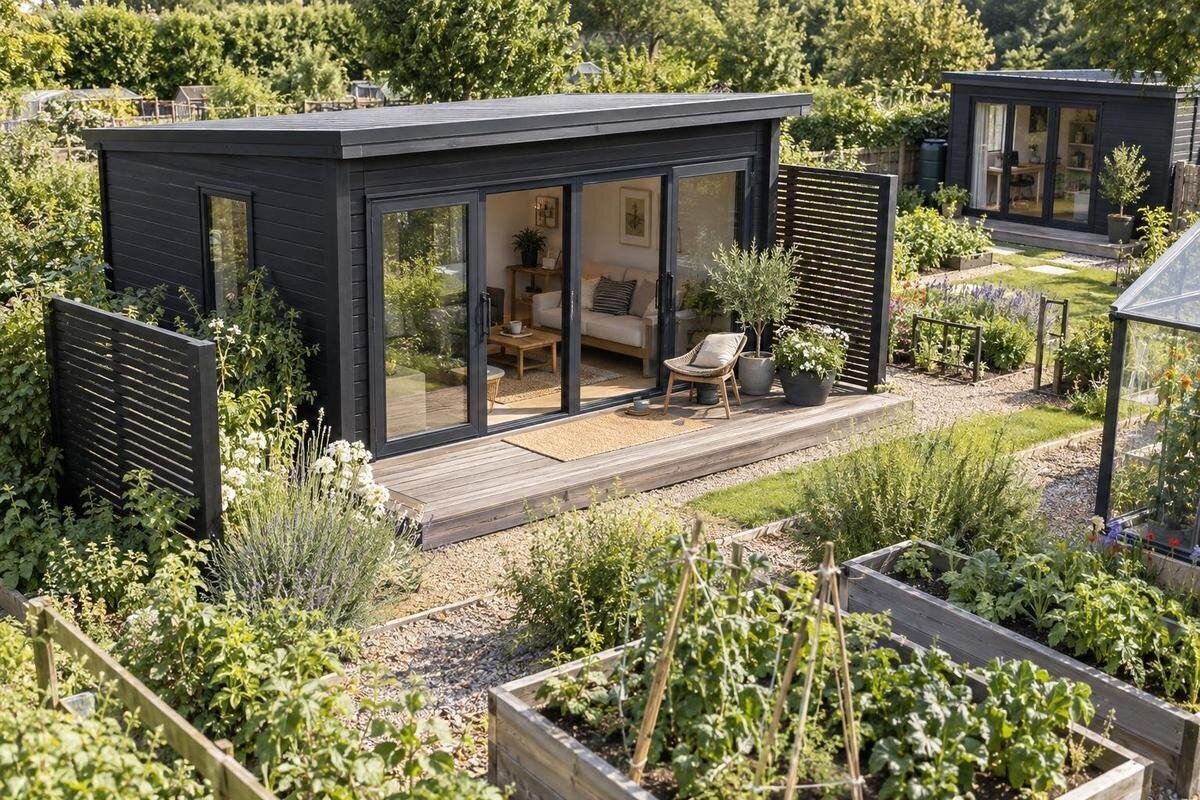
Summer house planning
A summer house can feel secluded without making every window seem shut off. The useful distinction is between the views that expose the room and the daylight or garden outlook you want to retain. Start by mapping sightlines at the planned position, then consider window layout, indoor treatments, outdoor screening and furniture as parts of one decision. A dense hedge or closed blind may solve a direct view but also shade the interior or hide the garden. The right balance depends on where the house sits, how you use it and whether you need privacy by day, after dark or both. This guide covers choices to settle before you select and order a model.
Before you buy 1
Map the sightlines before choosing a screen
Look at the room from the places where you will actually spend time: seated at a table, on a sofa, standing near a work surface and just inside the door. From each position, note any direct view from neighbouring windows, a shared path, a garden entrance or a frequently used part of the garden. Then reverse the test: stand outside at those points and check what is visible through the proposed openings. A view into one chair is a more precise problem than a general feeling that the whole building is exposed, and may need a much smaller screen.
Repeat the check at different times of day. Foliage, sunlight and the contrast between indoors and outdoors can make a view hard to judge on a single visit; after sunset, interior lighting changes the balance again. Record the exposed angle, rather than relying on a catalogue photograph or a midday walk-through. A sketch showing the footprint, windows, neighbouring views and routes through the garden gives you something concrete to compare with product drawings. If possible, ask someone to sit inside while you move around outside. Keep the views you want to protect separate from the outlook you would like to preserve.
Choose the position with daylight in mind
Before choosing blinds or planting, compare possible positions for the summer house. A shift within the garden can change whether a window faces a neighbour, a path or a more private view; it can also move the building into shade from a fence, tree or nearby structure. On a rough plan, note boundaries, existing vegetation, routes and the sides that receive daylight at the hours you expect to use the room. Do not assume that the sunniest-looking corner stays bright all day, or that the most secluded position is the only workable one. Access, the available footprint and space for maintenance may narrow your options.
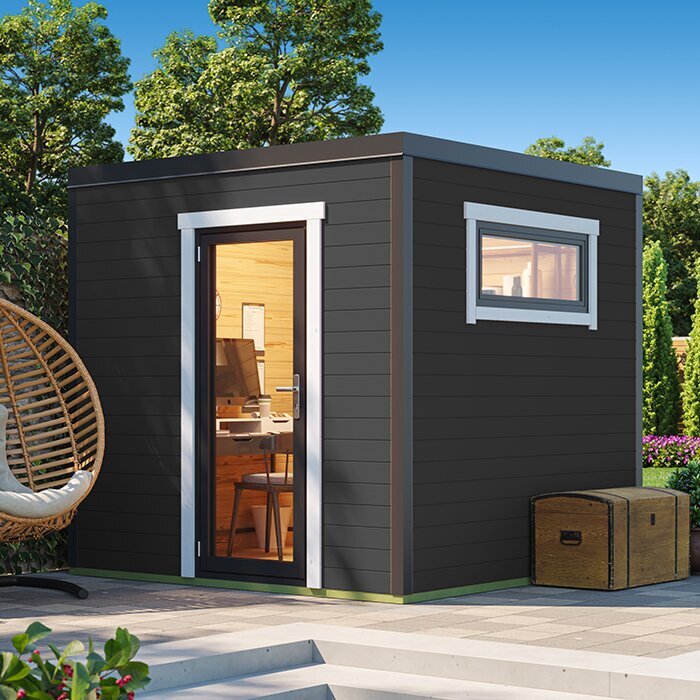
Mark the approximate footprint with string or temporary markers, and label each proposed opening before ordering. For a candidate such as the Verdana 1 listing, use the exact drawing or measurements supplied for the version you are considering; do not infer window positions from a rendered image. Walk past the marked footprint from the usual approach, then check it from seating and standing spots elsewhere in the garden. Leave room to reach the building and maintain any screen or planting. If your plan depends on adding a tall panel, moving a fence or changing a window, find out what applies to your site and ask the supplier before committing.
Before you buy 2
Compare window positions, not just the amount of glass
Window area alone does not tell you whether a room will feel bright or private. An opening facing an exposed boundary may admit plenty of light and still reveal the interior, while a window on another side may bring a useful view with less direct exposure. The height, width and position of each glazed section affect both the view from inside and the view back in. Compare actual elevations from likely eye level rather than judging a façade image; a higher opening changes the viewing angle, but a drawing or site check is needed to see what it reveals. Consider how much wall space you need for seating and storage, too.
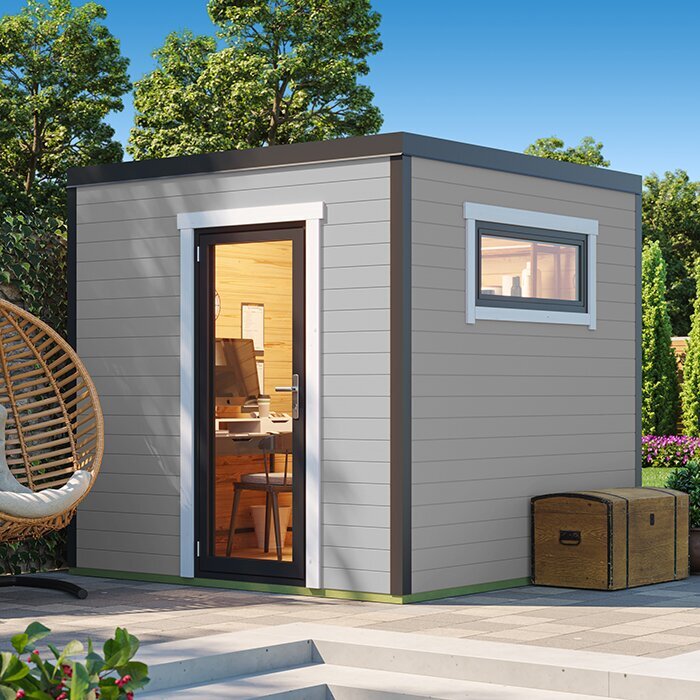
Ask for the exact layout associated with the model and variant you intend to order, including dimensions and how each opening operates. If that information is unclear on the product page, request it from the retailer in writing. When considering the Verdana 2 model page, compare its confirmed arrangement with your sightline sketch and furniture plan, not with a general impression such as ‘lots of glass’. Check whether the layout can be changed or whether it refers to one fixed design. A photograph may show one setup, so do not assume every version shares it. Knowing what will arrive helps you plan blinds, screens and seating around the real openings.
Consider how daylight changes through the day
Natural light shifts with the time of day, season and shade from trees or nearby buildings. If you can, observe the proposed location in the morning, around midday and later in the day, noting where direct sun falls and which sides remain bright under cloud. This helps distinguish a window that brings useful general light from one that creates a strong patch or glare at the hours you use the house. It also avoids setting expectations based on a single sunny visit. If the summer house is not yet in place, use a site plan and the known surroundings rather than assuming that one compass direction will always be brightest.
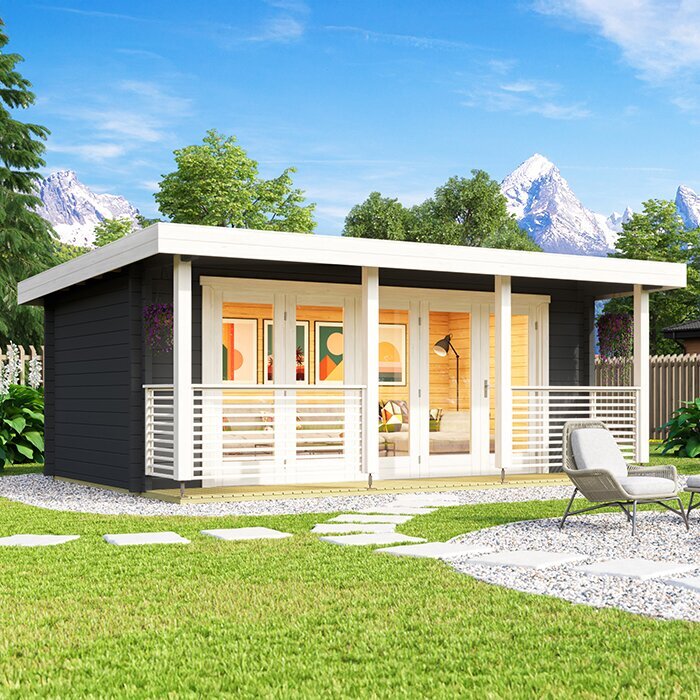
Where the site and chosen design allow it, openings on more than one side can make a room feel less dependent on a single exposed window. That does not make extra glass an automatic choice: the position and angle of each opening still matter, and individual windows can be screened selectively. For a candidate such as the Durano catalogue entry, use a product drawing, if available, to compare window positions with the sun and the views you want to keep; ask for a drawing if none is shown. Confirm the exact variant and any orientation options with the retailer. A lifestyle image does not establish how the building will face on your plot.
Before you buy 3
Choose window coverings for the times you need privacy
Interior treatments let you cover only the window, or part of it. A sheer or translucent blind can soften a view while allowing some daylight through, but may not conceal people or furnishings when the room is lit after dark. A close-fitting opaque blind or curtain gives a clearer visual barrier when drawn, at the cost of blocking the covered glass. If the concern is a neighbour looking towards a seated person, covering the lower part of an opening may be enough; if the view comes from higher ground, the same arrangement may not help. Match the coverage to the sightline you recorded rather than covering every window by default.
Before buying fabric or deciding where a blind will sit, confirm each window’s measurements, opening direction and frame details. Check that the treatment can be fitted without obstructing the opening. For the Veltor 1 product page, use only the dimensions and arrangement confirmed for the version you are ordering; if they are unclear, ask rather than choosing from a photograph. Test a sample from inside and outside, in daylight and with the room lit at night. This shows whether the material admits the amount of light you want and whether people can see through it. Also check how much outlook remains when the covering is closed.
Use outdoor screening without overshadowing windows
Outdoor screening can interrupt a view without putting a covering over the glass, but its position is decisive. A panel, trellis or group of shrubs can block one direct angle while leaving sky and garden visible elsewhere. Place it between the exposed viewpoint and the part of the room you want to shield, rather than automatically in front of the window. A tall, solid screen may cast a larger shadow than an open one, while a hedge can change shape and density as it grows. Check the effect at different times of day, and allow for pruning or access so the privacy measure remains practical to maintain.
Keep a proposed screen independent of the summer-house shell unless the manufacturer confirms an attachment is suitable; do not assume that a panel, trellis or climbing plant can be fixed to the building. For Orello’s catalogue listing, mark the confirmed window positions on your plan, then draw in any outside screen and check what it would block. Ask whether a screen shown in a sales image is included in the order or simply part of the setting, and confirm the dimensions and fixing requirements for any separate item. Before choosing a hedge or panel near a boundary, check the practical limits of your site and any relevant local requirements.
Before you buy 4
Check the view through the entrance
An entrance can create a direct view into the room whenever someone approaches or opens the door. Stand on the route from the garden and consider what a visitor sees through the opening, as well as what a neighbour might see when the door is left open. If the entrance faces an exposed direction, a staggered route, a small freestanding screen or a change in seating position may interrupt the view without covering a window. Keep the way to the door usable, and avoid putting a screen where it narrows the route or makes the entrance awkward. Privacy should not make coming and going difficult.
Check door and window positions on the exact drawing before planning an internal partition or outdoor panel. For the Modano product page, compare the confirmed openings with your approach route and note which way each door opens; ask the retailer if this is not stated. A screen that works beside one layout could block access or daylight in another, so do not base the arrangement on a catalogue image alone. If the doorway is an important source of light, consider a treatment or screen that can be moved aside when the room is in use. The aim is to control the view at the entrance while leaving a clear route into the house.
Arrange furniture without masking windows
Furniture can provide privacy without changing the building, particularly when the unwanted view concerns one seat or activity. Turn a chair slightly away from an exposed window, place a low storage unit between a seating area and the view, or put taller storage on an internal wall rather than in front of the glass. These small choices can reduce the sense of being on display while leaving other areas open to daylight. Avoid filling the window wall before you have tested the room: furniture that blocks opening panels or creates a dark corner can undermine both light and everyday use.
Sketch the furniture to scale against the confirmed internal dimensions, including space to open doors and windows and move around. For the Veltor 2 listing, compare the written plan for the precise version with a simple arrangement of your table, chairs and storage; do not assume a photographed interior reflects the usable layout or includes the items shown. If you need a freestanding screen beside a chair, mark its position and check that it will not shade another window. Planning before purchase can prevent you from relying on a full-time blind simply because the seating ends up directly in the line of sight.
Before you buy 5
Review privacy in every season and after dark
Privacy changes with the garden as well as the building. A deciduous hedge or tree may provide more screening in leaf than in winter; evergreen planting can remain dense but may cast shade throughout the year. The sun’s angle also changes, affecting which window feels bright and which is more visible from outside. Consider evenings separately: a treatment that makes a room difficult to see into in daylight may offer less privacy when the interior is illuminated. If you expect to use the house after dark, plan for a closable layer where needed rather than relying only on a daytime screen or translucent material.
Try a temporary mock-up before paying for permanent planting or panels: mark the proposed screen position and check the view from inside and outside. Repeat at different times, and think about how nearby foliage will look when bare. For the Veltor 3 catalogue page, base your plan on the confirmed window layout and your actual site, not the model name or a staged image. Ask about requirements for the selected version before adding film or blinds. A short trial can reveal an unwanted shadow or overlooked sightline while changes are still simple, and it gives you a better basis for deciding whether the answer is a treatment, a screen or a different position.
Confirm the specification before placing an order
Before ordering, make a written list of the details that determine the balance you want: exact model and variant, window positions and sizes, opening method, glazing description and any options that affect the openings. Confirm what is included, what is optional and what is simply shown in a photograph. If privacy depends on fitting blinds, film or an exterior panel, check compatibility and fixing arrangements with the retailer or manufacturer first. Where product information is incomplete, request a drawing and clear written answers rather than assuming two similarly named versions have the same layout. Keep the information with your order documents so you can compare what arrives with what you selected.
Compare candidate houses against the same site sketch and intended use: the views you need to block, the daylight you want to keep, the route to the entrance and the furniture you plan to use. If comparing costs, ask for separate figures for the house and any additional treatments, planting, screens or fitting; do not assume they are included. This makes the trade-offs clearer than treating larger windows or a heavier screen as automatic improvements. If a model does not offer the arrangement you need, reconsider the site or plan an independent screen rather than assuming structural changes will be straightforward. Ask the supplier before altering a window or the building, and seek suitably qualified advice for structural or installation questions.
Frequently asked questions
Will a sheer curtain keep a summer house private after dark?
Not necessarily. A sheer fabric may soften views in daylight but reveal more when the room is lit and it is darker outside. Check from outside with the interior lights on, and use a covering that closes fully if evening privacy matters.
Can privacy film preserve natural light?
Some films diffuse light while obscuring a view, but the effect on brightness, colour and outlook depends on the film and window. Daytime privacy may not continue after dark. Check compatibility with the glazing and test a sample before covering the glass.
Are plants better than blinds for screening a summer house?
Neither suits every garden. Planting can interrupt a view without covering a window, but growth, seasonal gaps, shade and upkeep matter. Blinds offer adjustable coverage, yet reduce light while closed. Choose according to the sightline and the times you need privacy.
Should I choose the largest windows available for more daylight?
Not automatically. Window position, orientation and nearby shade affect the light, while a large opening may leave the room more exposed. Compare confirmed layouts with your site plan, furniture and need for privacy after dark before deciding.
How can I test privacy before ordering?
Mark the proposed footprint and window positions, then check views from your main seating spots and likely outside sightlines. Repeat at different times and after dark if relevant. Use drawings for the exact version you are considering, and check that screening will not block wanted light.
Good summer-house privacy is usually a matter of screening exposed angles, not closing every opening. By testing sightlines at the proposed location, checking the exact window layout and considering daylight, furniture and evening use together, you can choose a setup that feels sheltered without cutting off the garden. Temporary markers and written product details are useful before ordering; planting, coverings or screens can then be placed only where they solve a real problem. The result should suit both the plot and the way you want to spend time in the room.
