
A Reading Room in Your Summer House: Seating, Lighting and Comfort
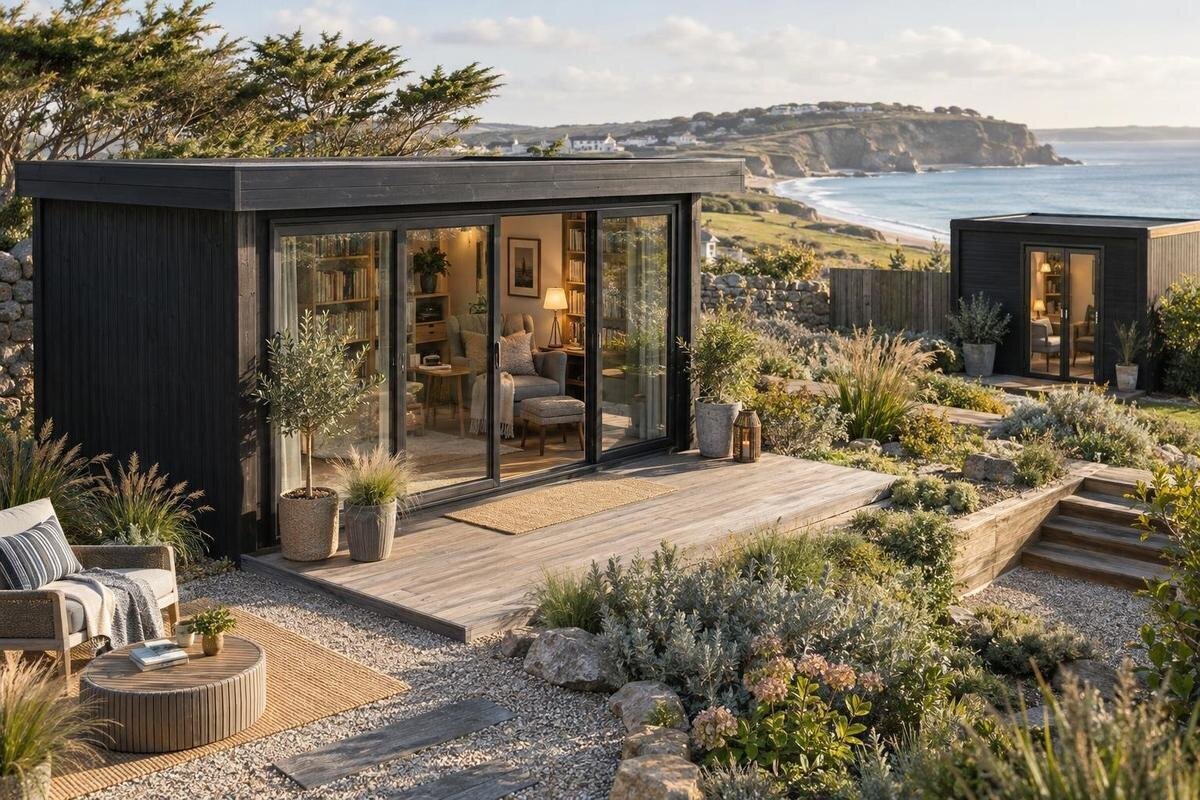
Summer house planning
An inviting reading room depends on a summer house that fits the way you read, not on a long list of accessories. Decide where the quietest, most usable spot is, then check the building’s actual layout, daylight and openings before ordering. A comfortable chair, a lamp you can position without glare and somewhere for books matter just as much as the building itself. This guide brings those choices together and helps you keep expectations about seasonal comfort realistic.
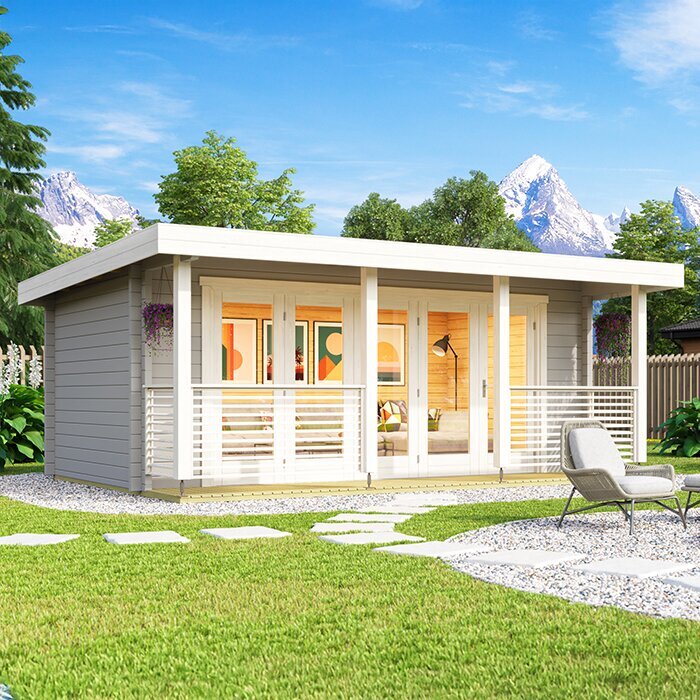
Choose a quiet, practical position
An inviting reading room starts with the position of the summer house, not with a particular chair. Visit the proposed spot at the times you are most likely to read. Notice traffic, neighbouring activity, garden equipment and household noise; consider what the seat would face and whether passers-by would look straight in. A pleasant view can help a space feel settled, but the quietest usable corner may matter more. Sunlight changes during the day, so note when it reaches the likely chair and whether it could cause glare on a page or make the room feel uncomfortably warm. A quick visit at midday will not show every condition, so check more than once if your schedule allows.
Check the route from the house and garden, including the space needed to carry furniture through the entrance. A narrow approach can complicate delivery and furnishing even when a building seems suitable on paper. Leave room around the chosen position for planting, fences and routine access, then decide where a coat, shoes or bag can go without taking over the reading corner. For an initial comparison, see the Garden House Verdana 1 listing and use only the details or drawings it actually provides. A styled image or model name is not evidence that your proposed seat will fit. Mark the intended footprint temporarily on the ground, then compare it with the paths and other features around the site.
Measure the usable interior
Floor area alone does not tell you whether an armchair, side table and book storage will fit comfortably. Use the stated internal measurements rather than relying only on external dimensions, and check whether the product information shows the entrance, windows and any internal obstructions. Wall thickness and door position affect the usable layout and the wall space left for furniture. If interior measurements or a plan are not provided, ask for them; do not calculate usable space from a photograph. Include any low roof edge or sloping area if it could affect where you sit or place a shelf.
Draw a simple plan using the measurements of the furniture you already own or intend to buy. Mark the chair, any footstool, table and book storage, then show the door opening and the route from the entrance. Include room to sit down, stand up and reach the lamp, rather than drawing furniture tightly together. A quick trial with masking tape on a floor at home can reveal whether a favourite seat is too deep or a bookcase narrows the walkway. Compare the drawing with the stated information for the Garden House Verdana 2 listing as one candidate, using the same method for every option. This keeps the comparison focused on usable space, not appearance.
Use daylight without losing privacy
Daylight can make the room pleasant to use without switching on a lamp, but the brightest position is not always best for a book. Direct sun can create reflections or sharp contrast; a window behind the reader may cast a shadow over a page, while one in the line of sight may feel too bright. These effects depend on the particular opening, time and seat, so observe the proposed site rather than relying on a product photograph. Think about privacy too: the direction of the door, nearby paths and surrounding garden features may affect how much screening you want.
Before ordering, check the stated position and type of openings against your preferred seat. For example, with the Durano garden house listing, use the details provided on the page; do not infer the glazing or a particular view from a marketing image. If you plan to add a blind or curtain for privacy or glare, confirm the actual opening dimensions and whether any covering or fitting is included. A covering can soften the light but will also change how much daylight reaches the chair. Place the seat so you can adjust it without blocking a door, window or access route, and ask for missing measurements before making a final choice.
Choose seating around your reading habits
Think about how you usually read before choosing a chair. You may prefer an upright seat with arms, a more relaxed chair, or somewhere to put your feet up; comfort is personal, so try the furniture if you can. Sit as you would with a book and check whether the back and arms feel right for you. Cushions or a throw can add flexibility, but they cannot make an unsuitable chair a good fit. Consider how long you tend to stay and whether you want to keep a small side table within easy reach.
The chair’s footprint matters as much as its style. A footstool can be welcome, but it takes space and should not become an obstacle between the entrance and the seat. Measure the full arrangement, including the space needed to move the chair or get up, before deciding how much interior room you need. When considering the Veltor 1 listing, treat it as one option to compare against your own furniture measurements and the stated interior information. Avoid choosing a building from an attractive exterior view alone if the seat you want cannot fit without making the room awkward to use.
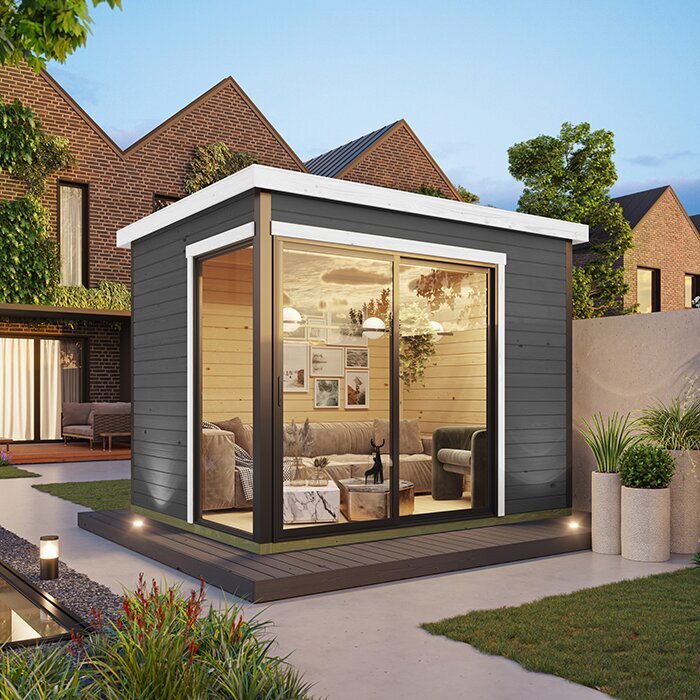
Plan reading light alongside ambient light
A reading corner usually needs more than general room light. Consider a focused lamp for the page and softer ambient light for arriving, choosing a book or moving around. The lamp should illuminate your reading position without shining into your eyes or making the page difficult to see; the exact placement depends on the chair, the lamp and the room. Think about whether a table lamp, floor lamp or another type would suit the layout, and check that it will not obstruct a walkway or have to be moved every time you open a door.
Decide how the lamp will be powered before you settle on a position. A portable option allows changes to the layout; a fixed fitting needs to be planned around the seat and the building’s electrical provision. For the Orello 1 listing, as with any option, check what the product information says and do not assume wiring, sockets or lights are included. If you want fixed electrical work, ask a qualified electrician about what is suitable for the particular building. Keeping the lamp position in your floor plan makes it easier to avoid placing the chair somewhere that only works if a cable crosses the route.
Allow space for books and everyday essentials
Decide where your books will go before furnishing the room. A small bookcase can keep favourites close, while a side table gives you somewhere for a book between visits and a drink or reading glasses while you settle in. Check the shelf depth and overall footprint against the available space, and keep the entrance and windows accessible. If you plan to store books in the summer house, consider whether the room’s conditions are suitable for them; do not assume every garden building will stay dry in every season.
Freestanding storage is easier to reposition, while wall-mounted shelves need suitable fixing points. Do not infer what a wall can support from its appearance: ask the supplier or installer how shelving should be attached to the particular building. The same applies if you want to add hooks for a bag or coat. Use the Modano 1 listing as a point of comparison only after checking its own stated layout and details. Keep the storage proportionate to the collection you want to keep there; a room crowded with books and accessories may leave less space for the chair that makes it a reading room.
Check seasonal comfort before buying
Be clear about when you expect to use the room. A summer house should not automatically be assumed to offer the same conditions as an insulated room in the home, and comfort will depend on the particular building and site. Check the available information on its construction, floor, roof, openings and ventilation. If a detail that matters to you is not stated, ask rather than guessing from the product name or a photograph. A rug, cushion or blanket can make a room feel more welcoming, but soft furnishings do not change the building’s thermal performance.
If you expect to read there in cooler weather, consider what level of comfort you need and whether the product is intended for that pattern of use. Check the details for the Veltor 2 listing in the same way you would for any other candidate, and ask the seller about points that are not clear. If you are considering fixed heating or electrical provision, seek advice from a qualified professional about what is appropriate for the specific building. This makes it easier to decide whether a seasonal reading room meets your expectations before you order, rather than relying on accessories to solve a building-level limitation.
Choose finishes that are easy to live with
A few well-chosen soft furnishings can make the room feel finished without filling every spare corner. A cushion, washable throw or small rug may suit the way you read, but check the rug against door clearance and the chair’s position before buying it. Curtains can provide privacy as well as alter the feel of the light, so consider both their practical role and the space they need. Keep the arrangement simple enough that you can get to the seat, window and book storage without moving several items first.
Check what the listing says about supplied finishes and included items before choosing accessories. Do not assume that a styled photograph shows the contents of the order: furniture, lamps, rugs and curtains may be separate. For the Veltor 3 listing, compare the stated details with the room you are planning rather than relying on the image alone. If you intend to paint, hang curtains or attach fittings, check the relevant manufacturer guidance or ask the supplier what is compatible with the building. That can prevent a finishing choice from conflicting with the surface or fixing options you actually receive.
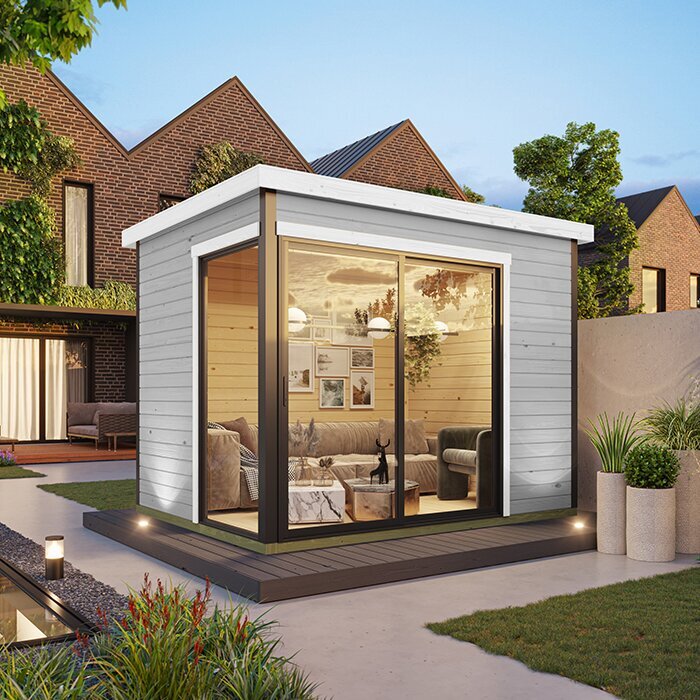
Confirm the site and delivery details
Before ordering, check the product information for the full dimensions, entrance position, stated contents and assembly requirements. Confirm what site preparation is needed for that particular model and follow the supplier’s instructions; do not assume a base or other components are included unless the listing says so. If anything about preparation is unclear, ask the supplier or installer before arranging work. Measure the route from the delivery point to the intended position, including gates, narrow turns and other access constraints, so you can judge whether the building and its components can reach the site.
Read the actual delivery and assembly terms, including who is responsible for unloading, putting the building together and dealing with packaging. Check the seller’s current ordering, payment, returns and damage-reporting terms before purchase rather than relying on assumptions about how these arrangements work. If you are unsure whether the building or its position needs approval, ask your local council or a qualified adviser about your particular site before ordering. A clear answer on access, preparation and responsibilities makes the choice easier to manage, and helps avoid discovering that an essential part of the plan was not included.
Test the complete layout before ordering
Bring the building measurements, furniture and lighting plan together for a final trial. Mark the chair, footstool, table and book storage on your drawing, then check the route from the entrance and how each door or window will open. If it is practical, mark the chair and table positions on a floor with tape and try sitting there with a book. Think through the routine: can you enter, put your things down, reach a lamp and choose a book without shifting the main furniture? This checks the room as a place to use, not just a collection of objects that fit on paper.
Make a shortlist by ranking what matters most: a quiet position, a comfortable seat, useful light, privacy or a particular pattern of seasonal use. Compare each candidate using its stated information, and note any unanswered question that could change your layout. If an important feature is not confirmed, ask before ordering or plan as though it is not included. A smaller arrangement that leaves the chair, light and route working together may be more inviting than filling the room with every accessory at once. Once the practical details line up, the reading corner can remain simple and easy to return to.
Frequently asked questions
How much space should I leave around a reading chair?
There is no single clearance that suits every chair and layout. Use the chair’s actual measurements, then account for any footstool, side table, door opening and a clear route through the room. A simple floor plan or a trial with masking tape can help you spot pinch points.
Is natural light enough for reading?
It may be useful during the day, but the amount and direction of daylight change with the position of the sun and the layout of the room. Plan for a reading lamp as well, and consider whether a curtain or blind would help with glare or privacy.
What type of chair works best in a garden reading room?
That depends on how you like to read and how much room is available. Try the chair if possible, and check that its back and arms suit you and that a footstool will not block the route. Measure the furniture rather than relying on a general description such as ‘compact’.
Should I choose a portable or fixed reading light?
A portable lamp is easier to reposition, while a fixed fitting needs to be planned for the chosen seat and the building. Check what electrical provision, if any, is included. Ask a qualified electrician about any fixed wiring rather than assuming it can be added in a particular way.
Can I use a summer house as a reading room all year?
That depends on the building, its specified construction, its openings and the conditions at your site. Check the information for the particular model and ask about its intended use; do not assume it will perform like an insulated room in the house. Seek qualified advice before planning fixed heating or electrical work.
A successful reading room is less about furnishing every corner than making one place easy to return to: a seat that suits your habits, useful light, a book within reach and a layout that stays calm. Choose a summer house whose verified dimensions, openings and intended use match that plan. Check the site, delivery and seasonal details before ordering, then keep the finishing touches proportionate. The result can be a quiet place to read in the garden rather than a storage room with a chair squeezed into it.
