
Traditional or Infrared Sauna: Which Experience Suits You?
Sauna buying guide
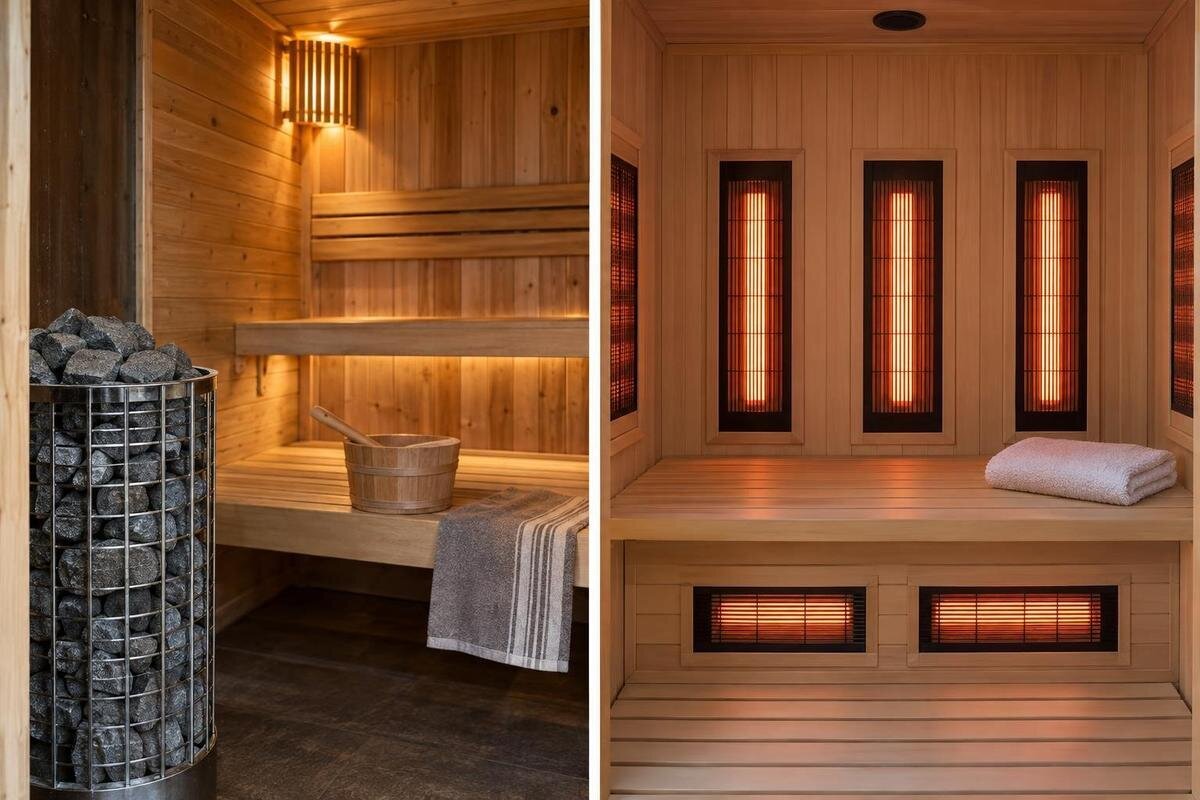
Traditional and infrared saunas create warmth differently, so choosing between them is less about a single ‘better’ temperature and more about the experience and equipment you want. A traditional sauna generally heats room air with a heater and stones; an infrared sauna relies on radiant emitters. That affects how warmth is felt, whether water use is part of the routine and what to check in the product details. The practical differences matter more than assuming every model in either category works the same way.
How traditional and infrared saunas create warmth
In a traditional sauna, a purpose-made heater warms the room air and, in many designs, a bed of sauna stones. Depending on the model, the heater may use electricity or wood. Warm air circulates through the enclosure while benches, walls and stones also absorb heat, so the room itself becomes part of the experience. Where the heater is designed for it, water added to hot stones can create a brief rise in humidity. ‘Traditional’ describes a broad heating approach, not one fuel, fixed air temperature, standard warm-up time or complete equipment package.
An infrared sauna uses radiant emitters as its primary heat source. Their output warms people and interior surfaces in its path; the air also warms, but heating the air is not the main way the system delivers warmth. That difference makes a room-air reading a poor one-to-one comparison between the two types. Emitter design and position, enclosure, controls and chosen settings vary, so the category alone cannot tell you exactly how a model will feel. A higher advertised temperature number, without context about the sensor and heat source, does not establish a stronger or more enjoyable experience.
The hot-room experience of a traditional sauna
In a traditional sauna, room air and warmed surfaces contribute together to the experience. The heater’s position, air movement, bench height and humidity affect how warmth is distributed; upper and lower seats may not feel identical. Room size and heater arrangement matter, so a description of another traditional sauna is not necessarily a useful stand-in for the one you are considering. Where the stones accept water, that creates a temporary humidity change and another part of the experience. Some users may choose not to use water at all.
This approach may appeal if you enjoy a hot-room atmosphere and want the option of adding water where the heater manufacturer allows it. Consider whether you like warmth surrounding the whole room, how much you value a humid or drier feel, and whether you will share the space. A traditional system is not automatically more intense or more comfortable; those judgements depend on the model and your preferences. If you can try one, notice how you respond to the warmed air, humidity and seating position rather than relying on a temperature figure alone.
How infrared warmth differs
With infrared, radiant output reaches people and surfaces in its path, while heating the room air is not the emitters’ primary job. The air can still warm, but the balance between radiant warmth and ambient heat differs from a traditional hot-air room. Emitter type and position, seat location and controls influence where warmth is felt. Check the manufacturer’s layout and instructions to understand the intended seating arrangement; a product photograph or the word ‘infrared’ alone cannot explain how a particular model will feel.
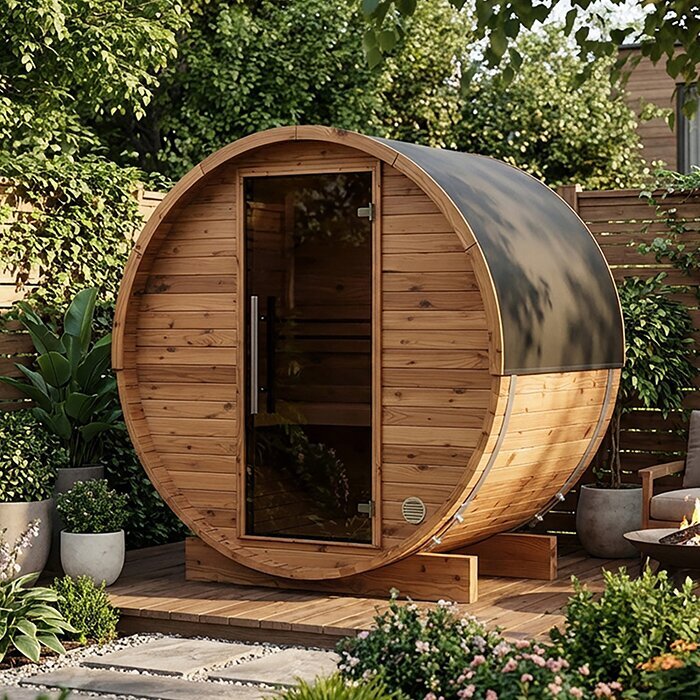
When comparing infrared models, ask how the emitter arrangement serves each intended seating position. Can occupants choose different settings, or does one control operate the whole system? Does the manual specify a particular sitting position? These questions help distinguish the experience from simply being in a room of warm air. Do not assume that infrared automatically means a shorter warm-up, lower running cost or a particular temperature. The store listings supplied for this guide identify thermowood barrel saunas, including the N-210 thermowood barrel sauna, but do not establish infrared or hybrid equipment. They therefore provide a separate product enquiry route, not verified infrared alternatives. If infrared is your preference, you will need documentation for an actual infrared model before making a like-for-like comparison. Keep the heating system separate from the enclosure’s material or shape when drawing up your shortlist.
Heaters, emitters and controls
The equipment helps explain the difference. A traditional set-up centres on a sauna heater and, where applicable, stones; depending on the model, a controller, sensor or other controls may also be part of the package. Infrared models use emitters and a control system designed for those components. Some products may be sold with equipment separately, so a headline product title is not a reliable inventory. Identify the heat source and find out which controls and other essential parts are included in the configuration you intend to order.
When enquiring about the N-250 sauna configuration, ask for an itemised equipment list rather than relying on a photograph of a finished sauna. Separate the enclosure and benches from the heat source, controls, sensors and any accessories required for operation. Then identify which items arrive together and who supplies anything excluded. Controls deserve their own comparison: where are they operated, which settings can users change, and what does the manual say about starting and stopping the system? A display showing a temperature is not necessarily measuring the same thing in two different designs. Ask where the sensor sits and what the displayed value represents. This makes the comparison useful without assuming that a more elaborate control panel produces a better experience. It also helps you distinguish essential equipment from optional conveniences when assessing the complete purchase.
Water, humidity and routine care
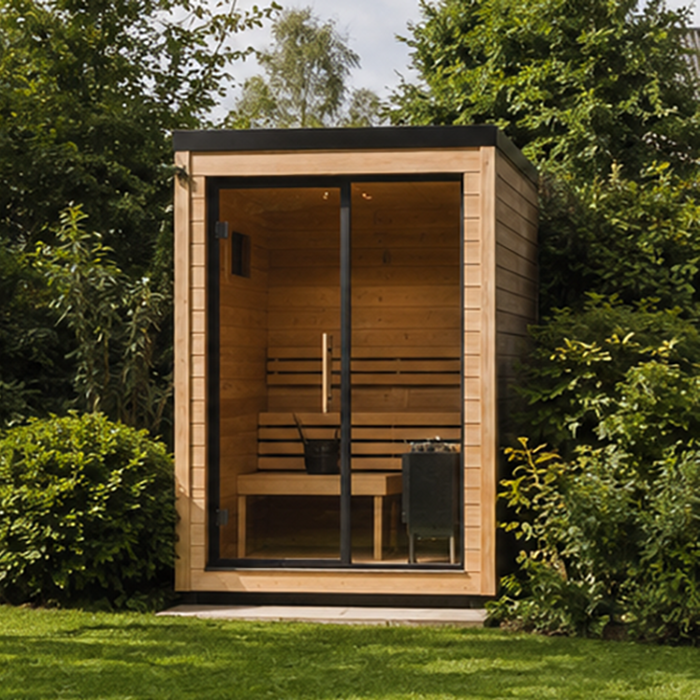
Water use is one of the clearest routine differences to check, but it is not guaranteed by the word ‘traditional’. Pouring water onto stones is appropriate only when the exact heater and its instructions permit it; follow the manufacturer’s directions. Infrared emitters are not sauna stones, so never pour water on a panel or heater unless the manufacturer explicitly says that the specific product supports it. If a water-on-stones routine matters to you, confirm that the relevant heater is included and that this use is allowed.
Routine care is worth comparing alongside water use. Read how each manufacturer expects the benches and other surfaces to be cleaned and dried after use, and which parts need periodic inspection. For a stone heater, look for instructions covering the condition and arrangement of the stones; for infrared equipment, look for guidance on emitter covers and nearby surfaces. Do not assume that a cleaner suitable for timber is also suitable for electrical components. When considering the LC-260 sauna equipment details, request the care instructions for the heating package being offered. Think about the practical routine too: where towels will go afterwards, how the space will be aired as instructed, and how you will reach surfaces for cleaning. The important distinction is the work required by the actual components, rather than a general claim that one sauna type is maintenance-free.
Warm-up time and running costs
Neither heating method is always faster to get ready. A traditional system has to heat the room and its heater, while an infrared system has to bring its emitters and enclosure to the conditions you want. Size, insulation, heater output, starting conditions and controls all affect the result. There is also a difference between the air reaching a reading and the overall experience feeling ready. Compare model-specific information under similar conditions rather than treating a general claim about one sauna type as a guarantee.
For a meaningful running-cost comparison, define the same pattern of use for both candidates: how often you expect to use them, how many people will share each use, and whether the equipment stays on between users. Separate preparation time from occupied time. An electrical input rating describes equipment demand, not necessarily the energy consumed throughout every period of operation, particularly where controls cycle the heat source. Ask for the assumptions behind any consumption estimate. For the HCF-300 sauna specification enquiry, request the heating configuration and its stated input before attempting a comparison. Use your own tariff rather than an advertised example, and compare wood-fired equipment using its relevant fuel costs. Purchase costs and running costs are separate questions: neither can be settled by the words ‘traditional’ or ‘infrared’. Any electrical supply assessment should be left to an appropriately qualified electrician.
Room layout and seating
The heating method does not tell you how many people can sit comfortably. Compare internal dimensions, bench layout, headroom and the positions people will occupy. In a traditional sauna, bench height and the heater’s position affect the experience; with infrared, the arrangement of seats relative to the emitters matters. A floor-area figure or a product photograph cannot show whether everyone has the posture and space they want. Check the manufacturer’s drawing and distinguish usable internal space from the overall footprint.
A seating comparison should reflect how you actually want to use the sauna. Sitting upright together, stretching out alone and changing position all make different demands on a bench. Ask for bench lengths and depths rather than treating a quoted capacity as a promise of comfort for every posture. With infrared, check how those positions relate to the emitters; with traditional heating, consider the available bench levels and the position of the heater. The HCF-225 sauna layout enquiry is a starting point for requesting a current drawing, not a substitute for one. Mark the intended seating positions on that drawing and examine how people enter, sit down and leave without obstructing each other. This keeps the focus on usable seating and its relationship to the heat source, rather than on external size or whether you prefer the appearance of a particular enclosure.
Installation and site requirements
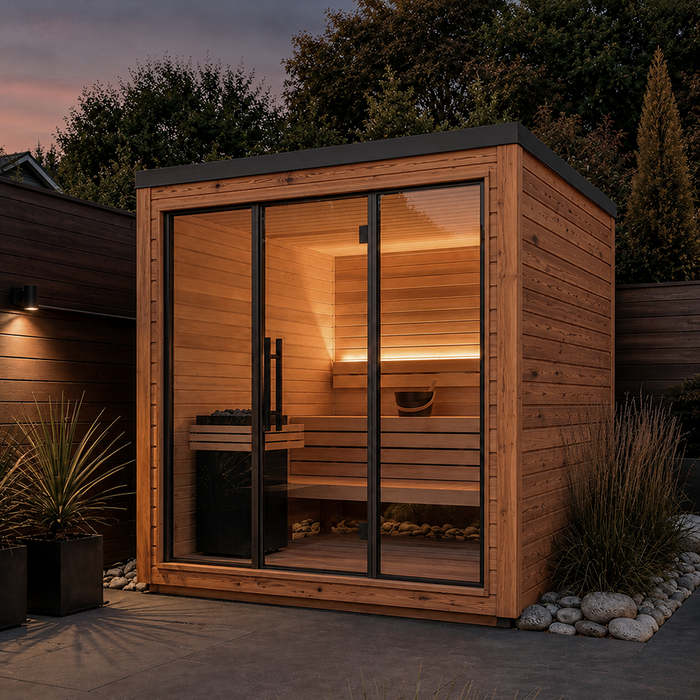
Installation requirements depend on the complete model and its heater, not just on whether a sauna is traditional or infrared. Electric and wood-fired traditional systems have different equipment and service needs; infrared equipment has its own electrical requirements. Ventilation, clearances, support, permitted location and commissioning also vary by product. Check whether the manufacturer allows the specific model in your intended setting, and confirm what services and preparation are needed before choosing a configuration.
Before committing to the S-140 sauna model, establish who will supply the site-specific installation information and who will carry out the relevant work. Give the installer the complete equipment specification, not just the enclosure’s model name. A change of heater can alter the assessment, so agree the heating configuration before commissioning site preparation. For electrical equipment, a qualified electrician should assess the proposed supply and connection requirements. Wood-fired equipment needs professional assessment of the applicable combustion and flue arrangements; it is not simply an alternative heater to place in the same spot. Also ask how controls, serviceable parts and ventilation provisions remain accessible once the sauna is installed. These are planning questions, not installation instructions. Keeping responsibility clear helps prevent a situation in which the enclosure has been selected but the equipment cannot be accommodated as intended.
What to compare in product documentation
A useful comparison records facts for each complete model, not just its category. Note the heater or emitter type, the equipment and controls included, the manufacturer’s operating instructions, stated input, dimensions and any relevant installation requirements. Check what is optional, what must be sourced separately and whether the information refers to the exact configuration you would buy. If an important detail is missing or contradictory, mark it as unconfirmed rather than filling the gap with an assumption.
Keep a short comparison sheet with separate columns for the enclosure, heating equipment, controls, operating routine and installation responsibilities. Against each entry, record whether the information comes from a product listing, a manual or a written response about your selected package. For the HC-150 sauna product listing, the next useful document is the matching equipment schedule or manual, rather than another general description of traditional heating. Check that model references agree across the quotation and supporting documents, especially if several heater options are available. Resolve differences before treating a feature as included. A blank entry is useful: it identifies a specific question to ask. By contrast, copying a feature from a similar-looking model can make the comparison appear complete while concealing a real uncertainty. Keep optional accessories separate so they do not obscure the essentials needed for the experience you want.
Choosing the experience that fits your routine
A traditional sauna may be the closer match if you want a room heated by a sauna heater, enjoy the hot-air atmosphere and value water on stones where the exact heater permits it. Infrared may be worth researching if you prefer radiant warmth from emitters and are comfortable with the way that specific model is designed to heat its occupants and enclosure. Neither type is automatically simpler, cheaper or more comfortable. Include your preferred routine, the equipment you want to operate and the practical requirements of your site in the decision.
If you can try both types, note what you liked about each: the surrounding warm air, the feel of radiant warmth, the seating position, the controls or the permitted water routine. Avoid turning one visit into a judgement about every model in that category. For shared use, compare preferences with the other regular users; a feature that matters to one person may be irrelevant to another. The HC-225 sauna enquiry page offers a route to ask about that particular model once you know which features matter to you. Your shortlist should distinguish essential preferences from conveniences. If water on stones is central to your choice, it is an essential requirement to confirm; if a particular control style is merely convenient, it may not decide the purchase. This gives the comparison a clear purpose without declaring either heating method universally superior.
Frequently asked questions
Does a traditional sauna feel hotter than an infrared sauna?
There is no simple comparison based on one temperature reading. A traditional sauna heats the room air, while infrared relies mainly on radiant emitters. The model, settings and your own comfort all matter; compare the specific instructions and, if possible, experience both types.
Can I pour water on an infrared sauna?
Only if the manufacturer’s instructions for that exact model explicitly allow it. Infrared emitters are not sauna stones, so do not assume they can be splashed. Water use on a traditional heater is also subject to its own instructions.
Is an infrared sauna cheaper to run?
There is no universal winner. Running costs depend on the equipment’s energy use, how long and often it operates, the enclosure and your energy tariff. Compare the exact models and stated ratings rather than relying on claims about a whole category.
Do traditional saunas always use electric heaters?
No. Depending on the model, a traditional sauna may use an electric or wood-fired heater. The equipment, services and installation requirements differ, so check the exact product configuration and manufacturer’s instructions.
Can infrared emitters be added to a traditional sauna later?
Do not assume a retrofit will work. The sauna’s construction, controls, electrical supply and installation requirements may not suit different equipment. Ask the manufacturer and a qualified professional to assess the specific model before planning any change.
Neither label should make the decision for you. If you want a heated room with stones and optional water use, compare traditional configurations; if radiant output from emitters appeals to you, research the exact infrared model and its instructions. Then check the equipment, operating information and site requirements for each candidate. When a product page leaves the heating system unclear, treat that as an unanswered question rather than assuming the model matches the experience you want.
