
Using an Outdoor Hot Tub in Winter: What to Prepare
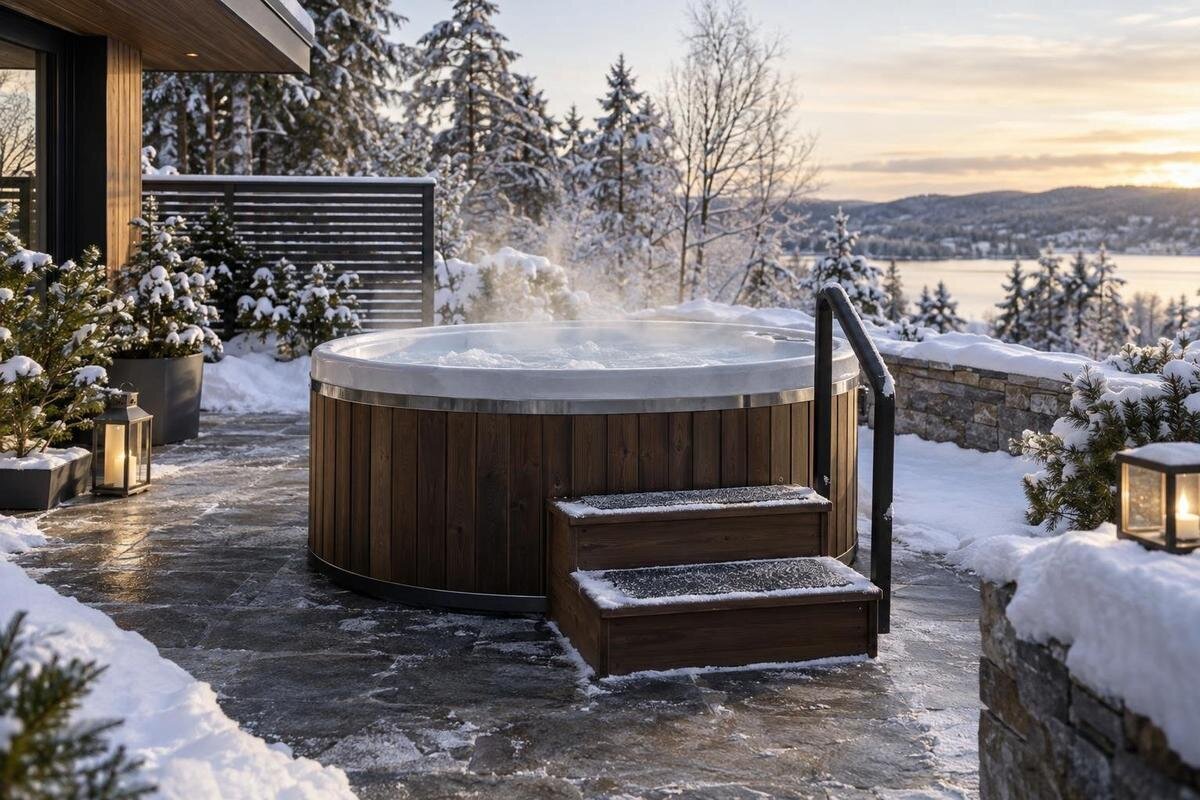
Winter hot tub use
Using an outdoor hot tub in winter calls for more than checking whether the water is ready. Cold, wet or icy weather can affect the walk to the tub, the return indoors and how you operate and care for the exact model. A practical plan covers the local forecast, a clear route, dry clothing and the manufacturer’s instructions for before, during and after use. It also leaves room to postpone if conditions change.
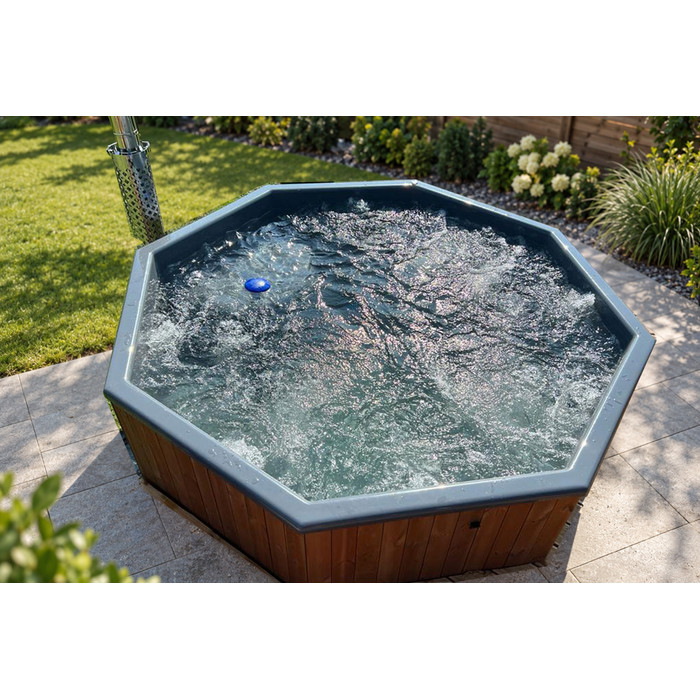
Before you buy 1
Check the local forecast against your model’s guidance
Check the local forecast for the whole period you expect to be outside, rather than relying on a broad regional outlook. Review conditions when planning the session and again shortly beforehand: temperature, wind, rain, snow and ice can affect both comfort and access. A sheltered corner may feel different from an exposed part of the garden, but it does not change the tub’s stated operating limits. Note any local weather warnings and consider what the return route will be like if conditions worsen. If conditions are uncertain or deteriorating, postponing should remain a straightforward option, not a last-minute scramble. Pay particular attention to freezing conditions and poor visibility, which may affect the route as well as use.
Use the forecast to check the manufacturer’s instructions for the precise model and configuration. Look for any stated outdoor operating conditions, cold-weather protection requirements and directions for conditions outside the stated range. If the manual does not answer these points, ask the manufacturer or seller rather than filling gaps with general advice. Instructions for another hot tub may not apply, even where the controls or product names look familiar. If you are comparing options, record Bloomcabin hot tub Cove 2 as an exact candidate and request its current documentation; the catalogue identity alone does not establish winter suitability. Keep the answer with your session plan so everyone knows whether the forecast is within the model’s guidance and what to ask if operation is interrupted.
Prepare a clear route to and from the tub
Walk the full route from the house to the tub and back, including the return when you may be wet and carrying a towel. Clear leaves, standing water, snow and other loose clutter, and notice changes in level, narrow points, thresholds and steps. Wet or frosty surfaces can be slippery, so choose a stable, direct route instead of relying on a shortcut across the lawn. Think about where water from feet or towels will end up, so it does not leave another slick patch by the doorway. Check the path in daylight and under the conditions in which you are likely to use it.
Look for obstacles that are easy to miss in the dark: a gate that sticks, a low step, a hose or a door that is awkward to open while carrying a robe. Use suitable existing lighting to make the route visible; if lighting, drainage or surface changes are needed, ask an appropriate professional rather than improvising around the tub. When comparing models, consider how their documented placement requirements would affect this route. For Bloomcabin Hot Tub Haven 6, check the installation information before deciding where it could go. Mark the proposed position and consider the space needed for access, entry and any cover handling described by the manufacturer. Walk the route with those areas in mind, rather than judging it from the tub’s proposed position alone. This also helps you spot where belongings might obstruct the way back to the house.
Before you buy 2
Set out towels and warm layers before stepping outside
Put towels, a robe or warm outer layer, and dry clothes somewhere sheltered and easy to reach before getting in. Preparing them in advance avoids searching indoors or crossing the garden while wet. Choose a spot where rain cannot soak the items and where they do not narrow the path, obstruct a door or create a trip hazard. If you normally carry towels from the house, take them to the tub before the session rather than leaving them somewhere they may become damp.
Decide where you will dry off and change, whether that is beside the tub or back indoors. Keep dry clothing in the chosen weather-protected place, and have footwear suitable for the route ready to put on afterwards. If you will change indoors, leave a robe or warm outer layer near the tub so you do not need to fetch it first. If several people are using the tub, give each person an identifiable place for their towel and clothing rather than putting everything in one pile. Check that everyone can reach their own things without blocking the exit. Keep belongings clear of the tub’s controls and any space needed to handle the cover.
Follow the instructions for your exact hot tub
Before winter use, read the instructions for the precise model and configuration rather than relying on a general hot tub guide. Find the sections that explain normal operation, cold-weather conditions and any steps the manufacturer requires before use. Confirm the heating method from its documentation, not from a model name or a photograph, and use only instructions written for that setup. If the manual is missing, outdated or unclear about winter operation, obtain the correct version or ask the manufacturer before using the tub.
Turn the relevant guidance into a brief sequence for the people who will operate the tub: what to check before use, how the manual says to handle its controls and cover, and what to do if a message or fault appears. Do not invent settings or copy another model’s routine. If you are considering Bloomcabin Hot Tub Fjord 8, use its current operating information to assess how much preparation your household would need. Identify which tasks need attention before anyone gets in and which require someone to remain available during use. Agree who will be responsible, especially if several people usually share the work. Keep the instructions accessible without having to search for them outside in poor weather. A short household note can point to the relevant manual sections, but should not replace their detailed directions.
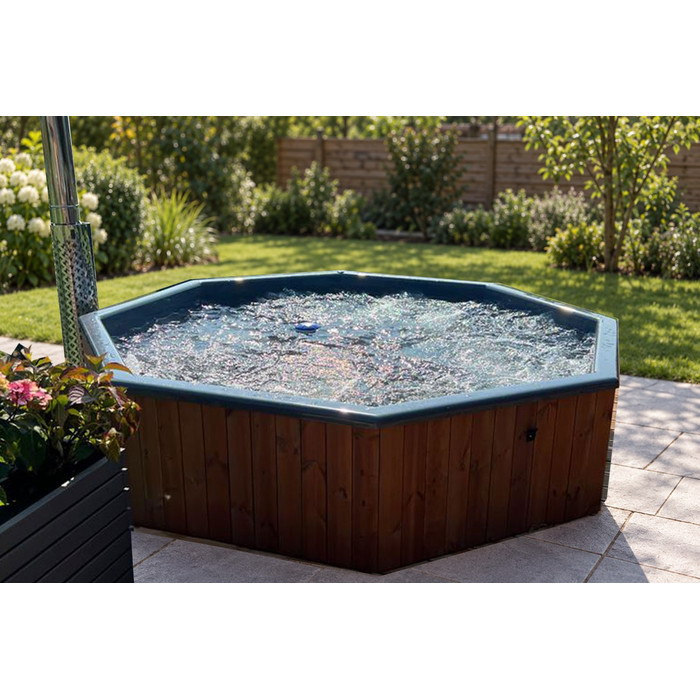
Before you buy 3
Check water-care instructions before winter use
Cold weather is not a reason to guess at water care or skip the manufacturer’s directions. Before a session, check the guidance for the exact tub and for the treatment products you use. Look for the specified testing method, care intervals, compatible products and any instructions that depend on how the tub is being operated. Use those directions to establish what needs checking before anyone gets in, rather than leaving the question until everyone is ready outside. Have the specified testing and care items available, with their instructions readable. Treatment schedules and quantities should come from the relevant product instructions, not a general winter checklist.
Check what the manufacturer says if your usual pattern of use changes, if the tub is not operating as expected or if you are unsure whether water care should be adjusted. Do not substitute products or change quantities to compensate for cold weather without clear guidance. Keep the water-care instructions alongside the operating manual, and ask the manufacturer or supplier to resolve any conflicting directions. When considering Bloomcabin hot tub Aurora 10, ask about the care requirements for the configuration you would buy. Compare when checks are required and what they involve, so you can judge whether you can reliably complete them around your planned winter sessions.
After-use checks before you go indoors
Before getting in, agree who will complete the after-use checks and allow time for them as part of the session. Read the relevant instructions in advance so the last person outside is not trying to work out an unfamiliar procedure while wet. Plan when that person will dry off and put on warm layers, and keep the route lit and clear until they have finished. Other users can collect their own belongings without crowding the area needed for the final tasks. As people return indoors, put wet clothing and towels somewhere they will not obstruct the path or doorway. Check that nobody has left footwear, bags or other items in the space needed to carry out the manufacturer’s after-use procedure.
Follow the model’s instructions for leaving it after use. The manual may address the cover, controls, operating mode or water care; do not assume that a universal rule about switching off, leaving the tub open or changing settings applies. Resolve unclear directions before a session rather than experimenting afterwards in freezing conditions. If you are considering the Cove 2 product listing, ask for the after-use guidance as part of your comparison. Look at the full sequence, including any tasks that must be completed outside, and consider who would do them on a cold evening. This helps you assess the practical commitment of regular winter use, rather than thinking only about time spent in the water.
Before you buy 4
Plan for changing weather or an interruption
A forecast can change between planning and use, so decide in advance how you will respond if conditions worsen. The relevant limits and instructions must come from the manufacturer for your exact model; there is no general frost-protection procedure that can safely be assumed for every tub. If the route becomes icy or the conditions no longer fit the documented guidance, postponing is a practical choice. Make that decision before people are ready to get in, rather than trying to work out the rules in a hurry.
Ask what the manufacturer advises if the power supply is interrupted, the tub stops operating normally or a fault message appears during cold weather. Do not guess at a recovery, draining or frost-protection procedure, and do not use advice intended for a different model. Keep the relevant instructions and contact details somewhere you can consult them without relying solely on the tub’s controls or an online search. If a technical issue needs investigation, contact the manufacturer or an appropriately qualified professional. When reviewing the Haven 6 product page, include interruption guidance among your buying questions. Ask which situations the owner’s instructions cover and which require technical assistance, so you know the limits of what you would be expected to handle yourself.
Look for documented winter suitability before buying
Ask for evidence that addresses winter use at your location, rather than relying on a broad phrase such as “all-weather”. The useful information is the manufacturer’s current guidance for outdoor operating conditions, any cold-weather protection requirements and what to do when conditions fall outside those limits. Check that the documents refer to the exact model and configuration you would buy. If an important point is absent, ask the supplier to obtain a clear answer from the manufacturer before you make a decision.
Consider the surroundings as well as the product: an exposed site, a difficult route or frequent freezing weather may make particular instructions more important to your routine. Ask who can answer technical questions after purchase and whether the operating guidance covers conditions that are likely where you live. For each candidate, separate confirmed information from unanswered questions rather than treating a missing detail as a favourable answer. Use the Fjord 8 listing to identify the exact product in your comparison, then note which configuration the supplied guidance describes. If a supplier’s answer applies only to a particular option or setup, keep that qualification in your notes. This makes it easier to compare like-for-like information without assuming that every version has the same winter requirements.
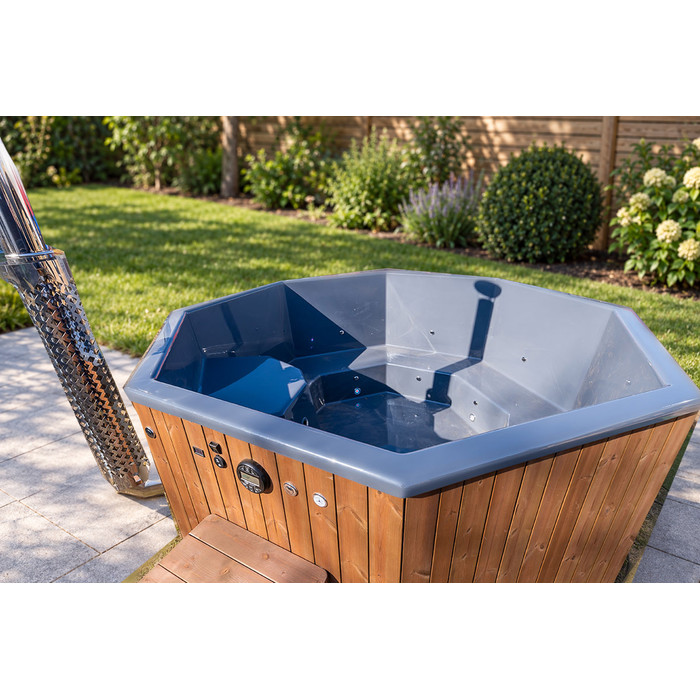
Before you buy 5
Compare heating, cover and care requirements
When comparing heating methods, focus on what the manufacturer documents about operating the chosen setup in cold conditions and what you will need to do before and after each session. Confirm the method from the product information, then read its specific instructions; do not infer it from a model’s name. Think about whether the documented operating steps fit your household’s routine. This comparison is about the work involved and the instructions to follow, not about assuming a particular heating method will suit every winter or user.
Check whether a cover is included or optional, whether the manufacturer lists it for the exact model, and how the instructions say to handle it in winter weather. Ask about any stated limits or care requirements rather than assuming that a cover makes a tub suitable for every condition. Consider where the cover would go while the tub is in use and whether following its handling instructions would leave your access route clear. Confirm who would move and replace it, and check the guidance for any assistance required. For the Aurora 10 product listing, establish which cover, if any, belongs to the configuration you are considering. Compare its handling and care requirements alongside the tub’s after-use tasks, rather than treating the cover as a separate purchase with no effect on your routine.
Turn the guidance into a household plan
A short written checklist can bring the practical pieces together without replacing the manufacturer’s instructions. Note when you will check the forecast, who will inspect the route, where towels and warm layers are kept, and which model-specific guidance needs to be followed before use. Include the water-care steps specified for your tub and the return indoors. If more than one person operates it, make sure everyone knows where the current manual is and who will handle the checks.
Decide what would make you postpone: for example, an unsafe route, weather outside the conditions documented for the model, an unresolved operating question or a fault that has not been addressed. Use the manufacturer’s instructions to set any technical boundaries; do not create your own frost-protection or draining procedure. Before buying, picture following this plan on a cold, wet evening. If the access, preparation or documented care does not fit your household, that is relevant evidence when choosing a hot tub for regular winter use.
Frequently asked questions
Can I use an outdoor hot tub when the forecast is below freezing?
There is no universal temperature threshold that applies to every model. Check the manufacturer’s stated outdoor operating conditions and any cold-weather requirements for your exact tub. If the guidance is missing or unclear, ask the manufacturer before use rather than relying on advice for another model.
Should I leave the hot tub running between winter sessions?
Follow the instructions for the exact model and configuration. Do not assume that switching it off, leaving it running or changing a setting is the right response in cold weather. Check the manufacturer’s guidance for active winter use and for what to do if operation is interrupted.
Should I drain the hot tub after a winter session?
Do not decide to drain it—or leave it filled—based on general advice. The correct procedure depends on the model and its instructions, including any cold-weather protection guidance. Check the manual before use and contact the manufacturer if it does not clearly explain what to do.
What should I have ready beside the hot tub?
Set out towels, a robe or warm outer layer, dry clothes and suitable footwear before getting in. Keep them dry and within easy reach without narrowing the route. Plan where you will change so you can return indoors without having to search for clothing or carry wet items through the house.
What should I check before buying a hot tub for winter use?
Ask for current instructions for the exact model and configuration. Check what they say about outdoor operating conditions, cold-weather protection, heating method, cover options, water care and interruptions. Make sure the documents address conditions at your location; a product name or broad “all-weather” description is not enough.
A winter session begins before you uncover the tub: check conditions, keep the route indoors usable and have dry layers ready. The technical decisions are specific to your model, so use its current instructions for operation, water care and after-use steps. Once these checks are part of a simple household plan, it is easier to recognise when to proceed and when to wait for clearer, safer conditions.
