
How to Ventilate a Summer House and Keep Insects Out
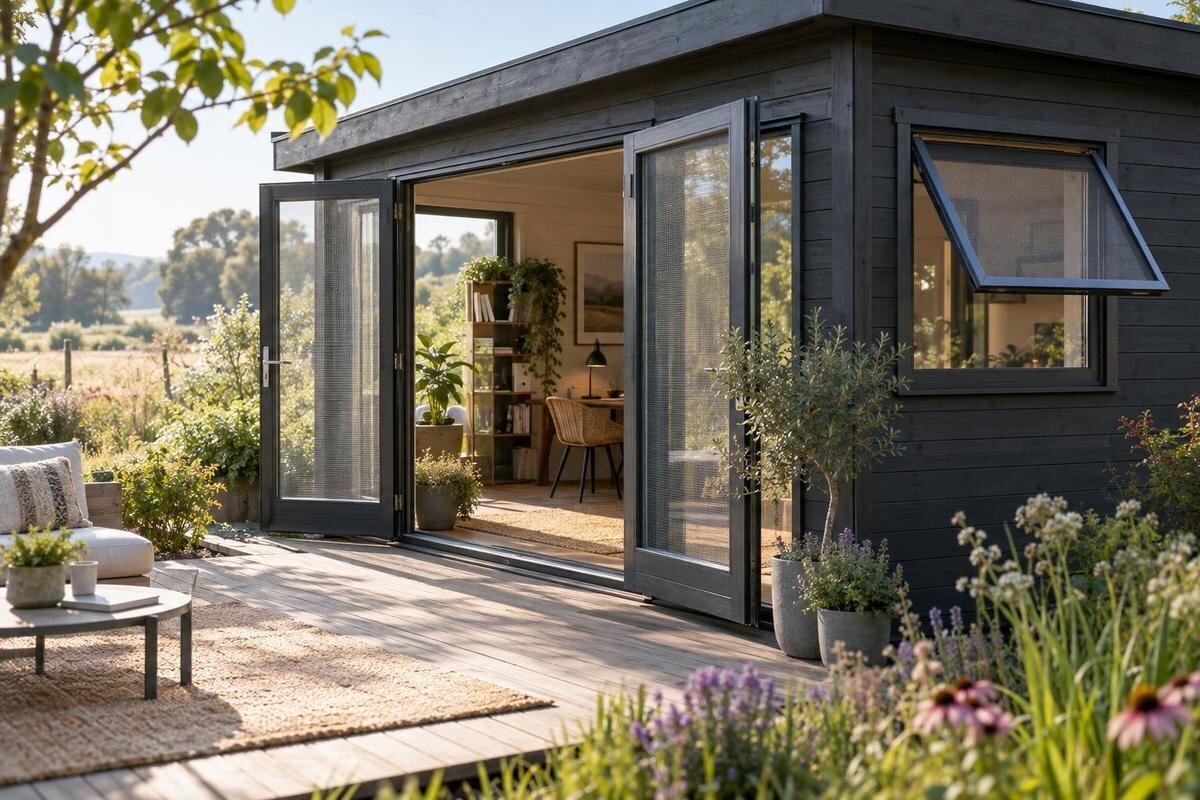
SUMMER HOUSE VENTILATION
Fresh air is easiest to manage when ventilation and insect protection are planned together, rather than dealt with after assembly. When choosing a summer house, consider which openings can bring air in, where it can leave, and whether the windows and doors will accept suitable screens. The best arrangement depends on the model, the garden around it and how you expect to use the space; a photograph or a product name cannot confirm those details.
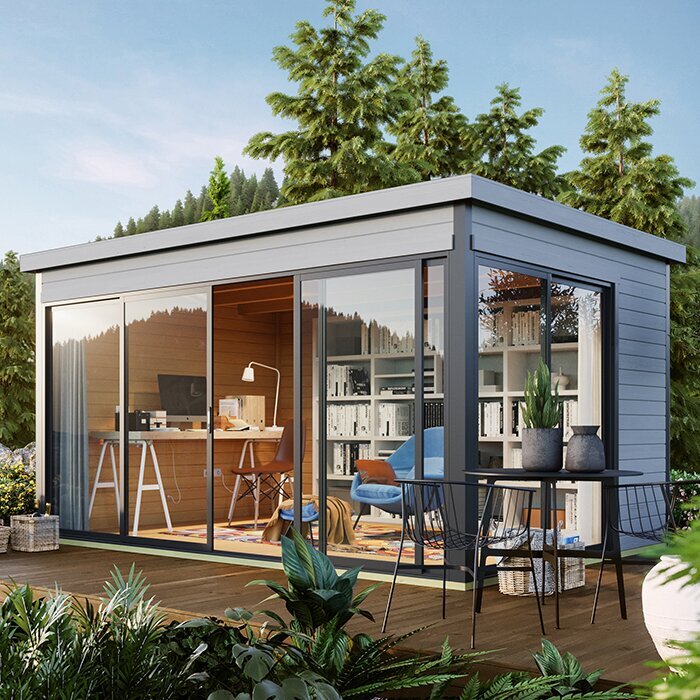
Match ventilation to how you will use the summer house
Begin with the way you expect to use the summer house. A quick visit to store garden tools has different ventilation needs from an afternoon spent reading, working or sharing a meal inside. Note how many people may use it at once, how long they are likely to stay and how often the door will be opened. These details help you judge whether one window is likely to be useful on its own or whether you need a route through more than one opening. They also prevent a common buying mistake: treating a large glazed area as proof of ample ventilation when only part of it may open.
Before comparing models, sketch the room and mark the door, any windows and places where you might fit a screen. Check the product information for which openings actually open, how far they open and whether vents are listed. If you are considering the Verdana 1 summer-house listing, use its current description and drawings to confirm those points; the name and photographs alone do not establish an opening arrangement. Note any detail the listing leaves unclear so you can ask before ordering, rather than arranging seats, storage or screens around an assumed feature. Include the likely location of a desk, chairs or shelves on the sketch. This shows whether someone can comfortably reach a handle and whether a screen will remain accessible after the room is furnished. Planning this early is easier than trying to adapt an inconvenient arrangement later.
Plan where air can enter and leave
Air needs a way in and a way out. If two suitable openings are on different sides, using them together may give air a clearer route through the room than relying on one opening alone; the result still depends on wind, nearby buildings and how the openings operate. A window and a separate vent can also provide different entry and exit points, but their positions matter. Do not judge airflow by the number of windows alone. Consider how openings relate to one another and whether a cupboard, stored garden equipment or tall furniture would block the route between them.
Draw a simple floor plan and trace the route between possible openings, allowing for the furniture you intend to use. If all the openings are on one side, consider whether a screened doorway could contribute without making the room impractical to enter. For the Verdana 2 summer-house listing, compare the documented layout with your plan and verify the position and function of each opening rather than inferring them from a photograph. The aim is a usable route for air, not a guarantee of a particular breeze; wind and shelter in the garden can change the result from day to day. Also consider ordinary use of the room: a route is of limited value if it requires moving furniture or leaving a frequently used doorway obstructed. Mark clear walking space as well as the airflow route.
Check which windows actually open
Check whether the windows are fixed, opening or a mixture. Fixed panes bring daylight but cannot be used for ventilation, so distinguish the openable area from the total glass area. For an opening window, consider its direction of travel, the space needed to reach the handle and whether the open window would conflict with furniture or a screen. An insect screen needs to cover the opening while still allowing the window to work normally. A screen in the wrong position, or one that blocks a handle, can turn a useful opening into one you rarely use. Consider who will operate the window, too. A handle positioned behind a chair, high above a work surface or close to stored equipment is less likely to be used regularly, even if the window can technically open.
Look for drawings or written details that explain the opening type and direction; do not assume a window opens just because it appears in a product image. Consider how a removable or fixed fly screen could sit on the frame without interfering with the handle or hinge. When reviewing the Durano garden-house page, confirm its specified window arrangement and check separately whether a compatible screen is included or available. This makes the comparison about usable ventilation, not simply how much glass the model appears to have.
Decide whether separate vents are useful
A separate vent can provide another air path, but it should be treated as one part of the arrangement rather than a substitute for checking the windows. Some vents are fixed open; others can be adjusted or closed. A fixed vent offers less control, while an adjustable one needs deliberate use, and either type can allow insects through unless it has suitable mesh. Screens can also affect how freely air passes, so the presence of a vent alone does not tell you how much ventilation it will provide. Think about how you will use it alongside the windows. Consider access for routine inspection as well. A vent hidden behind shelving or close to piled-up garden items can be harder to keep clear, and it may be overlooked when you check the building.
Check the product description for the number and position of vents, whether they are operable, and whether insect mesh is specified or sold separately. Do not assume every summer house has vents or that they can be added without affecting the structure. On the Veltor 1 product listing, use the stated details to see what is actually included; if the information is unclear, ask the seller before choosing a ventilation plan. An unscreened vent may be less useful where keeping insects out is a priority, so assess both functions together.
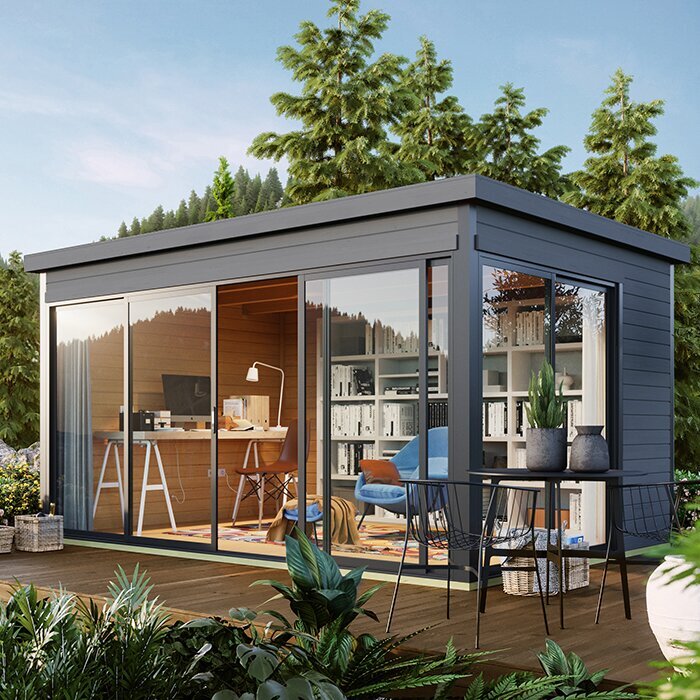
Choose insect screens that fit the openings
Choose a screen for the exact opening and how it is used. A framed removable screen can make cleaning or seasonal removal simpler; a fixed frame may suit an opening that stays protected, while roller or flexible styles may suit some windows or doorways. Each option needs a close fit at the edges, not just mesh across the centre. Very fine mesh can restrict airflow more than a more open weave, so balance the insects you want to exclude with the amount of air you need. No screen should be treated as effective if it leaves gaps around the frame. Think about everyday handling before choosing a type. If a screen must be removed whenever a window is opened or closed, it may be less practical than one that works with the normal window movement. A solution that is straightforward to refit is more likely to be used consistently.
Check what the mesh and frame are designed for, how they attach, whether the screen can be removed for cleaning and how damaged mesh can be replaced. A window screen and a door screen are not automatically interchangeable: the door version must suit regular passage, while a window screen must work with the opening mechanism. If you are considering the Orello 1 summer-house listing, verify separately whether screens are included, offered as accessories or need to be sourced elsewhere. A model name or image is not evidence that insect protection comes with the building.
Protect the doorway as well as the windows
An open doorway may help move air, but it is also a direct route for insects. If you expect to leave the door open while using the summer house, include a purpose-made fly screen in the plan. Depending on the door and layout, options may include a hinged or sliding screen, or a suitable flexible screen. The important point is a fit that covers the opening while allowing people to pass easily. Allow for the door's movement and the space beside it, and avoid a screen or track that obstructs the usual entrance route.
Check how the main door opens and whether an extra screen could operate alongside it, rather than assuming a standard size will fit. Confirm the screen's overall dimensions, fastening method and clearance with the manufacturer or fitter before ordering. When comparing the Modano 1 product page, check the stated door type and available space in the product information; do not infer them from the image. A door screen should not make the main door awkward to use. If it is often left open or removed, it will not reliably keep insects out.
Confirm screen compatibility before ordering
Before placing an order, make a clear list of what is supplied and what is separate: windows, vents, insect mesh, screen frames and any fittings needed for a screen. Product descriptions may distinguish standard equipment from optional extras, but the wording needs to match the exact model and configuration you intend to buy. Check the documented dimensions and opening types against the screen maker's compatibility information. If you are considering an aftermarket screen, ask how it is intended to attach and whether the building's frame provides the required fixing surface; do not assume a generic screen will fit.
Ask any unanswered questions while the building and screen are still being compared, especially if the screen depends on a particular window or door arrangement. For a configuration such as the Veltor 2 summer-house listing, confirm that the page refers to the exact variant you are ordering and that any relevant accessory is identified for that version. Check what must be purchased separately and whether fitting guidance is provided. If the measurements or method are uncertain, seek advice from the supplier or a competent fitter rather than altering the frame to make an unsuitable screen work.
Consider the garden setting and furniture layout
Consider the actual position in the garden, not only the plan view of the building. A fence, wall, hedge or nearby outbuilding can shelter one side and alter the way air moves around openings; the direction of a breeze can change, too. Check where the summer house could stand and whether its likely openings will face an exposed or sheltered area. Leave enough practical space to open windows and doors and to reach screens for inspection and cleaning. A route that looks clear on paper may be blocked by stored items or furniture once the room is in use. Think about seasonal changes in the garden as well. Dense planting, outdoor furniture or temporary storage can alter access around the building, so leave a straightforward path for opening, cleaning and checking the screens rather than relying on a narrow gap.
Before settling on a layout, place the intended seating and storage on your sketch and check that they will not obstruct an inlet or outlet. Map confirmed opening positions from the Veltor 3 product page onto the proposed position only after verifying them in the written product details. If the building can be positioned in more than one way, compare access, screen maintenance and the clear route between openings for each option. The point is not to predict exact airflow, but to avoid a site or room arrangement that makes the available openings difficult to use.
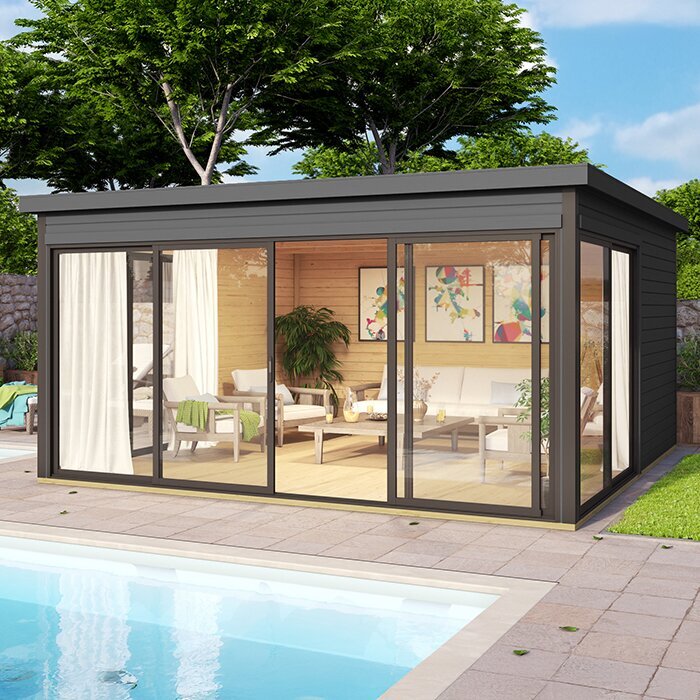
Use openings in a way that limits insect entry
Once the house is in use, open screened windows or vents first and keep unscreened openings closed when insects are a concern. If you need the door open, use its screen and close it again after passing through; otherwise, a screened window may provide a simpler route for fresh air. You do not need to open every window at once. Choose openings that create a practical route through the room, and adjust them to the weather and the activity inside. Avoid leaving an unscreened opening unattended if you do not want insects entering.
Make the routine easy enough to follow: check that screens are in place before opening windows, use the screened route you planned and close doors promptly. In changeable weather, use openings in the way their manufacturer recommends, and close them when conditions make that sensible. If you leave the summer house, consider its security and the product guidance before leaving windows or doors open. Simple habits cannot compensate for a torn or badly fitted screen, but they reduce the time an unprotected opening is left available.
Keep screens and vents working as intended
Inspect screens from time to time, particularly around corners, edges, hinges and any sliding tracks. Look for holes, loose sections or a frame that no longer sits flush; a small gap can defeat the protection across the mesh itself. Clean screens and vents using the method recommended by their manufacturer, and avoid forcing a mechanism or using a cleaner that could damage the mesh. Keep vents clear of leaves and stored items, but do not remove a screen simply to increase airflow unless you are prepared for insects to enter through that opening.
If airflow seems weak, check the basics before changing the building: make sure the screen is clean, each opening is being used as intended, and furniture has not blocked the route. Consider whether two suitable screened openings can be used together. If the arrangement still does not meet your needs, ask the supplier or a qualified fitter about compatible options. Do not cut new openings or alter structural parts on guesswork; any change needs to suit the particular building. Reassess the screen arrangement if you add furniture or change how you use the room.
Frequently asked questions
Can I ventilate a summer house with the windows closed?
Some designs have separate vents, but their contribution depends on their position, how they are made to operate and whether they have insect mesh. Air also needs a route through the space. Check the details for the exact model rather than assuming vents are included or will provide the airflow you need.
Will an insect screen reduce airflow?
A screen and its frame can reduce the usable area of an opening, although the effect varies with the screen design and how clean it is. Choose a screen that fits the opening, keep it clear and consider using more than one suitable screened opening to create an air route.
Do summer houses come with fly screens?
Do not assume that they do. Check the product information for the exact model and configuration, and confirm whether window and door screens are included, optional or sold separately. Screens for windows and doors may need different designs.
Is it enough to leave the door open?
An open door can let fresh air in, but it can also let insects in. If you want to leave it open, consider a screen designed for that doorway. Otherwise, use suitable screened windows or vents and close the door when it is not needed.
What if the screened openings do not provide enough airflow?
Check that the screens are clean, the openings are being used as intended and furniture is not blocking the route between them. If the arrangement still falls short, ask the supplier or a qualified fitter about compatible options. Do not cut new openings or alter the structure on guesswork.
A summer house is easier to ventilate when its openings and insect screens are considered as one arrangement. Choose documented openings that can create a practical route for air, then make sure screens fit them without getting in the way of everyday use. Confirm what is included and what must be sourced separately before ordering. Once the building is in use, keep screens fitted, clean and intact, and use the openings in a way that suits both the garden and the people inside.
