
What Does It Cost to Heat a Wood-Fired Hot Tub in the UK?
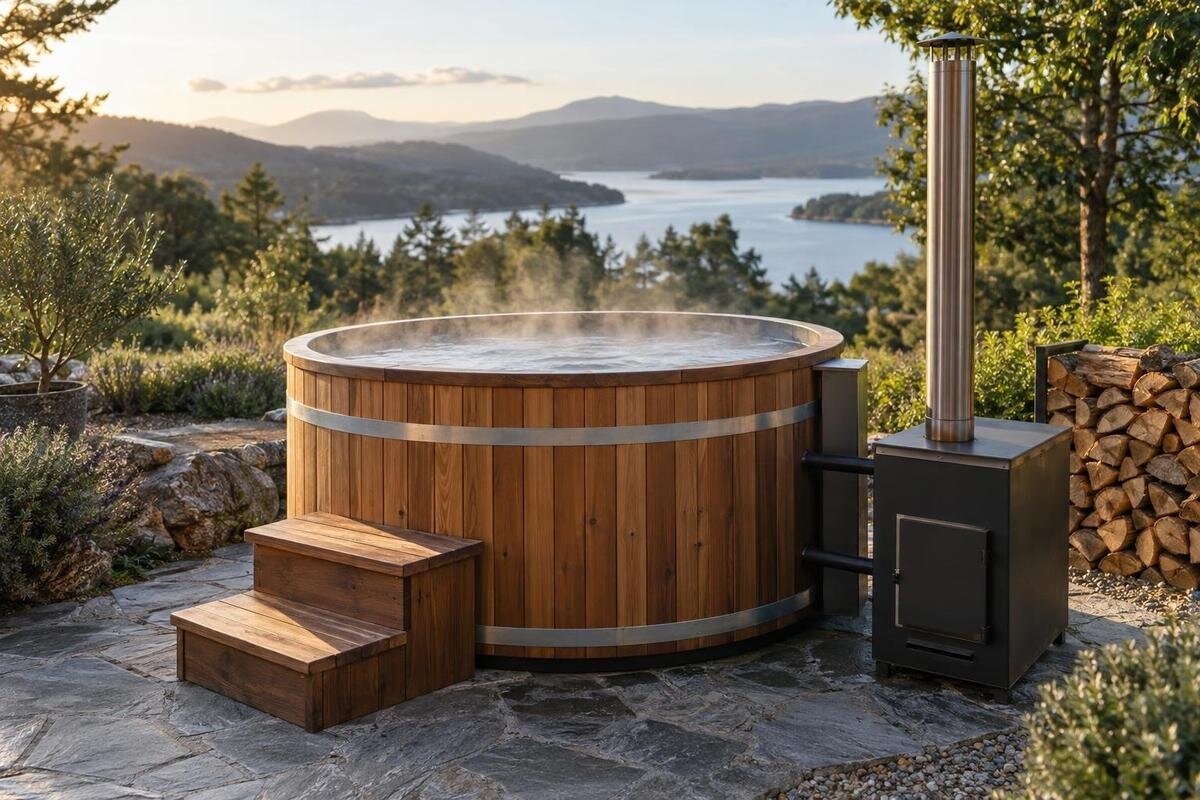
Wood-fired hot tub costs
Wood-fired hot-tub heating does not have one dependable UK price per session. The result depends on the mass of wood actually burned, the delivered cost of that fuel and whether you count only the initial warm-up or also wood added during bathing. A useful estimate is a transparent calculation tied to a dated local quote and a measured or manufacturer-supported fuel quantity. The steps below show how to compare supplier terms fairly and keep assumptions visible, without treating a generic burn rate or a model name as a specification.
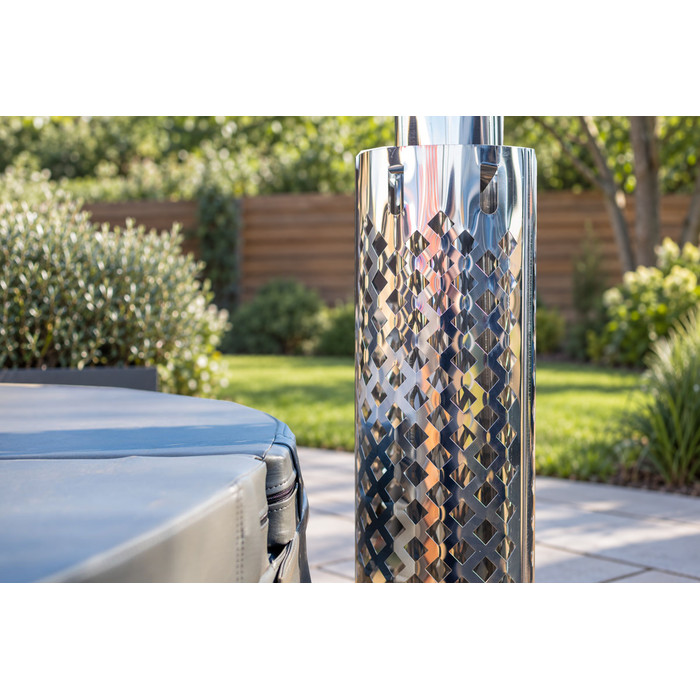
What the heating cost includes
Here, heating cost means the fuel consumed to take water from its actual starting condition to the temperature you choose, plus any wood burned to keep the water there during the same visit. The initial heat-up is one figure; the full visit, including any session top-ups, is another. Neither includes the tub purchase, delivery or installation, water, maintenance or other household energy. Keeping this boundary clear prevents a firewood estimate being mistaken for a total ownership budget.
Three amounts are easy to confuse: the cost of fuel consumed for one initial heat-up, fuel consumed across the whole visit, and the cash paid for a firewood delivery. A bulk order may serve many visits, so its full invoice is not the cost of one heat-up. When considering the Cove 2 product listing, keep the heating estimate alongside, rather than combined with, the purchase budget. Label each figure by what it covers. This lets you compare the upfront commitment with the fuel spending you expect after purchase without presenting either figure as the full cost of ownership.
Why firewood use varies between heat-ups
Starting water conditions matter. Heating a fresh fill of cool water to your chosen temperature is a different task from reheating water that is already warm. The starting temperature, final target and water volume all affect the heat required, so two heat-ups should not be compared as if they were identical when those inputs differ. When reviewing the Haven 6 product details, look for the confirmed water volume of the exact configuration rather than inferring it from the model name. If you are comparing fuel-use estimates, check that each uses the same basis: a full fill, a partial fill or water retained from an earlier visit.
Heat lost while the fire is working can also affect the amount of fuel used. Outdoor temperature, exposure to wind, whether the water is covered between checks, the tub’s construction, heater layout and how the fire is operated may all be relevant. Fuel species and condition can affect the result too, so follow the manufacturer’s fuel guidance and record what you actually use. These are variables to note, not savings to assume in advance. Comparisons are more meaningful when the water volume, starting condition, target and other main conditions are reasonably similar.
Initial heating and session top-ups are different costs
Record two quantities for each visit. Call the kilograms burned to complete the initial heat-up Qh, and the kilograms burned afterwards to maintain the chosen temperature Qs. A single fuel estimate is hard to interpret unless you know whether it covers heating before bathing or the whole visit. If the water cools between visits, the next warm-up is a separate heat-up, not a continuation of the previous session. Note the starting condition each time, since a new fill and already-warm water are not equivalent.
Do not count logs set aside but not burned, or add Qh twice when calculating a full visit. If a verified setup burns wood between visits to maintain the water, record that separately rather than assigning it to a bathing session. For the Fjord 8 product listing, ask whether any published fuel figure covers the initial warm-up, session top-ups or both. If fire-starting material is bought separately, give it its own cost line and state whether it is included in your final total. Otherwise, two apparently comparable estimates may cover slightly different purchases.
Calculate heating costs from fuel use and delivered price
Use kilograms throughout. Let Qh be the kilograms burned for the initial heat-up, Qs the kilograms burned as a top-up during the visit, and P the delivered price in pounds per kilogram. Initial heat-up cost = Qh × P. Additional session cost = Qs × P. Total fuel cost for the visit = (Qh + Qs) × P. Use the first calculation if you want the cost of getting the water ready; use the last for a visit that includes bathing. Weigh the fuel, or use a supplier-stated mass, rather than counting logs, because individual pieces differ in size.
P should reflect the relevant delivered fuel cost, not just a headline bag price. For an order containing only firewood, add the firewood and delivery charges, then divide by the total net kilograms received. If the order includes separately priced fuels or other goods, calculate the relevant lines separately instead of assigning the whole invoice to logs without explanation. In a heating worksheet for the Aurora 10 product listing, record the order total, net fuel mass and resulting unit rate together. Keeping those entries visible makes it easier to spot an omitted delivery charge or a price based on a different pack size.
Compare UK firewood quotes on the same basis
Treat a price as current only when it has a quote date and a delivery area. An undated headline or a supposed UK-wide average cannot show what you will pay at your address. For each supplier, record the date, postcode or delivery zone, stated fuel type and condition, package or order size, net weight, firewood charge, delivery charge and whether tax is included. Check whether any minimum order, extra fee or separate delivery applies. No dated local quotations are available here, so this guide does not present an unverified market price as current.
Convert comparable quotes to delivered pounds per kilogram. If Supplier A’s firewood charge is A, delivery is DA and the order contains MA kilograms, its rate is (A + DA) ÷ MA. For Supplier B, calculate (B + DB) ÷ MB in the same way. A price per metric tonne can be converted to a per-kilogram price by dividing by 1,000. A volume quote needs a mass conversion supplied for that exact product; do not apply a universal volume-to-weight factor. When planning around Bloomcabin hot tub Cove 2, keep the firewood quote separate from the tub’s purchase price: only the delivered fuel rate enters the heating calculation.
A worked heating-cost estimate with assumed figures
The following figures are assumptions for arithmetic only, not current UK prices, measured consumption or a prediction for any model. Suppose an order contains 100 kg of firewood priced at £120, with a £20 delivery charge and no other charges. Its assumed delivered rate is (£120 + £20) ÷ 100 = £1.40 per kilogram. Now assume an initial heat-up consumes 12 kg and the session afterwards consumes another 3 kg. The initial heat-up would cost 12 × £1.40 = £16.80; the session top-up would cost 3 × £1.40 = £4.20. The full-visit fuel cost would therefore be £21. This example excludes separately purchased fire-starting material. It also shows why the £140 order payment is not the cost of a single visit: only the portion consumed is allocated to that visit, with the remaining fuel available for later use.
For an estimate labelled Bloomcabin Hot Tub Haven 6, replace every assumed input with one relevant to the exact configuration and your fuel supplier. The example above is not evidence that this model burns 12 kg during heating or 3 kg during bathing. A practical worksheet should identify which entries are measured, quoted or still assumed, so an unsupported quantity does not acquire credibility merely because the arithmetic is precise. If only the delivered fuel rate is known, leave the consumption entries open rather than presenting the example total as a likely bill. If a quantity comes from another tub or different starting conditions, label it as a rough comparison. Keep the original assumptions beside any revised result so you can see exactly why the estimate changed.
Budget for your planned frequency of use
Translate the per-visit estimate into the frequency you actually expect. If S is the average full-visit fuel cost and N is the number of visits in a month, the simple monthly estimate is S × N. For an annual budget, multiply by the expected visits across the year, or add the monthly estimates if usage varies by season. Keep visits that start with cooler water separate from occasional top-up visits if their fuel use differs. A budget associated with Bloomcabin Hot Tub Fjord 8 still depends on confirmed equipment and actual use, not the product name.
Use a range when your records show different quantities: multiply the lower and higher observed fuel use by the delivered rate, then consider how often each type of visit is likely. Refresh the quote when the supplier’s price or delivery terms change instead of adding an arbitrary percentage. Also distinguish fuel consumed from cash paid at the point of order. A delivery may cover several visits; allocate its delivery charge across the kilograms bought once, not as a new delivery fee for every session. The full order bill belongs in cash-flow planning, while its consumed share belongs in the per-visit estimate.
Verify the exact heating system before estimating a model
Before relying on a figure, confirm the heating arrangement for the exact product configuration rather than assuming that every hot tub is wood-fired. The Bloomcabin hot tub Aurora 10 is a catalogue identity; that name alone does not establish heater type, water capacity, fuel compatibility or performance. Ask for the manufacturer’s documentation and check whether it gives a fuel quantity for an initial heat-up, an operating quantity for a session, or neither. Do not infer capacity, burn time, heater output or cost from a model number or from another model’s information.
Make any quoted fuel-use figure comparable by asking what was measured: water volume and starting condition, chosen end temperature, type and mass of fuel, and whether the figure includes session top-ups. Find out whether it assumes the water is covered between checks or describes particular outdoor conditions. These details help you judge whether the result is relevant to your use; they do not guarantee the same outcome at home. If no fuel-use evidence is available, ask the manufacturer for guidance or keep the calculation provisional until you have measured your own use.
Measure fuel use during real heat-ups
A consistent record from the exact setup can be more useful than a generic online claim. For each heat-up, note the date, starting water condition or temperature, chosen target and fuel type. One way to record consumption is to weigh a batch of logs set aside for heating, then subtract the weight of any logs from that batch that were not put on the fire. This records fuel used without counting pieces or trying to weigh fire residue. Keep fuel added during bathing in a separate record. Use the same weighing method each time, and note the tub and heater arrangement so that results from a changed setup are not accidentally treated as directly comparable. Give each entry a clear session reference and connect it to the relevant fuel purchase; that lets you apply the correct delivered rate if you have bought logs at different prices.
Repeat the record across the conditions in which you realistically expect to use the tub, rather than relying on one unusually easy or difficult heat-up. Note relevant conditions such as wind exposure and whether the water was covered between checks, but do not turn a handful of entries into a universal performance claim. Keep unusual entries visible rather than silently removing them: a brief note can explain why one visit is a poor comparison with the others. Where your records contain both fresh-fill heat-ups and reheating of warm water, group them separately before choosing a budget figure. Follow the maker’s operating instructions; there is no need to change how a heater is used just to test a budget assumption. The purpose is to establish a practical fuel quantity, not a technical rating.
Decide whether the estimate fits your fuel budget
Compare the monthly or annual estimate with the amount you are prepared to spend on firewood. You can also work backwards from a fixed monthly fuel budget: divide that budget by your planned number of visits to find the amount available per visit. Divide that amount by the delivered price per kilogram to express the allowance as a fuel quantity, then compare it with your recorded full-visit consumption. Include any separately budgeted between-visit burning before allocating the remainder to sessions. This is a budgeting limit, not an instruction to restrict fuel or alter heater operation. If the allowance falls below the quantity your records suggest, reconsider the planned frequency or the budget. A cheaper headline quote only helps the comparison once its fuel basis, delivery area and charges are comparable.
Keep a dated version of the estimate so you can distinguish changes in fuel price from changes in consumption. When a new quote arrives, apply its delivered unit rate to the same recorded quantity first; this shows the effect of price alone. If your pattern of use also changes, calculate that adjustment separately before combining the two. State whether the final figure covers initial heating only or the whole visit, and retain the starting conditions alongside it. The result should remain a heating budget rather than gradually absorbing maintenance, water or purchase costs. Once you have a dependable fuel record, updating the arithmetic need not mean rebuilding the entire estimate. You can retain a consistent basis while allowing for a new supplier, a different number of visits or a changed setup.
Frequently asked questions
Is there a typical UK cost per heat-up?
There is no dependable figure that applies to every tub and delivery area. The result depends on the kilograms burned under the conditions of that heat-up and the delivered price per kilogram. Use a dated local quote and a measured or manufacturer-supported fuel quantity rather than treating an undated average as current.
Can I estimate the cost by counting logs?
Counting pieces is a rough record, not a consistent measure: logs can differ in size and weight. Weigh the fuel used, or use a supplier-stated net mass and record what remains unused. Then multiply the consumed mass by the delivered price per kilogram.
Should I include wood burned while people are using the tub?
Include it if you want the cost of the whole visit, but keep it separate from the initial heat-up. Calculate the first warm-up on its own, then add the cost of any extra fuel burned during the session. That makes estimates easier to compare.
How do I compare a price quoted per cubic metre with one quoted by weight?
Ask the supplier for the net mass of the exact product or a conversion they provide for that product. There is no dependable universal volume-to-weight conversion for every wood product and condition. Until you have a comparable mass basis, keep the quotes separate.
What if I cannot find a fuel-use figure for a model?
First confirm that the exact configuration is wood-fired and ask the manufacturer whether it provides guidance for fuel use. If not, record the mass burned during representative heat-ups and any session top-ups. Until you have those inputs, present a formula or provisional range, not a model-specific cost.
A defensible heating budget comes from two visible inputs: the kilograms burned under stated conditions and the delivered price per kilogram. Keep the initial warm-up separate from session top-ups, then multiply the relevant visit cost by the frequency you expect. Once the conditions and quote date are recorded, you can update the estimate when fuel prices or your pattern of use changes.
