
What Firewood Should You Use for a Wood-Fired Hot Tub?
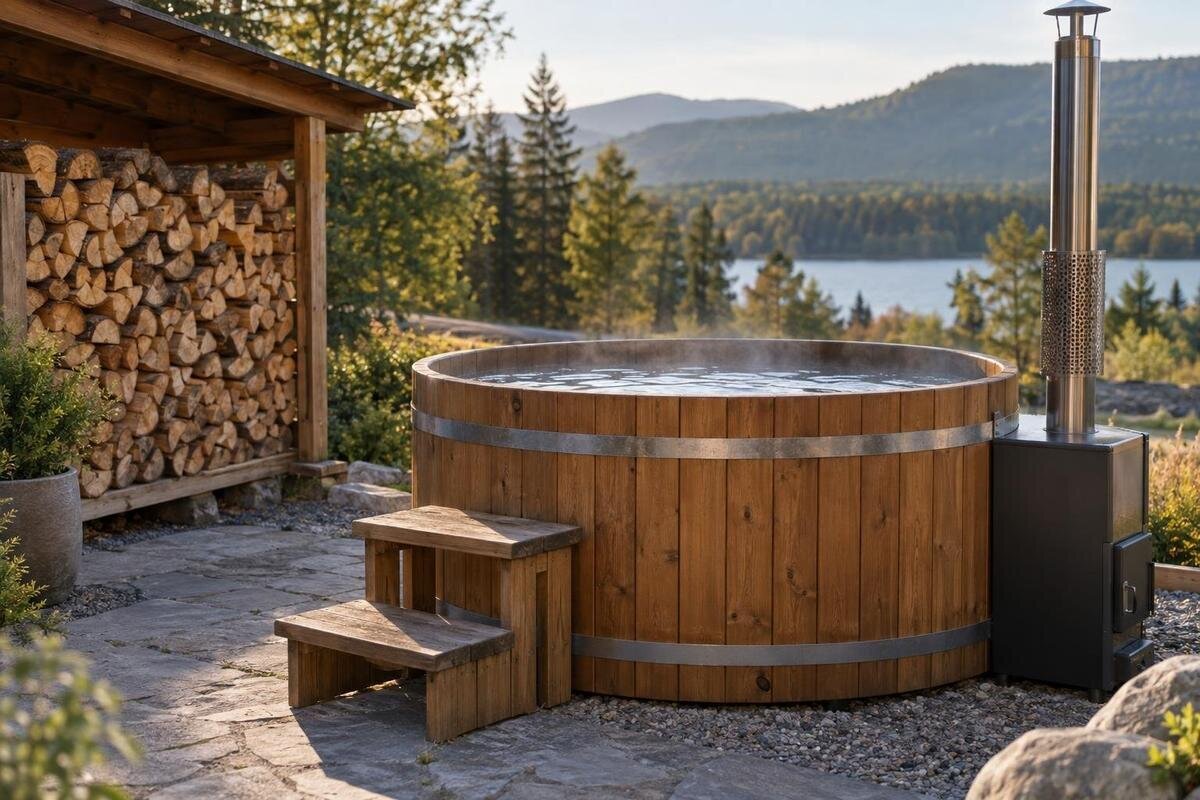
Wood-fired hot tubs
Choosing firewood for a wood-fired hot tub is not simply a choice between hardwood and softwood, or between seasoned and kiln-dried logs. What suits one heater may not suit another: permitted fuel, moisture, length and split size come from the instructions for the exact heater. A drying label describes a method or seller’s claim, not proof that every log meets those requirements. Start with the heater manual, then use it to compare the wood, the supplier’s information and your storage space. This guide focuses on fuel selection and sourcing, not lighting steps or heating performance.
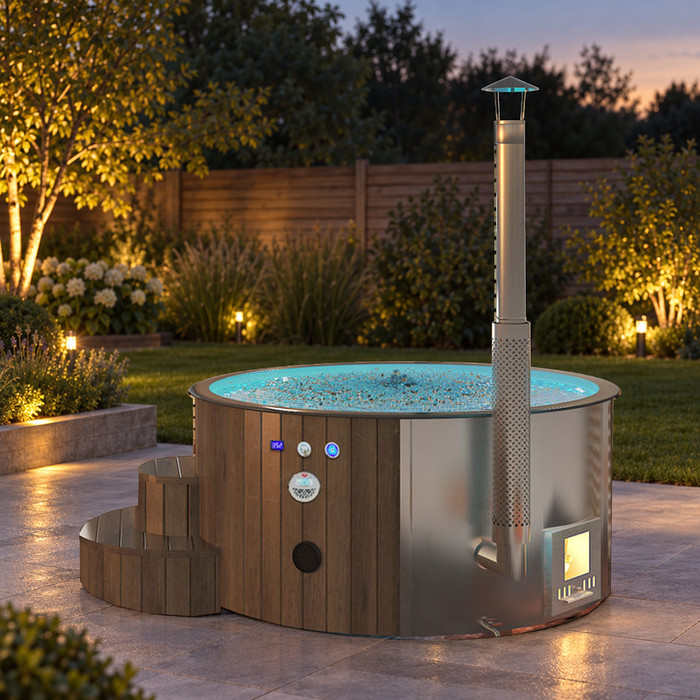
Start with the exact heater’s fuel instructions
Different hot-tub heaters can have different permitted fuels and limits, so begin with the manual for the exact heater in the configuration you will use. Check the fuel or operating section, and note what it allows, what it excludes, and any stated moisture requirement or test method. Record the maximum log length, split dimensions, species restrictions, and instructions for keeping fuel dry or handling it safely. The manual may identify the heater separately from the tub; make sure you have the document for the unit supplied, not a similar-looking version. If several fuel lists appear, use the one tied to that heater model and revision. If the correct manual is missing, ask the retailer or manufacturer for it before ordering.
Do not infer a wood-fired configuration from a hot tub’s name or photograph. If you are considering Bloomcabin hot tub Cove 2, ask the retailer which heating configuration is supplied and request the matching heater manual before buying logs. Apply the same check to every model on your shortlist: the fuel-selection advice in this guide applies only once you have confirmed a wood-fired heater. A broad assurance that a tub takes firewood does not answer questions about permitted species, moisture, log size or excluded fuels. Establish those details for the actual heater rather than relying on the product name.
Seasoned or kiln-dried: what the label means
Seasoned usually describes wood dried naturally over time; kiln-dried describes wood dried in a controlled kiln. The terms tell you something about the method, but neither, by itself, confirms the condition of the logs when they reach your garden. Initial moisture, species, log size, drying practice, transport and storage can all affect the delivered batch. Seasoned wood may have been protected well or poorly, while kiln-dried logs can be exposed to damp after drying. Treat the method as a useful question for the seller, not a pass mark. Compare the delivered wood with the exact moisture requirements in the heater manual.
Ask how moisture is reported, how it was measured, and whether the information describes a typical value, a range or a guarantee for the load you will receive. If your manual gives a limit, make sure the seller’s figure is based on a comparable method; labels such as ‘dry’ or ‘ready to burn’ do not explain how the claim was established. A dry-looking bark surface is not a reliable measure of the interior. If you use a suitable meter, follow its instructions and check several representative split logs rather than relying on one piece. When enquiring about Bloomcabin Hot Tub Haven 6, include the heater’s moisture requirements among your questions if a wood-fired configuration is offered.
Hardwood or softwood: follow the species guidance
Hardwood and softwood are broad wood categories, not quality grades. Hardwood is not automatically dry, clean, correctly sized or permitted; softwood is not automatically unsuitable. Species, density, resin, bark, moisture and the heater’s design can affect how a load behaves, so a claim such as ‘hardwood is always best’ is not a sound buying rule. Follow any species list or restriction in the exact manual. If the maker permits both groups, choose between named species and batches that also meet its moisture and size requirements. The category on a bag should not overrule those details, and neither category is a substitute for checking the condition of the wood.
Ask suppliers to name the main species and say whether the order contains a single species or a changing mix. ‘Mixed hardwood’ does not tell you which woods are included, how much of each, or whether the composition will be consistent next time. Those details matter if your manual excludes particular fuels or you want repeat orders to match. Compare like with like: species, moisture information and log dimensions should all be clear. If you are comparing Bloomcabin Hot Tub Fjord 8 with other models, ask about any species restrictions for the proposed wood-fired heater so you can check whether local suppliers offer an appropriate mix.
Why log size and dryness both matter
Log size means more than length. Check the manual for the permitted maximum length and any instruction for split width or cross-section, then ask the supplier which range will arrive. A log that is too long may not fit the firebox as intended; unusually thick splits may also fall outside the heater’s requirements. If the instructions specify only one dimension, ask the heater maker what that measurement refers to rather than substituting a guessed diameter. Very small pieces, kindling and alternative shapes may have separate rules. Do not assume that a common stove-log size is suitable for a hot-tub heater, or that a seller’s standard size will match your manual.
Ask whether advertised dimensions are nominal or actual and how much variation to expect across a load. Check a representative sample, including the thickest splits, not only the neatest pieces on top. Size can affect a moisture check too: an outer surface or cut end may look dry while the centre of a large split retains more water. Conversely, a small, very dry log still has to be an allowed fuel and within size limits. For a shortlist that includes Bloomcabin hot tub Aurora 10, ask for any log-dimension limits associated with the proposed wood-fired heater, then compare them with the supplier’s actual size range.
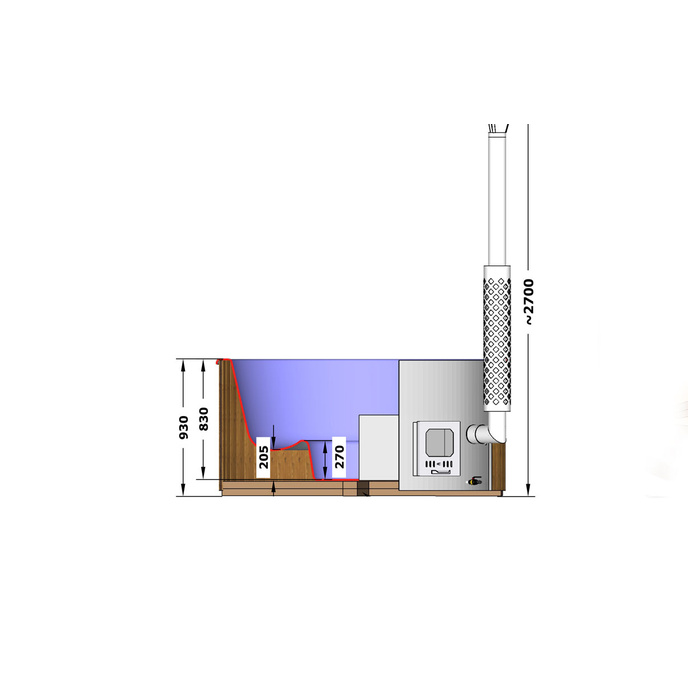
Questions to ask a firewood supplier
Send the supplier the relevant limits from the heater manual and ask them to respond to each one. Which species are included, and can the mix change? Is the wood air-seasoned or kiln-dried? What moisture information applies to the delivered batch, how was it measured, and how much variation is expected? What length and split-size range will arrive? How is the stock kept before delivery? Ask whether the offered load can meet those limits, rather than whether it is good firewood in general. A clear written specification makes different suppliers easier to compare and gives you details to check when the order arrives.
Keep product questions separate from questions about the logs. For example, if you are considering the Cove 2 hot tub, ask the retailer to identify the heater and explain its fuel requirements; ask the firewood supplier whether a particular batch meets those requirements. Send the supplier the relevant specifications rather than just the tub’s name. A log seller should not be expected to identify a heater from a product name, and a product page cannot replace its fuel instructions. If the supplier cannot confirm a key point, such as dimensions or the moisture measurement method, ask whether a more fully specified batch is available.
How to store logs and keep them dry
Dry storage helps preserve the condition of firewood; it does not make wet or disallowed wood suitable. Use a place where the bulk of the stack is sheltered from rain but air can move around the logs. Keep it raised clear of persistently wet ground, and avoid wrapping the whole pile in an airtight sheet that traps damp. Leave room to inspect the stack and keep different deliveries or species apart. If the heater manual gives storage or handling precautions, use them rather than relying on a generic picture of a log store. A cover over the top with open sides is often practical, provided it stays secure and sheds rain instead of collecting it.
Check the storage area after prolonged wet weather: a cover can shift, and exposed sides can become damp even when the stack was dry at delivery. Use labels or separate bays to record delivery date, species and any moisture information, especially if you replenish fuel before older stock is gone. Keep the stack away from the heater and any area the manufacturer says must remain clear, following the stated clearances rather than choosing your own distance. When discussing the Haven 6 hot tub with the retailer, include fuel storage in your questions about a proposed wood-fired configuration. This helps you assess the space needed for the logs as well as the tub.
Check the delivery against its specification
On delivery, compare the actual load with the order description. Check the species or stated mix, the range of lengths and split sizes, and whether the supplier’s drying and moisture claims apply to this batch. Look beyond the first few logs: a mixed load can contain pieces that differ in size or condition. If you use a moisture meter, choose one suitable for the wood and follow its instructions; test several representative logs on a freshly split face, not only the outer bark. Interpret readings using the meter’s method and the heater manual’s requirement. A reading from a few pieces cannot certify every log, so treat it as a check rather than proof of the whole load.
Keep the invoice or delivery note and take photographs if the load visibly differs from its stated specification; a photograph can record size or condition, but it cannot measure moisture. Set aside questionable pieces while you ask the supplier to clarify or resolve the mismatch, rather than blending them into an accepted stack. If you have selected a wood-fired configuration while considering the Fjord 8 hot tub, keep that heater’s fuel requirements with your order details so both are available at delivery. Compare what arrives with the agreed specification, not another model’s advice. This check remains useful with a familiar supplier because it concerns the batch actually delivered.
Alternative fuels and wood of uncertain origin
Buy clean, identifiable firewood rather than wood of uncertain origin or treatment. Painted, stained, coated, pressure-treated, glued or chemically contaminated timber may contain substances not intended for a heater. Do not substitute construction offcuts, pallets, furniture, plywood, chipboard, MDF, garden waste or rubbish just because they can be cut to size. Follow the heater maker’s list of permitted and prohibited fuels; if a material is not clearly allowed, do not assume it is suitable. Engineered boards and reclaimed timber are particularly poor substitutes for a specified log supply because their coatings, adhesives or previous use may be unknown.
Other solid fuels are not automatically interchangeable with logs. Briquettes, pellets, charcoal, kindling and firelighters have different forms and may have separate restrictions or instructions. Use them only if the manual for your exact heater explicitly allows them and describes any relevant limits; do not rely on advice for a domestic stove or an online discussion. If you are enquiring about the Aurora 10 hot tub, ask the retailer to clarify any unanswered questions about alternative fuels for a proposed wood-fired heater. Resolve these before buying: a supplier’s description of a fuel cannot establish whether the heater permits it.

Plan for repeat supplies and storage capacity
Before arranging a large delivery, consider whether the supplier can repeat the same declared species, moisture information and size range. A first batch that meets your manual is more useful if you can order a comparable one later. Ask whether specifications change between loads and how the seller will notify you if a mix or size range is substituted. If possible, inspect a sample or order a smaller quantity before reserving more, especially when the description is broad. Match the order to storage you can keep dry and ventilated, rather than the largest quantity available. Label and separate new stock so you can tell which batch has been checked.
Keep an alternative supplier in mind, but compare that offer using the same questions instead of assuming every firewood listing describes equivalent logs. One seller may state individual species and dimensions; another may offer a changing mix with no moisture detail. If your heater has narrow fuel requirements, confirm a replacement load before accepting it. Ask how delivery will be protected from rain and whether logs arrive loose, in a bag or in another format, since packaging affects how you can keep the batch dry after arrival. This is a sourcing plan, not a reason to overstock: buy only what your storage arrangement can protect.
A checklist before buying firewood
Turn the manual into a short buying checklist: the exact heater and configuration; permitted wood types and exclusions; the moisture requirement and measurement method; maximum log length and any split-size guidance; and manufacturer instructions for storing fuel. Put the supplier’s answers beside each item. If a crucial point is missing or described in a way you cannot compare, ask for clarification before placing an order. Do not fill gaps with a number copied from another model, a generic stove recommendation or an assumption based on seasoned or kiln-dried. For future deliveries, check that the specification applies to the actual batch, not merely to the supplier’s typical product.
Use the completed checklist to distinguish a suitable offer from one that still needs clarification. A named species is not enough if the dimensions are unclear; a clear moisture statement does not resolve an unspecified mix. Keep unanswered questions visible rather than treating a partly completed specification as confirmation. For each offer, also check that you can protect the proposed quantity in your available storage. Retain the agreed description with the delivery details, so you have a clear basis for checking the load and discussing any mismatch. The aim is a repeatable purchase that meets your heater’s requirements, not a universal verdict on which wood is best.
Frequently asked questions
Can I use kiln-dried logs in any wood-fired hot tub?
No. Kiln-dried describes how the wood was dried; it does not establish that its moisture level, species or dimensions meet your heater’s requirements. Check the manual for the exact heater, then ask the supplier for details that can be compared with it.
Is hardwood the best firewood for a hot tub?
There is no universal best choice. Hardwood and softwood are broad categories, not guarantees of dryness or suitability. Follow the heater’s permitted-fuel instructions, and compare named species, moisture information and log size rather than relying on the category alone.
What moisture level should hot-tub logs have?
Use the requirement in the manual for your exact heater; there is no single figure that applies to every appliance. Ask the supplier how its moisture information was measured and whether it describes the delivered batch. Do not treat a drying label as a measurement.
Can I rely on a supplier’s seasoned label?
Not on its own. Ask what the supplier means by seasoned, what moisture information is available and whether it applies to the load you will receive. Then check the logs against the heater manual’s requirements for dryness, species and size.
Can I burn briquettes, softwood or treated wood?
Do not assume any of these fuels are permitted. Softwood may be acceptable in some heaters and excluded by others; briquettes have a different form from logs, while treated or contaminated wood may contain unwanted substances. Use only fuels expressly allowed by the exact heater’s instructions.
There is no single wood type or drying label that guarantees suitability for every wood-fired hot tub. Identify the exact heater, extract its fuel limits, and buy a batch whose species, moisture information and dimensions the supplier can describe clearly. Store it under cover with airflow, and check deliveries against the stated specification. Choose logs for the heater you actually have, not the broad label on the bag.
