
What to check before fitting a summer house roof covering
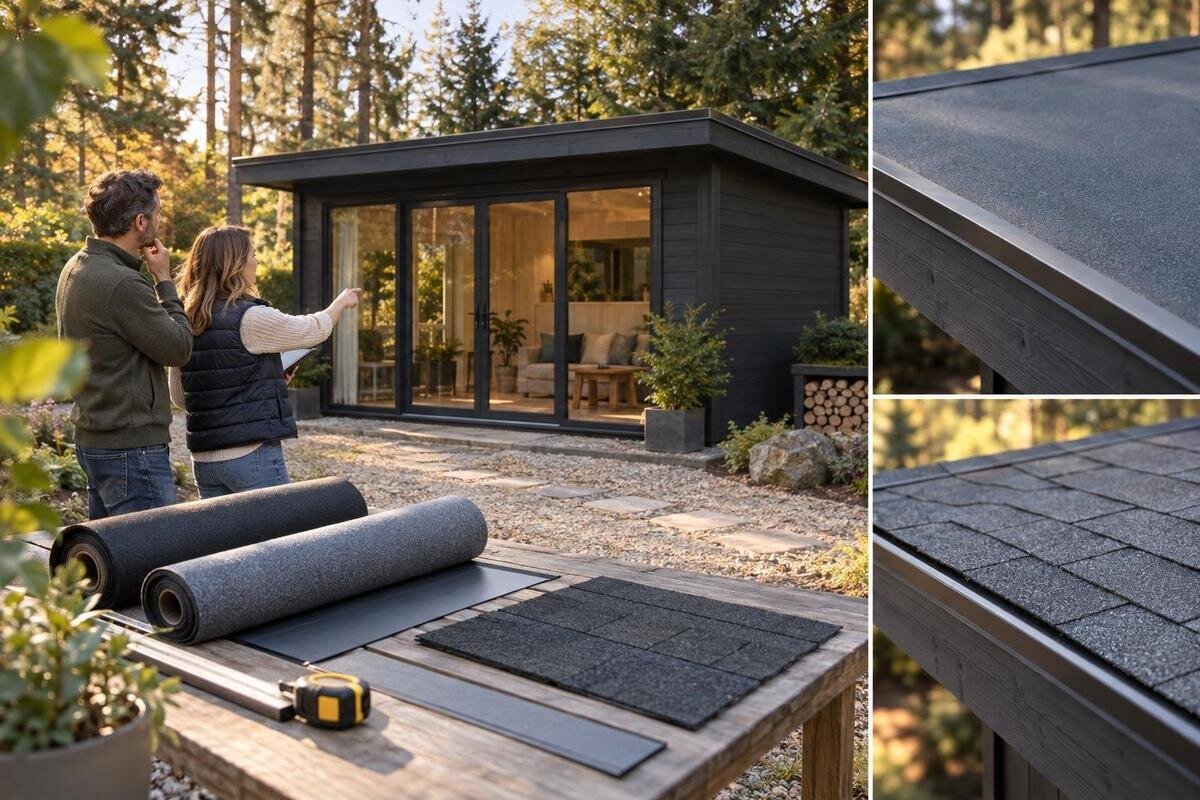
SUMMER HOUSE ROOF COVERING GUIDE
A roof covering should be chosen for the roof that is actually there, not just for its appearance or the size of the summer house. Before buying materials, identify the structure and current condition, find the maker’s instructions, measure each roof plane, and check compatibility, weight and edge details. Those checks reveal whether you can plan a straightforward replacement, need repairs first or should ask a roofing professional to assess the building.
Inspect the existing roof before choosing a covering
Begin by identifying the roof form and what the covering will sit on. Note whether it has one plane or several, and where the ridge, eaves, verges, valleys or wall junctions are located, as well as whether the roof surface is boards, sheet material or another substrate. These details affect the covering and the components needed at its edges; they cannot be inferred from the summer house’s floor dimensions or a photograph. Find the model name, original paperwork or assembly instructions if available. Examine the roof from ground level and the underside from inside, rather than assuming that the existing finish tells you what lies beneath it.
Look for a visible dip, movement, split or softened timber, loose boards, a lifted or cracked covering, water marks, damp patches or daylight at joints. Check different areas, especially around ridges, edges and openings, and note whether signs recur after rain. A stain can show that water has reached the roof, but it does not identify the entry point; water may travel before appearing inside. Photograph and record concerns before anything is covered. If the deck or supporting parts appear damaged, pause and have the cause assessed. A fresh surface can make an underlying fault harder to find and repair.
Confirm the summer house maker’s roof requirements
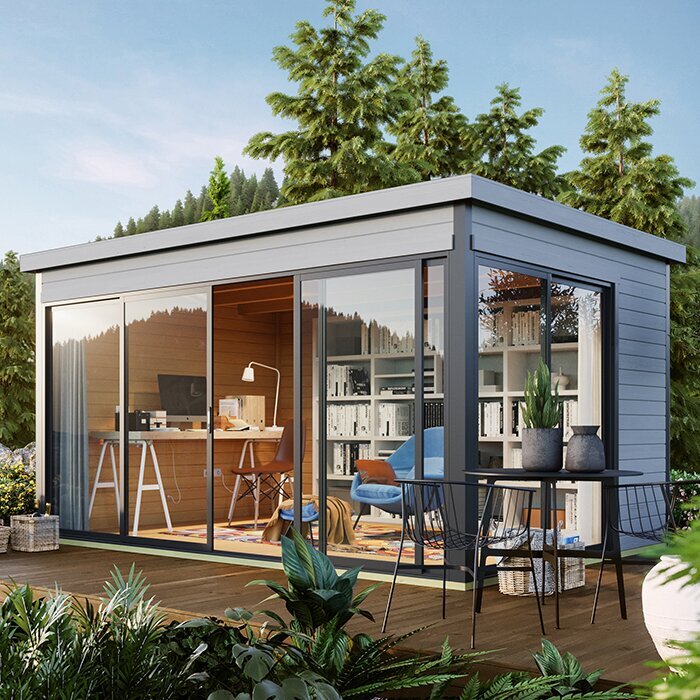
Use instructions for the exact model rather than generic advice for garden buildings. If you are choosing a new building too, use the Verdana 1 summer house listing to identify the model when asking what covering is included and which alternatives are permitted; request written confirmation instead of inferring details from a title or photograph. Find out whether any included layer is intended as the finished roof or only as temporary protection, and whether a separate finish is expected. Ask for the current specification, assembly instructions and roof plan for the exact version. Similar-looking model names or optional configurations may have different details, so keep the answer with your order.
For an existing building, look for the purchase documents, model label or original manual. Old receipts and photographs may help identify alterations, but they are not a substitute for instructions. Ask which substrate and roof shape the proposed system is designed for, what pitch limits apply, whether an underlay or particular fixings are required, and how to treat the current layer. Written confirmation matters if versions look alike: a catalogue image cannot confirm the roof construction. If the documentation is missing, provide clear photographs and measurements to the manufacturer or a roofer and ask for advice about the actual roof, not a guessed equivalent.
Measure the roof planes, not just the building footprint
Measure each roof plane along its surface and across it, noting the eaves, ridge and verge boundaries. On a pitched roof, the sloping surface is longer than its plan-view footprint. Measure the planes separately where they differ, and record changes in shape, overhangs and openings; do not assume both sides match. If the Verdana 2 summer house is under consideration, ask for a dimensioned roof drawing for the exact model and configuration. A model name is not a measurement. Check any drawing against the building before ordering, and ask the supplier or installer to measure if you cannot do so safely.
Compare your measurements with the manufacturer’s coverage figures for the chosen covering, following its method for seams, laps, ridges, verges and cut pieces. Products are supplied and fitted in different formats, so a universal allowance for waste or overlap is unreliable. Include each separate plane and the components needed to finish its edges, then check pack sizes and whether extra material is recommended for the roof’s layout. Keep the measurements and any supplier calculation with the order. This is a materials estimate only: it does not show that a roof can carry the selected covering or support a person.
Match the covering to the roof’s shape and pitch
Roof coverings are not interchangeable simply because they are sold for outdoor buildings. Check the selected product’s stated pitch range, surface type and intended use against the summer house exactly; follow the manufacturer’s instructions for that combination. A shallow roof may have different requirements from a steeper one, while joints and changes in direction can call for specific details. The Durano garden house is a named model, but its title alone says nothing about roof geometry or covering compatibility. Confirm those details for the building you own or plan to buy before settling on a material.
Consider exposure and the surroundings as selection factors, not as substitutes for the stated limits. Wind exposure, persistent shade, nearby trees, falling debris and repeated wetting can affect maintenance and the way water reaches the edges. Ask the covering supplier how the product is intended to be used and cared for in those conditions. Check compatibility with the existing finish and any specified adhesives, primers, underlay or fixings. Combining components because they look similar can leave uncertain joints and complicate later repairs. Choose a complete, compatible system rather than selecting only the visible surface.
Check the roof structure and added weight
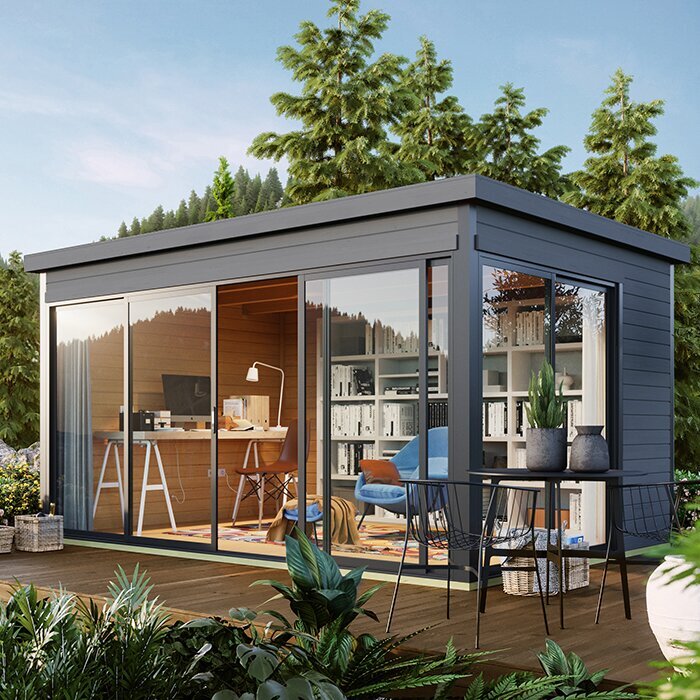
Before adding material, find out whether the roof and its supporting frame are designed for the proposed covering and any layers that will remain. Coverings vary in weight, support requirements and fastening method; the roof’s capacity cannot be judged from the outside appearance of the summer house. When comparing models such as the Veltor 1 garden house, request information for the exact model rather than treating a product title as evidence of capacity. For an existing building, include the current covering and any proposed permanent layers in the question. Do not estimate structural capacity by eye or apply a generic figure from another building.
If the roof is visibly bowed, has altered or repaired framing, or lacks clear documentation, do not add another layer on the assumption that it will be fine. Some systems may allow an overlay; others may require removal or a particular base. Follow the written instructions for the actual building and chosen material. If capacity or condition cannot be confirmed, have a roofer or building professional assess it before you order. Do not stand on or store bundles on the roof unless the manufacturer explicitly confirms that it is designed for that access and loading; arrange suitable professional access if needed.
Decide what needs removing and prepare the base
Preparation depends on both the existing roof and the new system. Find out whether the old covering must be removed, can remain, or needs to be taken off to expose a particular surface. Do not treat an overlay as a universal shortcut: a loose, wet, contaminated or deteriorated layer may not provide a sound base, and extra layers add weight and thickness at the edges. If the Orello garden house is a potential new purchase, ask for the maker’s instructions for its exact roof before ordering a separate finish. A model name cannot tell you how its base should be prepared.
Where the instructions call for a clean, dry and sound surface, agree who will check those conditions and make repairs before fitting starts. Identify damaged boards, exposed fixings, gaps and debris, but do not improvise with unapproved sealant or timber treatment; materials can be incompatible. If an old layer is unidentified, brittle or potentially hazardous, avoid disturbing it and ask an appropriate professional to identify it. Plan removal and waste handling before work begins, including how the roof will be protected if the job is interrupted. The aim is a known, stable base, not merely a neat surface to cover.
Plan the ridges, edges and junctions
A covering has to finish at the boundaries as well as cover the main roof surface. Check what the chosen system requires at the ridge, eaves, verges, valleys, corners and any meeting with a wall or another structure. These details vary by roof shape and material. Confirm whether matching caps, edge trims, flashing or other components are specified instead of assuming that the visible sheets or rolls will seal every joint. For a model such as the Modano garden house, request the roof detail for the exact version you are assessing. Do not infer overhangs or edge arrangements from a marketing image.
Trace where water is intended to leave the roof and check that a proposed trim or covering will not obstruct an outlet, cover a necessary fixing point or create a place for debris to collect. Consider how the new finish will meet existing fascia and any guttering, without assuming that the gutter arrangement can be altered to suit it. If there are valleys, penetrations, unusual corners or wall junctions, ask the supplier or roofer for the specified detail before ordering. List each junction and clarify who supplies and fits its components. These are easy details to overlook when an order includes only the main covering.
Check access, weather and the fitting method
Before deciding to do the work yourself, read the full fitting instructions and assess the access needed for the particular system. Work at height can be hazardous, and a small outbuilding roof should not be assumed safe to walk on or strong enough to support a person, ladder or material bundles. Unless the manufacturer explicitly allows access, plan to use suitable equipment or a professional who can assess the work safely. The Veltor 2 garden house is a model name, not evidence that its roof is walkable or that fitting can be carried out from above. Apply the same caution to any summer house.
Check the method for its sequence, weather limitations, drying or curing times, ventilation requirements and handling of fixings or adhesives. Follow the chosen product’s instructions rather than adapting a method from another covering. Schedule the work only when conditions meet the manufacturer’s stated requirements, and allow enough time to leave the roof secure if the job cannot be finished in one session. Keep the instructions available and agree who is responsible for temporary protection if the weather changes. If instructions are unclear, access is difficult or the roof is damaged, pause and ask the supplier or a roofer before starting.
Confirm the complete order before buying
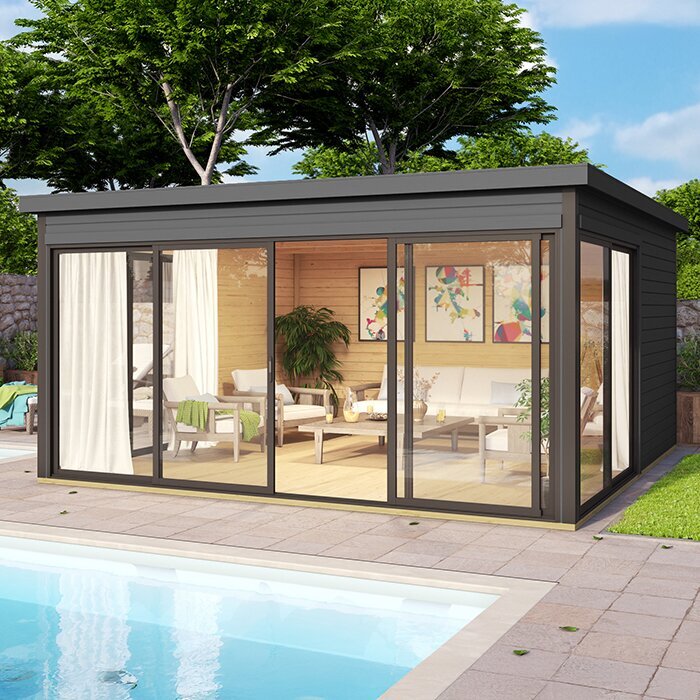
Request a complete materials list rather than ordering only the main covering. Depending on the system, the order may need underlay, adhesive, primers, fixings, battens, ridge or verge components, flashing, edge trims and finishing pieces; include only those required by the chosen instructions. Before ordering for the Veltor 3 garden house, or any other model, match the list to the exact roof configuration and ask what is included with the building and what must be purchased separately. Confirm the coverage per pack and whether all components are specified for the same system. A model name alone does not define the quantities.
Ask the supplier to review your measurements and state what the order assumes: the roof dimensions, layer removal, repair work, edge details and any allowance for cut waste. Check whether the quote separates materials, fitting, access equipment and waste removal so you can compare like with like. Find out what happens if inspection reveals damaged boards or an unexpected extra layer, and agree whether additional work needs your approval first. Ask how shortages, unused packs and proposed substitutions are handled. Keep the final item list and product instructions together so the materials delivered can be checked against the plan.
Agree the work scope and final checks
If a roofer will fit the covering, put the scope in writing before materials are ordered. Clarify whether they will inspect the roof, remove the existing cover, prepare or repair the base, supply the components, finish the edges and clear waste. Ask who is responsible for checking the model-specific instructions and telling you if hidden damage is found. A quote that says only ‘new roof covering’ may leave these tasks open to interpretation. Confirm what access arrangements are included and what finish or documents you should expect when the work is complete. Compare proposals by their stated scope and system, not just the headline total.
Agree how the completed work will be reviewed without placing anyone on a surface that is not designed for access. Ask the fitter what to look for at the edges and junctions, how to report a concern, and what written terms apply to labour and materials. Keep instructions, receipts, product names, measurement notes and photographs together for future maintenance or repairs. After rain, look from a safe position for obvious drips or changes, but do not treat one observation as proof that every junction is sound. A clear record can help with later maintenance and with distinguishing a roof-covering problem from an issue elsewhere in the building.
Frequently asked questions
Can I fit a new covering over the old one?
Only if the instructions for the chosen covering and the summer house allow it. The existing layer and base must meet the stated requirements, and the extra layer adds weight and thickness. If the roof’s construction or condition is unclear, ask the manufacturer or a roofer before ordering.
Should I measure from the summer house floor plan?
No. Measure the roof itself, including each sloping plane, overhang and change in shape. A floor plan does not give the length of a sloping surface or show all the edges and fittings. Use the covering manufacturer’s method to work out quantities.
What should I do if the roof looks bowed or feels soft?
Pause the covering work and do not stand on the roof. A new surface will not resolve a problem with the structure or base. Arrange an assessment by a suitable roofing or building professional before choosing materials or deciding whether repairs are needed.
How can I tell whether a covering suits my roof?
Check the covering manufacturer’s written guidance against your roof’s shape, pitch, substrate and condition. Confirm the required fixings, layers and edge components too. If the instructions do not clearly cover your roof, ask the supplier or a roofer to advise on the exact combination.
Can I fit the covering myself?
That depends on the system, the work involved and safe access. Read the full instructions first, and do not assume a summer house roof can support a person or materials. If access is difficult, the roof needs repair, or the method is unfamiliar, use a roofing professional.
Fitting is the final stage of choosing a roof covering. Begin with an identified roof, an honest condition check and measurements taken from its actual planes. Match the material and edge components to written instructions, confirm that the base and structure can accept them, then settle the order and work scope. If any of those facts is unknown, or damage is visible, pause before buying. Checking the roof properly first is less disruptive than undoing an incompatible or incomplete finish.
