
When to Order an Outdoor Sauna: Planning Your Project Timeline

OUTDOOR SAUNA PLANNING
An outdoor sauna is ready for its first session only when several separate jobs line up: the model is confirmed, site questions are resolved, the base and access are prepared, delivery and installation are coordinated, and commissioning is complete. The order date is one milestone, not the whole timetable. Set a realistic first-use window, then work backwards through the dependencies. Because availability and manufacture schedules can change, confirm the current lead time for the exact configuration before committing to a date.
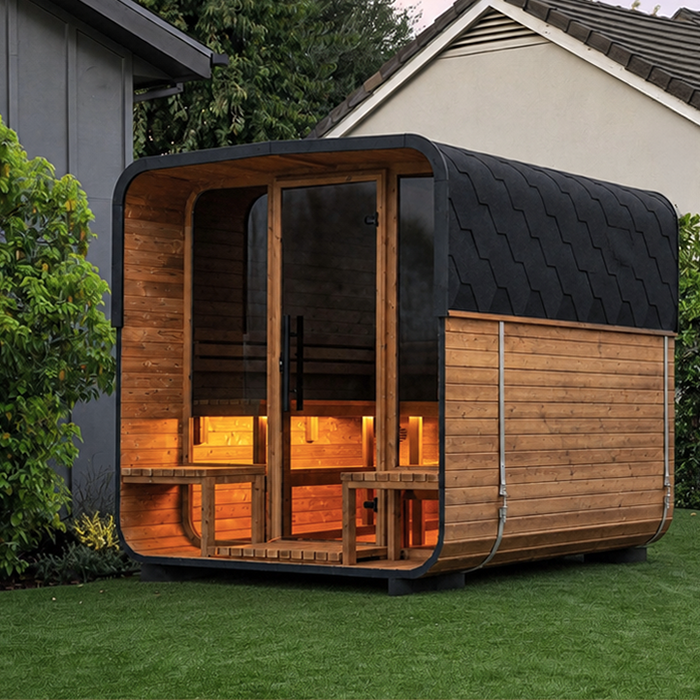
Set a first-use target, then work backwards
Define what ready means before choosing an order date. Write down the week you would like to have your first session and whether that date is essential or simply preferred. If an occasion is driving the plan, distinguish your ideal date from the latest date that would still work. Avoid calculating an order date by subtracting a guessed number of manufacturing weeks: lead times can change with availability and configuration, and do not cover every site or trade task. Give each stage two entries in your schedule: its expected duration and the earliest date it can begin. A short installation task can still delay first use if the installer is unavailable when the sauna arrives. Likewise, completing the base early will not bring delivery forward unless the supplier can accommodate that change. These distinctions help you identify which dates actually determine the finish, rather than simply adding together every task on the list.
A sauna is not ready for use just because it has arrived. The site needs to be prepared, the unit installed, the chosen heat source connected as required, and commissioning completed. Map those milestones backwards from the target, noting which tasks depend on the previous one and which can happen at the same time. For example, you may be able to arrange a site survey while confirming the order, but a delivery appointment depends on knowing that the route and receiving area are suitable.
Confirm the exact sauna and order scope
Choose the specific model and configuration before arranging work that depends on its requirements. Request the current product drawings and instructions for the version you intend to buy, and confirm details that could affect placement, access, installation or the heat source. Do not infer what is included from a photograph or model name. Ask whether the quote includes a heater, controls, installation, delivery, offloading or other parts of the project, and which items you will need to arrange separately. Turn the answers into a simple responsibility list, with one named supplier or contractor against each task. If two parties both expect the other to provide a component or complete a job, resolve that gap before ordering. Also ask which choices must be settled immediately and whether there is a deadline for any remaining decisions. This prevents an apparently complete order from waiting on information you did not realise was still needed, and helps you book separate work in the right sequence.
Keep the exact listing and written quote together so that everyone is planning around the same product. For example, Thermowood Barrel Sauna HCF 225 identifies one candidate listing; it does not, by itself, confirm current availability or the contents of a particular order. Before committing, check that the supplier’s description, drawings and order confirmation refer to the same model and configuration. If you change a key detail later, ask what else in the site or utility plan needs to be reviewed.
Check planning and property requirements early
Do not assume that placing a sauna in a garden automatically settles any planning questions. Requirements can depend on the property, location and proposed design, so contact the relevant local planning authority or a suitably qualified planning professional if you are unsure whether permission or another approval is needed. Raise the question while comparing products, not after you have booked groundworks or a delivery. If an approval is required, ask what information is needed and allow time for the answer before setting a firm installation date.
There may also be property-specific matters to resolve, such as lease or shared-access conditions, or questions from an insurer. Check with the relevant party where applicable and keep a record of the response. A product page is not a planning decision: include the exact option, such as Sauna S-140, when asking for advice so that the discussion relates to your proposed purchase. Before paying or accepting an order, clarify with the supplier what happens if an approval changes the design or timetable; do not assume the order can be altered without consequences.
Survey the position and the complete delivery route
Assess the intended position as well as the route from the delivery point to it. Measure gates, paths, turns and any narrow or low sections, and note steps, changes of level, overhead obstacles and the space available for unloading. Ask the supplier or carrier for the package and handling information for the exact configuration; a product photograph or name cannot tell you whether a particular route will work. A site visit may help reveal obstacles that are easy to miss when measuring from a plan.
Check whether there is practical room for the people and equipment involved in delivery and installation, and whether the receiving area will be clear on the agreed day. Confirm access arrangements with anyone who shares the route or needs to provide entry. Once you have a likely option, such as Sauna HC-150, compare the route with the supplier’s current information rather than relying on assumptions about the model. Also ask what happens if the vehicle cannot reach the planned unloading point, so you can resolve any alternative handling arrangements before dispatch.
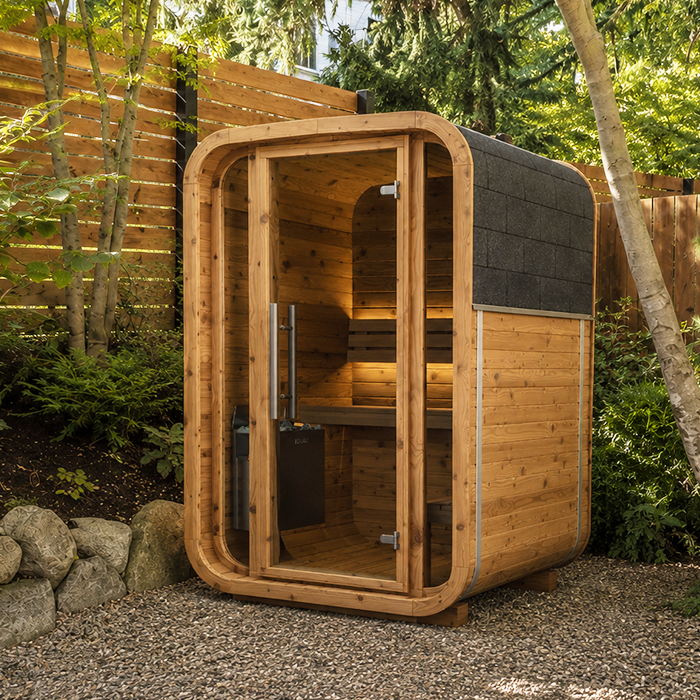
Prepare a suitable base before delivery
The base should match the requirements for the chosen sauna and the conditions at your site. Ask the supplier for the relevant instructions, then have a competent builder or other appropriate professional assess the ground and proposed preparation. Levels, water run-off, existing surfaces and underground services can all affect the work; there is no single base arrangement that can be recommended for every garden. Do not guess at structural requirements or try to derive them from a product image or area listing.
Schedule any excavation, construction and follow-up checks early enough to finish before the agreed delivery. Ask the person doing the work how long the materials and site need before they are ready for the next stage, especially if weather could affect the programme. Have the installer or supplier confirm what they expect to see before the sauna is placed. When planning around a candidate such as Sauna HC-225, make sure the base instructions relate to the exact configuration being ordered; a late model change can mean revisiting the preparation.
Coordinate the heater and any utility work
Confirm the intended heat source and whether it is included in the order. If the sauna uses an electric heater, ask what connection and preparatory work the manufacturer specifies, then arrange an appropriately qualified electrician to assess and carry out the electrical work. If you are considering a wood-burning heater, ask a competent installer about the requirements for that setup and whether any further approval or site checks apply. Do not plan connections or clearances from generic advice; they need to match the actual equipment and instructions.
Book the relevant professional early enough that their work can be coordinated with installation and commissioning. Clarify who supplies each component, when access to the site is needed, and whether the installer needs documents or site details in advance. Naming the exact candidate, for example Sauna N-210, helps the supplier and electrician discuss the same proposed configuration; it does not establish what heater or connection is included. Leave time to resolve questions before delivery rather than discovering that a separate trade still needs to be arranged.
Verify availability and the current lead time
Ask for a current lead time for the exact model and configuration, and whether the estimate is based on stock, manufacture or another supply arrangement. Find out when the stated period begins: it might be linked to an order confirmation, receipt of information or another milestone, so do not assume. Check whether it includes dispatch and transport, or whether those stages are quoted separately. A general estimate for a product category is not a dependable schedule for a particular order. If drawings or configuration details need your approval, ask when you will receive them and how quickly a response is needed to keep the proposed schedule. Find out whether outstanding choices prevent the order progressing, rather than assuming everything starts when you make an enquiry or payment. Note the date and basis of the estimate in your plan. That gives you something specific to revisit if the order is accepted later than expected or a required decision takes longer.
Have the supplier distinguish an estimated window from a confirmed date and explain how updates will be communicated. Ask when the delivery appointment is usually agreed, how a change to the specification affects timing, and whether you must be ready by a particular point. For a candidate such as Sauna N-250, check the live listing and quote at the time you order rather than treating an older page or message as proof of current availability. Record the answers and revisit them if the first-use target, configuration or site plan changes.
Plan delivery as a separate project milestone
Delivery does not necessarily include unloading, assembly or installation. Ask what is included in the supplier’s and carrier’s scope, who needs to be present, what equipment or access arrangements are expected, and whether the delivery vehicle needs a particular approach to the site. Agree who will receive the sauna and where it can be placed temporarily if it cannot go straight to its final position. Confirm the process for reporting damage or missing items, rather than relying on assumptions about the paperwork.
Agree when site readiness must be confirmed before dispatch, and tell the supplier promptly if the route, base or receiving area is likely to be delayed. Ask for the handling information that applies to the ordered configuration, such as Sauna LC-260, and check it against the measurements made during the site survey. Before delivery day, make sure access is clear and the responsible people know the agreed time and plan. If arrival and installation are on different days, ask how the delivered items must be stored and protected in the meantime, following the supplier’s instructions. Confirm who will take responsibility for that storage and whether the space will remain accessible to the installer. Temporary storage is a separate arrangement to settle, not a reason to accept delivery onto an unsuitable site. If the supplier or carrier identifies a condition that could prevent unloading, resolve it before dispatch or ask how a revised appointment would be handled, including any associated terms or charges.
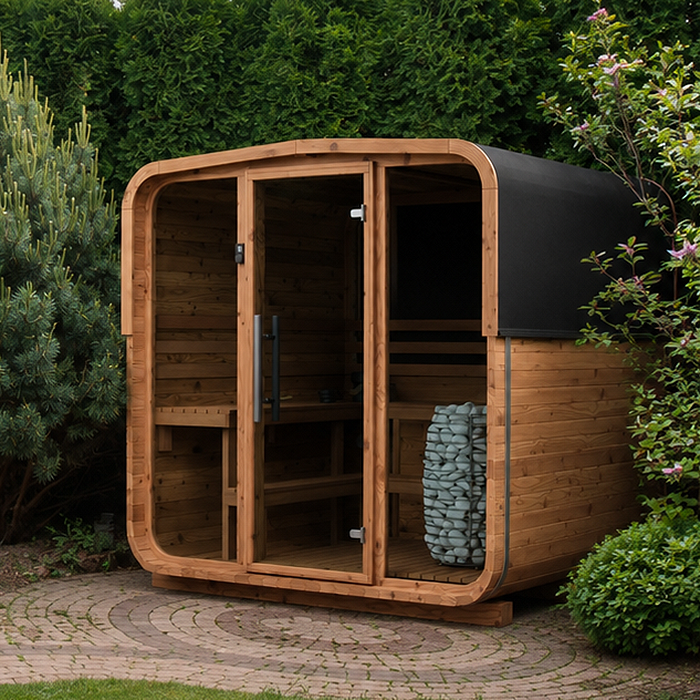
Allow time for installation and commissioning
Confirm who is responsible for assembly or installation and whether that work is part of the order. If it is arranged separately, check the installer’s availability before delivery and agree how the sauna will be handled between arrival and installation. Coordinate the installer with any electrician or other professional who is needed for the selected heat source. Ask what needs to be complete before each person attends, and whether they require access to the model-specific instructions or other documents.
Commissioning is the final readiness check, not another name for delivery. Confirm who will carry it out, what they will check and what operating instructions or handover information you should receive. Follow the relevant manufacturer instructions and the responsible installer’s guidance; do not start using the sauna while necessary work or checks remain outstanding. Keep the exact product record, for example Sauna HCF-300, with the documents provided for the supplied version. At handover, ask the responsible installer to distinguish anything that prevents use from any remaining finishing work. Record who will resolve outstanding items and when, rather than treating an installation visit as automatic confirmation that everything is complete. Allow time to read the operating and care instructions and ask questions about anything unclear. Confirm the first-session date only once installation and commissioning are complete and the responsible professionals have confirmed readiness. If a return visit is needed, include it in the schedule rather than squeezing it into the original target.
Build in a buffer and review the schedule
A useful backward plan names each milestone, its owner and the date by which it must be complete. Starting from the intended first session, schedule commissioning, installation and delivery; before those, allow for site preparation, utility work and any required decisions; then place the order when the product and site plan are clear. Ask the supplier for current timings for the steps they control, and ask each trade for their own availability. This gives you a project sequence without pretending that every order or garden has the same duration.
Keep some room between uncertain milestones instead of scheduling each task to finish on the day the next one begins. The right amount depends on what is unresolved: a pending approval, a difficult access route, weather-sensitive work or an unconfirmed installer appointment may call for more flexibility. Set reminders to check the order status, confirm the delivery slot and verify site readiness at sensible points. If a date or specification changes, update the whole plan and tell the people affected. A target window with realistic slack is more useful than a precise first-use promise based on an unverified lead time.
Frequently asked questions
How far in advance should I order an outdoor sauna?
There is no reliable number of weeks that applies to every model and order. Ask the supplier for the current lead time for your exact configuration, whether it is available or made to order, and what event starts the clock. Then add the time needed for permissions, site work, delivery, installation and commissioning, including a buffer for anything not yet booked. Recheck the estimate before committing to a first-use date.
Can I order before the base is ready?
Possibly, if the selected model and site plan are settled and the supplier can confirm how the order and delivery date will be managed while work continues. Before proceeding, ask whether delivery can be moved if the base is delayed, what storage or redelivery arrangements are available, and whether a change affects the order. Do not assume an unfinished site can hold a delivery slot indefinitely.
Should I treat the first-use date as fixed?
Treat it as a target until the main dependencies have dates: the order or manufacture schedule, completed site preparation, delivery, installation and commissioning. If the date is important, make a plan B, such as a later target window, rather than relying on an unconfirmed estimate. A supplier’s lead time is only one part of the schedule.
What should I check about delivery before ordering?
Ask how the sauna will arrive, what access and vehicle arrangements are needed, who is responsible for unloading, and whether delivery includes any installation work. Get the package and handling information for the exact configuration, then compare it with the whole route to the prepared site. Confirm how to report missing or damaged items and what to do if the delivery cannot be completed.
Does delivery mean the sauna is ready to use?
Not necessarily. Delivery, assembly or installation, connection of the chosen heat source and commissioning may be separate stages or involve different people. Check the order scope and arrange any required qualified trades in good time. Use the sauna only after installation and commissioning have been completed in line with the applicable instructions and the responsible installer’s guidance.
The best time to order is when you know what you are buying, have checked that the site and access plan are workable, and understand the current supply schedule. You can then coordinate preparation with manufacture without confusing a delivery estimate with a ready-to-use date. Keep installation, utility work and commissioning in the plan, and preserve enough flexibility to respond if a dependency moves. That is what turns an intended first session into a realistic project target.
