
Where Should You Put a Hot Tub in Your Garden?
Garden hot tub location guide
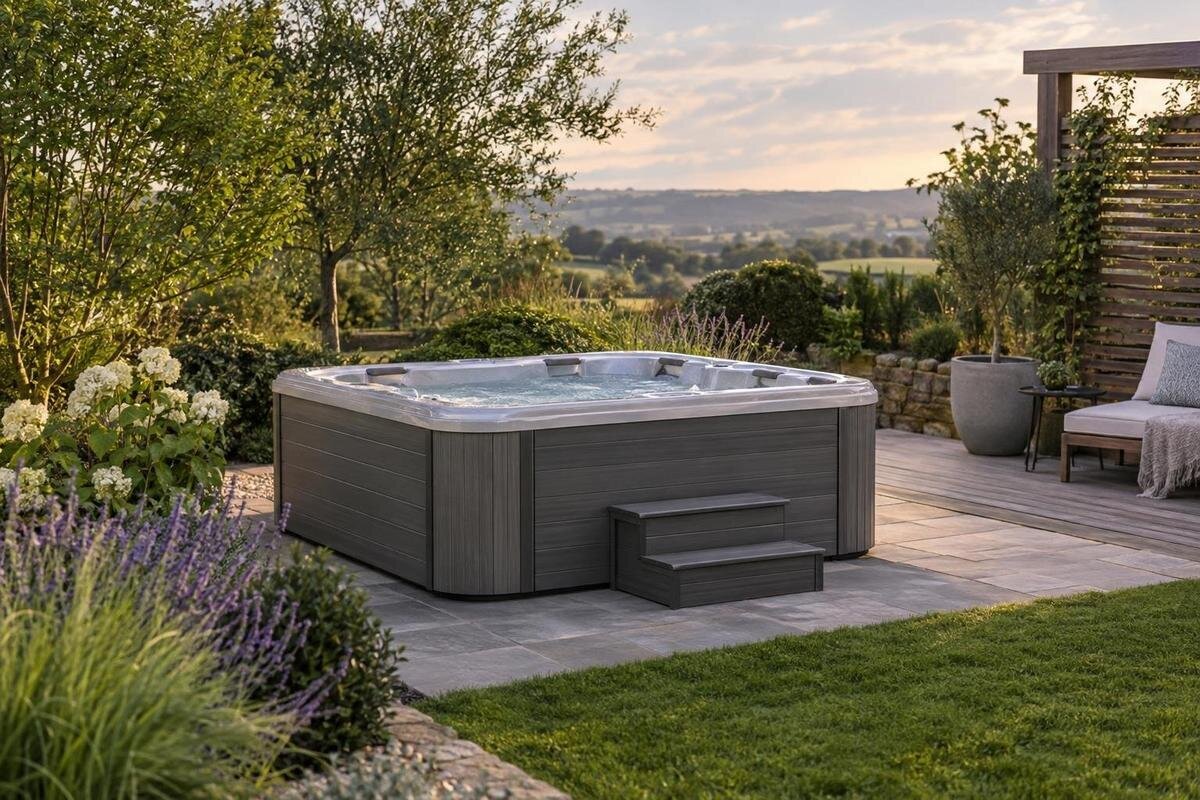
Choosing a garden position for a hot tub means weighing how it will feel to use against how it fits into daily life. Compare a few real spots for privacy, shelter, sunlight, wind, views, neighbours and the routes you already take; then check the exact model’s siting guidance before committing.
Start with how you use the garden
Think about an ordinary visit, not only the ideal picture of a warm evening. When would you use the tub, and would you normally step outside directly from the house or be content to cross the garden? Who is likely to join you? What do you tend to do before and afterwards? A position that looks inviting during a daytime viewing may feel inconvenient on a dark, wet evening if the route seems exposed or detached from the rooms you use. Conversely, a quiet corner could feel too isolated if you want to chat with people by the house. Write down two or three realistic routines, including one you expect to follow in less appealing weather.
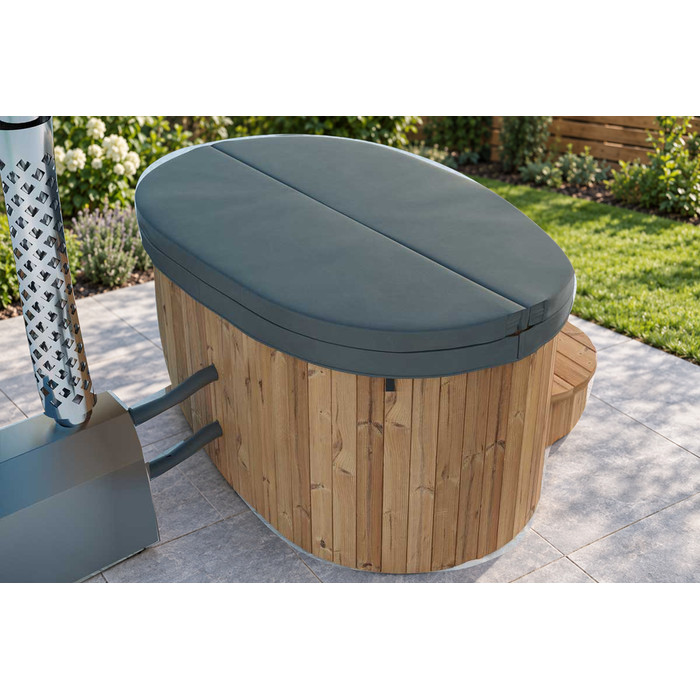
Use those routines to separate priorities from nice-to-haves. Perhaps a short route matters most, or you would trade a few extra steps for privacy; perhaps you want to keep the tub near existing outdoor seating without losing that space. If you are considering Bloomcabin hot tub Cove 2, describe how you would like to use it before choosing its position. For each likely routine, note which part of the garden appeals and why. If weekday evenings and weekend afternoons suggest different locations, decide which matters more to you. This gives you a practical basis for comparing spots rather than choosing solely for appearance.
Shortlist realistic positions
Begin with a small shortlist rather than redesigning the whole garden around the tub. Walk through the garden from the house and note the areas already used for eating, sitting, play, gardening or simply passing through. Identify two or three possible positions, including a reserve option if one exists. Do not dismiss a spot because it is not the first one you notice: the view from the door may conceal a quieter position further along, while an apparently empty corner may already serve another purpose. A rough sketch with each candidate marked is enough to compare them; it is a memory aid, not an installation plan.
For each spot, add a short note on what you like, the main drawback and any point you cannot yet establish. That keeps the comparison specific: one position might have an easy route but feel exposed, while another could be private but compete with a dining area. If Bloomcabin Hot Tub Haven 6 is under consideration, keep it alongside your shortlist rather than treating one corner as its settled home. Separate what you can observe in the garden from questions that depend on model information. This lets you compare the locations fairly while keeping a reserve option available if your first choice proves unsuitable.
Check privacy from every sightline
Privacy is more than whether a fence runs along the boundary. Imagine where you would sit and look around at seated height as well as while standing. Check sightlines from nearby houses, upper windows, garden paths and your own rooms. A position can feel secluded from the patio yet be visible from an upstairs window. Also consider whether people in the house can see the area if that matters to you: some households prefer an unobtrusive retreat, while others value keeping the tub in view. Assess each direction separately instead of labelling an entire corner private or exposed.
Look beyond the garden’s appearance on the day you visit. Leafy planting may provide a useful visual screen in summer yet leave the spot more exposed at other times of year; adding a screen can also change what you see across the garden. Decide whether you want full seclusion, partial screening or an open view, since each choice affects the feel of the spot. When considering a position for Bloomcabin Hot Tub Fjord 8, distinguish privacy while sitting in the tub from privacy on the approach. You may be happy with an open route to a secluded corner, or prefer a position that feels less overlooked throughout the visit.
Compare sun, shelter and wind exposure
Notice how sunlight and shade move across each candidate position at the times you expect to use the tub. A midday visit will not show what the spot is like in the morning or later in the day. Think about whether you prefer an open, bright outlook or a more sheltered feel, and whether glare or shade would bother you. A sunny corner can be pleasant at one hour and feel quite different later; a shaded position can be appealing to one household and gloomy to another. No single aspect is best for every garden, so base the choice on your likely routine rather than a general rule.
Pay attention to wind as well as sunshine. An exposed approach may feel less comfortable, while nearby buildings, trees or boundaries can offer shelter from some directions but not others. Notice whether gusts move leaves or rain across the area, and whether conditions change between parts of the garden. If you are comparing positions for Bloomcabin hot tub Aurora 10, record which spots feel comfortable in the weather you actually encounter. Be specific about what bothers you: wind along the route, an exposed sitting position or a gloomy outlook. Revisit on a breezy or wet day if possible; otherwise, leave the relevant observation open rather than assuming shelter.
Make the route from the house practical
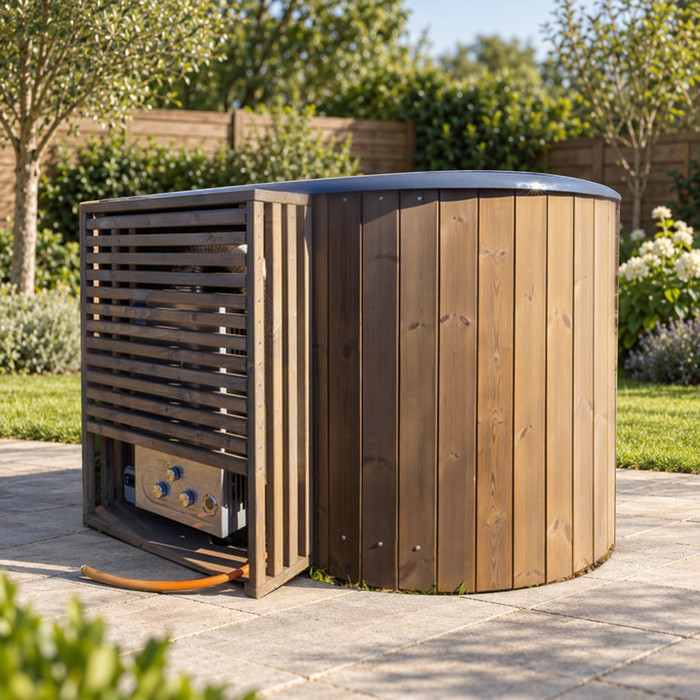
Walk the route you would actually take, rather than judging distance from a plan or doorway. Try it at the time you are most likely to use the tub and consider how it feels carrying towels or changing into outdoor clothing. A route that passes a useful door may be more convenient than a slightly shorter one from another part of the house. Notice awkward turns, changes in level, muddy sections or places that feel exposed. You do not need to plan construction at this stage; the aim is to understand whether the everyday journey to a candidate spot feels straightforward.
Consider the return journey too, as well as how other people move through the garden. A position beside a busy path may feel connected to the house but interrupt the route to a seating area or shed. A more secluded location might offer a calmer experience but make spontaneous use less likely. If Cove 2 from Bloomcabin is on your shortlist, picture both a quick visit and a leisurely evening in each candidate spot. Would you still welcome the walk back to the house afterwards? Keep convenience in balance with privacy and weather exposure, and distinguish a route you genuinely enjoy from one you would merely tolerate.
Consider neighbours and sound
Look at how the position relates to neighbouring windows, patios and garden seating, not only to the boundary itself. A spot that feels private from your house may be prominent from next door, particularly when people are outside or windows are open. Imagine normal conversation at the times you expect to use the tub and notice where it might carry. Fences, buildings and planting can alter the feel of a space, but it is unwise to assume that a visual screen will make a position acoustically private. If you have two similar options, compare how each relates to the nearest neighbouring sitting areas and windows.
Think about the needs of people who share your garden as well. One household member may want a sociable position near the seating area; another may value quiet and distance from the main activity. Make those preferences part of the shortlist instead of treating them as afterthoughts. If sound is a deciding factor when considering Haven 6 hot tub from Bloomcabin, distinguish conversation and garden activity from questions about the model’s operating sound. Consider when nearby spaces are used, rather than judging distance alone. A position beside the main seating area deserves particular thought if people expect to use both spaces differently at the same time.
Keep the view and other garden uses in balance
Consider what you would see from the tub and what the position would look like from the house. You might prefer a view of planting or open sky, or you may be content with a less prominent corner if it feels private. Check whether the tub would block a view you currently enjoy, interrupt the garden’s main outlook or become the first thing you see from a frequently used room. These are different questions from privacy: a position can be screened from neighbours yet still dominate your own view, or be visually pleasing while offering little seclusion.
Think about the garden activities you want to keep, including dining, sitting, gardening and children’s play. A position that seems spare on a quiet day may be in the way when the garden is being used as usual. If Fjord 8 from Bloomcabin is on your shortlist, use confirmed dimensions rather than its model number or a product image to judge how it would sit in the view and alongside other activities. The goal is not to preserve every use exactly as it is now, but to make a deliberate choice about which uses can share the space and which need to remain separate.
Revisit each spot at different times
A simple observation routine can make the shortlist more reliable. Visit each position in the morning, later in the day and at the time you are most likely to use it. Note the light, shade, wind, privacy and how the route feels, rather than relying on memory or one attractive view. If you can, include a wet or breezy day as well as fine weather. Record the conditions alongside your notes: a sheltered corner on a still afternoon may feel quite different when the wind changes. You do not need a complicated rating system; a few specific observations are easier to compare than a vague impression.
Try viewing each candidate from the places that matter: the house, the garden entrance, nearby seating and the position where you imagine sitting in the tub. If other household members will use the garden, ask them to make the same visit and describe what they notice. This can reveal different priorities without making the decision a debate over a single favourite corner. When you cannot observe a condition or season, mark it as unknown rather than filling the gap with an assumption. The comparison should show which positions are consistently appealing and which depend on one particular moment.
Check the exact model’s siting requirements
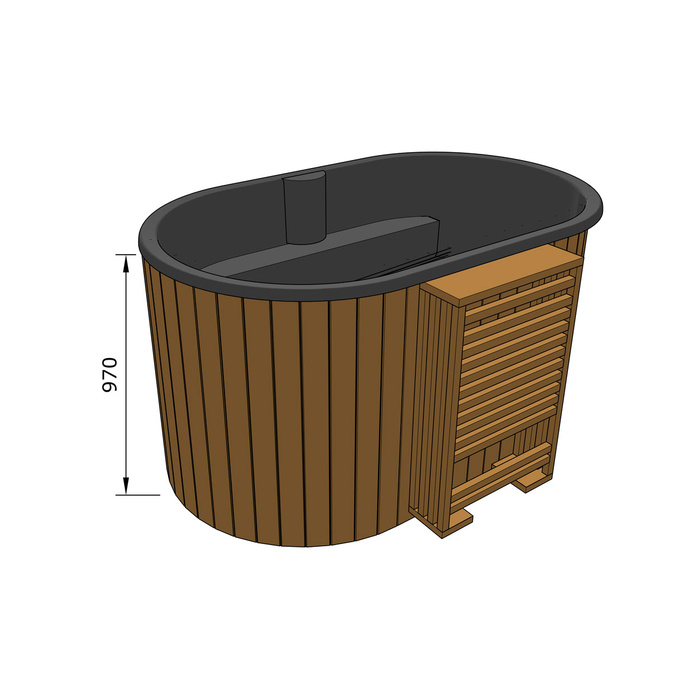
A catalogue name is not a technical specification. Names such as Cove 2, Haven 6, Fjord 8 and Aurora 10 do not confirm dimensions, capacity, access requirements or whether a particular garden position is suitable. Before settling on a location, check the current product information and the manufacturer’s siting guidance for the exact model you intend to buy. Compare any stated requirements with the position you have shortlisted, not with a general picture of a hot tub in a garden. If information is unclear or appears to conflict with your plans, ask the supplier to clarify it before ordering.
Some questions about a proposed position cannot be answered by a product page alone. If the choice depends on the condition of an existing structure, the surrounding area or nearby services, take the exact model information and proposed location to an appropriately qualified professional. Do not infer what a position can accommodate from a photograph or model number. For Aurora 10 from Bloomcabin, just as for any other model, rely on current model-specific guidance and a suitable assessment where needed; this article does not establish technical suitability for any particular site.
Choose the spot, change it or reconsider the model
Compare the shortlisted positions using the priorities you wrote down at the beginning. For each one, record what works well, what could become irritating in regular use and what still needs confirmation. Keep essential requirements separate from preferences: a beautiful view may be a bonus, while an inconvenient route or unresolved siting question may matter more. A simple rating can help organise thoughts, but it should not hide a concern that could rule out a position. The useful result is a clear account of the trade-offs, not a score that pretends every factor matters equally.
Keep your preferred spot if it fits the way you use the garden and the exact model’s requirements are confirmed. Choose another position if the problem is tied to that part of the garden, such as poor privacy, exposure or interference with another regular activity. Reconsider the model if none of the available positions works with its confirmed requirements; a different model may change the options, but only verified information can show that. If an important answer is still missing, pause the decision rather than treating an assumption as confirmation.
Frequently asked questions
How many garden positions should I compare?
Two or three realistic options are usually enough to reveal useful trade-offs. Include a backup if you have one, and note why each spot appeals, what may be inconvenient and what still needs checking. Comparing a short list is more useful than judging every empty corner in isolation.
Is a sunny or shaded position better?
There is no single answer for every garden or household. Notice how sunlight and shade change at the times you expect to use the tub, and whether you prefer an open or more sheltered feel. Check the chosen model’s requirements separately; sun exposure does not establish whether a position is suitable.
Is the most private corner automatically the best choice?
Not necessarily. A private spot may be a long walk from the house, exposed to wind or awkward to combine with other garden activities. Compare sightlines alongside the route, weather exposure, views and regular uses before choosing.
Can I judge whether a hot tub will fit from its name or a photo?
No. A model name does not confirm its dimensions, capacity or siting requirements, and a product photograph shows the product rather than your garden conditions. Use current information for the exact model and check it against the position you have in mind.
What if a position only seems appealing in fine weather?
Revisit it in different conditions if you can, especially at the times you are likely to use it. Record what changes in wind, rain, light and privacy. If you cannot observe a particular condition, mark it as an unknown and compare the spot with a more reliable alternative.
A good position should still make sense after you have seen it from the house and garden, at the times you are likely to use it and in more than one kind of weather. When the view, routine and garden uses all point to the same spot—and the exact model’s requirements have been checked—you can choose with fewer assumptions. If they do not, a different position or model may be the more practical choice.
