
Wood-Fired or Electric Hot Tub: Which Suits Your Routine?
Outdoor hot tub guide
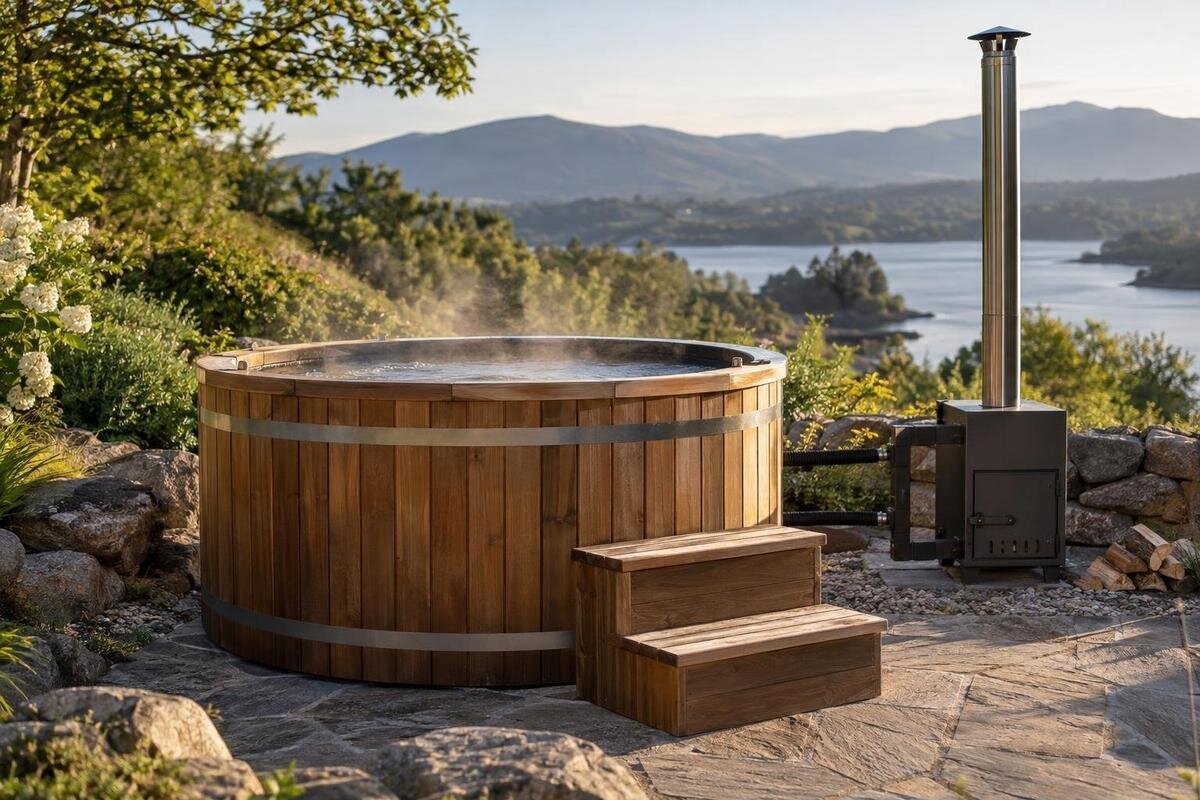
Choosing a wood-fired or electric hot tub is really a choice about the work surrounding a session. A wood-fired arrangement generally involves sourcing and managing fuel and a fire; an electric one avoids those wood-specific tasks but depends on the exact product's power requirements and controls. Neither description tells you whether the tub will fit a spontaneous evening or feel easy to operate. Your answer depends on how often you expect to use it, who will handle the preparation and how much involvement you enjoy. Compare those recurring tasks with the manufacturer's instructions for the exact model rather than assuming one heater type is universally more convenient.
01
How a hot tub fits your routine
The useful comparison is the whole routine, not a single line saying wood-fired or electric. Picture a session from the moment you decide to use the tub until you finish and leave it in its normal operating state. When does preparation need to begin? Who has to be available? Which steps require attention while the water is being brought to the condition specified by the maker? What needs doing afterwards? These questions reveal whether the heater's demands fit your household. The model's design and instructions still matter, so broad differences between heating types are a starting point, not a substitute for checking the exact product and its operating guidance. Consider a typical weekday and a more relaxed day separately; they may call for different levels of planning.
A wood-fired option may appeal if preparing and tending a fire feels like part of the occasion; if it sounds like a chore, that is equally relevant. An electric option avoids arranging wood for each fire, but depends on the product's stated electrical requirements and controls. Neither label promises an effortless session or immediate readiness. The catalogue name Bloomcabin hot tub Cove 2 identifies a model, not its heater type or configuration. Verify what is actually offered before treating any named product as an example of either routine. Decide which preparation tasks you would willingly repeat and who would take them on, rather than choosing whichever heating label sounds simplest.
Planned sessions versus spontaneous use
If an unplanned soak matters to you, ask what the process looks like from the tub's actual starting condition, rather than judging by the heater label. A wood-fired setup generally involves starting and managing a fire; an electric setup still has a defined operating sequence and depends on its power arrangement. The amount of preparation may also depend on how the tub has been kept between uses, so check the maker's instructions instead of assuming it is ready. In practice, spontaneity depends on the steps required, who is available to do them and whether they fit your day. Neither heating type guarantees that you can decide at the last moment and use the tub straight away.
Picture a busy evening rather than an ideal day with no competing plans. Would you be happy to set aside attention for fire management, or would you rather follow the electric system's stated procedure? Do not presume that an electric tub can be operated remotely, programmed or left in a ready state; those details depend on the exact product. For Bloomcabin Hot Tub Haven 6, confirm the operating sequence and starting requirements for the configuration being offered. Ask which steps you could plan earlier and which would require attention nearer the session. That distinction is more useful than simply describing a tub as convenient.
02
How often will you use the tub?
Occasional use and frequent use create different kinds of friction. If you plan to use a tub for gatherings or other booked-in occasions, preparing a fire may feel like part of a deliberate event, provided the specified fuel and an operator are available. With more regular sessions, you may find that repeating fuel-related tasks is welcome or that you would rather avoid them. Electric heating removes those wood-specific jobs but still relies on the product's stated power setup and controls. Frequency alone does not favour either type: consider whether the recurring sequence will still feel realistic when you are busy, tired or short of help.
Think about your actual pattern across the year as well as an ordinary week. A long gap between sessions may affect how you prepare either kind of tub for use, so check the manufacturer's instructions for periods when it is not in use and for returning it to operation. When reviewing Bloomcabin Hot Tub Fjord 8, consider those instructions alongside the heating configuration offered. Would you use it steadily, or have several sessions followed by a long break? Compare both patterns rather than assuming that your first enthusiastic weeks will represent the whole year.
How hands-on do you want to be?
Hands-on involvement means more than pressing a control. A wood-fired system generally brings tasks such as preparing the specified fuel, lighting and managing the fire, following the maker's instructions throughout. An electric system avoids those wood-fire steps, but users still need to understand its start-up, operating, shutdown and routine-care instructions. How much interaction is involved depends on the particular model and the options supplied. Do not assume that a control panel, app, timer or automatic function comes with every electric tub. Ask what a normal session requires from the person using the exact product, including which stages call for their attention.
Be honest about whether preparation would feel like part of the enjoyment or a job you would keep postponing. Separate tasks you actively enjoy from those you are merely willing to do: both can be acceptable, but they create different expectations. For Bloomcabin hot tub Aurora 10, ask for the operating steps and control details so you can make that distinction for the configuration offered. An electric option may suit a household that would rather not manage fuel, but the controls still need to feel usable. Consider whether you would be comfortable following the procedure on a busy evening, not only during a demonstration.
03
Wood-fired tubs: fuel and fire tasks
For a wood-fired tub, fuel is part of the operating plan, not a one-off detail. Ask the manufacturer which fuel is specified, how it should be stored and handled, how it is used during a session, and what the instructions say about ash or other residue. Clarify whether the operator needs to attend to particular stages; do not infer the answer from photographs or a generic description. It is also worth considering whether you can source and move the specified fuel reliably when you want a session. These are practical routine questions: follow the product guidance rather than improvising a process based on assumptions about wood-fired equipment.
Consider storage and access in everyday terms. Can you keep the specified fuel as directed, reach it easily when preparing a session, and follow the instructions for handling any residue afterwards? Think about the complete task, including putting things away, rather than just lighting the fire. If those jobs sound satisfying, they may be part of the appeal; if not, they could frustrate you even when the tub itself is attractive. When reviewing the Bloomcabin hot tub Cove 2 listing, first confirm whether a wood-fired configuration is available, then use its specific fuel guidance to assess how those tasks would fit your routine.
Electric tubs: power and controls
An electric hot tub moves planning from obtaining fuel to confirming an appropriate electrical arrangement for the exact model. Its product information should set out the required supply and connection, as well as how the controls are intended to be used. Do not guess from a photograph, a model name or the presence of an outdoor socket. Ask the supplier or manufacturer for the current written requirements, then have a suitably qualified electrician or installer assess what is needed at your site. This is a suitability question, not a DIY wiring guide; base any work on the product instructions and professional advice.
Consider whether the confirmed power arrangement fits the times you expect to use the tub and what you would do if operation is interrupted. Ask how the controls behave after a restart and whether the instructions require particular steps; do not assume the answer. Electric heating removes the need to obtain, carry and store wood, but it is not independent of household arrangements. Before shortlisting the Bloomcabin Hot Tub Haven 6 listing, confirm which heating type is offered and request the electrical details for that configuration, rather than relying on assumptions about other products.
04
Shared use and responsibility
Where more than one person will use the tub, think about how operating tasks are handed over. A wood-fired routine may depend on someone knowing the manufacturer's instructions for the fire and fuel; an electric routine still depends on users following its controls and operating guidance. Ask whether the people likely to prepare a session can access clear instructions, whether one person will take responsibility and what happens when that person is away. A routine that works only when one enthusiast is available may not suit a household expecting shared use. The aim is not to make everyone responsible for every task, but to avoid relying on unspoken knowledge.
Include guests or family members only to the extent that they are genuinely likely to operate the tub; occasional visitors need not dominate your choice. Focus on the people who will prepare, attend to or close down a session. Ask for the guidance associated with the Bloomcabin Hot Tub Fjord 8 listing and work through who would handle each part. If one person prepares the tub and another finishes the session, agree how they will communicate what has been done and what remains. Shared use is easier to assess when responsibilities are explicit rather than left to whoever happens to be nearby.
Check the exact model's operating details
Compare products using operational information, not just a broad heating label. For each exact option, confirm whether the tub is wood-fired or electric, whether the heating arrangement is fixed or offered as a choice, what is included and what you need to arrange separately. Then ask for the manufacturer's current operating instructions. Check what they say about starting the tub, user controls, stages that need attention, shutdown and what to do after an interruption. These questions reveal how the routine would work without requiring you to estimate performance or assume that two models in a range share the same setup.
When reviewing the Bloomcabin hot tub Aurora 10 listing, match the information to the configuration you would actually select. Request clear answers about its heating type, control method and any fuel or electrical requirements. If scheduling, remote control or automatic operation matters to you, ask whether that exact feature is included and how it works. Describe the task you want it to perform rather than relying on a feature name: which step would it handle, and what would you still need to do yourself? This keeps the comparison focused on the operating routine rather than on a list of appealing but poorly understood options.
05
Compare the routine on an ordinary week
A practical test is to sketch an ordinary session for each heating style you might genuinely choose. Start with who will be home, when you are likely to decide and who can spare attention for preparation. Add the recurring realities: access to the specified fuel or power arrangement, carrying out the start-up steps, following the instructions during use and leaving the tub in the state required afterwards. Use a normal busy week rather than a holiday or a day when everyone has unlimited time. That way, an appealing but unrealistic plan is less likely to make the decision for you.
Mark each part of the routine as comfortable, manageable with planning or a clear obstacle. A wood-fired option may fall away if obtaining and handling fuel is unwelcome; an electric one may not fit if its confirmed power arrangement or controls do not suit your home. Either can work when its actual tasks are acceptable. If you cannot place a step because the information is missing, leave that question open and ask for an answer rather than awarding a model an imagined advantage. This exercise is about your habits, not a promise about performance.
When each heating style may suit you
Wood-fired may suit you if you enjoy preparing and managing a fire, can obtain and store the specified fuel as instructed, and are content to plan around that work. Electric may suit you if avoiding wood handling matters more and the product's confirmed electrical requirements and controls are workable. These are tendencies, not a ranking: one buyer may value the hands-on ritual, while another may prefer not to take on those tasks. Neither type guarantees convenience. The fit depends on the particular product, the routine it requires and the people who will operate it.
The final choice comes down to which routine you would willingly repeat. If a wood-fired session appeals only when someone else handles the fuel and fire, include that dependence in your decision. If electric heating appeals because you expect a particular control function, make sure the selected configuration actually provides it. Separate firm requirements from preferences: avoiding wood handling may be essential to you, while a scheduling feature may simply be desirable. A suitable choice need not remove every task, but its recurring demands should be ones you accept. Choose for an ordinary week rather than for an ideal occasion with unlimited time.
Frequently asked questions
Can a wood-fired hot tub suit regular use?
Yes. How often you use it does not decide the heating type by itself. Consider whether you are happy to organise the specified fuel and follow the fire-management instructions each time. If those tasks fit your routine, regular use may suit you; if they feel like an obstacle, the same routine could become tiresome.
Is an electric hot tub automatically more convenient?
No. Electric heating avoids handling wood, but the exact model still has power requirements and an operating process to understand. Controls and features vary, so do not assume that a tub can be scheduled, operated remotely or left ready to use. Convenience depends on how those requirements fit your home and habits.
Do both types require planning before a session?
Often, yes, although the tasks differ. A wood-fired arrangement generally involves managing fuel and a fire. An electric arrangement depends on its stated power setup and the manufacturer's instructions. Ask what needs to happen from the tub's actual starting condition; neither heating label guarantees an unplanned soak.
Can I tell a hot tub's heating type from its model name?
No. A model name identifies the product, but it does not establish which heating configuration is offered, what controls it has or what its operating requirements are. Check the details for the exact version you are considering and ask for its current operating guidance.
What should I ask before choosing a model?
Confirm the heating type for the exact configuration, request the operating instructions and ask what the user does before, during and after a session. For wood firing, clarify the specified fuel and its handling guidance. For electric heating, confirm the power requirements with the supplier and a suitably qualified professional.
Wood-fired and electric heating differ most in the tasks they bring to your routine: fire and fuel on one side, a confirmed power arrangement and operating controls on the other. Compare what happens before, during and after a session, then check those steps against the instructions for the exact product. A heating style that fits your ordinary habits is more useful than one that merely sounds convenient.
