
Estimating Wood-Fired Sauna Fuel Costs
SAUNA RUNNING COSTS
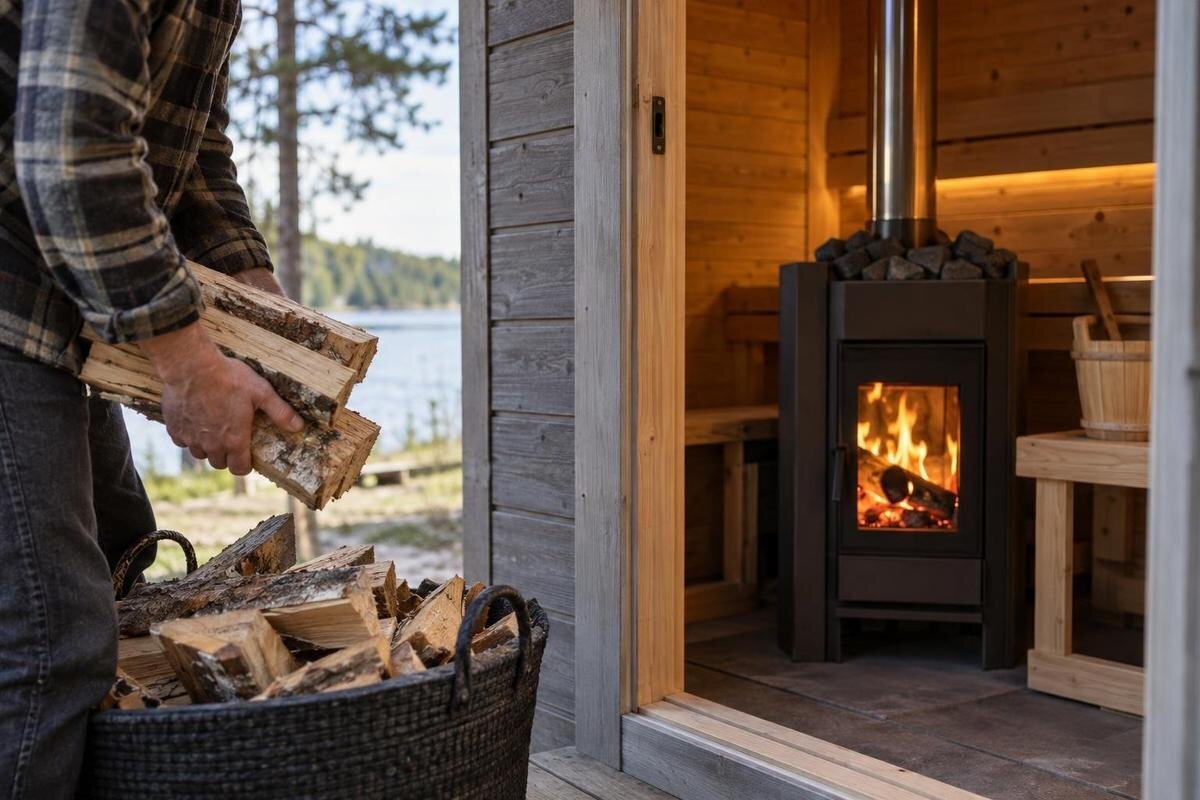
Wood-fired sauna fuel costs are easiest to estimate from the firewood you actually use and the price you paid for that same quantity. A bag size, a stove rating or a generic ‘logs per session’ figure cannot tell you what your own heating cycle costs. Record fuel from lighting through warm-up and bathing, convert the purchase price to a matching unit, then add the share of delivery and starting materials you choose to count. Repeat this over several ordinary sessions and note the conditions. The result is a local, evidence-based cost per session, rather than a guess based on a standard burn rate.
Before choosing a sauna 1
Define the sauna session being costed
Decide what one session means before measuring. For a household estimate, define it as one complete heating cycle: the wood used to bring the sauna to the conditions you normally use, the fuel added while people are bathing, and any further fuel used to maintain heat for that same visit. Starting the count only when somebody enters leaves out the warm-up and makes the figure incomplete. If several people share one preheated visit, record one cycle; divide by the number of users only if you also want a per-person figure. If the fire remains in use for a later group, count that fuel within the same cycle or record a new cycle consistently.
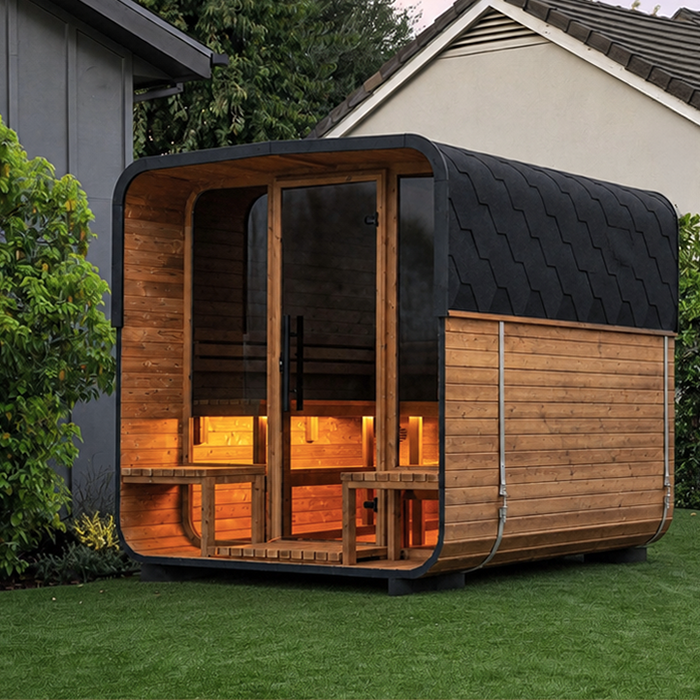
Set the cost boundary too. A fuel-only result covers logs consumed; a broader session total can include kindling, firelighters and an allocated share of delivery. It does not automatically include the cabin, heater purchase, installation or maintenance, which belong in separate budget lines. Record the exact sauna and heater configuration beside each measurement—for example, Sauna HCF-300—and check the current listing or manufacturer information to see whether a wood-fired heater is included or selected separately. A model name alone establishes neither the supplied equipment nor its fuel consumption. Use the same cost boundary for every session you compare.
Measure the firewood used
Measure wood as it leaves storage, rather than estimating from the height of a stack after the fire. For logs bought by weight, weigh the portion set aside for a cycle and record the unit; if you use a crate or bucket, account for its empty weight. For volume-priced wood, use a repeatable container and the same loading method each time. A loose-filled bag, neatly stacked logs and a supplier's stated volume may use different packing conventions, so do not switch between them mid-record. A pre-measured batch makes repeated sessions easier to compare. If the batch contains different types of wood, note each separately.
Record the amount actually added to the fire, rather than everything set aside. Deduct unused logs returned to storage from the prepared batch; do not attempt to retrieve or weigh partially burnt fuel. If you cannot measure the unused portion reliably, mark the reading as approximate. Keep kindling and firelighters separate initially so their cost is not hidden in the log figure. Label the record with the cabin model, such as Sauna HCF-225, and the actual heater fitted. For volume measurements, describe the container, fill level and packing method. This lets you repeat the measurement without relying on memory or an informal count of differently sized logs.
Before choosing a sauna 2
Convert the local firewood price into a unit rate
For each supplier quote or invoice, write down the price, the amount in the seller's unit, the fuel description and the purchase date. Divide the charge for the firewood by the quantity stated to get a price per matching unit. If logs are sold by the bag, a rate per bag is useful only if you can record how much of a bag a cycle consumes; if they are weight-priced, a price per kilogram pairs naturally with a weighed batch. Where the invoice has separate lines for firewood, kindling and delivery, keep these visible instead of treating the total as a pure log price. Use the amount you actually paid, not an old estimate.
Weight and volume are not interchangeable. Do not assume that a bulk bag contains a fixed mass or that two sellers use the word load in the same way; use the supplier's stated quantity or verify what was supplied. For a fair comparison, check the description of the wood and any stated moisture or preparation details alongside the unit. Record whether the quoted cost includes delivery and taxes, then include each charge once: in the delivered rate or as a separate allowance. Keep the invoice so you can recalculate if the price, supplier or buying format changes. If a quote differs from the eventual purchase price, label those as separate inputs.
Calculate the fuel cost per session
Use a simple unit calculation. Let B be the firewood cost for a purchase and Q the quantity on the invoice. B divided by Q is the price per unit. If one heating cycle uses U of those units, its log cost is U multiplied by B divided by Q. Keep kilograms with a price per kilogram, or bags with a price per bag; if your measured unit differs from the billed unit, use a conversion only when the supplier provides one or you have measured it. For a mixed load, calculate each type at its own rate and add the results rather than assigning one average price without checking the mix.
Add kindling or firelighters at their measured or allocated cost, then add any delivery allowance not already included in B. Across several cycles, divide the total cost of fuel consumed by the number of cycles to find an average. Do not charge an entire new purchase to the first session if most of the stock remains. If you keep separate worksheets for different cabins, label each clearly, for example Sauna S-140, so costs from different setups are not combined accidentally. Retain the unrounded unit rate in your calculation and round the final session cost to pence. Premature rounding can distort the cost of small portions.
Before choosing a sauna 3
Add kindling, delivery and stock losses consistently
Kindling, firelighters and other starting materials are easy to overlook because they may be bought separately or used in small portions. Calculate their portion cost from the pack price and amount used, or record the spending over several cycles and divide it consistently. Delivery belongs to the load, not automatically to the first fire after it arrives. Allocate it across the fuel quantity used, or show it as a separate delivered-fuel charge. If one delivery covers different products, use a method you can explain and apply consistently. Avoid counting a delivery fee once in the unit rate and again as a session add-on.
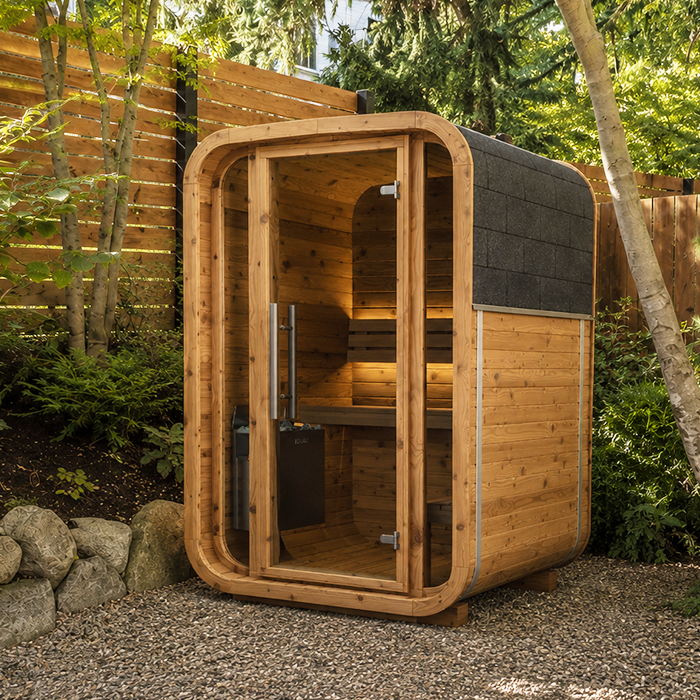
Keep purchases and consumption distinct. If you buy a large load but most remains at month end, the cash paid that month is not the fuel cost of the sessions held that month. A stock record can show the opening quantity, purchases, fuel used and closing quantity, with discarded or unusable wood recorded separately. This helps explain a difference between your fuel bill and your session totals. Wood gathered or supplied without an invoice may have no direct purchase price, but labour and equipment can still matter in a full-cost comparison. Likewise, the purchase price of a cabin such as Sauna HC-150 belongs outside the recurring fuel total. Keep those broader costs separate rather than quietly adding them to the price per log.
Account for differences between heating cycles
A measured session is most useful when you know what conditions it represents. The amount of wood can vary with the sauna's starting state, the weather, how long it takes to reach the conditions you normally use, and how long heat is maintained. A cycle starting from a cold cabin may not be comparable with one following recent use. Door openings and the pattern of use can also change the heat required. Note unusual circumstances rather than treating every reading as a standard result, and avoid applying one session's consumption to a different routine without checking the conditions.
Fuel and equipment matter as well. Wood type, moisture, log size and the heater configuration can affect how a batch burns; chimney draw and operation can also differ between setups. Follow the manufacturer's instructions for the specific heater and its fuel rather than relying on a generic log quantity. If you are considering Sauna HC-225, ask which heater configuration the available fuel information relates to. For your own records, note when you start using a different fuel batch. A change in measured consumption then has an identifiable context, rather than being attributed automatically to the cabin or the weather.
Before choosing a sauna 4
Keep a comparable fuel-use record
A useful log need not be complicated, but it should capture the inputs that explain a result. Record the date, cabin and heater configuration, fuel type and supplier, amount used, price unit, kindling, delivery treatment and whether the cycle began from a cold or recently used state. Note the broad weather and session pattern if either was unusual. Keep measured quantities separate from estimates, and write down the method used for each. Give each setup a clear label, such as Sauna N-210 followed by the fitted heater's make and model. Retain the original measurements alongside the calculated cost so a later price update does not erase your consumption history.
Calculate an average from the total cost of the fuel consumed divided by the number of heating cycles in the record. If prices differ between purchases, value each cycle at the rate applicable to its fuel, or state clearly that you are using a current replacement price for a forward budget. For consumption, total wood used divided by total comparable cycles is more representative than averaging rounded figures from a few very different sessions. Keep a range as well as the average: it shows how much your use varied instead of making one unusual reading look typical.
Forecast monthly and seasonal firewood costs
To estimate a future budget, multiply a relevant average cost per heating cycle by the number of cycles you expect to run. Base that number on your own routine, not on the number of people using the sauna or a generic weekly pattern. Make sure the average describes a similar session length and starting state; a short visit and a longer period of maintained heat may not need the same amount of fuel. If use changes through the year, make separate estimates for the different patterns rather than hiding them in one annual average.
Build a range from your own records and current local prices. A lower-use estimate can reflect sessions that used less fuel; a typical figure can use comparable readings; a higher estimate can reflect the more fuel-intensive sessions recorded. State the planned cycle count, price date and included charges. If you are budgeting before buying a model such as Sauna N-250, you may not yet have measurements for the proposed setup. Keep any figures borrowed from another sauna clearly labelled as provisional, with their source and assumptions. Revise the budget after measuring your own cycles rather than presenting a borrowed average as an established running cost.
Before choosing a sauna 5
Check sauna and heater specifications separately
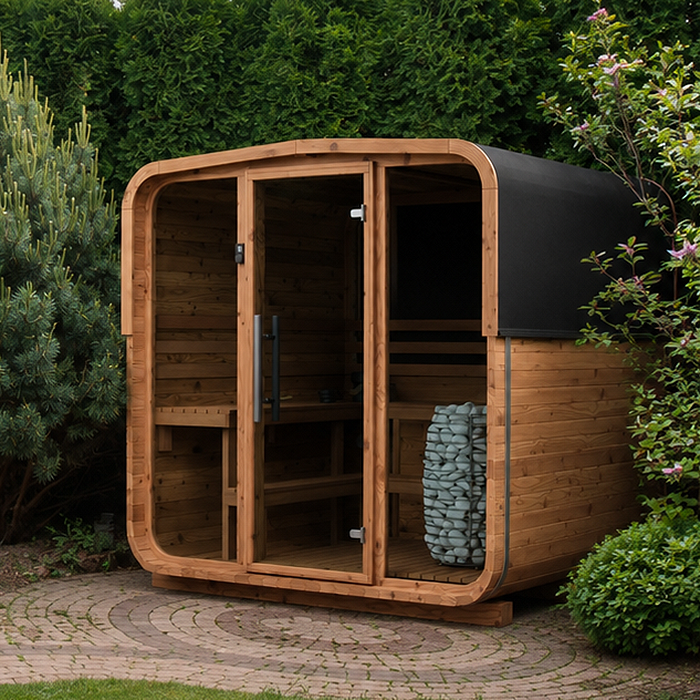
Do not scale firewood consumption directly from floor area. Area is one description of a cabin, but it does not state the heater configuration, starting conditions, heat loss or how the sauna will be used. Two models with comparable listed areas can still have different setups, and the same cabin can be configured differently. The Sauna LC-260 listing gives an area of 5.12 m²; use that as a product detail, not as a fuel-use estimate. A supplier's general description or a photograph also cannot establish the quantity of wood a particular session will need.
Before budgeting for a specific model, check the current listing and manufacturer information for the exact configuration: whether a wood-fired heater is included or selected separately, and which fuel guidance applies to that heater. Confirm that the information refers to the version you are considering rather than another package. Keep the one-off cabin and equipment costs separate from the recurring fuel calculation. Once the actual setup is known, record its details and measure its use; estimates from another sauna are a starting comparison at most, not a substitute for that baseline.
Report a range and update it when costs change
Present the result as a cost per complete heating cycle, with the measurement period, fuel unit and included charges stated beside it. If the readings vary, give an average and the range you observed instead of reporting a highly precise figure from a small sample. Include whether delivery and kindling are included, and whether the result uses the price paid for existing stock or a current local price for replacement fuel. A clear method makes the figure easier to compare and stops a change in assumptions from appearing to be a change in actual consumption.
Refresh the calculation when you change supplier, buying format, fuel type, cabin or heater configuration, or when your pattern of use changes. To distinguish price changes from consumption changes, first apply the new unit rate to your existing measured quantities; gather a new set of readings if the setup or routine has changed. Wood cannot be assumed to be cheaper than electricity. Compare the complete wood-fuel cost with measured electricity consumption at the applicable tariff for a comparable heating and bathing cycle. Show any fixed charges separately and explain whether they would be payable regardless of sauna use. Equipment purchase costs belong in a wider ownership comparison, not the fuel-only result.
Frequently asked questions
How many logs does a wood-fired sauna use per session?
There is no reliable universal count. Log size, wood type and moisture, heater configuration, starting conditions and the length of the heating cycle all affect consumption. Measure the fuel for several cycles using the same method, include the warm-up and compare sessions with similar conditions. Treat generic examples as context, not as a guaranteed allowance.
How do I cost firewood sold by the bag or bulk load?
Use the quantity and unit given by the supplier to calculate a price per matching unit. Then measure your use in that unit, or use a conversion only if the supplier provides one or you have measured it. Record how delivery is treated, and do not assume every bag or load contains the same quantity.
Should the warm-up be included in the session cost?
Yes, if you want the cost of a complete heating cycle. Count the firewood used to prepare the sauna as well as fuel added during bathing or to maintain heat for that visit. Define the cycle consistently, especially if one heating period is shared by several people or groups.
Does the moisture in firewood affect the estimate?
Moisture affects how much useful heat a given mass can deliver, so loads with different moisture characteristics should not automatically be treated as equivalent by weight. Record the supplier's description and follow the appliance manufacturer's fuel guidance. Avoid applying a generic adjustment unless you have reliable information for the wood you are buying.
Can I tell whether wood is cheaper than electricity?
Not from fuel prices alone. Compare the cost of wood actually used, including relevant starting materials and delivery, with the electricity consumed over a comparable complete heating and bathing cycle, using your local tariff. Keep equipment purchase and installation separate unless you are comparing a wider ownership budget.
An estimate is strongest when its boundary, unit, local price and measurement method are visible. Record the full heating and bathing cycle, value only the fuel used, and treat delivery and kindling consistently. After several sessions, report an average alongside the variation you observed. Recheck the figure when your supplier, fuel, configuration or routine changes. That gives you a useful budget for your own sauna without claiming a universal burn rate or assuming wood is the cheapest option.
