To improve the quality of the content of this website and to adapt it to the needs of users, cookies are used - including third-party cookies. By continuing to use this website, you agree to the use of cookies and to possible communication when you enter your contact information in one of the forms on the site.

Kombi Outward-Opening Side-Hung Window

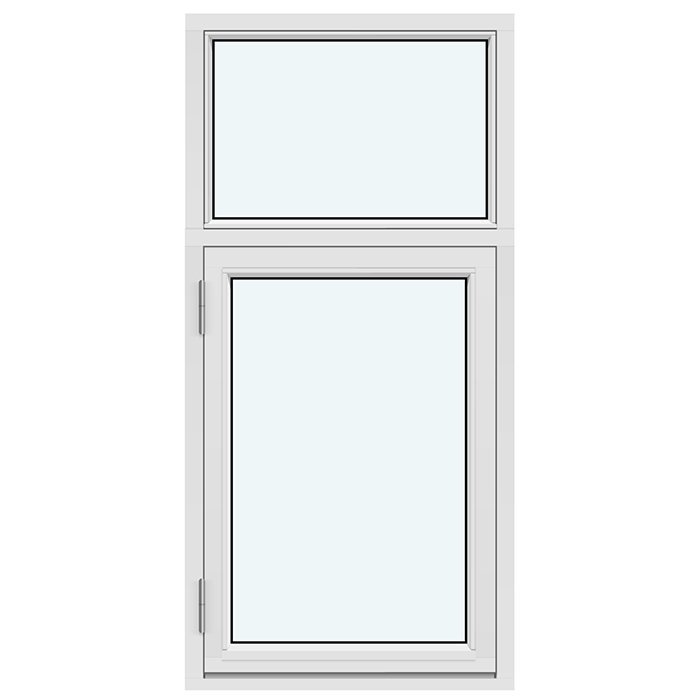
1 fixed glazed section and 1 opening sash without decorative bars

  • Kombi model
  • Side-hung
  • Opens outwards
  • Thermally efficient
  • Kombi model
  • Side-hung
  • Opens outwards
  • Thermally efficient
The greater the purchase, the bigger discounts you get.
Estimated delivery:
We offer the opportunity to CHOOSE A SUITABLE DELIVERY WEEK, which you will find in the last step of the shopping cart.
The greater the purchase, the bigger discounts you get.
Personal Bloomcabin consultation
Personal consultation?
We are happy to help with questions about models, prices and delivery.
+47 919 22 201

Bloomcabin 1 fixed glazed section and 1 opening sash without decorative bars. This outward-opening Side-Hung Kombi Window combines one fixed glazed section with one opening sash, both without decorative bars. The pared-back arrangement offers a clear, balanced façade detail, contrasting a calm fixed pane with the practical flexibility of a side-hung opening section.

Why choose this Bloomcabin design?

  1. Clean contrast of sections

    A fixed glazed section sits beside an opening sash, creating a purposeful balance between uninterrupted glazing and ventilation.

  2. Uninterrupted glazed look

    Without decorative bars, the design keeps sightlines clean and allows the contrasting fixed and opening sections to stand out.

  3. High energy efficiency

    High energy efficiency helps maintain a comfortable and welcoming atmosphere indoors.

Suited to homes and extensions requiring a Side-Hung Kombi Window with one fixed glazed section and one opening sash, presented in an uncluttered, versatile style. 1 fixed glazed section and 1 opening sash without decorative bars — Balanced proportions make it easier to coordinate the design with the architecture and the intended appearance of the facade. 1 fixed glazed section and 1 opening sash without decorative bars — Before configuration, the design can be adapted to the project requirements and the preferred architectural character.

Customer reviews 5-star rating

  1. “Accurate measurements made the entire installation remarkably straightforward.” – Charlotte Evans
  2. “Rooms feel warmer, quieter, and much more comfortable.” – Oliver Hughes
  3. “The windows look elegant and keep draughts outside.” – Sophie Taylor

Flexible payment options Flexible and secure payment methods are available.

Configure now Configure this Side-Hung Kombi Window to suit your plans. For help contact our team.

More information
SPECIFICATION

Type: Outward-opening sash;

Warranty: 5 years;

CE: Yes;

Material: Pine, pine with aluminium cladding, oak or oak with aluminium cladding;

Glazing: 2- or 3-pane glazing unit with heat-reflective coating, warm-edge spacer (CHR) and argon gas;

Glazing seals: Black rubber;

Hardware: SPILKA, IPA;

Mounting holes: 14 mm;

Frame: 105 × 57 mm, with aluminium cladding: 115 × 57 mm;

Sash: 76 × 65 mm, with aluminium cladding: 86 × 65 mm;

Energy efficiency class
with 3 layer glass
with 2 layer glass

BLOOMCABIN / WINDOWS & DOORS

Kombi window with one fixed glazed section and one outward-opening side-hung sash

Choose your made-to-measure Kombi window

Kombi Outward-Opening Side-Hung Window

A made-to-measure outward-opening window with one fixed glazed section, one side-hung sash, four material choices, 2- or 3-pane glazing and a varied range of decorative-bar patterns.

Product type

Outward-opening sash

Material options

Pine, pine with aluminium cladding, oak or oak with aluminium cladding

Design choices

Explore the patterns

Warranty

5 years

Our Kombi Outward-Opening Side-Hung Window combines one fixed glazed section with an opening sash, giving you a choice of clear and decorative-bar arrangements in one made-to-measure product. You can select pine, oak or an aluminium-clad version of either timber, then choose the glazing, colour and handle for your project.

Begin with the way you want the window to work in its intended position. Its sash opens outwards, so the available exterior space matters just as much as the view from the room. Once you have confirmed that format, compare the material, glazing and pattern choices in turn rather than trying to settle every detail at once.
This guide takes you through those decisions and helps you compare the Kombi window with our other outward-opening, inward-opening, pivot and patio-door formats.

01

Opening and everyday use

Type: Outward-opening sash.

The opening sash is side hung and moves outwards, rather than swinging into the room. This keeps its opening movement outside the interior, but it also means you should look carefully at what lies immediately beyond the window. Consider whether an exterior feature, object or frequently used area could obstruct the sash. Allow enough exterior clearance for the sash to open outwards.

Day-to-day convenience also depends on whether the handle will be easy to reach once the window is installed. Consider the height of the opening and any worktops, furniture or fittings between you and the sash. Choose the handle style after checking practical access, so its appearance complements a window that remains comfortable to operate in its intended location.

For example, if the Kombi window will be installed above a kitchen work surface, consider the entire reach from your normal standing position to the handle. A deep worktop may make access more difficult, while the outward-opening sash still requires unobstructed space outside. The fixed glazed section remains non-opening, so review the complete window format at the intended made-to-measure size before moving on to colour and decorative-bar details.

02

Materials and construction

Material: Pine, pine with aluminium cladding, oak or oak with aluminium cladding; Hardware: SPILKA, IPA; Mounting holes: 14 mm; Frame: 105 × 57 mm, with aluminium cladding: 115 × 57 mm; Sash: 76 × 65 mm, with aluminium cladding: 86 × 65 mm.

The first construction decision is the timber and cladding combination. We offer pine, pine with aluminium cladding, oak and oak with aluminium cladding. If you want timber as the complete material expression, compare pine with oak directly. If you prefer an aluminium-clad version, compare pine with aluminium cladding against oak with aluminium cladding. Keeping those two decisions separate—timber first, then cladding—makes the choice easier to evaluate.

Appearance is likely to be an important distinction between pine and oak, especially where the interior-facing material will be seen beside other timber features. Consider what is already present around the opening and whether you want the window to coordinate with it or provide a deliberate contrast. Do not choose the timber in isolation from the colour: the material option and your selected colour will be read together as part of the finished window.

The specified hardware is SPILKA and IPA.

The adjoining specification gives the exact frame and sash dimensions for the standard timber and aluminium-clad constructions, as well as the mounting-hole size. These figures are component dimensions, not a substitute for the made-to-measure manufacturing size. Pay particular attention to whether you have selected an aluminium-clad version, because its listed frame and sash dimensions differ from the versions without cladding.

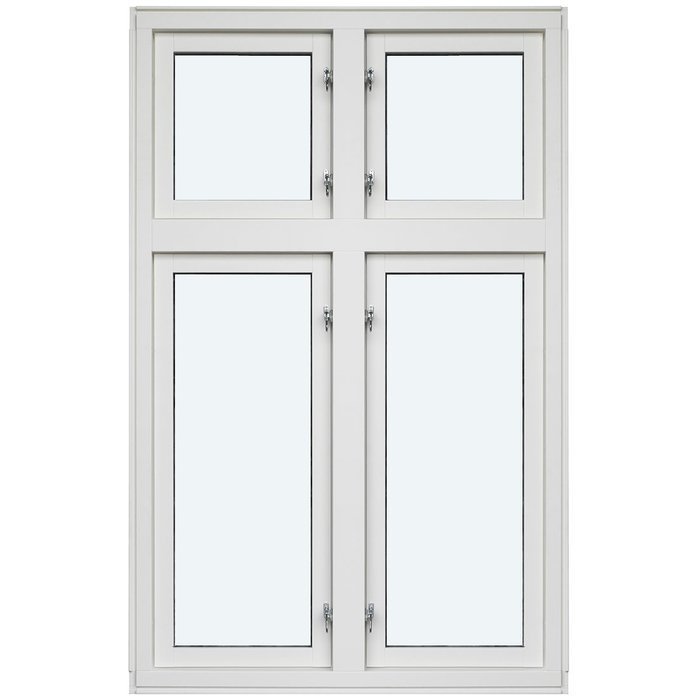
Second view of the Kombi window with a fixed glazed section and outward-opening sash

03

Choosing the glazing

Glazing: 2- or 3-pane glazing unit with heat-reflective coating, warm-edge spacer (CHR) and argon gas; Glazing seals: Black rubber.

You can choose a 2- or 3-pane glazing unit. Both options include a heat-reflective coating, a warm-edge spacer (CHR) and argon gas, so the decision is not simply between a specified glazing package and an unspecified one. Compare the two available pane counts within the needs of your particular project.

Start with the requirements set for the room and the wider building. Ask the person planning the work which glazing option is appropriate for the intended opening and how that choice fits the project as a whole. This is particularly useful where your window forms part of a larger new-build or alteration and needs to be considered consistently with other glazed products. Avoid selecting a pane count solely because it sounds more substantial; it should answer an identified project requirement.

The glazing seals are black rubber. Consider the decorative bars, frame colour and handle as one composition. If a broad, uninterrupted glazed appearance is your priority, that may guide you towards the simplest pattern; if visible structure is more important, you can explore the bar arrangements after confirming the glazing unit.

04

Available designs

Each available design combines one fixed glazed section with one opening sash. The nine patterns range from completely clear glazing to arrangements with horizontal and vertical decorative bars on the fixed section, the sash or both parts.

The simplest design has one fixed glazed section and one opening sash without decorative bars. It is the natural starting point if you prefer an uninterrupted glazed appearance. You can then compare it with the bar patterns to decide whether additional horizontal or vertical lines would relate more effectively to the opening and the surrounding elevation.

Two patterns keep the fixed glazed section free from bars while adding a single bar to the sash: one option has one horizontal decorative bar and the other has one vertical decorative bar. A further design places one vertical decorative bar in the fixed glazed section and one vertical decorative bar in the sash. These choices let you introduce either a horizontal accent on the opening part or a vertical treatment across both parts without assuming equal pane sizes.

For combined horizontal and vertical detail on the opening sash, choose between two patterns. One leaves the fixed glazed section without decorative bars and gives the sash one horizontal and one vertical bar. The other places one vertical bar in the fixed section, while the sash has one horizontal and one vertical bar. Compare how much detail you want on the fixed glass before choosing between them.

The remaining patterns offer more extensive bar arrangements. One gives both the fixed glazed section and the sash one horizontal and one vertical decorative bar. Another retains that arrangement in the fixed section but gives the sash two horizontal bars and one vertical bar. The final option leaves the fixed glazed section clear and gives the opening sash one horizontal bar and two vertical bars. Review the stated bar count for each part rather than assuming symmetry, equal panes or particular section proportions.

05

Planning the opening

Suppose you are replacing a window within an existing finished opening. Begin by identifying the finished surfaces that define that opening, rather than measuring only the old sash or copying a label from the existing product. Record the width and height between those surfaces carefully. If the opening varies, make sure those variations are visible in the measurements you provide to the person responsible for fitting the new window.

The Kombi window is made to measure, but the opening dimensions and manufacturing dimensions are not automatically interchangeable. Your fitter should decide how the measured opening translates into the size to be ordered. That discussion should account for the actual conditions around the opening and the way the product will be fitted; do not deduct or add an assumed allowance without agreement. It is better to keep the original measurements clear and record the separately agreed manufacturing size.

For a new wall, the same principle applies even though there is no old frame to reference. Confirm which surfaces will be finished before the final opening is measured, then agree who is responsible for supplying the manufacturing width and height. The listed frame and sash dimensions explain the product components, while the 14 mm mounting-hole measurement relates to the product specification; none of these figures gives you the overall made-to-measure order size.

Before finalising the order, label the manufacturing width and height unmistakably and record them with the selected product configuration. This is also the right point to check the completed surroundings outside the opening. The sash moves outwards, so it needs suitable exterior clearance after all nearby building features and fittings are in place.

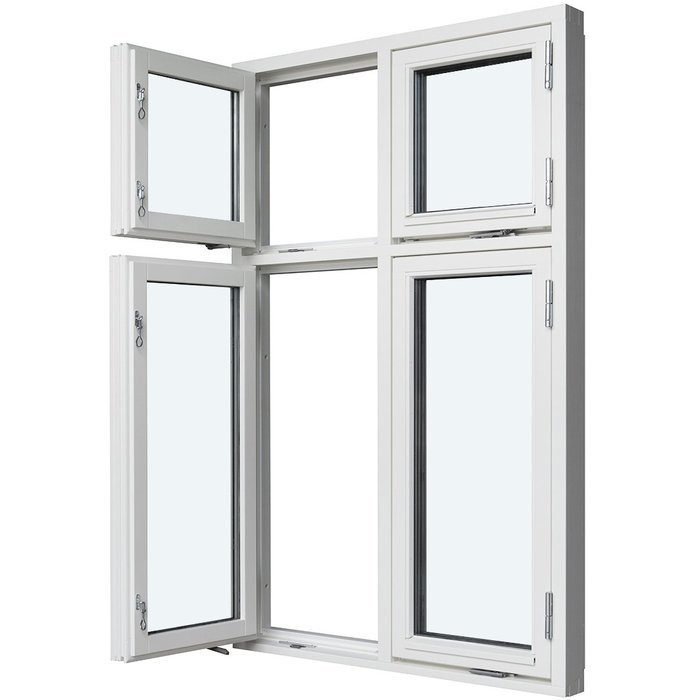
Third view of the Kombi outward-opening side-hung window with a fixed glazed section

06

Coordinating the appearance

For a restrained visual direction, you could choose the pattern with one fixed glazed section and one opening sash without decorative bars. Coordinate the selected colour with neighbouring frames so the combined facade reads simply, then choose a handle that supports the same understated approach. Inside, consider how pine, oak or the selected colour relates to the nearest visible finishes without introducing unnecessary competition around the glass.

For a more articulated direction, consider one of the patterns that uses both horizontal and vertical decorative bars. Repeated bar lines can connect visually with other strong horizontal or upright features nearby. The pattern with one horizontal and one vertical bar on both the fixed section and sash gives a consistent treatment across the window, while a clear fixed section paired with a more detailed sash creates deliberate asymmetry. Choose between these effects by looking at the whole elevation rather than the window alone.

Choose a colour that works with your preferred pine, oak or aluminium-clad construction and the features surrounding the opening. On the facade, consider neighbouring windows and doors. In the room, look at the wall around the reveal and any other visible timber or coloured frames. Coordination does not require every element to be identical; if you want contrast, make it an intentional part of the scheme.

The handle is a smaller detail, yet it sits on the part you use and see at close range. Once you have settled the main material, colour and bar pattern, compare the available handle choice against that completed combination. This order prevents a small fitting from driving decisions that have a much larger visual effect. It also lets you balance appearance with the comfortable reach and everyday access considered earlier.

07

Comparing window and door formats

Start by comparing the required opening action. The Kombi Outward-Opening Side-Hung Window combines an outward-opening side-hung sash with a fixed glazed section in each listed design. If inward movement is more suitable for the intended position, compare it with our Single-Sash Inward-Opening Window or Two-Sash Inward-Opening Window. Both inward-opening formats include a tilt function, while their single- and two-sash configurations provide a clear basis for choosing between them.

If you want an alternative outward-opening window format, compare the Kombi with our Single-Sash Outward-Opening Vertical Pivot Window and Two-Sash Outward-Opening Vertical Pivot Window. The central decision is between the Kombi’s side-hung opening action and a vertical pivot format; after that, decide whether the single- or two-sash description suits what you are looking for. For a roof position, the separately named Pivot Roof Window is the relevant product to explore rather than treating a wall-window format as interchangeable.

There is also an EI30 Fire-Rated Inward-Opening Window. Consider that product where an inward-opening fire-rated format is the requirement. Its name identifies a specific format that should be compared on that basis, rather than selected as a general substitute for the outward-opening Kombi window.

If your project calls for access through the opening rather than a window, compare our Single-Leaf Patio Doors – Outward Opening and Heritage-Style Single-Leaf Patio Doors – Outward Opening. Both names describe outward-opening, single-leaf patio-door formats, while the second offers the heritage-style alternative. Decide first whether the opening is for a window or a patio door; then compare the standard and heritage-style door directions only if a door is the right product type. Explore related windows and doors:

Pivot Roof Window, Single-Sash Outward-Opening Vertical Pivot Window, Two-Sash Outward-Opening Vertical Pivot Window, Single-Sash Inward-Opening Window, Two-Sash Inward-Opening Window, EI30 Fire-Rated Inward-Opening Window, Single-Leaf Patio Doors – Outward Opening, Heritage-Style Single-Leaf Patio Doors – Outward Opening.

08

Choosing your configuration

Our windows and doors come with a five-year warranty. This product is CE marked.

For a clear final decision, identify the one preference that matters most in the intended position. It might be the outward side-hung action, an oak construction, an aluminium-clad option, a particular pane count or a decorative-bar arrangement. Use that priority to narrow the field before comparing colour and handle details.

If you are choosing between two configurations, test each against that main priority. For example, if a clear glazed appearance matters most, compare the no-bar design with the least detailed bar pattern you are considering. If coordination across the facade is more important, compare the patterns and colours against neighbouring windows and doors instead. A choice that answers the main requirement should take precedence over a secondary detail that is easier to adapt.

Then confirm that the selected configuration remains practical: the sash has suitable exterior space, the handle is reachable, and the made-to-measure size has been agreed with the person fitting the window. Once those points align, you have a coherent specification rather than a collection of separate preferences. Contact us with your proposed size and choices, and we can help you review the Kombi options available for your project.

QUESTIONS & ANSWERS

Your questions answered

Can I order this window made to measure?

Yes. We make the Kombi Outward-Opening Side-Hung Window to measure. The manufacturing size should be agreed from accurate opening measurements, preferably with the person fitting the window, rather than copied automatically from the size of an existing frame.

Which materials can I choose?

You can choose pine, pine with aluminium cladding, oak or oak with aluminium cladding. Compare the appearance you want with whether you prefer a timber-only construction or one of the aluminium-clad options, then coordinate that choice with the surrounding windows and doors.

Can I choose between 2- and 3-pane glazing?

You can choose a 2- or 3-pane glazing unit. Both choices include a heat-reflective coating, a warm-edge spacer (CHR) and argon gas. Consider the requirements of the building and confirm the appropriate option with the person planning your project.

Which way does the sash open?

It is a side-hung sash that opens outwards. Make sure there is suitable unobstructed space outside for its movement and that you can reach and operate the chosen handle comfortably from inside in everyday use.

Can I choose a decorative-bar pattern?

Yes. The available patterns combine one fixed glazed section with one opening sash. You can choose a design without decorative bars or compare arrangements featuring horizontal bars, vertical bars, or a combination of both.

Can I choose the colour and handle?

Yes. You can choose a colour and a handle. Consider them together with the selected pine, oak or aluminium-clad construction, as well as neighbouring windows, doors and other visible features of the building.

What should I consider when measuring the opening?

The exact opening should be measured between the relevant finished surfaces. Because the window is made to measure, agree how those measurements will be converted into the manufacturing size with the person responsible for fitting it.

What warranty comes with this window?

Our windows and doors come with a five-year warranty. The Kombi Outward-Opening Side-Hung Window is also CE marked.

Choose your configuration

Tell us the size, material, glazing, pattern, colour and handle you are considering, and we will help you choose your made-to-measure Kombi window.

Close x
10 year warranty
Bloomcabin takes pride in its high-quality products, ensuring this every day through various production and quality control processes. This is backed by a 20-year warranty against wood rot for wooden structures, as well as a 10-year warranty against functional defects.
45% BETTER PRICE WHEN YOU BUY ONLINE
Get the best deal today and start building your perfect garden!
Ask us
Get in touch
Email:
This email address is being protected from spambots. You need JavaScript enabled to view it.
Reg. No.:
38944924
Address:
Thriges Plads 6, 5000 Odense C, Denmark
Social media
Follow us on Instagram, Facebook and Twitter to find out about news and offers from Bloomcabin:
X
Have questions and want us to call you back?
+971
−
✖