To improve the quality of the content of this website and to adapt it to the needs of users, cookies are used - including third-party cookies. By continuing to use this website, you agree to the use of cookies and to possible communication when you enter your contact information in one of the forms on the site.

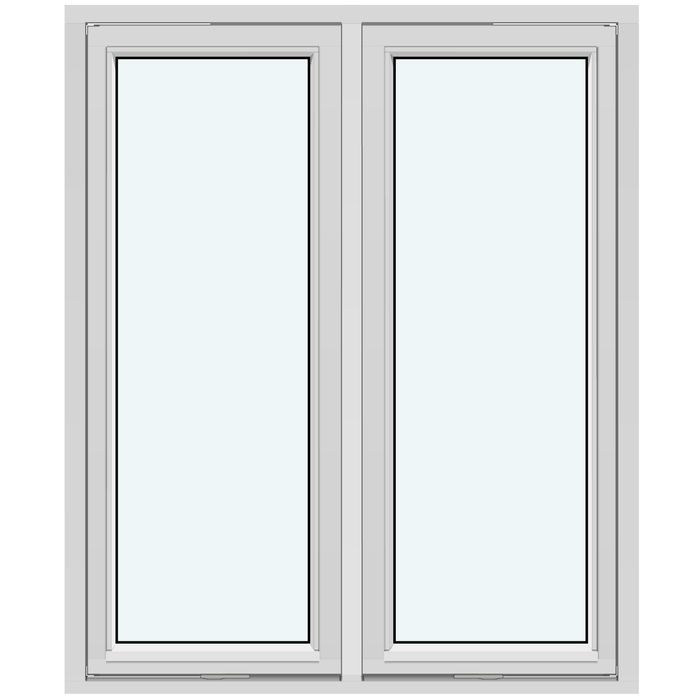
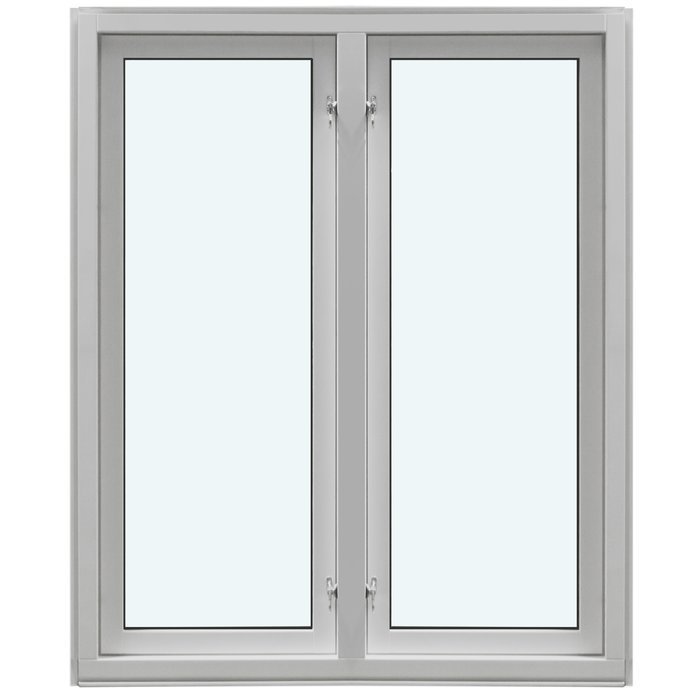
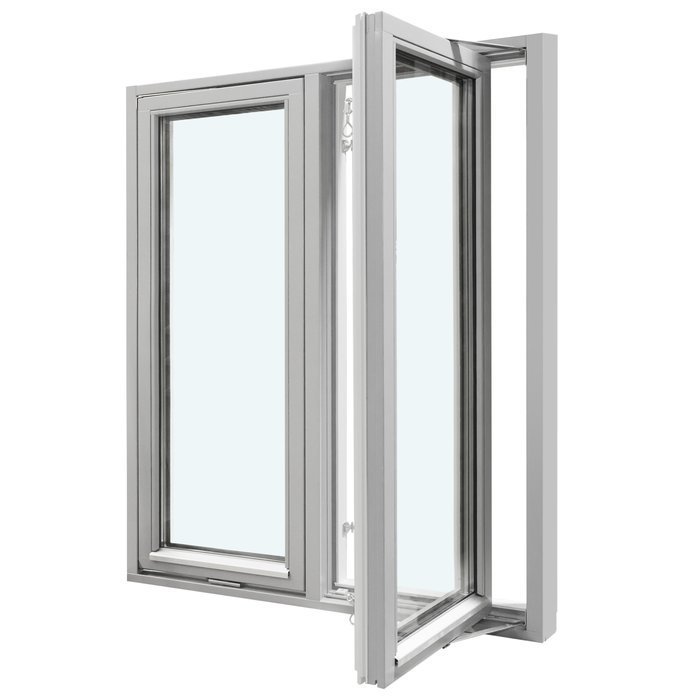
Two-Sash Outward-Opening Vertical Pivot Window

2 sashes without decorative bars

  • Twin sashes
  • Vertical pivot
  • Opens outwards
  • Thermally efficient
  • Twin sashes
  • Vertical pivot
  • Opens outwards
  • Thermally efficient
The greater the purchase, the bigger discounts you get.
Estimated delivery:
We offer the opportunity to CHOOSE A SUITABLE DELIVERY WEEK, which you will find in the last step of the shopping cart.
The greater the purchase, the bigger discounts you get.
Personal Bloomcabin consultation
Personal consultation?
We are happy to help with questions about models, prices and delivery.
+47 919 22 201

Bloomcabin 2 sashes without decorative bars. The 2 sashes without decorative bars design offers a crisp, balanced outward-opening vertical pivot window for broader window openings. With two clear glazed sashes and no decorative-bar pattern, it delivers an uncluttered appearance while retaining a distinctly paired window composition.

Why choose this Bloomcabin design?

  1. Paired clear sashes

    Two outward-opening sashes create a balanced paired format, and the absence of decorative bars keeps each glazed area visually clean.

  2. Balanced two-sash layout

    The twin-sash vertical pivot arrangement gives the window a clear central organisation, suited to designs that value symmetry and uncomplicated glazing.

  3. High energy efficiency

    High energy efficiency helps this two-sash window contribute to a comfortable atmosphere within the home.

Well suited to wider openings and elevations where two outward-opening sashes are preferred over a single larger sash. The bar-free layout is especially fitting for modern schemes seeking clarity across the glazing. 2 sashes without decorative bars — Balanced proportions make it easier to coordinate the design with the architecture and the intended appearance of the facade. Before configuration, the design can be adapted to the project requirements and the preferred architectural character.

Customer reviews 5-star rating

  1. “Rooms feel warmer, quieter, and much more comfortable.” – Oliver Hughes
  2. “The windows look elegant and keep draughts outside.” – Sophie Taylor
  3. “Accurate measurements made the entire installation remarkably straightforward.” – Charlotte Evans

Flexible payment options Flexible and secure payment methods are available.

Configure now Configure the 2-sash window without decorative bars, or contact us for support. For help contact our team.

More information
SPECIFICATION

Type: Outward-opening sash that can pivot outwards;

Warranty: 5 years;

CE: Yes;

Material: Pine, pine with aluminium cladding, oak or oak with aluminium cladding;

Glazing: 2- or 3-pane glazing unit with heat-reflective coating, warm-edge spacer (CHR) and argon gas;

Glazing seals: Black rubber;

Hardware: SPILKA, IPA;

Mounting holes: 14 mm;

Frame: 105 × 57 mm (115 × 57 mm with aluminium cladding);

Sash: 76 × 65 mm (86 × 65 mm with aluminium cladding);

Energy efficiency class
with 3 layer glass
with 2 layer glass

Bloomcabin windows

Two-Sash Outward-Opening Vertical Pivot Window

An outward-opening pivot window with defined material, glazing and design choices

Two-Sash Outward-Opening Vertical Pivot Window

Explore the operation, component construction, glazing, named decorative-bar patterns and practical enquiry details for this made-to-measure two-sash window.

Opening action

Outward-opening pivot sash

Sizing

Made to measure

Colour

Customer choice available

Conformity

CE marked

The Two-Sash Outward-Opening Vertical Pivot Window brings a distinctive opening action together with a choice of timber-based material configurations, glazing and clearly defined decorative-bar compositions. Its sashes open outwards and can pivot outwards, making the movement of the window an important part of both everyday use and project planning. Made-to-measure sizing, colour choice and handle choice help you shape the specification around the intended opening and the visual direction of your property.

Choose pine or oak, either as timber or with aluminium cladding. The glazing options use two or three panes with a heat-reflective coating, a CHR warm-edge spacer and argon gas, complemented by black rubber glazing seals. Design choices range from two-sash compositions without decorative bars to patterns with horizontal and vertical bars, as well as arrangements combining a fixed glazed section with two opening sashes.

01

Operation and everyday handling

This window has two outward-opening sashes that can pivot outwards. Consider that opening action alongside the intended location, access and surrounding space. Made-to-measure sizing allows the overall composition to be planned for your opening, without requiring the two sashes to have assumed proportions.

For everyday use, consider how comfortably you can reach your selected handle and guide the sash through its movement. Handle choice lets you include appearance and practical preferences in your enquiry. This product is designed around its outward-opening pivot action rather than an inward-opening or tilt function.

How often you expect to open the window may influence your priorities. For frequent use, straightforward access to the handle may be particularly important; in a less frequently used position, the relationship between the glazing, frame and decorative-bar pattern may carry more weight.

Curtains, blinds, ornaments and nearby furniture can also affect how comfortable the window feels to use, even though they are not part of the product specification. Think about where you naturally stand, how easily you can reach the handle and whether interior furnishings interrupt your approach to the sash. This simple review helps connect the specified opening action with the way the room is actually arranged.

When comparing Bloomcabin windows, begin with the opening direction and action. An inward-opening design and an outward-opening pivot window create different practical considerations, so choose the product type that best suits the intended location and your preferred everyday use.

02

Materials and technical specification

Choose from pine, pine with aluminium cladding, oak or oak with aluminium cladding. Pine and oak offer different timber characters, while the aluminium-clad versions are distinct construction configurations with their own frame and sash component dimensions. Consider material, colour and cladding together when defining your preferred appearance.

For the timber configurations, the frame component measures 105 × 57 mm and the sash component 76 × 65 mm. With aluminium cladding, the corresponding dimensions are 115 × 57 mm for the frame and 86 × 65 mm for the sash. These are component measurements, separate from the made-to-measure dimensions of the complete window.

The window has 14 mm mounting holes, SPILKA and IPA hardware, and black rubber glazing seals. The hardware brands form part of the product specification, while the handle is the customer-facing choice available for your enquiry.

The glazing options are two- or three-pane units with a heat-reflective coating, a CHR warm-edge spacer and argon gas. The window is CE marked and covered by our five-year warranty, bringing the principal glazing, conformity and warranty details into one specification.

Start your specification with the preferred material configuration, followed by the two- or three-pane glazing choice. Then add the made-to-measure size, colour, handle and named design pattern. Use the component dimensions as technical reference information rather than as the overall measurements for your opening.

Two-Sash Outward-Opening Vertical Pivot Window product view

03

Glazing and the role it plays in the window

The glazing unit combines two or three panes with a heat-reflective coating, a CHR warm-edge spacer and argon gas. If thermal considerations are important to your project, include them in your enquiry so the glazing choice can be discussed as part of the complete made-to-measure window specification.

The heat-reflective coating forms part of the glazing construction. The appearance of glazing can vary with daylight, reflections, interior lighting and the surroundings, so assess the glass as part of the complete window rather than relying on a particular visual effect.

The CHR warm-edge spacer and argon gas are included with both supplied pane options. Choose between the two- and three-pane glazing units, then consider that choice alongside the frame material, overall made-to-measure size and intended use of the window.

Black rubber seals complete the glazing specification. For visual planning, consider them together with the selected frame material, colour and bar pattern, which collectively shape the appearance of the window from different positions and viewing distances.

Decorative bars organise the appearance of the glazed areas in the named designs. Choose a pattern without decorative bars for a simpler composition, or select one of the specified horizontal and vertical bar arrangements for a more divided appearance. Refer to the full pattern name in your enquiry so your preferred composition is clear.

04

Named sash and decorative-bar patterns

The supplied patterns define the combination of two sashes, any fixed glazed section and the specified decorative bars. Select the name that best matches your preferred composition, then combine it with the required made-to-measure size, material, colour, handle and glazing choice.

The sash-only patterns are: “2 sashes without decorative bars”; “2 outward-opening sashes with 1 horizontal decorative bar”; “2 sashes with 1 horizontal and 1 vertical decorative bar”; “2 sashes with 2 horizontal and 1 vertical decorative bar”; and “2 sashes with 3 horizontal decorative bars and 1 vertical decorative bar”. These names define the number and orientation of the decorative bars without prescribing sash proportions or symmetry.

Patterns with fixed glazing are: “1 fixed glazed section without decorative bars, 2 sashes without decorative bars”; “1 fixed glazed section without decorative bars, 2 sashes with 1 horizontal decorative bar each”; “1 fixed glazed section without decorative bars, 2 sashes with 1 horizontal and 1 vertical decorative bar each”; and “1 fixed glazed section without decorative bars, 2 opening sashes with 2 horizontal decorative bars and 1 vertical decorative bar”.

In these compositions, the fixed glazed section remains separate from the two opening sashes. Its position and the relative proportions of the sections should be considered as part of the complete made-to-measure arrangement rather than assumed from the pattern name.

A design without decorative bars gives the frame, sashes and glazing a simpler visual role. Horizontal bars introduce divisions across the composition, while patterns with horizontal and vertical bars create further subdivision. Use the complete supplied name when enquiring so the combination of fixed glazing, opening sashes and decorative bars is understood clearly.

05

Assessing the intended opening

Made-to-measure sizing allows the window to be considered for a specific opening, but useful preparation starts with clear information about that opening. Record the relevant opening dimensions consistently and identify where each measurement was taken. If the opening appears uneven, note that observation instead of reducing several readings to an unexplained figure. Photographs or sketches may also help you organise your own project information before enquiring, although they do not replace an agreed window specification.

Distinguish carefully between the building opening, any existing window and the component dimensions stated for the new product. Frame and sash component figures describe parts of this window; they are not the overall dimensions of your intended unit. An existing frame may also conceal parts of the opening, so copying only the visible glazed area or the visible edge of an old frame may not describe the complete project condition.

Because the sashes open and pivot outwards, assess the exterior opening clearance as part of your planning. Consider fixed building elements and project-specific surroundings that could intersect with the outward movement. The required assessment will depend on the location and intended size, so do not assume that a clear-looking closed elevation automatically confirms an unobstructed opening path.

On the room side, identify whether the handle will be readily reachable in normal use. Deep reveals, worktops, furniture or interior fittings may influence access even when they do not alter the window itself. This is particularly worth noting when the window will be positioned above another element or when a buyer has a specific preference for how the handle should be approached.

Finally, record the desired relationship between the window and adjacent visual lines, such as nearby frames, wall divisions or architectural details. This does not create a technical requirement by itself, but it can help explain why a particular decorative-bar pattern or sash composition is preferred. A concise set of measurements, observations and intended alignments gives your enquiry a more useful foundation than a size stated without context.

Two-Sash Outward-Opening Vertical Pivot Window sash detail

06

Visual composition, timber character and colour

The overall appearance comes from several connected decisions: pine or oak, the presence or absence of aluminium cladding, the chosen colour, the handle and the named arrangement of glazed sections and decorative bars. Looking at these together is more useful than treating colour as an isolated final choice. A simple composition may place more visual emphasis on material and frame lines, while a subdivided pattern may give the decorative bars a stronger role.

Pine and oak provide different timber directions, with natural variation contributing to their character. Consider whether you want the timber itself to play a prominent visual role or whether your selected colour will lead the overall appearance. This helps connect the material choice with the surrounding joinery and finishes.

Pine with aluminium cladding and oak with aluminium cladding are separate material configurations. The cladding affects the stated construction dimensions and should not be reduced to a stylistic label. Visually, you can still consider how the chosen colour should relate to the wall, façade and nearby joinery, but no particular colour pairing or cladding appearance should be assumed before it is selected.

Colour choice is available, giving you a way to coordinate or contrast the window with surrounding finishes. A coordinated colour may support a quieter relationship with adjacent elements, while a contrasting colour may make the sash and frame composition more prominent. These are optional design approaches rather than guaranteed effects, since lighting, neighbouring materials and viewing distance all influence perception.

Decorative-bar orientation also influences visual rhythm. Horizontal bars create divisions across the glazing, while a vertical bar adds another directional line. Choose from the named patterns rather than relying on broad descriptions such as traditional, modern or divided, which may not communicate the intended arrangement clearly.

07

Related Bloomcabin product types

Opening action is a useful first comparison. The related two-sash inward-opening window opens into the room and includes a tilt function, whereas the product on this page uses two outward-opening sashes that can pivot outwards. Consider surrounding space, handle access and your preferred direction of movement when choosing between them.

If EI30 classification is part of your brief, explore the dedicated fire-rated alternatives in the related range. These oak windows use two-pane glazing and are available as distinct inward-opening and outward-opening pivot product types. Their classification belongs to those products and is not a feature of this window.

The related outward-opening Passive House option provides another direction for projects focused on its named super-low Uw positioning. It uses a single sash, three-pane glazing and pine combined with a thermally efficient material, making it a different product configuration from this two-sash pine-or-oak window.

Combination and fixed windows may suit briefs that call for a different balance of opening and non-opening glazing. A fixed window has no opening sash, while the combination range offers its own set of compositions. Review each product’s design patterns and material choices before deciding which type belongs in your project enquiry.

For access rather than window ventilation, the related outward-opening patio doors provide a separate product category with a door leaf and three-point locking mechanism. Standard and heritage-style versions are available. Compare these as doors in their own right rather than as larger equivalents of this pivot window. Two-Sash Inward-Opening Window, EI30 Fire-Rated Inward-Opening Window, EI30 Fire-Rated Outward-Opening Pivot Window, Outward-Opening Passive House Window with Super-Low Uw, Kombi Combination Window, Fixed Window (Non-Opening), Single-Leaf Patio Doors – Outward Opening, Heritage-Style Single-Leaf Patio Doors – Outward Opening.

08

Preparing a clear enquiry

Begin with the intended opening. Gather the dimensions and concise notes that explain where they were taken, together with any useful observations about the existing condition. State that you are enquiring about the Two-Sash Outward-Opening Vertical Pivot Window so the product identity remains clear from the outset.

Next, choose the material direction: pine, pine with aluminium cladding, oak or oak with aluminium cladding. If you have not decided, name the configurations you are actively comparing rather than requesting every theoretical combination. Add your preferred colour direction and any nearby finishes that are relevant to the visual decision.

Then select the glazing construction you want to discuss and copy the preferred design pattern by its complete supplied name. Exact wording is particularly useful when a composition includes a fixed glazed section or decorative bars, because informal descriptions can omit whether bars are horizontal, vertical or present on each opening sash.

Add your handle preference if known. Handle choice is available, so describe the appearance and everyday handling you want to discuss. You can also explain why it matters to you, such as its desired visual relationship with nearby fittings or how you expect to approach the handle.

Before sending your enquiry, check that it identifies the product, intended size, material configuration, colour, two- or three-pane glazing choice, named design pattern and handle preference. Add concise notes about the opening and any relevant access or clearance considerations so we have a clear, coordinated picture of your priorities.

Questions and answers

Frequently asked questions

Can this window be made to measure?

Yes. Made-to-measure sizing is an available purchase choice, allowing the window to be considered for the intended opening rather than selected only from standard dimensions. Include your opening information and any relevant project context when you enquire so the required size can be discussed clearly.

Can I choose the window colour?

Yes. Colour choice is available. Your preferred colour can be considered alongside pine, oak and the configurations with aluminium cladding. Because colour can influence how the frame relates to surrounding finishes, include nearby materials or a simple description of the desired appearance in your enquiry.

Is there a choice of handle?

Yes. Handle choice is included among the available purchase choices. If the handle’s appearance or day-to-day use matters to your project, state that when enquiring. We can then keep the handle preference visible alongside the window’s material, colour, glazing and design pattern.

What colour are the glazing seals?

The glazing seals are black rubber. When considering the overall appearance, look at this detail together with your chosen frame material, colour, glazing and decorative-bar pattern.

Is the window CE marked?

Yes. This window is CE marked. That provides a clear conformity detail for your product enquiry, while the suitability of the complete window specification should still be considered in relation to the intended project, opening and selected configuration.

Does the window include a warranty?

Yes. The window comes with a five-year warranty. Keep the product and order information supplied with your purchase so the selected specification can be identified easily if you need to refer to the warranty.

Can the composition include a fixed glazed section?

The named patterns include compositions with opening sashes only and compositions that combine a fixed glazed section with opening sashes. Select according to the arrangement you want to discuss, without assuming that every named pattern is automatically appropriate for every size, proportion or project.

Which material configurations are available?

Yes. Pine, pine with aluminium cladding, oak and oak with aluminium cladding are listed material configurations. Consider the desired timber character, colour and relationship to nearby finishes, then state one preferred direction in your enquiry. If undecided, identify the configurations you are comparing.

Plan your made-to-measure window

Bring together your opening details, preferred material and colour, handle preference, glazing choice and design pattern, then send us your enquiry. We will use the information you provide to discuss a made-to-measure Two-Sash Outward-Opening Vertical Pivot Window that reflects the practical needs and visual character of your project.

Close x
10 year warranty
Bloomcabin takes pride in its high-quality products, ensuring this every day through various production and quality control processes. This is backed by a 20-year warranty against wood rot for wooden structures, as well as a 10-year warranty against functional defects.
45% BETTER PRICE WHEN YOU BUY ONLINE
Get the best deal today and start building your perfect garden!
Ask us
Get in touch
Email:
This email address is being protected from spambots. You need JavaScript enabled to view it.
Reg. No.:
38944924
Address:
Thriges Plads 6, 5000 Odense C, Denmark
Social media
Follow us on Instagram, Facebook and Twitter to find out about news and offers from Bloomcabin:
X
Have questions and want us to call you back?
+971
−
✖