
Buy a greenhouse direct from the manufacturer or a dealer?
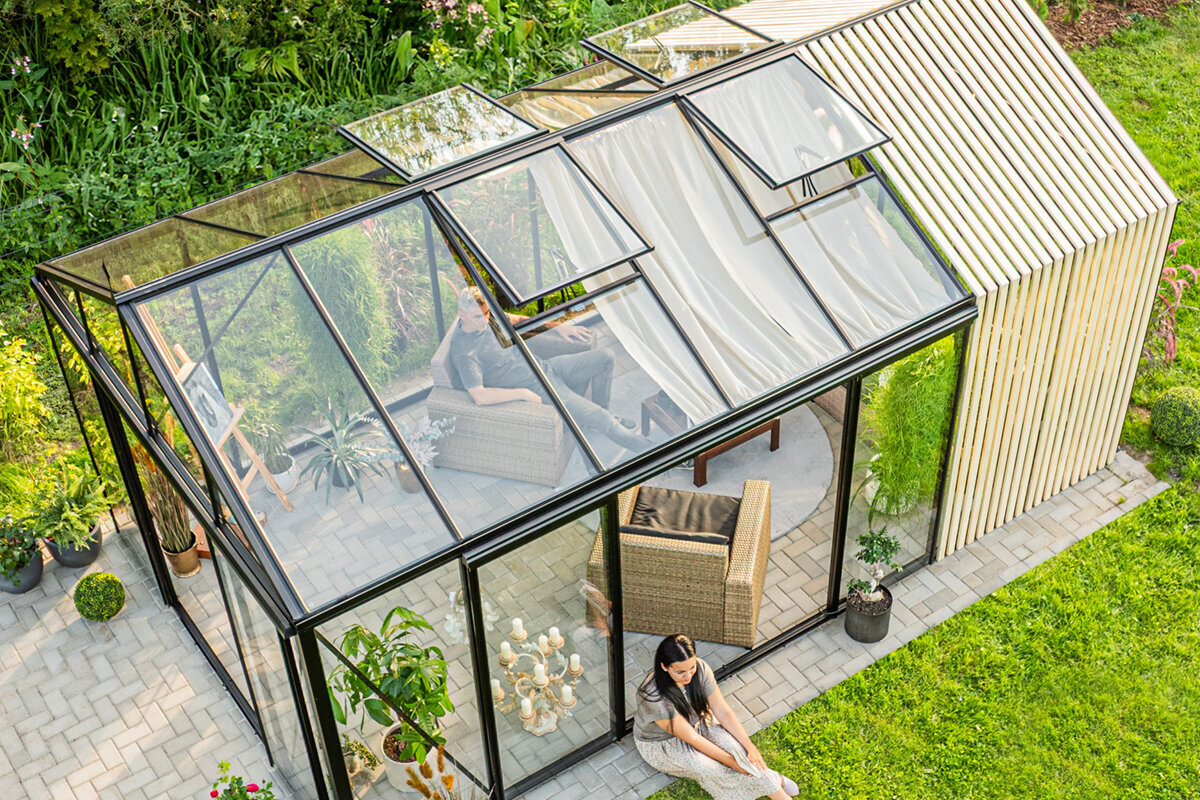
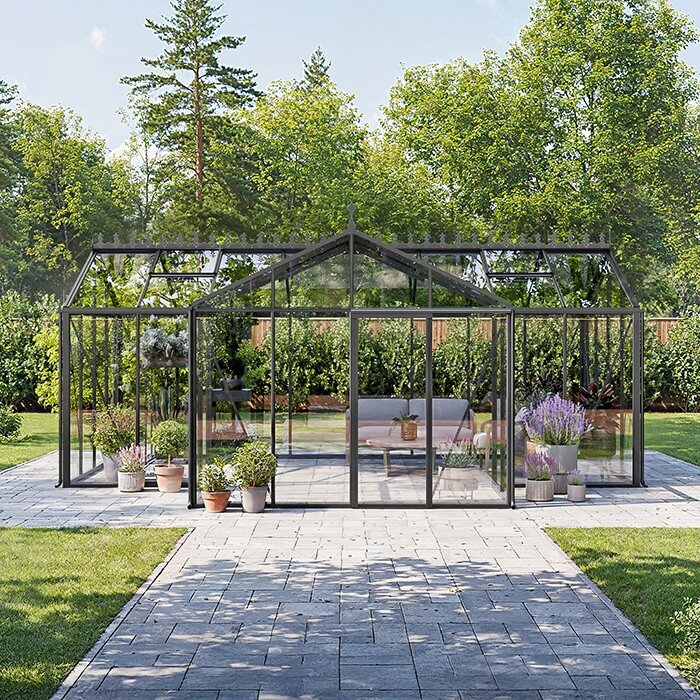
Buying directly from the manufacturer can make sense when you want to explore the model, dimensions and equipment in detail. Product-focused contacts usually know their own range and can coordinate communication about variants, accessories and technical documents. This is especially helpful when your site or intended use raises specific questions.
A dealer may instead be the right route if you want to compare a curated selection or value local advice. Some buyers want to combine several garden products in one project and prefer one regular point of contact. The key is not which channel is inherently superior, but how clearly responsibilities and information are defined for your project.
For a sound decision, consider the full journey: from first research through ordering to questions about installation. Set your priorities before speaking to anyone. Asking specifically about choice, depth of advice, accessibility and post-purchase support lets you compare manufacturers and greenhouse dealers fairly and practically.
Phase 1
Start with your own needs
Before assessing a buying channel, first define the purpose of your greenhouse. Will it mainly support propagation, protect sensitive plants, or become a design feature in the garden? Note the preferred site, available space, access routes and plants you intend to grow. These details make advice more reliable and prevent a decision based only on outward appearance.
A precise brief also shows more quickly what kind of advice you need. If you already know the dimensions and design, you may mainly need dependable ordering information. If you are choosing between styles, you may benefit more from a discussion that considers the site, everyday use and design. A good buying route answers open questions clearly rather than suggesting a solution unrelated to your garden. Add practical routines to your notes: where will compost, pots and tools go, and how will you reach the greenhouse in rain or with full hands? Such questions reveal whether a design suits not only the look of your garden but also daily use.
Sketch the footprint, paths and door opening so the greenhouse remains easy to reach in daily garden use.
Separate fixed requirements from wishes; this supports honest advice and later quotation comparisons.
For a classic freestanding starting point, include Classic garden greenhouses in your shortlist by size and design.
Phase 1
Site questions change the advice
A good supplier will not treat site information as an afterthought. Light, wind, soil, drainage and distance from existing beds all affect how a greenhouse can be planned and used. Direct manufacturer contact often focuses on product questions. A local dealer may know typical garden conditions nearby; what matters is whether the advice carefully addresses your information.
A lean-to greenhouse especially requires close consideration of the intended connection area. Check the wall surface, access, possible shading and practical routing for water and electricity if you plan to use them. Do not settle for general statements. Ask for open points to be recorded in writing, so planning, ordering and assembly rest on the same basis. During the discussion, ask for site assumptions to be separated clearly from confirmed information. Photos and measurements can help an initial assessment, but do not replace careful review of the actual situation. This helps you identify which points require further investigation or professional assessment before ordering.
Measure wall space, clear depth and passageways several times; small differences can substantially affect positioning.
Ask the relevant municipal authority early whether local requirements may affect your project.
If a house wall is part of your concept, take a closer look at full-size lean-to greenhouses with their spatial integration in mind.
Phase 2
Weigh product depth against range
The manufacturer channel often provides a focused view of its own product world. This can help when comparing variants, finishes, glazing or suitable accessories within a clear range. Ask not only which model is available, but also what information you need to provide for a suitable configuration. The more precise the questions, the more likely the advice takes your project seriously.
A dealer can place several brands or product categories alongside one another, opening a broader comparison. This is valuable when your greenhouse must coordinate with a patio, planting scheme or other garden elements. A broad choice does not replace specialist depth, however. Check whether answers about materials, assembly requirements and accessories remain specific or are merely general. Also consider the quality of the comparison basis. Different greenhouse forms serve different practical and design purposes. Rather than placing as many options as possible side by side, assess a few suitable models against the same requirements. This keeps questions specific and decisions understandable.
Compare not only basic forms, but also accessories, expandability and the clarity of product documentation.
Ask for a clear explanation of why a variant suits your site and intended use.
For comparing freestanding models, the selection of freestanding Classic greenhouse models is a useful starting point.
Phase 2
Use advice meetings well
Regardless of the sales route, a good discussion is shown by whether your questions are answered and limitations are stated openly. Prepare a short list of site measurements, intended uses and desired features. Ask about the exact ordering route, any preparatory work and available documents. This prevents a friendly initial meeting from losing value later because practical details remain unresolved.
With a manufacturer, you will often speak directly to a team focused on its own range. With a dealer, advice may be more strongly shaped around your overall project. Either can work well. Check who remains your contact after ordering and whether handovers are explained transparently. Where several parties are involved, it should be clear who handles each question. Helpful advice summarises agreed points in understandable terms. Check whether your priorities have been captured correctly and whether open questions remain visible. This creates a dependable basis for further coordination, whether you buy directly from the manufacturer or through a dealer.
Send measurements and photos in advance only when they are relevant to advice and you understand how they will be used.
After every discussion, note open points, promised documents and the relevant contact for later questions.
For planning against a building, full-size standard lean-to greenhouses provide a clear reference for focused advice questions.
Phase 3
Check quotations are comparable
A quotation can only be assessed properly when its scope and assumptions are clear. Check which model, version and additions are listed. Notes about site requirements, assembly and the ordering process matter just as much. A seemingly low total says little if contents are described differently or important work stages are not clearly assigned.
Ask both manufacturers and dealers whether changes before a binding order are documented clearly. Keep the product description, drawings and communication organised. This lets you check that your selection has been recorded correctly. Where details remain unclear, ask for an explanation before deciding. This is not a formality; it protects the quality of your planning. Pay particular attention to terms that can be understood differently, such as accessories, preparatory work or installation services. Ask for a clear allocation to the relevant quotation and keep your questions in writing. The more transparent the scope, the easier it is to compare buying routes fairly.
Check the model designation, dimensions, accessories and installation scope line by line against your own requirements list.
Compare only quotations with similar scopes; different assumptions otherwise lead to misleading conclusions.
For a clearly structured freestanding project, Classic greenhouses in different versions can help organise quotation checks.
Phase 3
Keep ordering and handovers transparent
Even the best buying route loses quality when the transition from advice to ordering is unclear. Establish which details are checked as binding, how changes are communicated and which documents you will receive. Read order and contract documents carefully before agreeing. If third-party installation is planned, do not coordinate requirements and responsibilities only verbally.
With a dealer, handovers may occur between advice, ordering and manufacturer. That need not be a disadvantage if roles are openly explained and information is passed on fully. When buying direct, also ask which team will handle later technical questions. A written, traceable process gives more certainty than a general promise of support. Allow enough time to review documents before your decision becomes binding. A clear summary of the model, site assumptions and responsibilities helps even when several people are involved. It reduces misunderstandings and makes later questions about your chosen version easier.
Record changes to the model, accessories or site assumptions in writing and check the updated summary.
Ask what preparation is expected from you or appointed professionals before delivery or assembly.
For projects close to a wall, compare the order for a large standard lean-to greenhouse with the actual conditions at the building.
Phase 4
Assess support after purchase
After purchase, questions often arise that were not foreseeable during the first advice meeting: assembly sequence, care or retrofitting accessories. Ask early which contact route provides support and what information will be available. What matters is not a general promise, but clear responsibility for product-related questions.
The route should also be clear for documents, spare parts or matters involving statutory remedies and commercial guarantee claims. If necessary, ask whether the dealer handles communication or whether you contact the manufacturer directly. Read the applicable guarantee terms, including their scope, conditions, exclusions and procedures, while remembering that commercial terms do not replace statutory rights. Do not ask only whether support is offered; ask how contact works in practice. Accessible contacts, understandable documents and clear escalation for specialist questions matter. This lets you judge before buying whether the process suits your information needs during use and maintenance.
Keep order documents, assembly instructions and product information in an accessible place for later questions.
Before buying, establish whether your first contact remains available after ordering or will refer you onward.
For long-term use, you can view Classic greenhouses for long-term planning with future additions in mind.
Phase 5
Base the choice on the whole process
Ultimately, manufacturer versus dealer is not a matter of belief. Choose the route that matches your knowledge and project. Direct purchase can be compelling when you want a product-focused choice. A dealer can suit you when personal support or coordination within the garden project matters. Assess the quality of responses, not simply the number of promotional claims.
Make your decision only when the model, site assumptions, scope and contacts make sense to you together. Take time to close unclear points and compare your notes objectively. Bloomcabin can be a starting point for product-focused guidance. Your final choice should rest on documented information and your own priorities, not a quick impulse. Use your meeting notes as a decision aid: which answers were specific, which assumptions were recorded, and which questions remain open? The better buying route is usually the one that supports your project transparently and provides a clear basis for the next planning steps.
Choose the channel that answers your most important open questions specifically and explains responsibilities clearly.
For construction, insurance or local questions, consult the relevant professionals, municipality or your insurer.
To complete your selection, you can assess lean-to greenhouses for wall installation and their suitability for your proposed wall area.
Comparison
Manufacturer and dealer compared directly
Both buying routes can work well when the offer and support suit your project. This matrix helps you conduct discussions using checkable criteria rather than assumptions. Answers can differ by supplier, region and project.
| Criterion | Direct from manufacturer | Through a dealer |
|---|---|---|
| Product-specific questions | Often direct access to information on the supplier's own product range. | Depth of advice depends on the partner's range and expertise. |
| Selection perspective | Focused on its own range and suitable additions. | Can compare several brands or garden solutions. |
| Site advice | Ask how your individual information is incorporated. | Local experience can help; specific checking remains important. |
| Order communication | Responsibilities may sit directly with the product supplier. | Ask about handovers between dealer and manufacturer. |
| Support afterwards | Clarify contact routes for documents, accessories and questions. | Check whether the dealer remains your contact. |
Five steps to the right buying route
A clear sequence prevents the sales question from overshadowing your real planning. Work through these steps before making a binding purchase and record answers that are decisive for your project.
01
Define use
Describe plants, seasons, desired working area and design aims. This creates useful questions about size, access and equipment.
02
Record the site
Measure the space, paths and possible connection areas. Observe light, drainage and existing garden structures before comparing models.
03
Prepare questions
Note advice, ordering, assembly requirements and after-purchase support. Ask both possible channels the same core questions.
04
Compare documents
Check descriptions, drawings and quotation scope for consistency. Where information differs, ask for clear written clarification.
05
Confirm responsibilities
Decide only when it is clear who handles product-related questions before and after ordering, and how to reach them.
Checklist before deciding
Take these points to every discussion with a manufacturer or dealer. A fully answered list makes service differences tangible and helps you make an informed choice.
01. The intended use, desired form and available footprint are recorded in writing.
02. Site measurements, access, light conditions and possible obstacles have been carefully recorded.
03. You know which product details are still open for your selection.
04. The quotation clearly identifies the model, version, accessories and assumed services.
05. Assembly requirements and necessary preparatory work have been clearly addressed.
06. The contact for questions after ordering is clearly named.
07. Written guarantee terms and information on applicable statutory rights have been requested and read in advance.
08. Local requirements and possible insurer requirements will be checked separately where needed.
Frequently asked questions about buying routes
Is buying direct from the manufacturer always cheaper?
This cannot be judged generally. Quotations can differ in scope, advice and included services. Do not compare isolated totals; check the model, version, accessories, installation assumptions and responsibilities. If anything is unclear, ask for an understandable explanation of the relevant quotation.
When is a greenhouse dealer the better choice?
A dealer can suit you when you want advice nearby, need to coordinate several garden elements or want to compare different product worlds. The key is whether your questions receive specific answers. Establish in advance what knowledge exists about your chosen greenhouse and who remains responsible after ordering.
Can I use both routes in parallel before ordering?
Yes, an objective comparison can be useful. Prepare the same information on site, use and preferred model for each route. This produces more comparable answers. Be transparent that you are still assessing options, and treat supplied documents and advice time respectfully and only for that purpose.
Who helps with questions during assembly?
That depends on the agreed process. Before buying, ask whether the manufacturer, dealer or an appointed installation service is your first contact. Also ask what documents are available and which questions should be resolved before assembly starts.
Must I check approvals or insurance myself?
For questions about local requirements, your property situation or insurance cover, contact the relevant municipal authority or insurer. Requirements can depend on the particular site and project. A supplier can provide planning information but cannot replace a binding decision from the responsible authority.
How can I recognise good support after purchase?
Look for clearly named contact routes, understandable documents and transparent responsibilities. Ask specifically about product-related questions, accessories and how matters after ordering are handled. It is particularly telling whether individual questions are answered precisely and open points are documented clearly.
View greenhouse selection
Choose your buying route consciously
Whether you buy your greenhouse directly from the manufacturer or through a dealer should follow your project. The right route combines good product information with advice that takes your site seriously and communication that remains understandable after ordering.
Compare not only greenhouse forms, but the full process: who listens, documents, coordinates and remains available later? With a clear brief and written answers, you create a sound foundation for your garden project.
Discover suitable greenhouse forms and use your planning list for your next well-informed consultation.
