
Buying a Pergola for a Coastal Property in South Africa
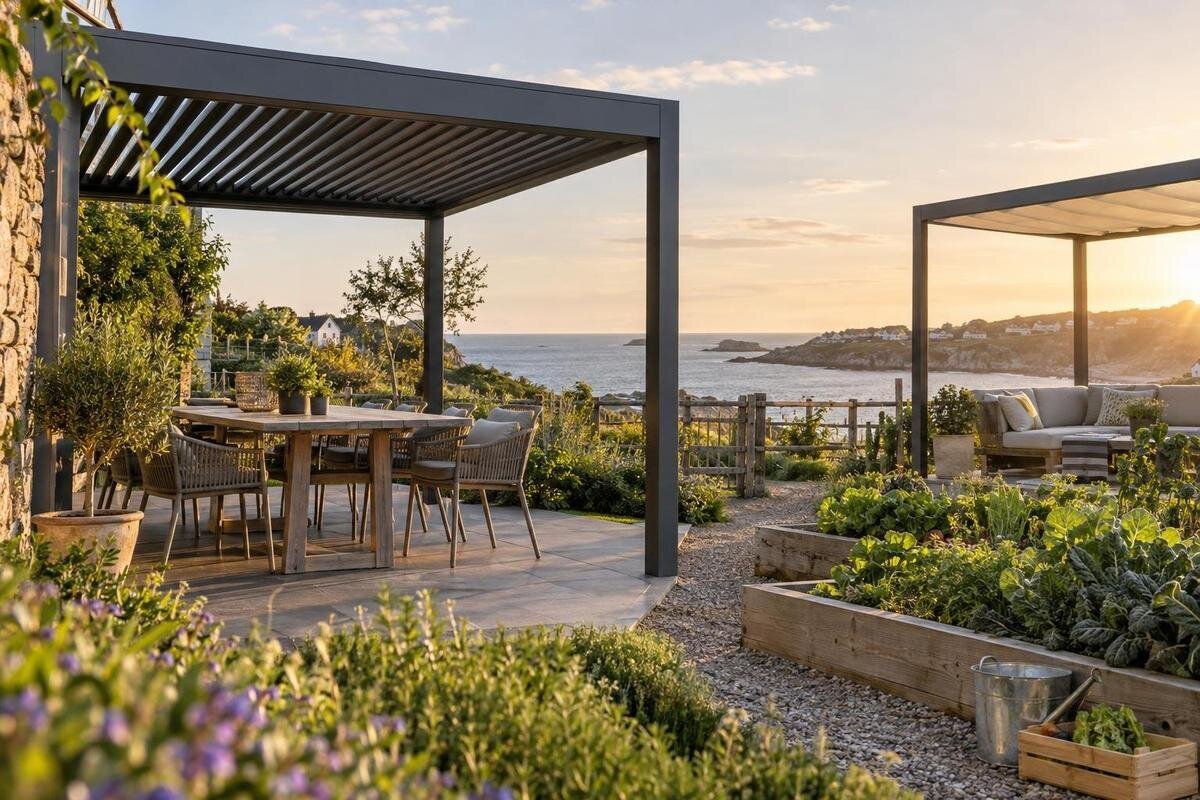
Pergola buying guide
Buying a pergola for a coastal property in South Africa means balancing the look and use of the outdoor area with conditions at the proposed installation point. Salt carried in sea air, occasional spray, wind exposure and the way the structure is maintained can all matter. A sea-facing patio and a sheltered courtyard on the same property may not experience the same exposure, so a broad coastal label is not enough to choose a model. Describe the site, then compare written information on the complete structure, finish, fixings and care. The most useful buying decision starts with guidance for the exact model and conditions, not with a generic claim that one material is always best. Style matters too, but a product name or attractive image cannot establish whether a pergola is suitable for your property.

Assess exposure at the pergola’s exact position
Salt carried by sea air can settle on exposed surfaces, while direct spray can create a more demanding exposure than a site that is simply near the shoreline. How much reaches a pergola depends on its position, wind direction, nearby shelter and how open the property is. A wall or neighbouring building may reduce exposure from one direction, but that does not establish that a chosen structure is protected. Even within one property, an open, sea-facing patio may differ from a courtyard set behind the house. Describe the exact location rather than relying on distance from the beach or calling the whole property coastal.
Before asking for a quote, note whether the proposed area receives direct spray, faces open wind or sits behind a barrier. Take photographs from the installation area and include the surrounding buildings, boundaries and any other obvious shelter. It is also useful to note whether exposure changes with the season or with the direction of prevailing weather, rather than providing a single photograph taken on a calm day. Do not try to turn these observations into a technical exposure rating yourself; share them with the supplier or installer and ask what further information is needed. When reviewing the Bloomcabin pergola product page, use it to identify the option you are considering, then look for guidance that addresses the conditions you have described.
Check the whole assembly for salt-air exposure
The large visible frame is only one part of a pergola. Brackets, screws, connectors, end caps and other small components may also be exposed, and their materials or finishes may differ from those of the main structure. Joints and ledges can be less straightforward to inspect or clean than broad surfaces. This does not mean that every coastal site will damage every pergola, but it does make a frame-material label an incomplete basis for choosing. Ask about the components that hold the structure together as well as the parts that dominate the product photograph.
Request a description of the materials used in the frame, supports, brackets and fasteners, together with information about protective finishes. Ask whether the supplier’s guidance for salt air or marine exposure applies to the complete model, including any accessories in your quote. If you are comparing the bioclimatic pergola product page, treat the name as a way to identify the listing, not as evidence of its materials or corrosion performance. The answer should refer to the exact product and explain any care or installation conditions.
Ask what coastal suitability means for this model
Terms such as coastal, marine or corrosion-resistant can sound precise without explaining what conditions they cover. Ask whether the advice applies to airborne salt, direct spray or both, and whether it is specific to the model, finish and components you plan to order. Find out what site information the supplier needs to make a recommendation. A general statement that a product is intended for outdoor use does not necessarily answer a question about exposure to salt at a particular coastal property.
A useful written response should identify the model and clarify the conditions under which the supplier recommends it. It should also point you to the relevant material and finish details, care instructions, and any limitations or installation requirements. If the answer is broad or unclear, ask a follow-up question rather than interpreting it as an assurance. Compare replies on the same points when considering different options; otherwise, one supplier may appear more reassuring simply because its wording is less specific.
Compare materials as part of a complete system
You may be comparing timber, aluminium, other metals or a combination of materials. Do not rank these options by name alone: the species and treatment matter for timber, while the metal, protective finish and hardware matter for a metal structure. Ask what is used in each main component, not just what material appears in the headline description. A material may be suitable in one construction and finish but give you too little information about another. Also consider whether the required inspection, cleaning and repair approach is realistic for the location, including parts that are difficult to reach once the pergola is in place. The relevant comparison is between complete, documented options and the care they require at your site.
For each option, record the stated materials, finish, fasteners, maintenance requirements and any relevant warranty conditions. Note which details the supplier has not provided so you can ask about them before deciding. When reviewing the Bloomcabin pergola listing, check what information is actually stated and request clarification on any gaps; the page name alone does not identify the full material specification. If one option comes with clearer model-specific guidance, that can make it easier to assess whether its ongoing care fits your circumstances.

Look closely at finishes and fasteners
A protective finish can be as important to your comparison as the material underneath it. Ask what finish or treatment is used, how it is intended to be maintained, and what the manufacturer recommends if it is scratched or damaged. For fasteners, find out what material is specified and whether replacements need to meet particular requirements. The word stainless, a glossy appearance or a colour sample does not tell you everything about corrosion resistance. Get the supplier’s description of the actual components rather than relying on a visual impression.
Before choosing the listing labelled bioclimatic pergola, ask for the care information that applies to its finish and exposed hardware. Find out which cleaning products are approved, whether salt exposure changes inspection or care recommendations, and how to handle damage to a coated surface. If the design includes moving or sliding components, ask whether those parts have specific maintenance requirements. These are questions to resolve before purchase, when you can compare the instructions alongside the design and price rather than discovering an important condition later.
Treat wind and anchoring as separate site checks
A coastal location may also be exposed to wind, but wind suitability and salt-air suitability are different questions. Conditions can vary between an open boundary and a sheltered courtyard, so do not assume that a general coastal description answers either one. Ask for the stated wind information and limitations for the exact model and configuration you are considering. Clarify which installation conditions that information assumes. A broad product description or a structure’s appearance cannot tell you how it will perform at your particular site.
Fixing requirements depend on both the pergola and the surface it will be attached to. A paved area, concrete base and existing wall are not interchangeable assumptions, and a general online suggestion cannot assess their suitability. Before ordering, ask a qualified installer to review the manufacturer’s fixing instructions against the proposed surface and exposure. If the quote assumes a particular base or wall, make sure you know what is included and whether any preparation or additional work is required. Avoid making changes to the planned fixing without professional guidance.
Choose a layout that suits how you use the space
Think about what the covered area is for: outdoor meals, a lounge space, a braai area or a route between the house and garden. Allow for furniture, people moving around it, doors and windows, and access to the rest of the patio. Marking out the proposed footprint temporarily can help reveal where chairs are pulled back, where people enter the space and whether a clear route remains when the area is in use. Consider when you most want shade and how the position of the pergola relates to the house and nearby boundaries. These practical details help define the footprint and location before you compare styles. A structure that fits a photograph may still be awkward if it narrows a walkway or obstructs a frequently used doorway.
Decide whether an attached or freestanding layout is the more sensible starting point, then confirm what each model requires. If a wall-mounted option is on your shortlist, use the wall-mounted pergola listing as a prompt to ask for its model-specific mounting details. The label does not establish that a particular wall is suitable or that the proposed position will work with doors, windows or roof edges. Have the installer consider those site conditions before you settle on dimensions or place an order.
Decide how much cover and control you need
Clarify what you expect from the roof before selecting a design. Pergola descriptions may refer to different arrangements, but the category name alone does not promise a watertight cover, adjustable shade or a particular way of managing rain. If you want shade at a certain time of day or protection from showers, ask exactly how the chosen roof is configured and operated, and what limitations apply. Check whether water management is part of the proposed design rather than assuming it is included. This helps prevent a mismatch between the product you order and the shelter you had in mind.
Style and colour still matter, especially if the pergola will be seen from inside the home or alongside existing finishes. Use the Bloomcabin pergola page to consider the product’s visual identity, but compare the dimensions and written finish information separately. Product images are useful for discussing appearance; they do not establish the scale, the amount of shade at your site or the material of every component. If colour is important, ask how the finish is described in the specifications and whether the image is an accurate guide to the supplied option.

Confirm dimensions and installation responsibilities
Measure the proposed footprint and note clearances around doors, windows, paths, furniture, drains and the edge of the building. Record the usable space rather than measuring only the area you would like the pergola to cover. Include the space needed for doors or windows to open and for routine access around the structure, rather than treating the frame dimensions as the only measurement that matters. Also consider access to the installation area and any features that an installer may need to work around. If the structure will be attached to a wall, make that clear when asking for dimensions and mounting information. These checks are not a substitute for an installation assessment, but they help you compare realistic options and avoid ordering a size that conflicts with everyday use.
Read the quote and product information together. Confirm the model, dimensions, colour or finish, included components, installation responsibilities and any site preparation that is expected. If comparing the wall-mounted pergola page, ask which fixing and wall conditions its installation guidance assumes, then have the proposed location assessed by a qualified installer. Clarify who is responsible for assembly and what is excluded from the quoted work. Resolving these points in writing makes it easier to compare offers accurately without assuming that a product page or verbal description covers every part of the order.
Plan maintenance and warranty before purchase
Ask for the manufacturer’s care instructions before choosing a pergola for a salt-exposed site. Find out how often the structure should be inspected, how salt deposits should be cleaned and which products or methods are approved. Ask whether the finish, joints or any moving parts need particular attention. Do not assume that a familiar household cleaner or a routine suitable for another material is appropriate; follow the instructions for the exact product. Consider who will carry out the recommended care and whether it is practical for the structure’s position and height.
Read the warranty terms for the model and finish you intend to order. Ask directly whether they mention coastal exposure, corrosion, finish damage, maintenance or installation conditions, and request clarification if a term is unclear. Keep the written response with the product and care documents so you can refer to the same guidance later. When considering the bioclimatic pergola listing, compare its stated product information with the care and warranty details supplied for the exact option; a style label cannot answer questions about coverage or exclusions.
Frequently asked questions
Does a coastal address automatically rule out a pergola?
No. The important question is whether the specific model and its complete assembly are suitable for the conditions at the proposed installation point. Ask about salt-air or spray exposure, maintenance and warranty terms. Distance from the shoreline alone does not establish suitability.
Which material is best for a coastal pergola?
There is no reliable answer based on the material name alone. Ask for the materials used throughout the structure, including fasteners and brackets, and find out how each is protected and maintained. Compare those details with the supplier’s guidance for your site.
Is a product labelled coastal enough?
Treat the label as a prompt for questions, not as proof. Ask what exposure the recommendation covers, whether it applies to the exact model and finish, and whether any installation or maintenance conditions apply. Request the answer in writing before ordering.
Should I check wind if salt air is my main concern?
Yes. Salt-air suitability and wind suitability are separate checks, even though a coastal site may make both relevant. Ask for the exact model’s stated wind information and fixing requirements, then have a qualified installer assess whether they suit your location and installation surface.
What should I have ready before requesting a quote?
Prepare the proposed pergola’s location, measurements, intended use and a description or photographs of the surrounding exposure. Note what it will be fixed to, if known. Ask for model-specific material, finish, wind, installation, care and warranty details so you can compare like with like.
A coastal pergola purchase is easier to judge when site exposure, the complete material and finish specification, wind and fixing requirements, everyday use and maintenance are considered together. Ask for clear guidance on the exact model and compare it with the conditions at your chosen installation point. Once those practical questions are answered, the choice of size and style can be made with a much clearer picture of what you are ordering.
