
How to Choose and Buy a Pergola for a Snowy Climate
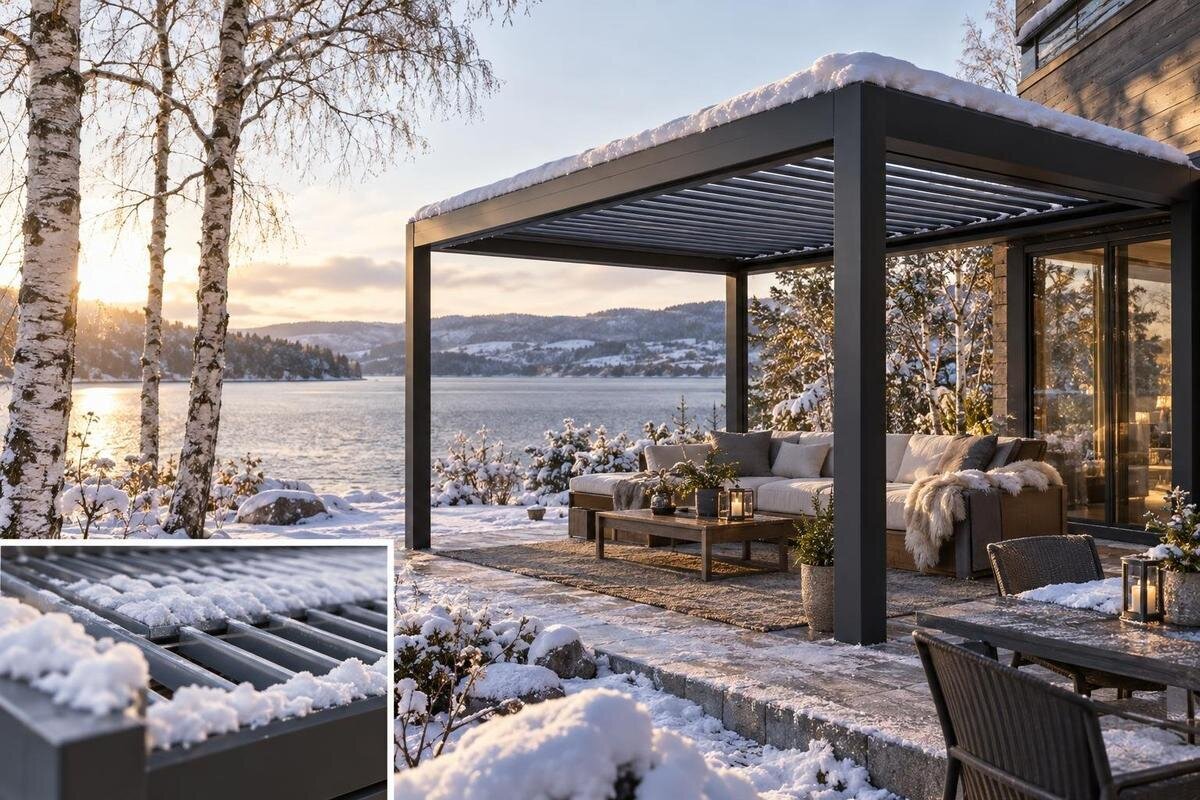
Pergola buying guide
Choosing a pergola for a snowy climate is a structural decision as much as a style choice. The key question is not whether a frame looks sturdy, but whether the complete system—roof, supports, connections and base—has documented capacity for the snow and site conditions where it will stand. Compare model-specific evidence first; then weigh roof design, materials, layout and appearance. If the documents are incomplete or unclear, pause and get written clarification and appropriate local professional input before ordering.

Assess the snow conditions at the actual site
Treat “snowy climate” as a starting point, not a design specification. Conditions can differ from one site to another: snowfall may be occasional or persistent, and wet snow can behave differently from a light fall. Think about ordinary winters as well as heavier events the pergola may need to withstand. Your observations help frame questions for a supplier or engineer, but they are not a design load and cannot confirm that a structure is suitable. A mild winter in recent years is not proof that every future event is covered.
Look at the proposed position in context. Snow or ice sliding from a nearby roof edge, uneven drifting around a wall or taller structure, and sheltered pockets can affect where snow gathers. Note adjacent buildings, roof edges, fences and the places people walk or sit. If you have little local experience or reliable site records, ask a structural engineer or another appropriately qualified professional familiar with local winter conditions to establish what the design needs to cover. A simple site sketch and photographs of nearby rooflines can help explain the setting.
Find out what the snow-load rating covers
Request a clear snow-load capacity for the exact model and configuration under consideration. The figure should be supported by product-specific technical information, not a marketing phrase such as “heavy duty” or “all weather”. Check whether it covers the complete assembled structure, including the roof, beams, posts and their connections, rather than one component in isolation. Confirm that the dimensions, spans, support positions and roof arrangement match the version in the quotation. If a rating is given for a product range, ask which model and size it applies to. A pergola listing can identify the item being compared, but its name or photograph does not establish winter performance.
Ask what the stated capacity assumes. It may refer to a particular load distribution or installation configuration; uneven drifts, roof shape and snow characteristics can make site conditions different. Find out whether roof coverings and approved accessories are included, which installation details are essential, and whether the supplier can provide a drawing or engineering document explaining the rating. Compare figures only when they use the same units and basis. Do not treat a load number as an invitation to perform your own structural calculation. If the published rating cannot be matched to your site, ask an appropriately qualified professional to assess the gap.
Compare roof design and snow behaviour
Roof form affects how snow can rest, move or shed, so compare the actual arrangement rather than a broad product label. An open framework, a fixed covering and a roof with moving elements raise different questions: does snow settle on the surface, pass through, or slide towards a particular edge? Neither an open design nor a sloping or movable roof can be assumed to eliminate the load. A photograph may not show the roof position or support details, so request a drawing for the exact model. Snow that sheds can also land where it blocks a route or affects an entrance; include that area in your layout.
For a bioclimatic pergola listing, do not assume from the product category that the roof should be opened or closed during snowfall. Ask the manufacturer for the exact model’s instructions on permitted roof positions, whether movement is allowed when snow is present, and what limits apply to accumulated snow. If the roof must be left in a particular position, check that this remains practical when the structure is unattended. Consider where any shed snow would land, especially beside doors, seating or a frequently used path. The answer needs to come from model-specific guidance, not from how the roof looks in a photograph.
Compare material details, not just material names
Material alone cannot tell you whether a pergola can carry snow. Capacity also depends on the dimensions and shape of each member, how parts are joined, the span between supports and the design as a whole. When comparing aluminium, steel or timber frames, request the relevant material and profile details for the model, along with evidence that the assembled configuration has been assessed for the stated load. A this pergola product page may help you keep the item identity clear, but do not infer strength, thickness or grade from a material name or image. Ask whether the information covers the roof as well as the supporting frame.
Check what the frame, roof components and fixings are made from, how they are protected for outdoor exposure, and what maintenance is expected. Timber can vary by species, treatment and moisture-related requirements; metal frames can vary by alloy or grade, profile and finish. Fasteners and brackets form part of the same system, so a sturdy-looking post does not compensate for a connection that has not been specified for the load. Ask how finishes, cut edges and replacement parts are dealt with, and whether the care instructions are manageable during winter. Include the maintenance of the fixings in your comparison, not just the visible frame.
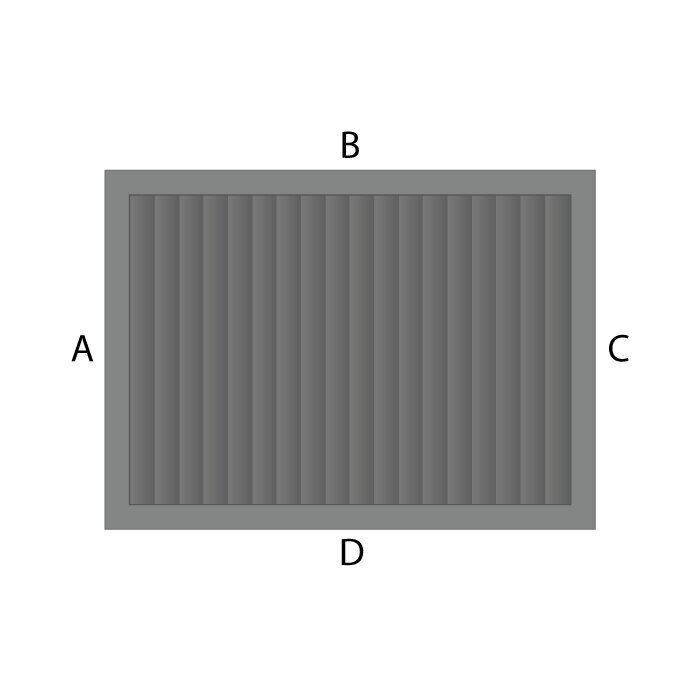
Check the support for a wall-mounted or freestanding design
A freestanding pergola and one attached to a building do not share the same support conditions. A wall-mounted design transfers some forces through its connections into the building, so the type and condition of the wall and the specified fixings matter. Do not assume that a strong-looking wall, exterior finish or nearby eaves can support any model; obtain the fixing requirements and have the building substrate checked where needed. A wall-mounted pergola listing identifies a product type, not confirmation that a particular wall is suitable. Tell the installer what the wall is made of and where the pergola is proposed.
Consider the surrounding roofline as well as the attachment. Snow or ice falling from the existing building may land on the pergola, and the area close to an eave can experience different accumulation from an open part of the site. Confirm whether the proposed position and exposure are addressed in the model’s documents. With a freestanding version, do not assume that moving it away from a wall removes every concern; nearby roofs and barriers can still affect where snow gathers. Choose the arrangement only after the site and its connections have been considered together.
Include foundations and anchors in the decision
The base is part of the structure, not a finishing detail. Snow load passes from the roof and frame to the supports and then into the ground or the building, so unsuitable anchoring can undermine an otherwise adequate frame. Ask which base, anchors and foundation the manufacturer specifies, what surface they require, and whether those parts are included in the quotation. Check that the installation instructions apply to the selected size and site arrangement. Avoid relying on a general statement that a pergola can be secured to any hard surface; the specified installation matters.
In a snowy area, discuss ground conditions and possible freeze-thaw movement with the installer or a local professional rather than guessing a footing depth or substituting an anchor. Sloping or uneven ground, drainage and existing paving may also affect where supports can go. If comparing that wall-mounted product page, ask how the specified wall connections work with the base supports; attachment to a building does not remove the need to follow the complete installation design. Have any site-specific changes to the foundation or anchoring confirmed by the manufacturer or the responsible professional before work begins.
Request model-specific documents before ordering
Before paying, gather the documents needed to assess the exact model: technical drawings, assembly instructions, a stated snow-load rating and the assumptions behind it, permitted roof positions, and anchoring or foundation requirements. Ask for details that match the precise configuration in your quotation, including its dimensions and any optional components. If the product page does not provide the information, request it from the seller or manufacturer; a missing figure is a question to resolve, not a basis for guessing. Keep the response in writing so the installer can review the same information you used to make the decision.
Look for exclusions and limits as carefully as the headline figure. A rating may depend on a particular arrangement, installation method or roof position; a different span or added accessory may fall outside it. A bioclimatic model page can help distinguish which product you mean, but it cannot replace technical documents for that exact model. Ask the supplier to explain any unclear statement and confirm whether the design basis is relevant to your location. Have unresolved structural questions reviewed by a suitably qualified local professional before committing.
Compare complete quotations and configurations
Compare like-for-like configurations rather than headline frame prices. One quotation may cover a roof, fixings or installation while another lists a different combination, so write down exactly what each includes. Check whether screens, lighting, gutters, side panels or other extras are proposed, and ask whether each is approved for the snow-rated configuration. An added component can change the weight or affect how the assembly behaves, so do not treat every extra as purely decorative. Verify any change against the model documentation before ordering, even if the main frame appears unchanged.
Use the pergola page to keep the product identity straight while comparing quotations; confirm the exact configuration and technical documents separately. Ask the supplier to itemise the components, required anchors, optional parts and installation work, and check which arrangements you must organise yourself. Consider whether delivery can reach the prepared installation area and whether your chosen installer will work from the model’s documents. These practical checks help prevent a mismatch between what you ordered, what arrives and what the site professional has assessed. Resolve differences in the written quotation before treating two options as comparable.
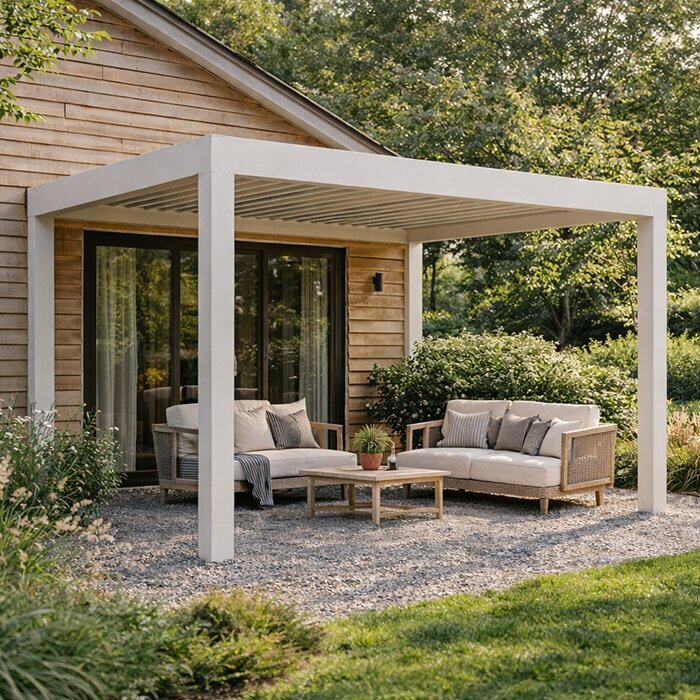
Plan installation and winter operation
A suitable specification still depends on correct installation and winter operation. Use the instructions for the exact model and have the supports, connections and roof assembled as specified; do not improvise a different anchoring pattern or add unapproved parts. Ask who is responsible for confirming that the site preparation matches the drawings. Before winter, understand the manufacturer’s inspection and snow-management guidance, including whether snow may be removed and how to do so safely. Do not climb onto a pergola or improvise a removal method; follow the instructions and use qualified help where needed.
For a roof with moving elements, get clear instructions on its permitted operating position when snow is forecast or already present. Do not assume that the mechanism can carry, shift or clear snow. A bioclimatic pergola page identifies a product category to investigate, but only the exact model’s directions can answer those operating questions. Check the surroundings too: if snow can slide from the roof, consider whether it would land on an entrance, seating area or path. Follow the stated inspection schedule and seek professional advice if damage or deformation is suspected.
Make the final choice on documented fit
A useful comparison sheet separates essential evidence from preferences. Record the model and configuration; documented snow capacity and its assumptions; roof position and winter-operation instructions; materials and finish; wall or freestanding support; foundation and fixing requirements; and any exclusions affecting your intended installation. Mark missing or mismatched details as unresolved. If one option looks more substantial or has a more appealing design but lacks a rating for the actual assembly, it has not passed the main buying test. A clear record also makes it easier for your supplier and installer to discuss the same configuration.
Treat a pergola as a candidate only when its specification and installation plan can be assessed against the site. If the load information does not cover the configuration, pause rather than estimating suitability from appearance or choosing the lowest quotation. Ask the supplier for clarification and take the response to the installer or a qualified local professional. Once the structural and site requirements are addressed, weigh appearance, usable space and maintenance. This keeps a snowy-climate purchase centred on evidence while still allowing you to choose a design that suits how you want to use the outdoor area.
Frequently asked questions
What information should I request before buying a pergola for snow?
Ask for a snow-load rating and supporting technical information for the exact model and configuration you intend to order. Check which roof position, dimensions, supports and installation details the rating covers, and ask for the relevant foundation and winter-operation instructions. If the information does not match your site or is unclear, get written clarification before committing.
Does an aluminium, steel or timber frame guarantee that a pergola is suitable for snow?
No. A material name alone does not show how the complete structure performs. Member dimensions, profiles, connections, supports and foundations all matter. Ask for the model-specific assessment and material details, rather than judging capacity from the material, a photograph or how substantial the frame appears.
Can an open or movable pergola roof avoid snow-load concerns?
Do not assume that it can. Snow may settle on, pass through or move from a roof in ways that depend on the model and its position. Ask the manufacturer what the roof may be set to when snow is present, whether it can be operated, and what snow-management instructions apply.
Is a wall-mounted pergola automatically safer in snow than a freestanding one?
No. A wall-mounted design depends on its specified fixings and the suitability of the building wall, while a freestanding design depends on its supports and foundations. Neither arrangement is automatically suitable. Check the full load path and installation requirements for the exact model and site.
What should I do if no snow-load information is published?
Ask the seller or manufacturer for model-specific information in writing. Do not treat a generic claim, product name or image as evidence of snow capacity. If the supplier cannot clarify whether the configuration suits your site, pause the purchase and have the available documents reviewed by an appropriately qualified local professional.
A pergola for a snowy climate should be bought on the strength of its documented fit, not a reassuring name or appearance. Establish what conditions the site presents, match them to the exact roof and support configuration, and make sure the foundation and winter instructions can be followed. Where the evidence leaves a gap, pause until the supplier and a qualified local professional have resolved it. That is a more considered basis for choosing a pergola than style alone.
