
Buying a Pergola for South Africa’s Strong Summer Sun
Pergola buying guide
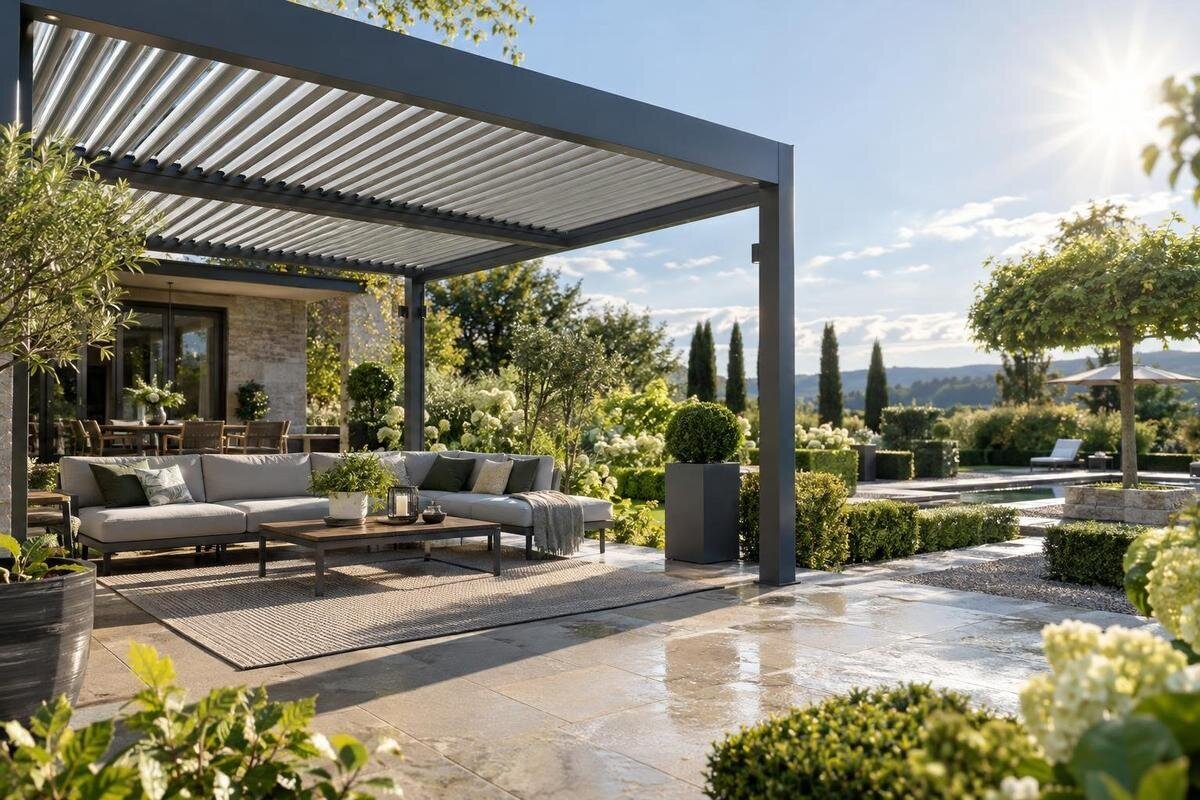
Buying a pergola for South Africa’s strong summer sun is mainly a question of where shade needs to fall, how much of the outdoor area should be covered, and whether the structure will fit the way you use the space. A wide roof does not automatically create uniform shade: gaps, changing sun angles and open sides all affect the result. Compare your daily shade needs with the roof arrangement, footprint and installation requirements, then check the actual product information before ordering. The goal is a pergola that works for your patio or garden layout, not simply the largest option that can fit.
Before you buy 1
Define the shade you want before choosing a pergola
Before comparing pergola styles, be specific about the job you want the shade to do. Is the priority a dining table at lunchtime, seating in the afternoon, a route between the house and garden, or a few of these? Note the hours when people use the space and whether you want cover over the entire area or only its busiest part. Strong summer sun can make continuous coverage appealing, but a smaller shaded zone may suit a larger garden better. An outdoor dining set can fit under the frame while chairs sit beyond its shade when pulled back, so plan for people using the space, not an empty patio.
Decide, too, whether filtered light is acceptable or whether you want to block direct sun across the roof area. Open roof elements can leave bands or patches of sunlight, and shade at one time of day may shift later. Choose whether the central seating, the edges or the whole planned footprint matters most; that affects the sizes you compare. Don’t equate an attractive shaded image with a promise about the whole patio. If ultraviolet performance is important to your purchase, ask for product-specific evidence for the roof covering as supplied; a generic pergola description or photograph does not establish that performance. This gives you a practical standard for comparing options.
Read the sun across the space, not just at midday
The same roof casts different shade as the sun moves. Make a simple plan of the patio or garden, mark the house, walls, mature trees and the area you want covered, and note where direct sunlight falls at several times of day. Pay special attention to the hours you identified as important; a midday observation alone can miss sun entering from one side earlier or later. If seasonal use matters, remember that the sun’s path changes through the year, so one day’s pattern is a guide to that date, not a permanent map. Mark existing shade that you rely on, too, and note whether it lasts through your usual time outdoors.
You do not need a technical solar study for a first comparison. Take photographs from one fixed point at the times you use the space, or sketch the moving edge of shade on the ground. Record which chairs, doors or windows are exposed, rather than noting only that the patio feels sunny; reflections from pale paving or walls may also matter if glare is part of the problem. When assessing the Bloomcabin pergola listing, compare your site sketch with any stated overall dimensions and roof details. If a key measurement is absent, request it before treating the option as a fit. Keep these notes for each product so you compare them against the same site conditions.
Before you buy 2
Compare roof styles for the shade they provide
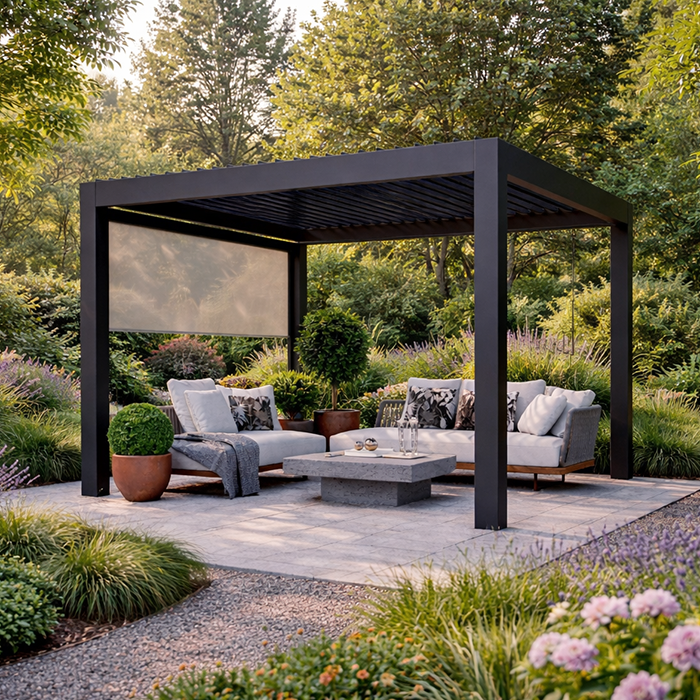
Roof construction has a major bearing on how much overhead light reaches the space. A fixed open-slat roof leaves gaps, so it can create broken or dappled shade rather than a solid block. Slat spacing and direction affect the pattern, and the shadow moves as the sun changes position. An adjustable louvre arrangement can change how much sky is open if the design includes that function, but the result depends on its geometry and settings. A retractable fabric cover is another possible approach where a product includes one. A more opaque roof can block direct overhead sun across the area it covers, but it will not, by itself, settle side exposure. These design types are not interchangeable.
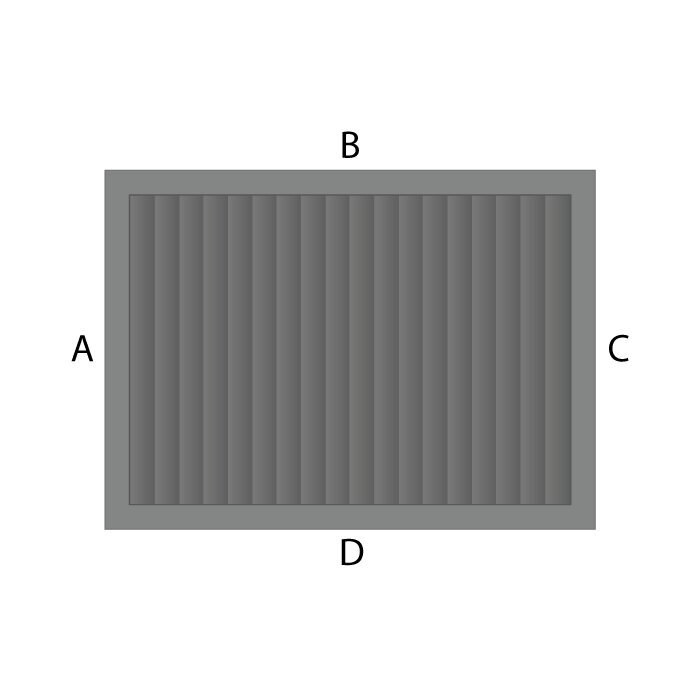
Compare specifications rather than category names. The word pergola alone does not tell you whether a roof is fixed, adjustable, open, retractable or supplied with a cover. For the Bloomcabin pergola page, inspect the written roof description and any drawing, then look for information on usable coverage, controls and included components. If a diagram gives only the outside frame dimensions, check whether the covered roof area differs. Ask what positions the roof can take if movement is offered, and what parts are supplied as standard. A roof close-up does not show its shade pattern across the patio. If coverage or movement is unclear, ask before ordering and compare what is documented with your site notes.
Size the covered area around how you use it
Measure the space that the pergola would occupy, but distinguish the outer footprint from the usable area beneath it. Supports may stand inside the roof’s outside edge, so a listed width is not necessarily the clear width between posts. Mark likely support positions on the ground and place your actual table or seating plan within that outline. Leave room for chairs to move, people to pass and doors to open. If you expect to use the area in more than one way, measure each arrangement; a footprint that fits stationary furniture can still make circulation awkward. Record the routes to the house and garden before comparing sizes.
Check dimensions on a drawing or product specification, not by judging proportions in an online photograph. For this Bloomcabin product page, compare any published measurements with your sketch and confirm whether each figure describes the roof, supports or both. Account for an overhang only if the specifications state one. It can help to mark the proposed footprint with string or removable tape and walk around it at a normal pace. Note paths to gates, taps and outdoor equipment as well as doors; a shade area that obstructs a regular route may be used less often than intended. If the support layout is unclear, ask before buying rather than guessing.

Before you buy 3
Allow for low-angle sun at the sides
Even a roof that shades its full footprint leaves the sides open unless side components are provided. Sun arriving at a low angle can reach a table or seating area under the roof, particularly from the edge facing the sun when you use the space. Note that exposure when you map the site. Existing walls, fences or trees may already provide some side shade, but observe their positions and shadows at relevant hours rather than assuming they will help. A pergola can reduce overhead exposure without shading the whole seating zone. Check whether the uncovered edge matters for your main activity and whether moving the furniture would solve part of the problem.
If you are considering screens, blinds or other side elements, check whether they are included or sold separately and whether the pergola is specified for use with them. A side screen changes light, views and airflow; any added component needs to suit both the structure and site. When reviewing another pergola listing from Bloomcabin, look for specific information about side coverage rather than inferring it from a photograph. If the product details are silent, treat lateral shade as unresolved. Ask a suitably qualified installer about compatibility before planning a modification, especially where added panels may affect the structure’s exposure to wind. Confirm the accessory’s availability and fit before including it in your plan.
Balance shade with daylight
Shade and daylight are a trade-off to consider before purchase. A dense or opaque cover can reduce direct overhead sunlight beneath the portion it covers, but it can also make that outdoor area darker and affect light reaching nearby windows. An open roof leaves more sky visible but may allow moving patches of sun through. Think about how the space looks from indoors as well as from under the pergola, particularly if the structure will sit beside a frequently used room. You are choosing a pattern of light across both spaces, not just a footprint. Consider whether your preferred shade still leaves enough daylight for your usual outdoor activities.
Adjustable roofs may suit people who want to vary the opening, but they are not automatically a better buy. Check whether the product actually offers adjustment, how it is operated and what shade its specified positions provide; do not infer those details from a product name or image. If the Bloomcabin listing is on your shortlist, rely on its written features and request clarification where a setting or control is not explained. Consider whether you will realistically change the roof often enough to value that option and whether the care guidance suits you. A fixed arrangement may be the clearer choice when its stated light pattern already meets your brief.
Before you buy 4
Check dimensions, supports and clearances
Once the coverage pattern seems right, verify the physical dimensions that affect installation: overall length and width, height, support spacing and clearance around doors, windows and paths. Confirm what each measurement refers to, and check whether roof movement or an overhang changes the space required. Look at the ground where each support would stand. A paving joint, step, drain, slope, garden bed or existing structure can affect the layout, even when the roof outline appears to fit on paper. Consider whether there is suitable access around the supports for assembly and later care. Keep installation requirements for the exact model with your comparison notes.
Product selection does not replace a site assessment. Before buying this pergola listing from Bloomcabin, check any published installation requirements, base or fixing details and stated restrictions on the surface or mounting method. If you cannot tell whether your paving, soil or wall suits the proposed installation, ask a qualified installer to assess it; do not improvise anchors or calculate structural loads from a photograph. Clarify who is responsible for preparation, assembly and any additional fittings, so you do not assume the listed product and a completed installation are the same purchase. This also helps identify site work to arrange in advance.
Choose between a freestanding and an attached layout
An attached pergola and a freestanding one solve different layout problems. A freestanding structure can sit over an area away from the house, subject to its support arrangement and the site. An attached design can extend a patio beside the home, but it depends on the specified fixing method and the suitability of that wall. In either case, draw doors, windows, gutters, outdoor lights and paths on your plan. Consider whether the pergola will shade the space you use without interfering with an entrance, blocking a view you want to keep or obscuring access to an outdoor tap. If shading an existing patio, check the frame against the features already fixed there.
For a wall-adjacent layout, inspect the Bloomcabin pergola listing and verify from its full product details whether that particular model is intended for the mounting arrangement you need. A page title or lifestyle image does not show whether your wall, clearances or support positions are suitable. Confirm what fixings and supports are included, which conditions the installation instructions specify, and whether a professional needs to assess the wall or base. If you rent, share the property or have building-management requirements, check necessary approvals with the responsible people before purchase; do not assume an attachment is permitted or appropriate. This distinction matters even when an attached-looking layout seems to match the patio.
Before you buy 5
Read the product details before you order
Before ordering, read the full listing for the details that decide whether the pergola can deliver the shade and fit you planned. Look for precise dimensions, roof type, material and finish information, included components, operating method and maintenance instructions. Where you need a particular level of UV performance, require product-specific evidence rather than treating a material name as proof. Note anything described as optional and anything shown in photographs but not named as included. For the relevant Bloomcabin product listing, use the same checklist as for any other option; if a critical specification is missing, ask for written clarification or keep comparing. Save any answer that changes how you understand the product.
Also check the purchase and installation arrangements before paying: what arrives in the package, whether assembly is included, whether additional parts or site preparation are required, and how the retailer handles delivery access, damaged goods and returns under its published terms. Ask about timing rather than assuming it from a product page, and measure access through gates or passageways if bulky components have to reach the site. Confirm that the model or configuration in the order matches the details you compared. Keep the order description and any answers about configuration together. These checks let you compare the complete purchase, not just the pergola pictured; resolve unclear terms before you commit.
Compare upkeep as well as shade
Put the options side by side using a short list of must-haves: shade at your chosen hours, the covered area, acceptable side exposure, a workable roof arrangement and dimensions that fit. Then mark each point as confirmed, unclear or unsuitable. This makes gaps visible without pretending that an attractive image is evidence. Give more weight to stated measurements and specifications than to broad claims such as ample shade, and do not fill missing details by assuming two similarly named pergolas are alike. If only one option meets your essential requirements on paper, verify its unclear points before treating it as a match. A written comparison also makes trade-offs easier to discuss with an installer or retailer.
Finally, consider upkeep as part of the choice. Read the care guidance for the materials and any moving parts; find out what routine cleaning is expected and whether replacement components are available if that matters to you. Do not assume all finishes, covers or mechanisms are maintained in the same way, or apply a generic care routine where the product instructions say otherwise. Revisit your shade notes across the seasons if the pergola is a long-term purchase: the best roof pattern is one that covers the area when you use it while leaving a layout you can live with. Buying on those combined checks is more reliable than choosing by size alone.
Frequently asked questions
Which pergola roof gives the most shade in summer?
There is no single roof style that is best for every site. Fixed open slats can leave patterned sunlight, while a more continuous cover can block more direct overhead sun across the area it covers. Adjustable or retractable designs offer control only if that feature is included and specified. Compare the actual roof arrangement, coverage and the times the sun reaches your space.
How do I choose a pergola size for my patio?
Measure the full footprint and the clear space between supports, then plot your furniture, chair movement, doors and usual routes. Test the proposed outline on the ground with string or removable tape. Compare your measurements with a product drawing; a roof width or online image alone may not show how much usable space remains underneath.
Will a pergola keep afternoon sun off a seating area?
Not necessarily. A roof shades from above, but low-angle sunlight can enter from an open side, and the shaded area moves as the sun changes position. Observe your space at the hours you use it and decide whether roof coverage alone is enough. If you consider side screens, confirm whether they are included and compatible.
Is an adjustable pergola always the better choice?
No. Adjustment may help you vary the roof opening when the product offers that feature, but it does not guarantee shade from every angle or suit every routine. Compare the specified positions, operating method and care guidance. A fixed roof may be a simpler match if its stated light pattern already meets your needs.
What should I verify before ordering?
Check the exact dimensions, roof arrangement, materials, included components, installation requirements and care instructions. If UV performance matters, ask for product-specific evidence. Also review assembly, delivery access and the retailer’s published terms. Get clarification on any essential detail that is missing instead of relying on an image or product name.
A suitable pergola is the one whose documented roof coverage matches the times you use the space and whose footprint and mounting suit the site. Map the shade you need, compare the actual product details and account for clearances and installation before ordering. That keeps a summer-sun purchase grounded in how your outdoor area works.
