
Buying a Pergola on a Fixed Budget: Which Features Come First?
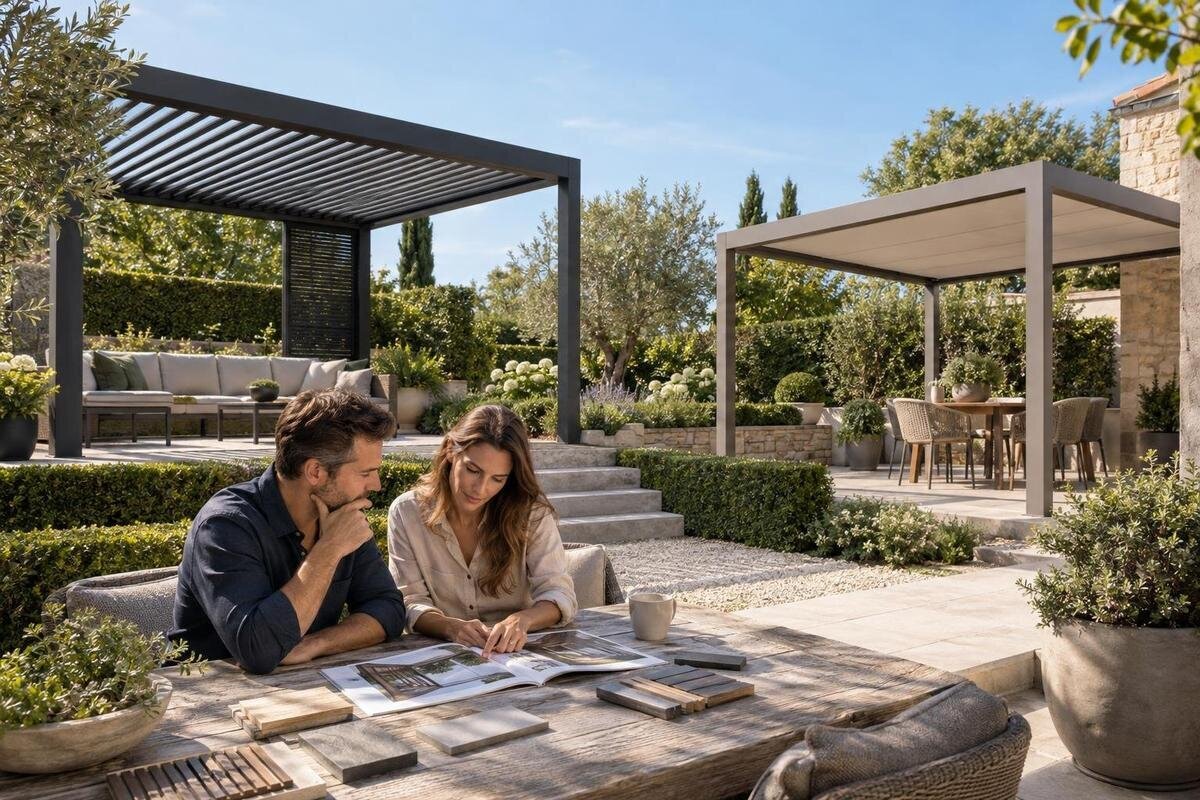
Pergola buying guide
Buying a pergola on a fixed budget is easier when you decide what the structure must do before comparing finishes and extras. A product price is only one part of the purchase: delivery, preparation, mounting and installation may also need to fit within the same limit. Start with the space, the shade you need and the installation arrangement, then compare written details against those priorities. That makes it easier to spend on features that improve the planned use and leave out options that do not.

01
Decide what the pergola needs to do
Before comparing prices, describe the job the pergola needs to do. Is it intended to define a dining area, shade a seating spot at particular times, or make a transition between the house and garden more comfortable? Note who will use it, what furniture must fit underneath, and whether you need shade only or a more substantial degree of weather cover. These are different requirements. A pergola's appearance alone will not establish how much protection its roof or covering gives, so confirm the intended performance in the product information rather than relying on a photograph. A concise use brief makes it easier to reject features that sound appealing but do not improve the space you actually plan to use.
Turn that brief into three priority groups: essential, desirable and unnecessary. An essential might be enough clear area for a table and chairs, a particular kind of shade, or a mounting arrangement confirmed as suitable for the site. Keep the full amount you can spend visible as you compare; do not allocate all of it to the pergola itself before allowing for delivery, preparation and installation. A product page such as this pergola listing can be a comparison point, but use your brief to assess its stated details rather than treating the listing name or image as proof. If a required point is missing, put it on the question list before you decide.
Measure the space before choosing a size
Measure the area in which the structure will sit and the room needed to use it. Mark the intended footprint on the ground with string or removable markers, then place or outline the furniture you expect to keep there. Include space to pull chairs back, walk past the table, open nearby doors and reach the garden path. Allow a practical margin around supports so furniture does not sit directly against a post or block a regular route. A pergola that fits between boundaries may still feel cramped if its posts or roof edges take the useful clearance. Check fixed obstacles such as steps, drains, taps, trees and eaves too; leave decisions about any affected service or structure to an appropriate professional. This simple layout test helps distinguish a genuinely suitable size from the largest size that appears to fit.
Then compare the marked area with the manufacturer's dimension drawing, not just the product photograph. Ask for overall width, projection and height, the position of supports, and any difference between the outer footprint and the usable space below the roof. Note whether measurements include overhangs or attachments, and how much clearance is needed at a wall or opening. These details matter when a path, window or doorway is close by. Use another pergola listing to practise the comparison: record the dimensions it actually states, and mark anything you cannot verify as unknown. Do not fill gaps by estimating from an image. If an installation guide gives different measurements from a summary page, have the supplier or installer clarify which figures apply to the order.
02
Check mounting and site preparation
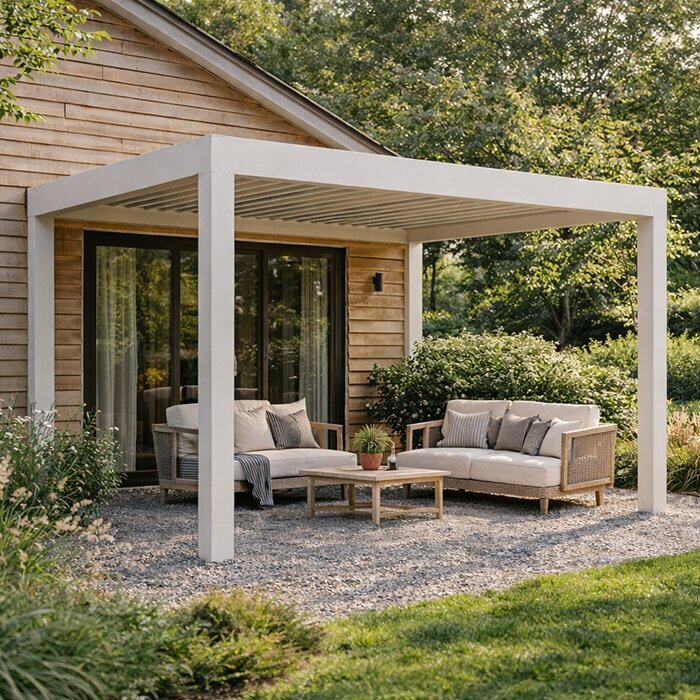
Decide whether the layout calls for a structure that stands independently or one connected to a building, then treat that as an installation decision rather than a visual preference alone. A wall-mounted arrangement depends on a suitable place and method of connection; a freestanding arrangement needs its own support and base plan. The labels do not establish that a particular wall, paving area or existing base can take the proposed installation. Site condition, the product's specified fixing method and access for the installer can affect the work, so have those points assessed before you commit. Avoid assuming that an existing surface is ready just because it looks level or has held outdoor furniture.
Ask who will assess the site and who is responsible for supplying any required supports, fixings or preparation. Request a written scope that separates the pergola package from installation work, including any exclusions that could become your responsibility. A wall-mounted pergola page can help you identify the mounting category you are comparing, but it cannot establish whether your own wall is appropriate or what work it will need. Have the actual instructions and site conditions reviewed by a qualified installer or other suitable professional. Ask the installer to identify any work that must happen before delivery, so the sequence and responsibility are clear. If advice changes the location or mounting plan, revisit the measurements and total budget before ordering.
Compare materials and long-term care
Treat material as more than a label in a headline. Ask what the main frame, roof elements, connectors and visible finishes are made from, and whether all parts in the package use the same material. Different materials and finishes can carry different purchase and care implications, but a broad description does not tell you the quality, treatment or maintenance schedule of a specific product. Look for clear care instructions and ask what routine cleaning or periodic treatment is expected. If documentation specifies separate care for individual parts, note each rather than treating the whole structure as one material. Avoid assuming that a low initial price means low ownership effort, or that a higher price guarantees less upkeep. Compare stated information rather than making a general material name stand in for it.
Think about the care you are willing to do over the life of the structure, not only the finish you prefer on day one. Consider whether the location will make cleaning awkward, whether the finish needs attention, and whether replacement components can be identified if something is damaged. Ask for the exact product documentation and include care requirements in your comparison notes. For this listed pergola option, the useful question is not whether its name sounds right for your space, but whether its material and finish are clearly specified and suit your willingness to maintain them. If two candidates differ, compare the actual documents and quoted scope rather than guessing from colour or a staged image.
03
Choose the shade you actually need
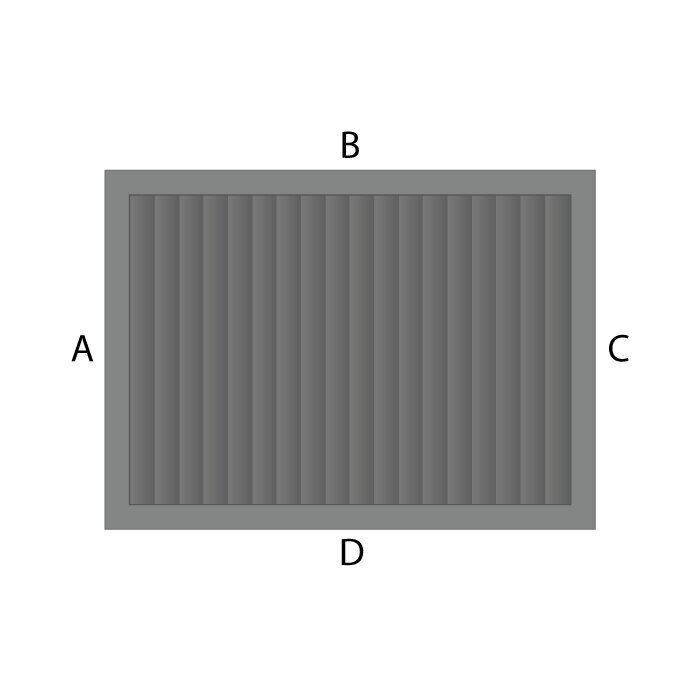
Work out when and where you want shade, because the answer can change what is worth paying for. Observe the proposed area at the times you expect to use it, and note which parts are already shaded and which are exposed. A simple plan can show where the sun falls and whether shade over the whole footprint is necessary or only over seating. Consider seasonal changes as part of the decision rather than assuming that a fixed roof will shade the same patch all year. A sketch showing the occupied area can help a supplier understand whether a stated roof area covers the positions you care about. Your goal is to describe the shade pattern you need well enough to compare options on a like-for-like basis.
Next, distinguish a fixed or open top from a system with a separate or adjustable covering, if those choices appear in the options you are considering. Ask how the chosen arrangement changes shade, what parts are included, and whether the stated coverage refers to the whole area you measured. Do not assume that shade also means rain protection; get the supplier's written description of the cover's intended performance. If adjustment is important, include the operating method, cleaning and any planned upkeep in the comparison. A pergola product page to compare is useful only when its stated covering details answer your brief. If not, leave the feature unscored rather than paying extra based on a name or image.
Separate useful extras from must-haves
Make a short list of optional features that could solve a specific problem: for example, side screening for privacy, an additional shade layer, or lighting for evening use. These are possibilities to investigate, not items you should assume are included with a pergola. For each one, ask whether it is genuinely needed now, merely convenient, or unrelated to the way you will use the space. A feature that adds visual interest but does not meet a stated need belongs below the essentials on a fixed budget. Conversely, if something is central to the intended use, include it in the comparison from the beginning rather than treating it as a last-minute upgrade.
Check the package contents carefully. Product photos may show combinations that are not supplied as standard, so ask which parts, controls and fittings are included in the price and which are optional. If you expect to add a feature later, get confirmation that it is compatible with the exact pergola and ask what extra installation work may be involved. Get written confirmation for the exact configuration, not a general assurance that similar pergolas accept the same accessory. Do not base a saving on future additions until the possibility and cost have been checked. The wall-mounted pergola listing is one page to inspect for written inclusions, not a promise that any pictured accessory comes with it. Record each optional item as a separate amount in your quote comparison, so an attractive bundle does not hide what you are paying for.
04
Budget for the complete installation
Compare the amount needed to have the pergola ready for its intended use, rather than the headline product price alone. Depending on the chosen structure and site, the complete plan may involve delivery, unloading, preparation, supports or fixings, assembly and finishing work; ask which of these apply. Request a written quote with separate lines for the product, any options, installation and other site work, and ask which tasks are excluded. If you plan to install it yourself, include any tools, equipment or extra help you will need, while checking that the instructions allow the plan you have in mind. Do not count unpriced work as free or assume a single quoted total covers every item.
Set aside room in the budget for site requirements that have not yet been confirmed before spending on upgrades. Ask how a contractor handles additional work if an assessment changes the plan, and what needs to be agreed in writing before work begins. Compare quotes only after checking that they describe the same size, mounting arrangement, included components and level of installation. A lower figure may cover a narrower scope, while a larger one may include work that another quote leaves out; neither is directly comparable until the differences are clear. Ask whether packaging removal or clearing the installation area is included, if those tasks apply. Use the pergola listing as the product-price reference, then add the separately confirmed costs. This gives you a more honest ceiling for extras and reduces the risk of choosing a feature before knowing the basic project cost.
Compare specifications, not product names
Put each candidate's stated details into the same comparison sheet. Useful fields include overall dimensions, support positions, mounting method, specified frame and roof materials, shade or covering arrangement, and the components included in the package. Add any explicit limits or installation conditions supplied in the documentation, plus the documents still outstanding. This makes omissions visible. A product name, category label or attractive photograph is not a substitute for the measurements and instructions you need to check. If a detail affects fit, shade or installation, mark it as unconfirmed and ask the supplier rather than making your own estimate. A comparison with blanks is still useful: it shows which questions must be answered before the products can be judged fairly.
Ask for the full installation guide, technical drawing and current itemised package description before finalising an order. Confirm the exact product or configuration to be supplied, because a general category page may not show every component or option. Check delivery arrangements too: the quote should explain what is delivered, whether unloading is included and whether the route to the installation area presents a problem. For a tight site, confirm the access and handling requirements rather than relying on a general delivery note. Do not infer the dimensions of a packed item from the finished structure; ask the supplier or delivery provider if access is tight. This pergola listing can go into your comparison sheet, but only its confirmed written specifications should count as evidence. Keep answers with the quote so you can refer to the same package when discussing installation.
05
Make room for the right trade-offs
Once essentials and full costs are known, test compromises in order. If the total is too high, first remove features that your use brief classed as unnecessary, then reconsider desirable extras. Check any change in size against the furniture layout and circulation space; a smaller option is not a saving if it no longer serves the purpose. Do not reduce a requirement that is tied to the site's suitability or the installation plan just to make a quote look affordable. Ask whether a different configuration genuinely meets the same needs, and compare its confirmed scope and costs. This turns the question of what to cut into a more useful one: which parts can change without losing the reason for buying a pergola?
Use a three-column list—essential, worthwhile if affordable, and can wait—to keep decisions consistent when comparing several offers. A finish preference may sit lower than confirmed dimensions or a required shade feature, but the order depends on your own brief and site. For each proposed upgrade, write down the problem it solves and the full additional cost, including any fitting work. If the answer is vague, pause that purchase rather than letting a bundle or suggested add-on set your priorities. Conversely, avoid stripping out a core feature only to spend the same money on a different accessory. Revisit the complete budget after each change; a good compromise is one you can explain in terms of use, fit and confirmed cost.
Confirm the order details before committing
Before placing the order, check the written quotation against the product details and your measured layout. Confirm the exact dimensions and mounting approach, the listed materials and covering, the accessories included, delivery and unloading arrangements, and the installation responsibilities. Make sure any promised extras appear in the order rather than relying on an informal conversation or image. If the quote includes several packages, check that any substituted item has the same stated scope before comparing totals. Resolve unclear points with the supplier and installer, and retain the answers with the quotation. If a site assessment has changed the proposed position, update the measurements and confirm that the final configuration still fits. These checks are more valuable than rushing to secure an option that has not yet been shown to meet your essentials.
Finally, compare the complete confirmed amount with the ceiling you set at the outset. If it exceeds it, return to the priority list and make deliberate changes; do not let a missing installation allowance turn into an unplanned compromise. If it fits, choose the option whose verified details best match the use, space, shade and care you want. Keep a record of what is included, what remains your responsibility and which questions have not been answered. A fixed budget does not require choosing the cheapest-looking pergola. It calls for clear priorities, comparable information and a purchase that pays for the features you will use while keeping necessary site and installation costs in view.
Frequently asked questions
What should I prioritise when buying a pergola on a budget?
Begin with the intended use, a size that fits the space, the shade you need and a mounting plan confirmed as suitable for the site. Work out the complete purchase and installation cost before deciding which finishes or accessories are worth paying for.
How much of my budget should I allow for installation?
There is no reliable percentage that applies to every pergola and site. Ask for a site assessment and an itemised quote covering the work that applies to your plan. Compare the scope and exclusions before setting aside money for optional features.
Can I add screens or extra shade later?
Possibly, but do not assume an accessory will fit a particular pergola or can be added without extra work. Ask whether it is compatible with the exact configuration, what it costs and whether fitting it later changes the installation plan.
How do I compare pergola prices fairly?
Compare the same dimensions, mounting arrangement, included components and installation scope. Add delivery, unloading and site work where they apply, and note exclusions. A headline price alone does not show whether two quotes cover the same purchase.
Is a wall-mounted pergola always cheaper to install?
No general price comparison can establish that. Installation depends on the specific structure, the proposed connection point and the site work required. Have a suitable professional assess the location, then compare written quotes for the same scope before choosing.
A fixed budget works best when it is tied to the job the pergola must do, not to a wish list of upgrades. Confirm the footprint, shade requirements and installation plan, then compare materials, package contents and complete costs on the same basis. If the total is too high, remove lower-priority extras before compromising on fit or site requirements. The strongest choice is the one whose verified details serve your intended use and whose full purchase and installation costs remain within your limit.
