
Growing peas in a greenhouse
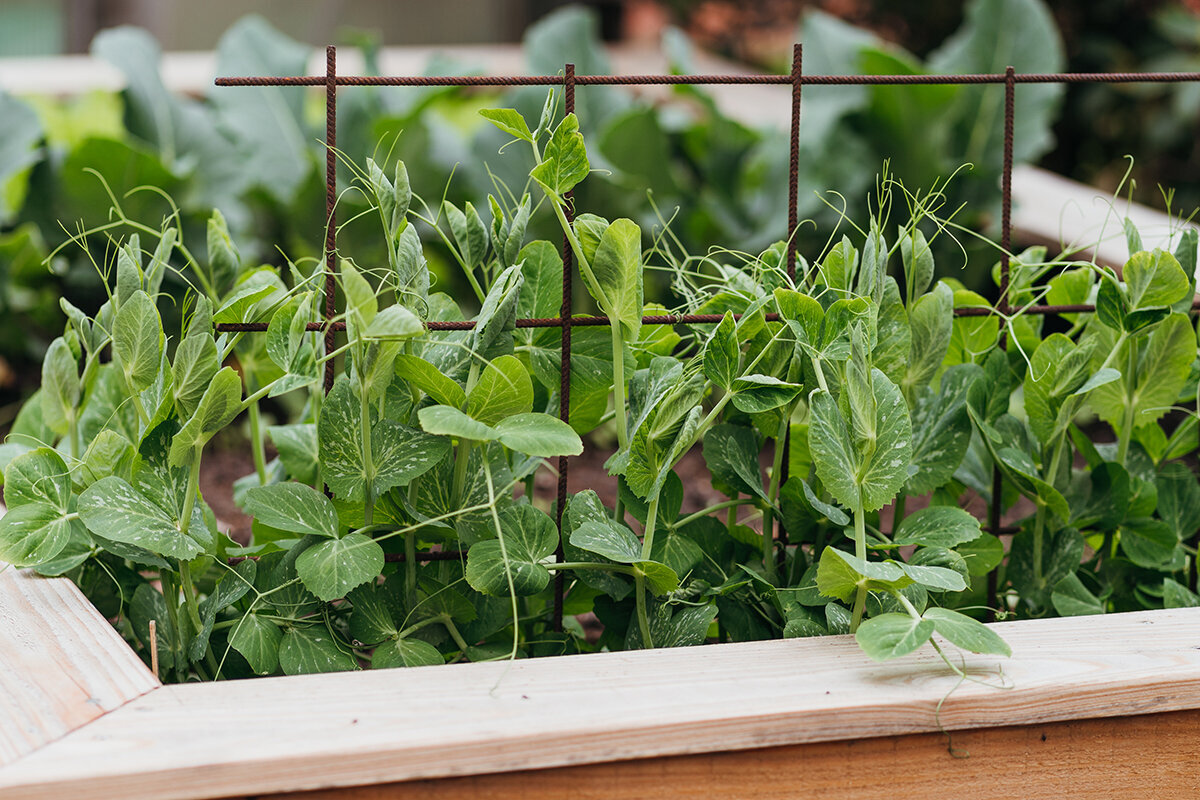
Greenhouse growing · cool season
Growing peasin a greenhouse
A greenhouse does not turn peas into a summer crop. It gives this vegetable an earlier start, protects seed and soil, and extends the cool, bright period needed for tender pods.
I. Starting the cool season
A productive pea crop is not forced by warmth. It depends on a cool root zone, moist but airy soil, supports installed early, moving air and regular picking. When these elements align, peas use the greenhouse well while tomatoes, peppers and cucumbers await their warm-season turn.
Use the greenhouse to extend the season
In South Africa, peas are best treated as a cool-season crop. Under cover, sowing can begin while outdoor beds remain cold, rain-soaked or difficult to work. The aim is not a tropical interior, but a sheltered, accessible bed where plants root early and finish before persistent summer heat.
An unheated greenhouse shields seeds and young plants from prolonged rain, soil crusting, wind and birds. The soil also stays easier to cultivate. On sunny days, however, the house can heat up surprisingly fast. Ventilate regularly from emergence onwards, not only when shoot tips begin to wilt.
Direct sowing for a calm start
Peas quickly form strong roots and grow most reliably when they germinate in their final position. A deep greenhouse bed or a generous container with clear drainage is preferable to small propagation trays. Ideally, install netting, twig supports or strings before sowing.
If mice, slugs or an unprepared bed make raising seedlings necessary, use deep modules. Plant seedlings very young with their root balls entirely undisturbed. Roots must not circle or dry out. Once soil and bed are ready, direct sowing remains the easiest option.
Plan for a short season
Treat peas as a planned bridging crop rather than permanent greenhouse residents. A well-organised greenhouse can move without crowding from early pea rows to warmth-loving summer crops. A suitable foundation is the Classic Aluminium Greenhouse from Bloomcabin.
Reserve the cooler, well-ventilated edge for peas and early salads. Sunny central areas then remain available for tomatoes, peppers or cucumbers when the season changes.
II. Choosing your pea
Shelling peas, garden peas, sugar snap peas or snow peas: each needs its own place.
All belong to the species Pisum sativum yet produce different harvests. First decide what you want to eat, then check whether plant height, support system and picking access suit your cool greenhouse zone.
Shelling peasSweet edible peas develop inside the pod. Pick rounded, well-filled, fresh green pods and shell the tender peas promptly.
Snow peasHarvest flat, glossy pods before the seeds become clearly visible. Their brief peak-quality window calls for attentive, regular picking.
Sugar snap peasThe crisp pod is eaten whole. Harvest it full, juicy and glossy, before the pod and seams become tough or fibrous.
Dwarf varietiesCompact plants suit low side areas or containers and often finish in a concentrated harvest period. They also benefit from twigs, strings or low netting.
III. Sowing rhythm
Sow into cool, loose soil with dependable drainage.
Measure soil temperature at sowing depth rather than trusting a sunny afternoon. Around 8 to 10 °C, a crumbly structure and a bed that has dried sufficiently offer a reliable start. Cold, greasy wetness delays emergence and raises rot risk. Containers likewise need fresh growing medium, enough volume and open drainage holes.
Clear the bed and check drainage.
Sow 4 to 5 cm deep and water in.
Keep the soil evenly moist.
Finish the support and ventilate early.
Optionally sow a short follow-up row.
Prepare, do not overfeed. Remove fallen leaves, break up coarse clods and correct obvious drainage problems. Work in mature compost only sparingly. A greenhouse bed that previously held hungry summer crops may still contain considerable nutrient reserves. Fresh manure and routine nitrogen feeds do not belong in the pea row.
Sow directly and evenly. Place seed 4 to 5 cm deep and roughly 5 to 8 cm apart, depending on the variety. With double rows, leave sufficient space between the bands for air and harvesting. Firm the soil lightly so seed and moisture meet, then water thoroughly once.
Cool weather sets the pace. Germination can take time in an unheated greenhouse. Do not dig impatiently after a few days unless there has been flooding, animal damage or visible rot. Aim for a fresh, oxygen-rich root zone, never a permanently waterlogged bed.
The support comes before the vine. Young tendrils look early for fine points to grip. Netting or twigs installed before sowing avoid later disturbance around roots and keep the row orderly from the start.
Repeat modestly. A second short row after two to three weeks can extend harvest if the weather outlook remains clearly cool. Avoid further sowings if the greenhouse is likely to warm before the youngest plants can flower steadily and set pods.
Pea root active nodules plant sugars
The root feeds suitable bacteria; active nodules first support the pea plant.
IV. Exchange in the soil
Peas are legumes, but not a free fertiliser factory for the bed.
Pea roots can form nodules with suitable bacteria of the genus Rhizobium. In this partnership, the plant supplies energy-rich carbohydrates while the bacteria fix nitrogen from the air, initially making it available to the pea. Well-prepared garden soil therefore needs no heavy nitrogen application. Healthy roots, air in the soil and even, non-waterlogged moisture are what matter.
The important correction is this: nodules first feed the living pea plant. Neighbouring crops are not automatically fertilised with freely available nitrogen during the same season.
Too much readily available nitrogen encourages soft, lush leaf growth and can unbalance the crop. Use mature compost in small quantities and consider the greenhouse bed's feeding history. Potassium, phosphorus and trace elements are part of basic nutrition, but should not be added routinely without a clear need or soil indication.
To check nodule formation, carefully lift a dispensable plant after several weeks and inspect the side roots. Missing swellings are not a reason for immediate nitrogen feeding. First check drainage, soil structure, moisture and plant health. In a greenhouse, an active, well-aerated root zone usually matters more than another fertiliser boost.
V. A duet of supports
Give tendrils fine, accessible places to hold.
Peas climb with delicate tendrils, not powerful twining stems. A coarse post alone is therefore insufficient. Netting, twiggy branches, slim canes or closely spaced strings provide the edges that plants can actually grip.
Compact
Dwarf peas
Low support made from twigs, string or netting.
Support
Install it at sowing time.
Use roughly 10–15 cm mesh.
Leave space from the glazing.
Climbing
Tall peas
Vertical netting with easy harvesting access.
Low, compact peas
Compact plants may appear self-supporting at first, but can open out under a heavy pod set, after watering or while reaching for light. Short twig supports, low netting or two sturdy strings are usually enough. The goal is not a rigid foliage wall: plants should remain upright, pods should hang cleanly, and air should circulate between shoots.
- Reserve a front bed or low side area.
- Keep paths open for quick harvesting.
- Plant in broad blocks only with good airflow.
The shared middle ground
Secure netting to bed frames, ground stakes or a suitable separate structure, never to the glazing. The system should be easy to remove after harvest. A clear gap between the climbing plane and greenhouse wall improves airflow, cleaning and occasional access behind plants.
Tall climbing varieties
For long vines, use vertical netting or a pea fence accessible from both sides. Position the support so you can harvest without pressing foliage against damp glass or forcing your way through the crop. A cooler greenhouse side works well where it still receives enough winter and spring light.
- Keep foliage below roof vents and opening mechanisms.
- Choose removable supports for a clean crop change.
- Vigorous vines must not turn the greenhouse path into a dead end.
A stable frame and well-positioned roof vents make seasonal growing easier. The Classic Aluminium Greenhouse offers a clear aluminium structure and roof vents for a carefully planned, well-ventilated cool-season growing area.
Water deeply to the roots. Ventilate early enough to keep foliage dry.
Peas need even moisture, especially from bud formation through pod filling. Rain does not do this work in a greenhouse. Check the root zone rather than the calendar: when soil several centimetres below the surface feels only faintly moist, water deeply in the morning. Frequent shallow splashes create surface moisture but barely reach deeper roots.
Drip irrigation, a slowly directed hose or a watering can beneath foliage is preferable to overhead watering. Wet leaves in still air encourage problems. Open roof vents early on bright mornings and use the door too when conditions allow. Gentle air movement matters, not a harsh draught that strains young tendrils.
After reliable emergence, a thin clean mulch layer in a soil bed can moderate evaporation and keep splashback from lower leaves. Keep it slightly away from stems. In containers, generous soil volume, open drainage holes and consistently emptied saucers perform the same task: buffering moisture without creating standing water.
For a permanently bright, accessible and controllably ventilated growing zone, the Classic Aluminium Greenhouse is a suitable foundation before the first net or seed row goes in.
VI. Flower and pod phase
Peas are self-pollinating. Greenhouse climate remains decisive.
Peas are mainly self-pollinating and do not necessarily depend on bumblebees or hand pollination. That makes them suitable for greenhouse growing, provided air and root zone remain balanced. Once flowers appear, avoid frantic additional feeding. Instead, protect the conditions that let flowers hold and young pods develop evenly.
Bright, cool days support flowering. Yet a closed house can heat quickly on sunny afternoons, even in late winter or spring. Open vents and the door before heat accumulates. Temporary, moderate shading can help in strong sunshine. Water the root zone before drought stress reaches the shoots.
Even with a self-pollinating crop, air movement remains important. It reduces lingering leaf wetness, lowers humidity in dense growth and makes early signs of powdery mildew or weakened leaves easier to spot.
Edible development
1. Flower
Cool air and evenly moist soil.
Cool air and evenly moist soil.
2. Pod set
The narrow pod starts to grow.
The narrow pod starts to grow.
3. Flat pod
Harvest time for snow peas.
Harvest time for snow peas.
4. Filled pod
Harvest sugar snaps or peas.
Harvest sugar snaps or peas.
Harvest timing is not a minor detail. Snow peas become more fibrous as seed development advances. Sugar snaps lose crisp sweetness when pods turn dull and tough. Shelling peas become starchier once seeds are overmature. Regular picking preserves quality and encourages further pod set.
Check plants daily during the main harvest, or at least every second day. After a warm, bright spell, a pod can move quickly from perfect to overripe. Pick calmly and regularly, cool the harvest promptly, and allow small pods to continue growing undisturbed.
VII. Rising heat
As the greenhouse warms, peas need a new plan.
Cool to mildEven growth and tender pods.
Warm middaysVentilate early and check soil moisture.
Persistent heatPrepare to end the seasonal crop.
In cool to mild conditions, peas grow evenly, flowers remain steadier and pods retain their tender texture with balanced moisture. As warm afternoons become more frequent, respond deliberately: open earlier, check soil below the surface and harvest more often. The crop may still produce, but its margin against stress narrows.
With persistent heat, flower drop, soft leaf growth and tougher pods increase. Temporary shading, ventilation and deep morning watering reduce stress, but do not turn peas into a summer crop. If the greenhouse is regularly hot, ending the crop in good time is usually wiser than forcing another harvest with extra fertiliser or permanently wet soil.
VIII. Harvest
Pick according to pod condition.
Peas are most productive when harvested repeatedly and attentively. During the main season, walk through the greenhouse every one to two days with a small bowl. Hold the shoot with one hand and release the pod with the other. A hard pull can loosen shallow-rooted plants or tear tendrils from netting.
Pick in the morning where possible, especially before a warm day. After harvest, sugar is quickly converted into starch. Take pods straight to the kitchen or store them unwashed in a cool place and use them preferably that same day.
Snow peasHarvest long, flat, glossy pods before seeds round out. The pod should stay tender and snap cleanly.
Sugar snap peasPick plump, crisp, still-glossy pods. Do not wait until they are dull, strongly bulging or fibrous at the seams.
Shelling peasHarvest full, rounded, fresh green pods and shell them promptly. Pale or wrinkled pods indicate increasing starchiness.
Pea shootsA few tender tips can be harvested early from strong plants. Do not continually cut shoots from plants intended to carry a generous pod crop later.
Short follow-up sowing: Sow a small additional row two to three weeks after the first only if coming weather still promises clearly cool growing conditions. Once warm afternoons regularly dominate, clear the space for cucumbers, tomatoes, peppers, basil or another warmth-loving crop rather than expecting peas to provide an unsuitable summer harvest.
IX. End of the crop
Finish cleanly and make room for the next planting.
When harvest declines and warmth governs the crop, cut healthy shoots just above soil level instead of pulling out the whole root system. Fine roots can remain in the bed initially and break down slowly. Remove foliage and vine debris carefully. With clear fungal disease or heavy pest pressure, do not casually add diseased material to the closed greenhouse cycle.
Check and clean netting, strings and irrigation before the summer crop arrives. Remove fallen leaves from corners and loosen the bed only superficially. If peas have repeatedly been diseased, change the growing area. More compost or fertiliser alone fixes neither poor drainage nor an unsuitable crop rotation.
Questions from the greenhouse
Pea FAQ
Will peas grow in an unheated greenhouse?
Yes. An unheated greenhouse is especially useful because it offers protection and earlier workable soil without permanently creating the warmth peas dislike. Sow directly once the bed is dry enough and loose, and soil at sowing depth reaches about 8 to 10 °C. Calendar dates alone are less useful than a soil thermometer.
Do greenhouse peas need pollinators?
Usually not. Peas are mainly self-pollinating. Cool, stable conditions matter more than insects or hand pollination. Gentle air movement from timely ventilation keeps the crop drier and lightly shakes the flowers.
How often should I water peas in a greenhouse?
There is no fixed daily schedule because light, soil, container size and ventilation vary. Check several centimetres below the surface and water deeply in the morning as the root zone starts drying. Consistency matters during flowering and pod filling, but permanently wet soil is still wrong.
Should I feed peas with nitrogen-rich fertiliser?
Not as a routine. Peas can work with suitable nodule bacteria, and too much readily available nitrogen promotes soft foliage rather than a balanced crop. Use mature compost sparingly, consider the bed's existing fertility and correct specific deficiencies instead of routinely applying nitrogen-rich general fertiliser.
Which support suits sugar snap peas in a greenhouse?
Use vertical netting with roughly 10 to 15 cm mesh, fine twiggy branches or sufficiently close strings. Install the support before or at sowing. It should be stable, removable after cropping and positioned so foliage does not rest against the glazing.
Why are my pea pods tough?
Tough pods commonly result from late harvesting, heat or uneven watering. Pick snow peas flat, sugar snaps plump and glossy, and shelling peas rounded but still fresh green. Regular picking is genuine quality work, not merely a way to collect the greatest possible number of pods.
Sources and further reading
Plan with sound knowledge
More from Bloomcabin: growing fresh food year-round · starting a greenhouse in spring · thoughtful greenhouse layout
- Saxon Garden Academy – Growing peas in home and allotment gardens Specialist text on varieties, site, crop management and using vegetable peas.
- LTZ Augustenberg – Field pea information Guidance on sowing, nodule bacteria, basic nutrition and sensible crop rotation.
- Bavarian State Research Centre for Agriculture – Peas: sowing Information on early sowing, sowing depth and water needs for germination.
- Royal Horticultural Society – How to grow peas Practical guide to sowing, support systems, spacing, crop care and continued harvesting.
- Royal Horticultural Society – Ventilation and shading in greenhouses Fundamentals of ventilation, shading and avoiding heat stress under glass.
- Saxon Garden Academy – Pea-growing guide German practical advice on pea types, sites, sowing, care and harvest.
- LTZ Augustenberg – Field peas Further details on root nodules, nutrition, sowing conditions and crop rotation.
Final thought
Reserve a cool, bright growing area for the cool season.
Peas need less warmth than the summer greenhouse crop and reward precise timing with pods often tasted on the walk to the kitchen. Create a bright, airy seasonal space with accessible roof vents, clear paths and durable construction.
Place peas on the cooler side, keep access clear for frequent picking and reserve the warmest central spaces for true summer crops.
