
Growing Radishes in a Greenhouse
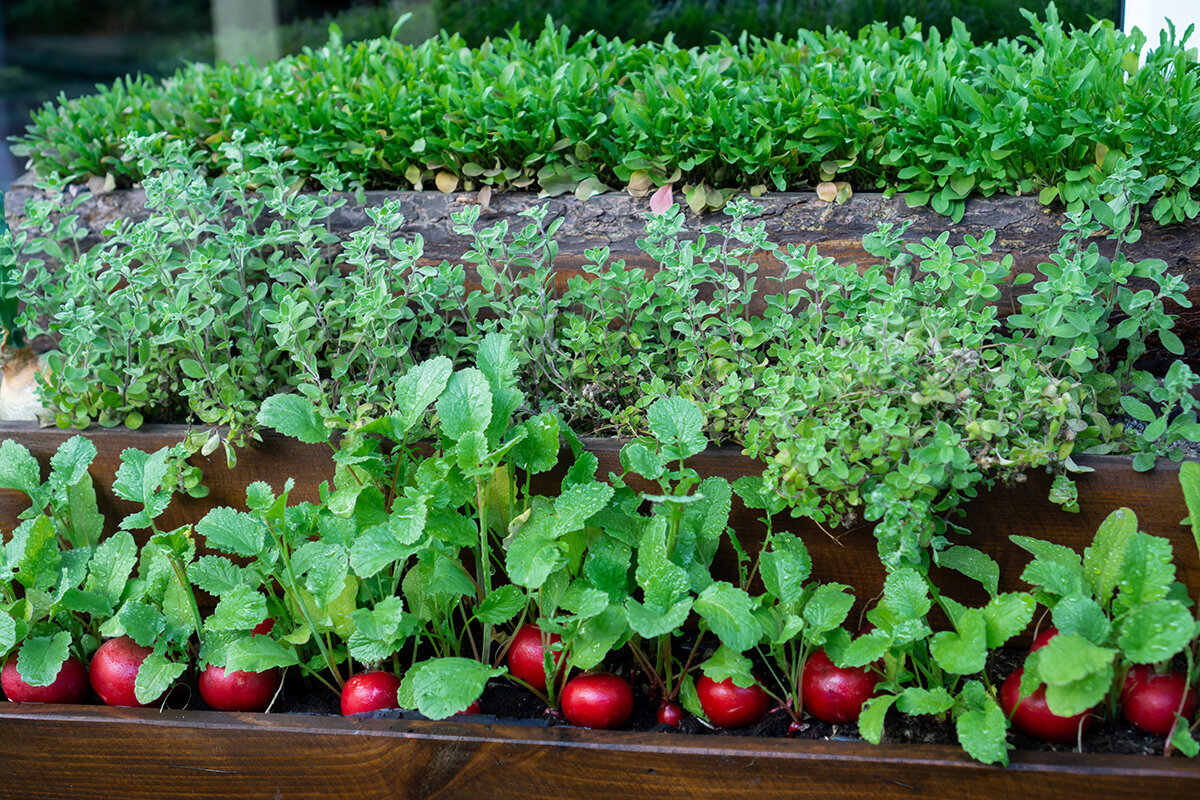
Greenhouse crop note 07 / South Africa
Growing Radishes in a Greenhouse
Radishes are a fast crop with a narrow quality window. Give the roots loose soil, enough space and even moisture, then inspect the first swollen shoulders a few days early rather than late.
Ground line — sow / thin / check / lift
01 / THE GAP CROP
Small roots, valuable windows.
Radishes fill pauses in the greenhouse calendar: before tomatoes or cucumbers, after lettuce is cleared, or as a quick autumn row beside lamb’s lettuce. Their short growing period keeps prepared, accessible beds productive.
02 / THE FAULT LINE
Leaf growth is not root growth.
A glossy canopy can conceal a disappointing harvest. Radishes need room to swell, fine crumbly soil for even shape and reliable watering. A greenhouse makes this easier to manage, but trapped heat sharply shortens the quality window.
03 / THE DAILY RESPONSE
Read the greenhouse, not only the seed packet.
Watch temperature and sun at bed level, feel the soil before watering and pull an early test root. In warm weather, ventilation and light shade matter more than extra fertiliser.
Varieties and crop pace
Choose a root shape that suits the time available.
Classic salad radishes are ideal for a quick greenhouse crop. Daikon and winter radishes are worthwhile too, but need deeper soil, wider spacing, longer maturity periods and their own place in the seasonal plan.
Quick / compactRound salad radishes
They are the most dependable choice for a short greenhouse window. Round red, pink, white or multicoloured varieties often reach harvest size within a few weeks in favourable conditions. Their shallow roots suit lightly loosened beds, broad containers and spare edges before the next main crop.
Quick / deeperLong radish types
These shapes look elegant on the plate, but require a deeper, stone-free root run than round radishes. Level and loosen the seedbed carefully, remove old roots and avoid compacted growing medium. A narrow shoulder is no reason to plant them closer together.
Fine textureSmall specialist varieties
Mild, compact varieties work well in closely timed follow-on sowings. Their restrained size looks refined on the plate, but makes harvest timing more important. A few extra days in a warm greenhouse can make a tender root woolly and noticeably hotter while the leaves still look fresh.
Long cropDaikon and winter radishes
Treat these types as deliberately planned autumn or winter crops, not quick bed fillers. They need deeply loosened soil or a tall container filled with a fine, evenly textured growing medium. Allow for their longer variety-specific maturity period and wider spacing. They are not interchangeable with quick salad radishes.
For a first crop, a round salad radish is especially instructive. It quickly shows how spacing, soil structure, water supply and temperature management interact below ground. A Classic Aluminium Greenhouse provides a bright, accessible growing area where short rows can be organised neatly between larger crops.
A measured place to sow
Set out the row accurately before the root needs room.
Direct sowing is the safest route. Radishes germinate quickly, need no valuable propagation space and gain nothing from transplanting. Use loose, well-drained bed soil with a level surface. Remove stones, hard clods, undecomposed plant remains and fresh manure before drawing the drill.
1–1.5 cmdeep2–3 cmsow4–6 cmthin to10–15 cmbetween rowsFrom day 20check
Sowing, row and thinning sequence
Place seeds about 1 to 1.5 cm deep, cover them lightly and firm the soil only gently so every seed has contact with moisture. A starting distance of around 2 to 3 cm is practical for many small salad radishes. Once seedlings emerge, thin round types early to about 4 to 6 cm. Larger varieties need more room according to their final size; the seed packet remains the guide.
Do not wait to thin until the foliage forms a closed cover. Surplus seedlings can be cut off at soil level if pulling them would disturb neighbouring plants. The key is to create a clear underground growing space before roots begin to thicken.
Bed geometry and restrained feeding
Row gaps of around 10 to 15 cm leave enough greenhouse room for thinning, checking and harvesting without wasting bed area. In wide containers, a loose grid is better than densely sown bands. Air should move between leaves, and every root needs unobstructed room for its characteristic shape.
Small amounts of mature compost improve structure and water retention. Fresh manure and high-nitrogen feeds can encourage lush leaves instead of firm roots. Loosen the topsoil thoroughly for small round radishes. Long forms need more depth and an especially careful root run free from stones and coarse debris.
A well-arranged greenhouse rewards accurate sowing: water, tools and bed edges remain easy to reach while this quick crop gives immediate feedback. If you are still planning your garden space, Bloomcabin aluminium greenhouses offer different starting points for clear paths and productive growing zones. Leave enough room to reach every row without brushing foliage or compacting the soil.
Rhythm of repeat sowing
Do not sow the whole harvest at once.
Radishes are most rewarding when they mature in small, repeated waves. Sow a short row or part of a container, then make the next sowing seven to fourteen days later. This turns a narrow harvest window into a steady sequence of fresh roots.
Staggering also spreads risk. One sowing may meet a sudden warm spell, a missed watering or particularly dull days. The next may grow in ideally cool, evenly moist conditions. In small greenhouses, this rhythm also prevents every radish needing to be lifted and used on the same afternoon.
Day 0Sow a small section.
Record the variety and sowing date; different radishes do not mature at the same pace.
Record the variety and sowing date; different radishes do not mature at the same pace.
Day 7–14Sow the next section.
Check the first row for even emergence and gently break any soil crust.
Check the first row for even emergence and gently break any soil crust.
Day 10–14Thin decisively.
Give remaining plants their final spacing and growing room early.
Give remaining plants their final spacing and growing room early.
From day 20Check, then harvest in stages.
Pull individual test roots and harvest mature ones; younger plants can continue growing for a few days.
Pull individual test roots and harvest mature ones; younger plants can continue growing for a few days.
After clearingPrepare the bed promptly.
Use the space for another cool quick crop or prepare it for tomatoes, cucumbers and other main crops.
Use the space for another cool quick crop or prepare it for tomatoes, cucumbers and other main crops.
Climate control
Use the greenhouse for protection — never as a heat trap.
Cool growth, firm texture
Radishes are cool-season crops. A moderately cool setting supports quick growth, while the best quality usually comes from cooler conditions. In South African gardens, use the cooler autumn, winter and early-spring periods in your region; local altitude and climate make a real difference. An unheated greenhouse can protect crops from wind, heavy rain and cold nights.
10–18 °Cuseful quality range for many salad radishes
Vent early, not only under stress.
On bright days, a glazed greenhouse can heat up rapidly even when outside air still feels pleasantly cool. Open doors and vents before the bed becomes hot. During warm spring weather or summer, use light shading and the coolest available edge of the house. Avoid places with reflected heat or stagnant air.
Light still matters: radishes need a bright position and should not sit under the dense canopy of mature tomatoes. In a greenhouse, however, temperature often separates a firm, mild root from a pungent, pithy one. Check not only a thermometer at head height, but also sun, soil warmth and air movement at bed level. The adjustable ventilation of a Classic Aluminium Greenhouse is especially useful for short crops grown in cooler conditions.
Water and soil
Even swelling is the real goal.
Radishes root fairly shallowly and cannot easily compensate for fluctuations in the upper soil. Water so the active root zone stays evenly moist without remaining wet. A small container may need daily checking during sunny periods. A cool, well-structured ground bed may need water less often.
The key rule is consistency, not a calendar. Drought slows growth and can intensify pungency. A heavy watering after a dry spell makes the root expand abruptly and encourages splitting. Waterlogging, by contrast, pushes air from the soil. A fine rose or directed watering at soil level makes water application easier to control and keeps foliage drier.
Use loose soil that drains surplus water while holding enough moisture. Mature compost is useful in moderation. Fresh manure and very nitrogen-rich fertilisers may promote leafy growth, branching or small roots. If a bed has already produced crooked roots, do not simply fertilise again: remove stones and loosen compacted layers.
Root diagnosis
When a root disappoints, read the pattern first.
Most radish disappointments are not mysterious. Shape, firmness and flavour record a short sequence of growing decisions: how closely the row stood, whether the greenhouse overheated, how evenly water arrived and whether the soil allowed the root to swell without obstruction.
Lots of leaves, no root
Common causes include overcrowding, heat and excessively nitrogen-rich feeding. Thin earlier in the next sowing, ventilate for cooler conditions and avoid freshly, heavily fertilised ground. Drought stress can also disrupt development. A strong-looking row above ground is not automatically successful below it.
Cracked or split root
Uneven moisture is usually responsible. In dry soil the root stalls; after a heavy watering it expands suddenly while the skin cannot keep up. Keep the root zone even but not permanently wet, and lift ready roots rather than waiting for the entire row.
Woolly, pithy or very hot
Heat, drought and overmaturity are the most common causes. Vent earlier, choose cooler sowing windows and begin test harvests before the crop looks fully developed above ground. A round, visible shoulder at the soil line is the sign to inspect, not to wait longer.
Forked or crooked shape
Stones, compaction, coarse undecomposed residues or insufficient soil depth interrupt the root’s path. Loosen the seedbed more thoroughly for the next sowing and use a finer medium in containers. Correct the structure first rather than trying to rescue an already misshapen crop with extra fertiliser.
The harvest window
Harvest after the roots size up, but before their quality declines.
- Week 1 Keep the seed line moist until emergence is even, but do not flood or seal the surface.
- Week 2 Thin to the variety’s final spacing. This supports root quality, not merely a tidy appearance.
- Week 3 Begin test harvests. Round shoulders at the soil surface invite a root check.
- Week 3–5 Lift mature roots in several passes. A small, crisp radish is better than a large specimen that has passed its quality window.
Harvest preferably in the cool morning. Ease the root out carefully if soil is firm instead of pulling sharply. Remove or cut off leaves soon afterwards, as they continue drawing water from the root. Kept cool and protected from drying out, radishes stay fresh in the fridge, though their best crunch is closest to harvest day.
Young, unblemished leaves are also useful: finely sliced into soups, as a peppery addition to pesto or in small amounts in salad. The roots suit butter and good bread, quark, herbs, young leaf salads or a quick marinade. Bitter, yellow or badly damaged leaves belong in the compost.
Hygiene under cover
Keep the quick crop clean and the next crop healthy.
As brassicas, radishes share common pests with rocket, kohlrabi, pak choi and cabbage. Flea beetles can pepper young leaves with small holes, while slugs enter through damp, shaded corners. Root maggots and soil-borne problems also become more likely when related crops repeatedly occupy the same small area.
Start with sound crop hygiene. Remove old roots and plant debris, keep paths and bed edges clean, and avoid foliage staying wet. Do not grow brassicas endlessly one after another in the same bed zone. After several sowings, change to lettuce, spinach or another seasonally suitable plant family. In small houses, rotation can also mean switching between beds and containers.
Check young rows briefly each day where possible. A fast crop leaves little time for late decisions. Remove clearly diseased or heavily affected plants, dispose of problematic material carefully and clean the surface before the next sowing.
Frequently asked questions
Clear answers to radish questions.
Can radishes be grown in a greenhouse all year in South Africa?
Several growing periods are possible, but not every month gives the same quality. In many South African regions, the most dependable windows are the cooler autumn, winter and early-spring months, though local climate and altitude matter. In hot weather, glass quickly becomes too warm, increasing the risk of bolting, strong flavour and weak roots without steady ventilation, shading and watering. In colder regions, low light and cold wet soil can slow crops considerably.
Do greenhouse radishes need full sun?
Bright light is valuable, and a sunny position is helpful in cooler months. More direct sun is not automatically better if it overheats the greenhouse. Vent in good time during warm spring periods and use light shading if needed. Under large tomatoes, radishes often also suffer from shade and root competition.
Why do my radishes make leaves but no roots?
Check plant spacing, temperature, soil structure and moisture first. Plants that stand too close compete for light, water and space. Heat, drought stress and very nitrogen-rich soil can also favour leaves over roots. Thin small types early to about 4 to 6 cm and pull a test root in time instead of waiting until the whole row is overgrown.
How deep should a container be for radishes?
For small round salad radishes, a moderately deep container is enough if water can drain freely and the growing medium stays loose. Long varieties need noticeably more root depth; daikon and winter radishes require a suitably tall container or a deeply loosened bed. Always also follow the variety’s expected final size.
Should radishes be started in seed trays?
Usually not. Direct sowing avoids root disturbance and is so quick that raising plants in trays offers little benefit. Reserve valuable growing space for crops that genuinely need a head start, and sow radishes directly into their final bed or container.
Sources and further reading
A reference shelf for growing.
More from Bloomcabin: “Setting up a greenhouse: layout, plants and care” · Plan your greenhouse for the long term · Bloomcabin blog
- Bundessortenamt — guideline for vegetable variety trials Notes on trial characteristics, quality and variety-specific assessment of radishes.
- Humboldt University Berlin — winter vegetable growing plan Seasonal context for radishes and guidance for autumn and winter sowing.
- Royal Horticultural Society — growing radishes Sowing, spacing, moisture, harvesting and common growing problems.
- University of Minnesota Extension — Growing Radishes Practical advice on soil, water, harvest timing, pests and radish growing disorders.
- Oregon State University Extension — Radishes Recommendations for staggered sowing, crop care, harvesting and cool storage afterwards.
- Penn State Extension — flea beetle management Hygiene, crop rotation, monitoring and protective measures for flea beetles on brassicas.
Use the window productively
Give quiet weeks between main crops a crisp purpose.
Radishes turn a spare bed strip, a suitable container or the cool edge of a growing area into a regular harvest. In a bright, well-ventilated greenhouse, their speed becomes a particularly satisfying form of gardening precision.
Bloomcabin greenhouse recommendation
Plan a bright, well-ventilated garden room for early sowings, heat-loving main crops and every productive gap between them. A sound foundation is the Classic Aluminium Greenhouse.
