To improve the quality of the content of this website and to adapt it to the needs of users, cookies are used - including third-party cookies. By continuing to use this website, you agree to the use of cookies and to possible communication when you enter your contact information in one of the forms on the site.

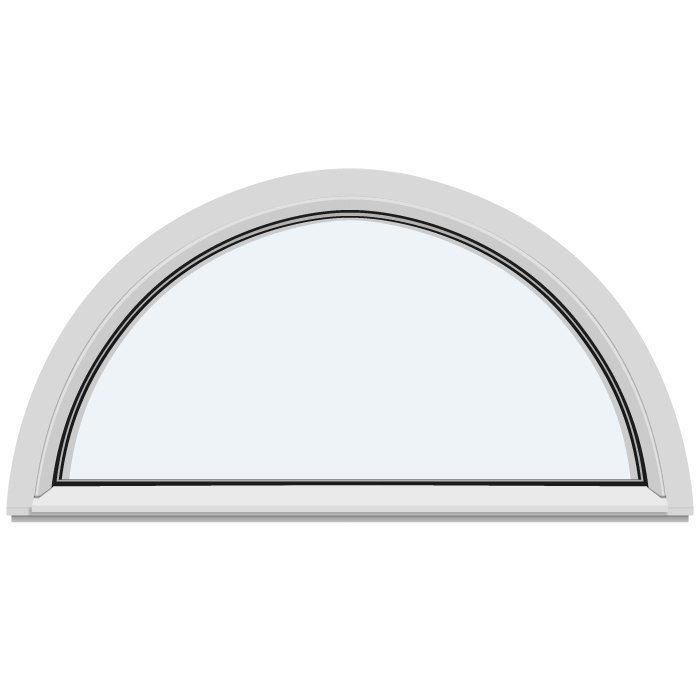
Fixed Semi-Circular Window

No Glazing Bars

  • Semi-circular shape
  • Fixed
  • Unobstructed views
  • High-performance insulation
  • Semi-circular shape
  • Fixed
  • Unobstructed views
  • High-performance insulation
The greater the purchase, the bigger discounts you get.
Estimated delivery:
We offer the opportunity to CHOOSE A SUITABLE DELIVERY WEEK, which you will find in the last step of the shopping cart.
The greater the purchase, the bigger discounts you get.
Personal Bloomcabin consultation
Personal consultation?
We are happy to help with questions about models, prices and delivery.
+49 152 28196712

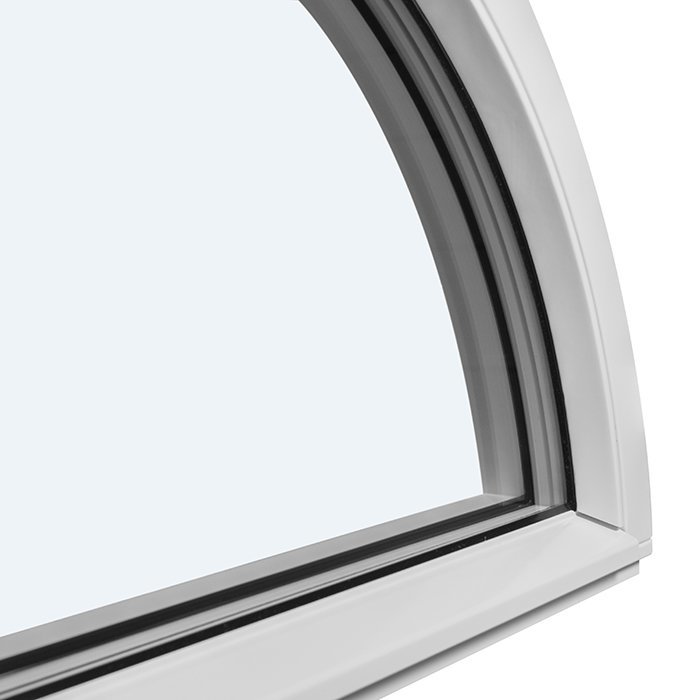
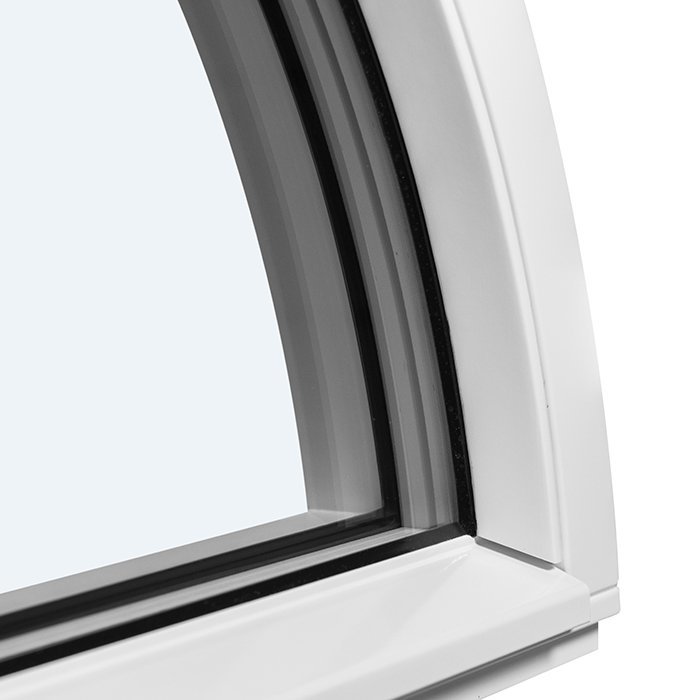
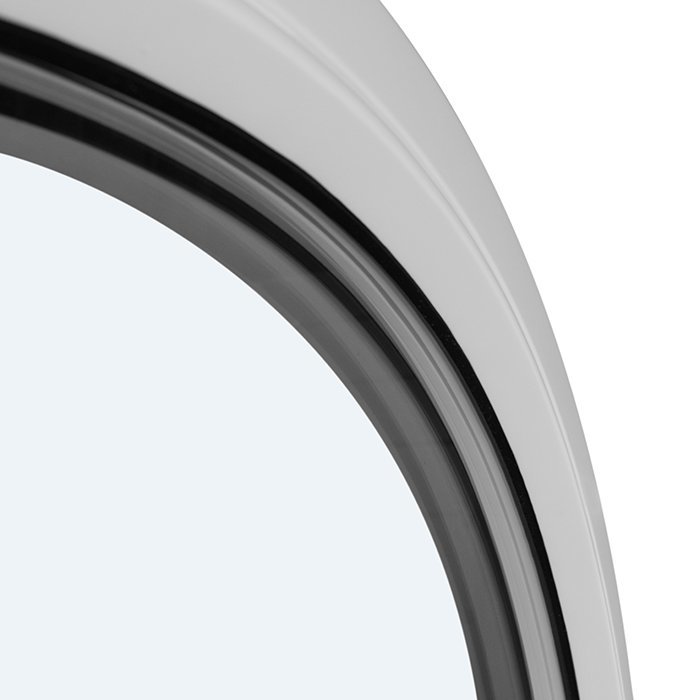
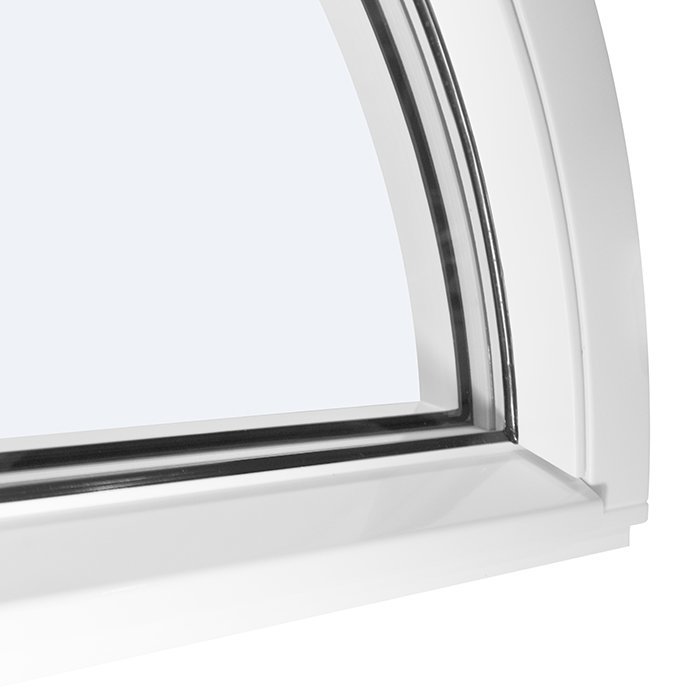
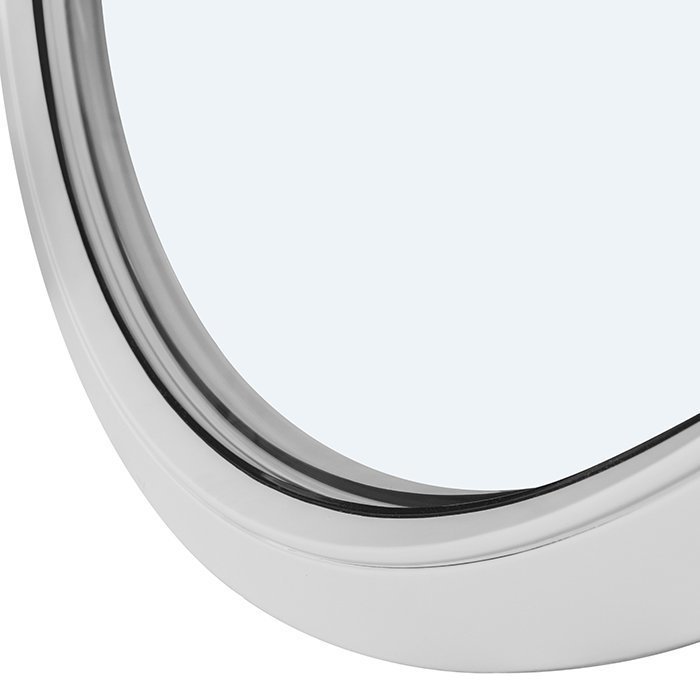
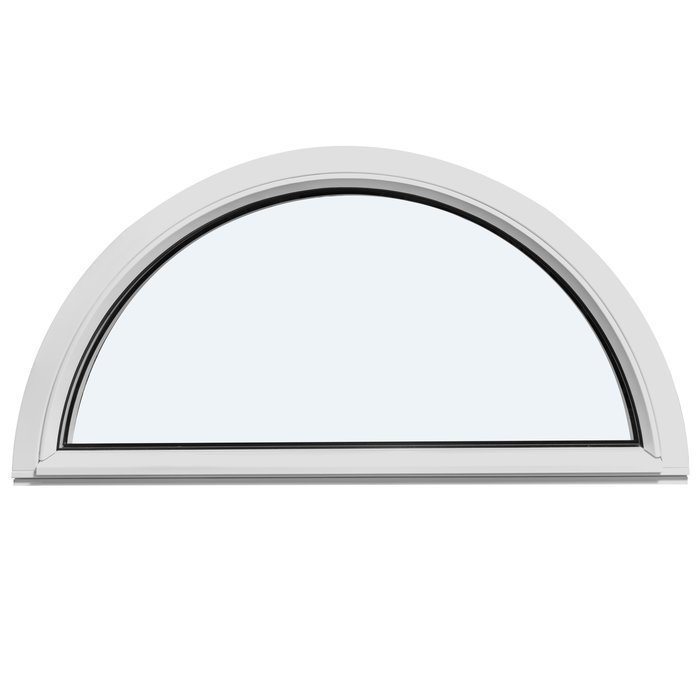
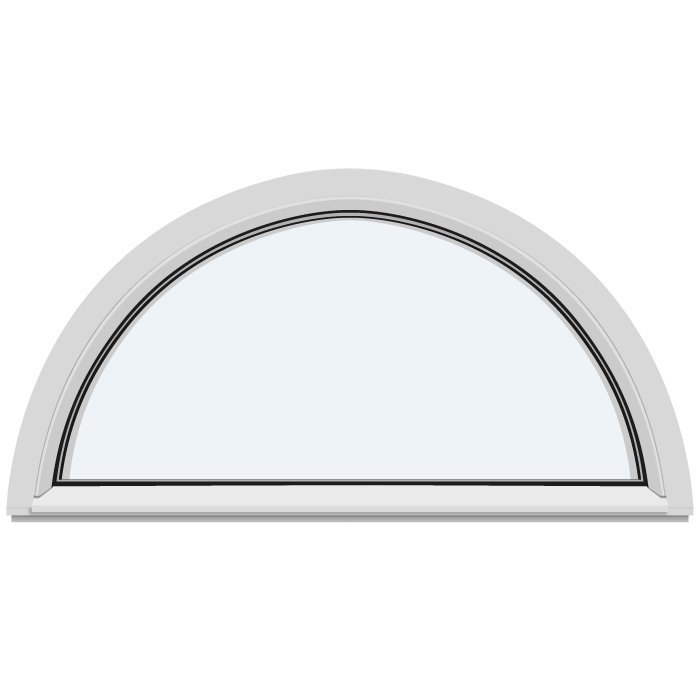
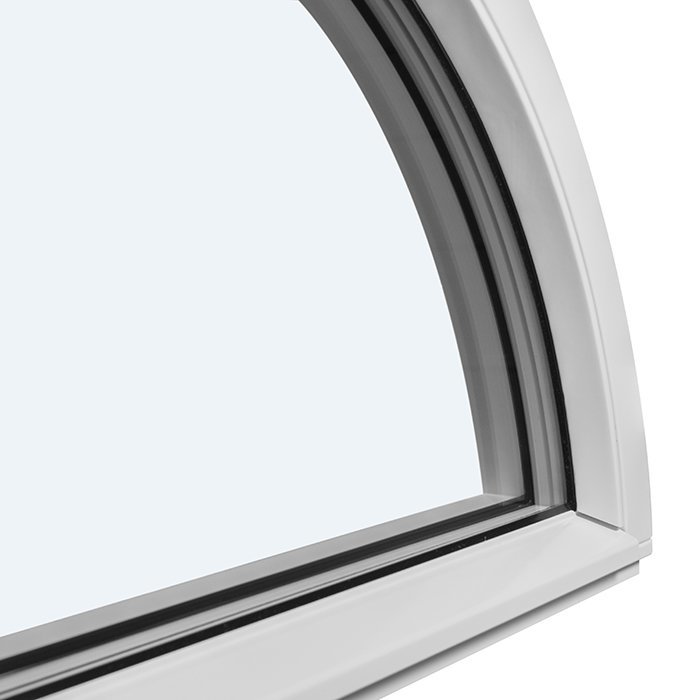
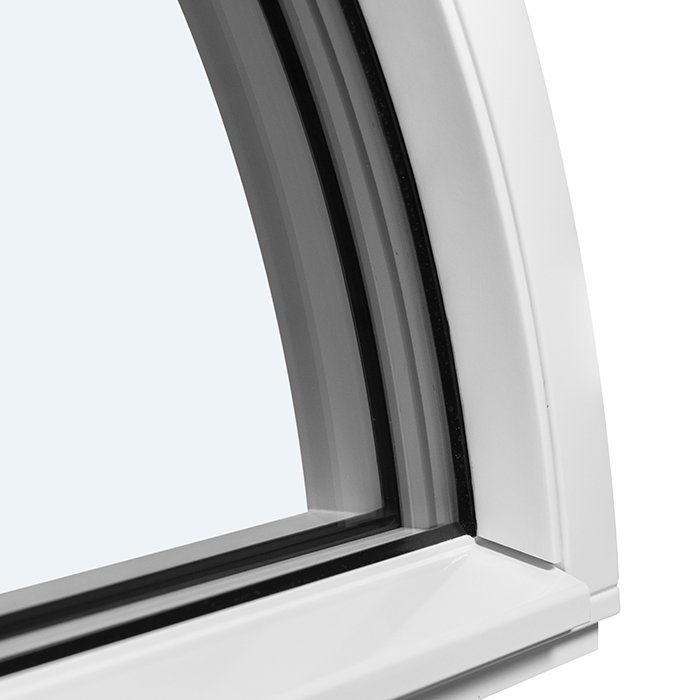
Bloomcabin No Glazing Bars. This semi-circular fixed window relies on the impact of its continuous curved outline. Uninterrupted glazing creates a calm window detail without an opening function, for architecture that feels clean, restrained and considered.

Why choose this Bloomcabin design?

  1. Pure semi-circular view

    Without glazing bars, the semi-circular pane is presented in its purest form. Its open, quiet surface makes the arched outline stand out and lets daylight take centre stage without dividing lines.

  2. Minimal fixed glazing

    As a fixed window with no opening function, this version is designed as one enclosed glazed surface. Its pared-back appearance provides a discreet finish where a clear semi-circular shape is desired.

  3. High energy efficiency

    The fixed construction supports indoor comfort and high energy efficiency.

This semi-circular fixed window suits building projects where uninterrupted glazing and the crisp outline of the arch are the priority. No Glazing Bars brings balanced proportions that help coordinate the design with the architecture and the intended façade effect. When choosing a configuration, consider the proportions, façade composition and desired overall appearance together. The resulting design is calm, minimal and visually balanced.

Customer reviews 5-star rating

  1. “Neat workmanship and noticeably better thermal insulation in winter.” – Sarah Anderson
  2. “Installation went smoothly, and the quality impresses us every day.” – Benjamin Brown
  3. “The windows look high quality and are pleasantly quiet when closing.” – Amelia Davies

Flexible payment options Secure and flexible payment methods are available.

Configure now Configure your semi-circular fixed window without glazing bars to suit your requirements. If you have questions, contact our team.

More information
SPECIFICATION

Type: Semi-circular fixed-glazed window, non-opening;

Warranty: 5 years;

CE: Yes;

Material: Pine or oak;

Glazing: 2- or 3-pane insulating glass with heat-reflective coating, warm-edge spacer (CHR) and argon filling;

Glass seals: Silicone;

Installation holes: 14 mm;

Outer frame: 105 × 57 mm;

Energy efficiency class
with 3 layer glass
with 2 layer glass

Semicircular window

Semicircular fixed window

Made-to-measure semicircular fixed glazing

Semicircular fixed window

A fixed semicircular window in pine or oak, with a choice of colour, insulating glazing and named glazing-bar designs for a considered architectural composition.

Window type

Semicircular fixed glazing

Operation

Non-opening

Timber

Pine or oak

Manufacture

Made to measure

With a semicircular fixed window, you can create a clearly defined semicircular finish for an opening designed for this purpose. The window remains closed, placing its shape, glazing and chosen glazing-bar pattern at the centre of the design. It can be made to measure in pine or oak. A choice of colours is also available, allowing the element to be placed deliberately within your architectural composition.

The available insulating glazing combines a heat-reflective coating with a warm-edge spacer and argon fill. For the design, choose a clear, bar-free appearance or one of the specifically named horizontal, vertical or combined glazing-bar patterns. This page covers everyday use, construction, glazing, design patterns and assessment of the intended opening. It also explains which details make an enquiry clear, without pre-empting decisions that depend on your individual project.

01

Everyday operation and use

The semicircular window is a fixed-glazed window and cannot be opened. In daily use, there is therefore no change between open and closed positions. Its role in your plans is the permanently closed glass area and distinctive semicircular form. If you also require ventilation or an opening access point on the same side of the building, provide that function through a separate element selected for the purpose. The semicircular window remains fixed glazing in its own right. This clear division is particularly helpful when a project combines elements with different uses: the curved window provides the visual feature, while another product may provide the required movement or opening.

As the window does not open, consider everyday access to the glass surfaces during project planning. This is not an additional product feature, but a practical consideration for the chosen installation position. Where the element sits above another window or in a hard-to-reach location, consider in advance how accessible surfaces can be reached in your building. This may matter differently in a more accessible position. The important point is not to confuse fixed glazing with an operable window, and to assess the intended use accordingly.

The glazing-bar pattern affects how the window is perceived every day without changing its fixed-glazed function. A bar-free version highlights the continuous semicircular area and crisp outline. Horizontal lines can relate to cornices, frame lines or other level features, while vertical lines can continue an existing axis. Combining both directions divides the surface more strongly. When choosing, consider not only the individual window but also nearby openings and recurring façade lines. This helps you decide whether the semicircular window should blend in quietly or stand out as a design feature.

02

Construction, component dimensions and technical details

The key technical details help when comparing options and preparing your configuration. The outer frame is specified as 105 × 57 mm; these values apply only to the outer frame and do not state the overall width or height of the made-to-measure window. Installation holes are specified as 14 mm. The semicircular window is CE marked and comes with a five-year guarantee. As the window is made to measure, record the required element dimensions and information about the intended opening separately from the outer-frame dimensions. This keeps clear which values describe the complete window and which describe individual components only.

For glazing, choose between double and triple insulating glazing. Both options include a heat-reflective coating, a warm-edge spacer (CHR) and argon fill. Silicone is used for the glass seals. Pine and oak are available for the frame. In your enquiry, state the required timber, colour, glazing and glazing-bar design separately. This describes the desired semicircular window clearly and distinguishes it from the dimensions of the intended opening and the fixed technical component specifications.

The semicircular construction is permanently fixed glazed. It remains a non-opening window even when glazing bars are selected. For the design, note the full option name carefully, as the range distinguishes between glazing bars and explicitly glass-dividing glazing bars. Record the chosen name as precisely as possible and identify in drawings or sketches which information relates to window dimensions, the outer frame, glazing or the glazing-bar pattern. This separation makes discussion easier and avoids confusing a design line with a component dimension or another version.

Semicircular fixed-glazed window

03

Glazing and its role in the design

The insulating glazing forms a large part of the semicircular window surface. It is available in double or triple glazing, each with a heat-reflective coating, warm-edge spacer (CHR) and argon fill. For your configuration, select the preferred glazing build-up and one of the available glazing-bar patterns, or the bar-free version. Also record the timber and colour. This lets you describe the technical selection and desired appearance clearly without changing the window’s fundamental fixed-glazed function.

In visual terms, the glazing-bar pattern determines whether the semicircle appears calm or more subdivided. Without bars, the glass surface remains visually continuous. A horizontal or vertical bar introduces a clear direction; a version with one horizontal bar in the lower section is also available. Two horizontal or two vertical glass-dividing bars create a stronger division, while one horizontal and one vertical bar combine both directions. The most suitable design can be assessed against the lines of neighbouring windows, doors, roof edges or façade features. Every version remains a fixed-glazed semicircular window.

If you choose a glass-dividing version, include the wording “glass-dividing” in full in your enquiry. This distinguishes the selected version from similarly described glazing-bar patterns. A labelled sketch or view of the relevant façade area can further explain your design intention, but should be used together with the complete design name. It is useful to consider both the building as a whole and the immediate setting of the window: from a distance, façade division matters most, while closer up the relationship between timber frame, glass area and bars becomes more noticeable.

04

Named glazing-bar patterns for the semicircle

For the calmest, most continuous glass area, select “Without glazing bars”. Simple directional designs include “With 1 horizontal glazing bar” and “With 1 vertical glazing bar”. You can also choose “With 1 horizontal glass-dividing glazing bar” or “With 1 vertical glass-dividing glazing bar”. Because these versions differ not only in direction but also in the designation “glass-dividing”, use the complete design name in your enquiry. General descriptions such as “horizontal” or “vertical” may state the desired direction, but do not always identify the correct option clearly.

Another version is “With 1 horizontal glazing bar in the lower section”. It places the horizontal line specifically in the lower part of the semicircular surface and differs from the generally named horizontal version. For stronger subdivision, “With 2 horizontal glass-dividing glazing bars” and “With 2 vertical glass-dividing glazing bars” are available. The pattern “With 1 horizontal and 1 vertical glazing bar” combines both directions in one design. Choose one of these defined glazing-bar patterns and state its full name; free positioning, other quantities or alternative divisions are not implied.

When assessing the design, first decide whether the semicircle should read as a continuous form or as a divided motif. You can then decide whether horizontal lines, vertical lines or a combination best suit the wider design. A building with strongly emphasised horizontal elements may suggest a different relationship from an elevation with pronounced vertical division. Such examples assist comparison, but are not product rules. The selected named design remains decisive.

05

Assessing the intended opening correctly

As the semicircular window is offered made to measure, sound planning begins with a clearly described intended opening. With a semicircular form, a general note such as “rounded at the top” is not always sufficient. The geometry should be documented so that the straight boundary, curve and their relationship remain clear. The most appropriate recording method for your project depends on the existing situation. For new construction, drawings may be central; for an existing opening, traceable notes and meaningful views can also help.

Check that the opening is genuinely intended for a semicircular element and that adjoining components make the shape recognisable. Do not rely solely on a frontal photograph where perspective or obstruction could distort the outline. A labelled sketch can clarify which edges measurements refer to. Where several similar openings exist, each should be assigned clearly to its installation location. These are recommendations for preparing your enquiry; they neither change the product shape nor replace assessment of your specific project.

Also consider the necessary clear space around the proposed position where relevant to your construction. Adjacent cladding, reveals, roof lines or other elements can affect how the semicircular form appears in the full elevation and how the position should be described. The window itself cannot open, so no sash movement area is required. Nevertheless, the fixed-glazed unit should be positioned unambiguously within the intended opening. Keep information about the building opening separate from the outer-frame component dimensions; they describe different matters and should not be treated as equivalent.

Fixed semicircular window with glazing-bar design

06

Colour, timber and visual composition

Choose pine or oak for the frame, with a choice of colours also available. State the preferred colour together with the timber, as both decisions form part of your configuration. As no particular colour is prescribed here, the choice remains open for coordination with your project. Consider not only the semicircular window in isolation, but also adjoining windows, doors, cladding and other visible surfaces. A considered choice can either integrate the element into an existing colour scheme or make it appear as a clearly distinct feature.

The semicircular form already has a strong geometric effect. Colour and glazing-bar pattern can organise this effect further without changing the window type. A calm, bar-free surface brings the outline to the foreground. Horizontal divisions can connect with other level lines, while vertical patterns can pick up an existing axis. The combined pattern is a design consideration where both directions occur in the project. These are possible ways to assess your selection, not guaranteed rules for how the finished element will appear in every setting.

If your project includes several timber windows or doors, decide before enquiring how the semicircular window should relate visually to neighbouring elements. Consistent timber and colour choices can create a calm connection, while a deliberately contrasting design can highlight the special semicircular form. Record the timber, colour preference and complete design name separately so each choice is captured clearly. Additional views of the building can show existing colours, materials and lines. This allows the visible composition to be planned deliberately without mixing technical window components with design decisions.

07

Related window and patio-door types

As fixed glazing, the semicircular window fulfils a different role from an opening window. If your project requires both a semicircular glass area and ventilation or opening options, these functions can be assigned to separate elements. The related range includes outward-opening pivot, top-hung and casement windows. They may suit positions where an opening function is expressly required alongside daylight. For each installation location, first decide whether permanent fixed glazing or an operable element is needed, then choose the appropriate product type for that task.

For opening window positions, compare single- or double-sash models according to the required design. Where access to the outside is planned, related single-leaf patio doors may be suitable for further planning. Some window and door models are also available in a heritage style. This lets different functions be considered separately within one project: the semicircular window forms the fixed-glazed curved section, while another window or patio door provides the required opening function. Compare every element using its own product details and configuration options rather than transferring the semicircular window’s specification to other models.

When combining several elements, it is useful to make a simple schedule of the intended positions. Mark where the fixed semicircular window is to be installed and where an opening window or patio door is planned. Add the relevant function, required dimensions and design decisions for each position. This keeps different product types clearly allocated even where they appear in the same façade view. The following related windows and patio doors help you find suitable product pages for the other positions in your project.

Outward-opening pivot window, Outward-opening top-hung window, Outward-opening single casement window, Outward-opening heritage single casement window, Outward-opening double casement window, Outward-opening heritage double casement window, Outward-opening single-leaf patio door, Outward-opening heritage single-leaf patio door.

08

Prepare your enquiry in a few steps

Start with the clear product name “Semicircular fixed window”. Then record where the element is planned within your project and whether it appears alone or in a composition with other windows or doors. This short context helps explain your design intention without attributing additional functions to the product. If you are enquiring about several semicircular elements, use clear position labels so that decisions are not accidentally mixed between different installation locations.

Next, select the timber and note your preferred colour. Add the required glazing build-up from the available selection. For the design, use exactly one of the listed names, including the wording “glass-dividing” where it belongs to the chosen pattern. For the bar-free version, state “Without glazing bars”. Recording these choices separately prevents material, colour, glazing and glazing-bar design from becoming one unclear design request. If you attach reference views, label what each image is intended to show.

Finally, check that all details are clearly assigned to a position and that timber, colour, glazing and glazing-bar pattern are each stated separately. If any decisions remain open, identify them specifically instead of replacing them with an approximate description. Clearly labelled drawings, sketches or photographs can also show where the semicircular window is planned and which surrounding lines matter to the design. Take care not to confuse opening dimensions, required element dimensions and fixed component data. With a clearly structured enquiry, we can discuss the available options with you efficiently.

Questions and answers

Frequently asked questions

Can the semicircular window be opened?

No. This semicircular window has fixed glazing and cannot be opened. It is therefore suited to plans where the semicircular glass area and daylight are central, while ventilation or opening access is provided elsewhere.

Which timbers are available?

Choose between pine and oak. Neither timber changes the fundamental product type: it remains a semicircular, fixed-glazed window. Consider the other timber surfaces and the desired overall effect of your project when deciding.

Can I choose a colour for the window?

Yes. A choice of colour is among the available purchase decisions. As the right effect depends on the building, adjacent components and your design concept, state the preferred colour clearly in your enquiry.

Is made-to-measure manufacture possible?

Yes. The semicircular window is offered made to measure. The form and relevant information for the intended opening must be recorded clearly. For a semicircular outline, avoid ambiguous sketches or merely rough estimated values.

Which glazing-bar designs are available?

The semicircular window can be designed without glazing bars, with one horizontal or vertical bar, or with a combination of one horizontal and one vertical bar. There is also one horizontal bar in the lower section, plus versions with one or two glass-dividing bars in horizontal or vertical directions. State the complete design name, especially when selecting a glass-dividing version.

How is the insulating glazing constructed?

Double and triple insulating glazing are available. Both versions have a heat-reflective coating, a warm-edge spacer (CHR) and argon fill. Silicone is used for the glass seals. State the required glazing build-up together with the timber, colour and glazing-bar pattern in your enquiry.

Is the semicircular window CE marked and available with a guarantee?

Yes. The semicircular window is CE marked and has a five-year guarantee.

What can I choose if an opening element is also required?

If you also need an opening function, plan a separate window or patio door for that purpose. The related range includes outward-opening pivot, top-hung and casement windows as well as single-leaf patio doors; some models are also available in a heritage style. The semicircular window itself remains fixed glazed and non-opening, regardless of the combination.

Clarify your configuration with us

Planning an individual semicircular window for your project? Send us the details already decided for the installation position, timber, colour, glazing and glazing-bar pattern. We will help you structure the product configuration clearly, so your enquiry describes the desired appearance and key decisions unambiguously.

Close x
10 year warranty
Bloomcabin takes pride in its high-quality products and maintains these standards every day through a range of production and quality-control processes. This commitment is backed by a 20-year warranty against wood rot in timber structures and a 10-year warranty against functional defects.
45% BETTER PRICES WHEN YOU BUY ONLINE
Shopping online is convenient and cost-effective
Ask us!
Get in touch
Email:
This email address is being protected from spambots. You need JavaScript enabled to view it.
Reg. No.:
38944924
Address:
Thriges Plads 6, 5000 Odense C, Denmark
Social media
Follow us on Instagram, Facebook and Twitter to find out about news and offers from Bloomcabin:
X
Have questions and want us to call you back?
+27
−
✖