
Buying a Freestanding Pergola on Black Friday: Choosing the Right Size
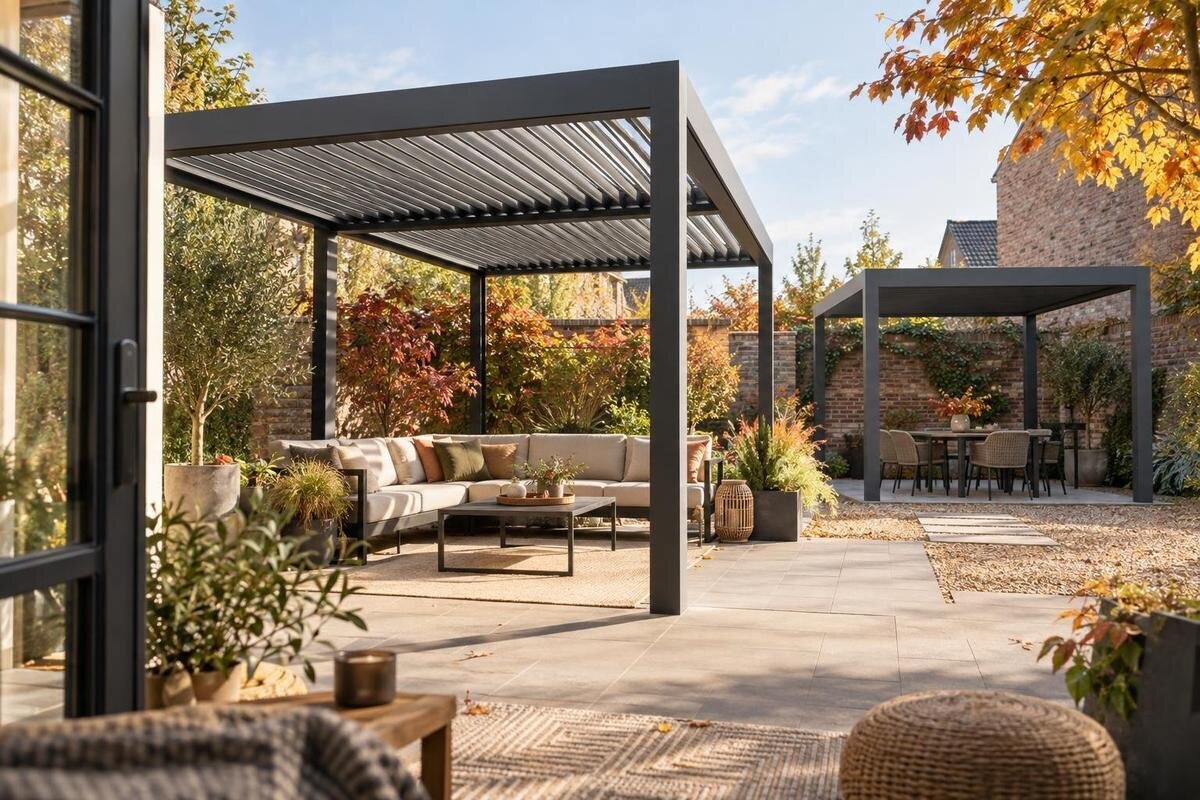
Pergola buying guide
Buying a freestanding pergola on Black Friday should begin with the space, not a tempting headline size. The frame has to fit the ground available, leave usable routes to doors and paths, and suit the furniture or activities you expect to accommodate. A quoted area alone may not reveal where supports sit or how much room remains inside them. Measure the site, sketch the layout, and check each candidate’s stated dimensions, mounting arrangement and purchase terms. Then compare any displayed Black Friday offers against that same plan, so price does not push you into a size that works poorly outdoors.

01
Measure the usable ground, not the whole patio
Begin with the patch of ground you are genuinely prepared to dedicate to a freestanding pergola, rather than measuring the whole backyard or paved area. Measure the length and width of the intended position, and sketch fixed boundaries such as the house, fence, retaining edge, garden bed, tree and steps. Note drains, access covers and routes that must remain reachable. If the site narrows, curves or has an angled edge, measure the clear width at several points and record the pinch point. Also note whether objects project into the space above ground level. Keep units consistent, such as metres or millimetres, so you can compare listings accurately. Take measurements at the level where the supports would sit, rather than estimating from a boundary several metres away. Photograph the measured area and label the sketch with the date, especially if pots, movable furniture or seasonal planting currently obscure edges you need to assess.
Draw the proposed footprint on the sketch to scale, or mark its corners on the ground with removable markers. Include any areas that must stay open, then compare the outline with the candidate’s stated dimensions. A patio’s total area is not enough: two rectangles with equal area can have very different proportions. Where the boundary is irregular, mark unusable corners rather than treating the whole space as a convenient rectangle. When reviewing the pergola product page, use published dimensions or a diagram if provided; a name or photograph does not establish the footprint. If a key measurement is missing, confirm it before deciding the product will fit.
Plan around the way you will use the space
Decide what the pergola needs to accommodate on an ordinary day before comparing nominal sizes. A dining setting, an outdoor lounge or a combined arrangement uses the same ground differently. List the furniture that must fit under the roof at the same time, how many people usually use it, and whether you need room to carry dishes or move between the house and seats. Separate essentials from occasional extras. Planning around a rare large gathering can leave a much larger frame dominating the patio for the rest of the year; choosing only for today’s smallest setup can make a multi-use area feel cramped.
Measure the actual table, sofa and chairs rather than relying on typical furniture dimensions. On the plan, draw each item in its working position and allow for chairs to slide back and people to sit down without twisting around a support. Try alternate arrangements if one orientation leaves an awkward strip of unused space. Consider where a barbecue, serving trolley, toy storage or outdoor heater is normally kept, even if it will not sit under the pergola, because these items can affect the approach to the seating area. When comparing the Bloomcabin pergola listing with other candidates, check the usable area against this drawing, not just the overall width and depth. A larger footprint is worthwhile only if it supports a layout you expect to use.
02
Read the dimensions behind the product description
Product pages can show several kinds of measurements, so find out exactly what each number describes. Overall width and depth may refer to the outer frame, while the clear distance between supports or the roof’s coverage may be different. Check the drawing’s arrows and labels; do not treat a headline area as the open space inside the supports. Note the unit, which side is width, and whether a projection is included. If a diagram does not define its measurements, seek clarification rather than estimating usable room from a photograph.
Height matters too if the pergola will sit beside eaves, windows, trees or other overhead features, so record it separately from the plan footprint. A comparison table can include overall dimensions, clear internal space where stated, support positions and the area intended to be covered. For a candidate such as the bioclimatic pergola product page, rely only on measurements actually published for that item; its category name and images do not establish dimensions. Check the drawing’s orientation as well, especially if the available space only works with the longer side facing a particular way. Ask for any missing figures before ordering.
Keep doors and everyday paths clear
A pergola can fit on paper and still get in the way of normal movement. Trace the routes people use between the house, backyard, side gate and regularly used storage, and preserve a practical passage rather than squeezing around a support or chair. For hinged doors and gates, mark the full opening arc; for sliding doors, keep the approach and threshold clear. Include windows or shutters that open into the area if they affect furniture placement. The aim is not merely to fit the frame inside the boundaries, but to keep the outdoor area convenient to use.
Test your layout before buying by marking the frame and furniture positions with removable tape or markers, then walk the routes with doors and gates open. Move chairs back and imagine carrying something through the space. Check the narrowest point, not just the entrance. A slim gap between a support and a wall may exist on a plan but feel awkward in practice. Consider the route at busy times too, such as when guests are seated or bins need to be moved through the yard. If the pergola sits near a frequently used doorway, keep its opening and approach clear and ask an installer about any site-specific installation clearances that may apply.

03
Separate the frame footprint from the area you want covered
Think about the area you want covered as well as the frame’s footprint. If the main use is outdoor dining, the table and occupied chairs need to sit within the coverage the product actually provides; a lounge layout may need room for people to approach the seats. The roof outline, support footprint and clear area below are not automatically identical. Compare the drawing for the roof edge and frame, and do not assume that a headline number of square metres means every part of the space will stay shaded or dry.
Sun and shade around an outdoor area change with the time of day and nearby buildings, fences and trees. Note when you expect to use the pergola and where you want the covered area to be then. A bigger model cannot correct an unsuitable position or guarantee shade at every hour. Mark overhead obstructions, including branches that may overhang the site, and confirm any relevant clearance needs with an installer. Use the pergola listing only for coverage dimensions stated for that item, not as proof of a particular shade or weather result.
Check support positions and the surface below
Support positions matter to fit just as much as the outer rectangle. Once you have a candidate’s drawing, plot its supports on the site plan. Check whether a post would land in a doorway route, on a drain or access cover, beside a step, or where a chair needs to sit. Do not assume supports sit at the roof’s outer corners, or that the roof edge marks the post line. A frame can fit within the patio while its support layout makes the furniture arrangement awkward. Treat the support plan as part of the size comparison, not a detail to discover after purchase.
The surface underneath also needs to meet the product’s stated installation requirements. Existing paving, decking, garden soil, a slope or concealed services may affect what an installer needs to assess; a footprint measurement alone cannot confirm the site is suitable. Note changes in level across the proposed support locations, rather than assuming that a patio that looks flat will present no questions. When considering this pergola listing, look for or request the exact item’s installation information rather than applying another model’s details. Have a qualified installer assess uncertain ground or anchoring conditions. If the support layout cannot be confirmed, keep the item off your shortlist until you know how it relates to the proposed site.
04
Compare Black Friday offers on like-for-like terms
Treat Black Friday as a time to compare actual listings, not a reason to choose a bigger size. If a promotion is displayed, check that the advertised item, size and configuration match the one in your measurements; a lower displayed price on another model is not a like-for-like comparison. Read the stated terms, including any exclusions, included components and dates where shown. Do not assume a promotion applies to every size, or that a headline price includes delivery or installation. The useful question is whether the exact pergola that fits your site is offered on terms that suit your budget.
Compare the full amount you would have to pay, not just the headline figure. Check whether delivery, unloading, assembly, installation or another service is charged separately, and ask if the listing is unclear. Include any accessories or site work you know you need without assuming they are bundled. When checking the specific pergola listing, match the exact size and configuration on the page to the offer wording and your layout plan. Treat any displayed saving as something to verify against the current terms, not as a given.
Confirm that the product is freestanding
Check the mounting category in the item details and installation documents. In ordinary buying terms, freestanding means the structure is intended to be supported independently of a building wall; it does not mean every surface is suitable or that no site preparation is needed. A general pergola category, product name or lifestyle photo may not show the actual mounting arrangement. Confirm the exact item you plan to order and make sure its documented support layout suits the position you have measured. That distinction matters to sizing because a standalone frame needs room for its own supports as well as access around them.
A wall-mounted product is not interchangeable with a freestanding one simply because the roof dimensions look similar. Use the wall-mounted pergola listing as a contrasting product type, not as a dimension reference for a standalone layout. If your plan puts the pergola away from a building wall, confirm that the candidate is described and documented for that arrangement. Where wording is unclear, ask before comparing prices; otherwise you could measure for one support system and order another. Keep this check separate from questions about size, because correct dimensions cannot fix a mismatch in product type.

05
Check delivery access and setup arrangements
Include the route from the delivery point to the proposed site in your sizing check. A frame may fit the patio but be difficult to bring through a side gate, along a narrow path or around a tight corner. Product dimensions may describe the assembled item rather than its cartons or individual components, so ask for package dimensions and handling details if they are not listed. Check width and height restrictions along the route, including low eaves, clotheslines, branches and steps, and decide where a delivery can be received and stored without blocking access while the project is prepared. If a shared driveway or narrow frontage affects delivery, clarify the practical arrangements before relying on a convenient assumption.
Before paying, clarify what setup is included and what remains your responsibility: self-assembly, a separate installer, site preparation or another arrangement. Do not assume assembly or fixing is part of the advertised price. If a professional will install the pergola, share the site sketch and ask them to review the space and any surface concerns before you finalise the size. Compare relevant installation or handling charges with the item price and delivery terms, and record who will provide each part of the job. That gives you a clearer view of the cost of getting the pergola in place.
Shortlist sizes that pass the practical fit test
Reduce your shortlist to sizes that pass the practical checks first. For each candidate, note its overall footprint, support positions, space for furniture, routes that must stay clear and any site requirement still to verify. Mark each point as confirmed or unresolved; do not treat a missing measurement as a pass. It can help to keep one annotated plan per candidate, so dimensions from different products are not accidentally combined. Compare options that genuinely fit the same site and intended use, then consider appearance and price among them. This order stops a Black Friday label or a large advertised area from overshadowing a basic mismatch between the frame and your outdoor space.
At checkout, reopen the exact product page and check the model name, size, configuration and terms in the order summary. The listing for a wall-mounted pergola is a reminder to verify mounting category as well as dimensions if freestanding is essential; a similar appearance does not make the item interchangeable. Save the dimension drawing and any written clarification with the order details. If confirmed measurements, included items or installation expectations still conflict with your plan, resolve that before paying. The best choice is the one that fits your site and intended use, not necessarily the largest option.
Frequently asked questions
How do I choose the right size for a freestanding pergola?
Measure the usable ground, then draw the furniture and walking routes you need to keep. Compare that plan with the product’s stated outer dimensions and support positions. A suitable size fits the site while leaving everyday access practical.
Is the advertised area enough to judge whether a pergola will fit?
No. The same area can have different proportions, and the roof outline, outer frame and clear space between supports may differ. Check what each measurement describes and use a dimension drawing where available.
How much room should I leave for doors and paths?
There is no single clearance figure that suits every layout. Mark door and gate openings, preserve the routes you use regularly, and check the product’s installation guidance for any required clearances. Ask an installer if the fit is uncertain.
Is a larger pergola automatically better value on Black Friday?
No. Compare the exact size and configuration with your site plan, then check the displayed offer terms and any separate delivery or installation costs. A lower price on a size you cannot use well is not a like-for-like saving.
What should I do if the product page does not show support positions?
Ask for a dimension drawing or written measurements for the exact item before ordering. Do not infer post locations from a photograph. If those positions affect paving, access or furniture placement, have an installer review the plan.
On Black Friday, the useful comparison is between sizes that already pass the fit test. A careful site sketch, furniture layout, clear routes, support positions and confirmed product dimensions remove much of the guesswork; delivery and setup terms then show whether an offer suits the whole project. If important measurements are missing, seek clarification rather than choosing from a photograph. The right size is the one that fits your outdoor area and its everyday use without making normal access an afterthought.
