
What Pergola Details Should You Give Your Insurer?
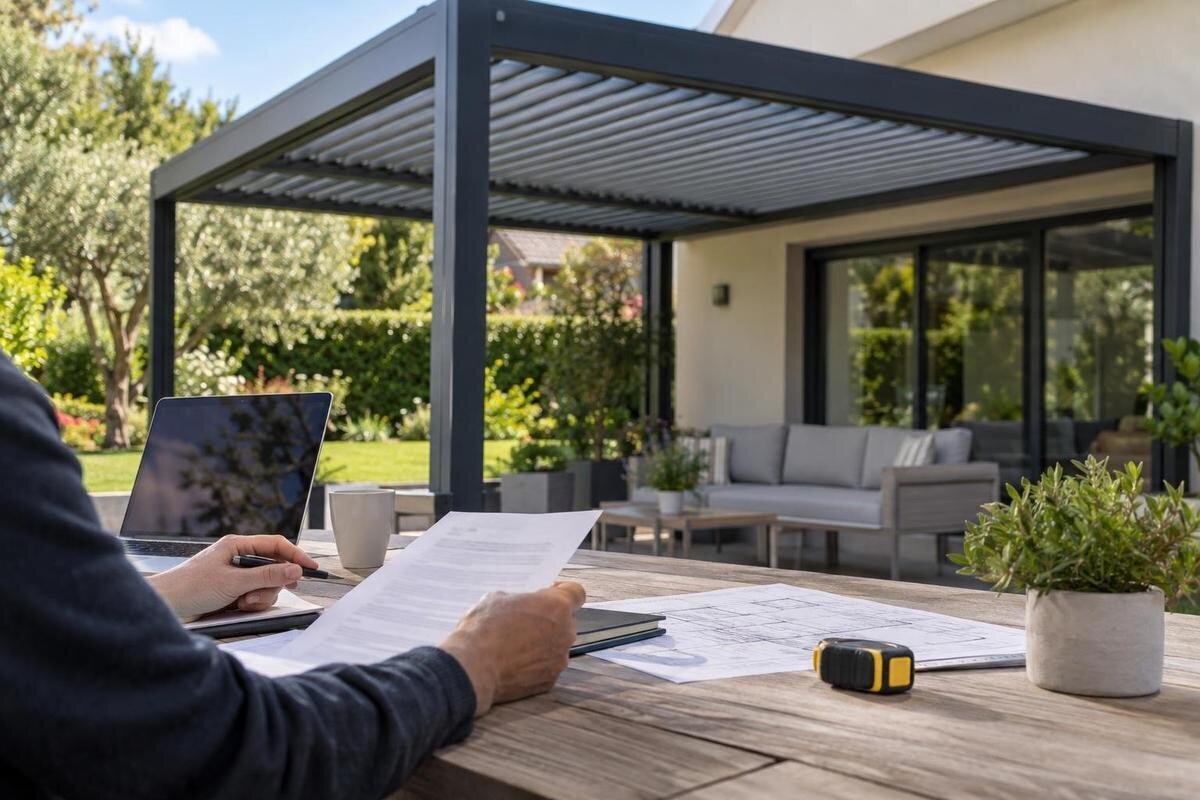
Pergola insurance
Whether you are planning a pergola or already have one in place, avoid treating “Is it covered?” as a question with a universal answer. Insurers consider the wording, schedule and details of the individual property and structure; notification requirements can differ too. A useful enquiry describes what is being built, where it sits, how it is supported, what equipment is fitted and which work has been completed. This guide helps you assemble those facts and ask clear questions without guessing what your policy includes.

01
Ask what your policy says before assuming cover
Open with the stage of the project: planned, quoted, ordered, delivered, partly assembled or complete. Give the installation date if known and explain what work remains; a drawing for a future pergola is not the same as a finished structure. Ask whether the insurer wants details now, when you accept a configuration, before work begins or after completion. The right timing depends on your policy and circumstances, so do not rely on a general rule from a neighbour, forum or supplier page. If the structure is already built, say so at the outset and give the date rather than describing the original plan as if it were still current.
Instead of asking only, “Is a pergola covered?”, ask how the policy defines an outdoor structure or fixture, whether this one needs to be declared or separately listed, and which policy section the insurer would consider. Ask which limits, excesses, exclusions or conditions may apply, and whether liability connected with the structure is treated separately. Have your policy schedule, wording and Product Disclosure Statement (PDS), if issued, available, and ask for the relevant references or an explanation from the insurer or your insurance broker. Clarify whether a reply is general guidance or a formal policy change. Record the date, staff member or reference number and the facts you gave.
Describe the exact pergola and configuration
Describe the actual pergola rather than using “pergola” as the whole specification. Record its exact model name, overall length and width, height if known, roof configuration and any walls or screens shown on the accepted plan. Mark each measurement as taken on site, copied from a supplier drawing or still an estimate; note who measured it and when if you know. If a quote names a Bloomcabin Pergola, copy that designation accurately, but a product name alone does not establish the selected size, options or final arrangement at your address. The insurer needs to know whether you are describing a catalogue family, a proposed configuration or a completed installation.
Keep dated versions of the specification as it changes: initial concept, quote, accepted order, amendments and final drawing. State which items are confirmed, still proposed, delivered or installed. Record a maker, model number or serial number only where it appears on documents or a label; do not guess. If paperwork uses a broad description such as “roof” or “screen”, ask the supplier to identify the specific selection in writing. This helps distinguish a plan supplied before work from the structure that was actually built, and makes it easier to correct an earlier description if the design changes.
02
Describe the pergola’s location and supports
Explain whether the pergola stands separately or meets the house or another building. Show its position on a simple site sketch and identify the side or wall involved, but do not treat a product title as a description of the installation. A name such as Bloomcabin Wall-Mounted Pergola identifies a model; it does not confirm how your unit is connected, what supports it or whether the work follows the original drawing. Describe only what the plan or installer’s record confirms, and mark any point you are unsure about for follow-up. A photo can help show location, but it may not show how the structure is supported.
Ask the supplier, designer or installer for a drawing or written record of the proposed interface and support, then pass on that documentation rather than estimating fixings or structural capacity yourself. Include a wider photo and a closer view if the pergola is already built. If it sits on an elevated deck, balcony or rooftop, state that plainly and ask the insurer whether it needs further information. Have a suitably qualified professional assess whether that location is appropriate: a garden-oriented product name or image does not establish rooftop suitability. Keep the insurance enquiry separate from any technical assessment.
List the roof and equipment separately
Describe the roof and moving parts as they are specified, not as you assume from appearance. Say whether the design has an open frame, fixed covering, adjustable elements or a retractable covering, if known; note the material and control method only when the supplier documents confirm them. If there is a motor or remote control, identify it as planned or already installed. For a Bloomcabin Bioclimatic Pergola order, record the selected roof details alongside the model name. Use the configuration schedule to distinguish included equipment from optional items you have not ordered.
Make a separate list of accessories that are actually present or planned: side screens, blinds, glazing, lighting, fans, heaters, speakers, drainage components or other equipment. For each, note whether it came with the pergola, was added later, is removable or is still proposed. Keep its invoice or installation record if available. Ask the insurer whether it wants accessories declared individually and whether they should be valued separately from the main structure. Do not assume an accessory is included in a general description of the pergola or follows the same policy terms. For electrical or plumbing equipment, list only details you can verify from the project records.

03
Record who supplied and installed it
Separate who supplied the product from who prepared the site and carried out each part of the work. Your records may name a supplier, builder, installer or separate trades; note each party, their scope and the dates. Do not imply that the supplier installed the pergola just because its name appears on the order. If the quote identifies the wall-mounted Bloomcabin model, attach that quote and say which person or business handled assembly or the connection to the house. If you assembled it yourself, state that plainly rather than leaving the installer details blank.
Save the contract or accepted quote, invoices, variation orders and any handover material. Ask the relevant professional for a final drawing, written description of completed work or an installation record if one exists and the insurer requests it; do not suggest that a certificate exists when it does not. If several people were involved, a short timeline can separate delivery, site preparation, assembly and later accessory work. Ask the insurer which evidence it needs. A clear scope record is more useful than a vague description such as “professionally installed” when your paperwork does not identify who did what.
Ask which project value the insurer needs
Ask which value the insurer wants, because the amount paid for a product may not be the same as the cost of the complete installed project or the figure the insurer uses. Separate the pergola, selected accessories, delivery, assembly, site work and any separately invoiced trade work, using actual quotes or invoices. Keep the date and identify what each amount covers. If your quote refers to the regular Bloomcabin Pergola, use that model name to label the cost records, alongside the selected dimensions and options. Distinguish a product-only price from a total that includes installation.
For an existing pergola, include purchase and installation dates, plus its current condition if the insurer asks. Ask whether it wants the original cost, an estimate to replace the same configuration, an itemised project cost or another basis; do not choose one and assume it is the policy value. If you cannot provide a figure yet, explain what is missing and ask what form of estimate or professional assessment it will accept. You can also ask whether a valuation should include installation or reinstatement work. Keep the insurer’s response with your figures so their source and date are clear.
04
Prepare drawings, records and clear photographs
Arrange the supporting material so the insurer can match each file to the pergola. A useful bundle may include a site plan, elevations or configuration drawing, specification, accepted quote, changes, invoices and dated photos. Use a wide view to show where the structure sits and closer views of attachment points, supports and installed equipment where relevant. Photographs show appearance and location, not hidden construction details. For a Bloomcabin bioclimatic pergola project, group the product information with the corresponding drawing and order records. This keeps general product material separate from documents showing what you ordered and installed.
Label files with dates and revision numbers, and say whether an image is a concept rendering, a delivery photo or a view of completed work. Include approval or consent correspondence, an inspection report or an installer’s document if you have it or the insurer asks; none should be presented as proof of insurance cover. If you are unsure whether the project needs an approval or technical report, check with the relevant local authority or a qualified building professional separately. Ask the insurer how to submit documents and whether it needs a particular drawing or clearer photograph, rather than sending an unlabelled folder.
Give the property and use details
Give the property address and pinpoint the pergola’s position, such as a rear courtyard, side area, balcony or detached part of the block. Explain whether it is at a house, a rental property or a unit in a strata or body corporate scheme if that is relevant to the policy. A tenant, landlord or resident in shared property should say whose policy they are asking about and check whether the insurer wants a property manager or another insurer involved. Do not assume your own policy deals with every shared structure or common area; ask how responsibility is assessed for your situation. Use the insurer’s usual secure channel for personal policy details.
Describe the intended use accurately, particularly if the space will be used for a business, paid gatherings, short-term rental guests or storage rather than ordinary household use. Say whether that use is planned or already happening, and tell the insurer if it changes later. You do not need to assign the site a hazard category yourself; provide the address and factual surroundings the insurer requests, such as nearby trees or an elevated setting. The insurer can explain which site details matter. Keeping facts separate from guesses avoids presenting a personal view of risk as an official assessment.

05
Update the insurer when the project changes
An enquiry based on a proposed drawing can become out of date. Tell the insurer if the delivered or completed pergola differs in size, position, roof, attachment, equipment, installer or intended use, and ask when it wants the change reported. Do not decide that a change is too small to matter; the insurer should say what information it needs under your policy. For a structure already in place, describe its current state and make clear which earlier details are no longer correct. Record the date of each change, not just the date of the first quote.
Maintain a simple change record with the revised drawing, the person or business that carried out the work, invoices and before-and-after photographs. If your first quote names Bloomcabin’s wall-mounted pergola, keep it beside the later order or as-built record and explain what changed in the configuration or installation. Ask whether an updated schedule, endorsement or another policy document is needed after the insurer reviews the change. Save the response with your original enquiry so you can trace which version was declared and which changes the insurer has addressed.
Check the insurer’s response against your enquiry
When the insurer replies, compare its response with the questions and documents you sent. Check whether it addresses the main structure, roof equipment, accessories and intended use, rather than only the word “pergola”. If the reply refers to a policy clause, read that clause alongside the explanation and ask about wording you do not understand. Where an answer depends on more information, identify exactly what is missing and who can supply it. Keep unanswered questions together for a focused follow-up. If a claim situation already exists, follow the insurer’s claims process rather than treating a general project enquiry as a claim decision.
Make sure the response refers to the configuration you described. For an enquiry about a Bloomcabin Pergola order, check that any quoted order number, dimensions and project stage match your records. Correct discrepancies before treating the reply as an answer about the finished project. Ask whether it is general guidance or a change to the policy, when any change takes effect, and whether a revised schedule or endorsement will be issued. Keep the written response and reference number with the documents it addresses, and note any information or follow-up the insurer still requires from you.
Frequently asked questions
Is a pergola automatically covered by home insurance?
There is no universal answer. Check your own policy wording and ask the insurer how it treats your specific pergola, including any limits, exclusions or notification requirements. Do not assume that being attached to a home, or being on the same property, means it is covered.
Should I contact the insurer before installation?
Ask while the design is being planned whether the insurer wants details before you order or begin work, and whether it needs an update after installation. If the pergola is already built, contact the insurer with the installation date and an accurate description of its current state.
What documents should I send?
Ask what the insurer needs. Useful records may include the current configuration drawing, quote and revisions, invoices, installer details and dated photographs. Label each document so it is clear whether it shows a proposal, a change or the completed pergola.
Should I give the purchase price or a replacement estimate?
Ask which figure and valuation basis the insurer wants. The amount paid for a product may differ from the total installed project cost or a replacement estimate. Give the source and date of any figure, and do not present an estimate as the insurer’s required value without checking.
What if the finished pergola differs from the quote?
Tell the insurer what changed, when it changed and which details in your earlier enquiry are no longer current. Send revised drawings or records if requested, and ask whether the change needs to be noted on the policy. Do not decide for yourself that a change is too minor to mention.
A useful insurer enquiry describes the pergola as it is planned or built, rather than relying on a product label or a broad category. Keep the project drawings, installation details, costs and insurer correspondence together, and note which version each response concerns. That makes it easier to revisit the question when work is completed or the configuration changes. Use your own policy documents and the insurer’s reply to understand the position for your property.
