
Buying a Garden Shed on Black Friday: Compare Total Costs
Black Friday buying guide
Black Friday can put a garden shed’s listed price at the centre of a purchase decision, but it is only one part of the bill. Delivery, preparing a suitable site, assembly, required components and taxes can change the amount you actually need to spend. Promotions and their terms vary, so treat a seasonal price as something to verify rather than a promised saving. A useful comparison puts each candidate on the same footing: the exact product, what is included, the work needed on your property and the confirmed total to get the shed ready for its intended use.
Separate the advertised price from the project total
On Black Friday, a prominent shed price can make comparisons feel straightforward. Treat that figure as the starting point, not the project total. It may cover only the selected building, while delivery, site preparation, assembly, taxes or optional components may be priced separately. Which lines apply depends on the specific listing, the property and your plans; do not assume every item is included or that every possible extra is necessary. The shopping date itself does not confirm that a price is discounted. Record the current price and the scope it covers before comparing it with another product or quote. If two figures cover different scopes, normalize them before deciding which is lower.
Define what “ready to use” means for your purchase. For one buyer it may mean delivery and assembly; another may also need site work, selected interior fittings or a chosen finish. Write those requirements down, then mark each cost as essential before use, optional or ongoing. This keeps a bare product price from being compared with a quote that includes labour, and prevents optional extras from disguising the minimum spend. Keep the purchase subtotal and any estimate for future care separate: both matter, but they describe different parts of the budget. If you expect to add something later, list it separately rather than quietly folding it into the initial total.
Define the shed and scope you are comparing
Before browsing, list what the shed must accommodate and how you expect to use it. The quantity and type of items affect the size and access you need, while a workspace or another planned use may call for different requirements than simple storage. Translate those needs into measurable checks: external footprint, interior dimensions, door opening and clearance, plus space to move items in and out. These are not details to guess from a product name or an attractive image. They affect which candidate you can compare and whether later spending on changes or additional storage would be avoidable. Include the largest item you expect to store, rather than relying on a broad label such as “tools.”
Create a separate worksheet row for each exact candidate and copy the information stated on its current page, including the selected configuration and included items. Check the Verdana 1 product page on its own; the name does not establish dimensions, contents or suitability. If a detail needed for costing is missing or unclear, ask the seller to confirm it before building a delivery or installation estimate around it. Note the date and exact product option, so a later page or price change does not blur which details your numbers came from. Save the information that shaped your estimate, not only a link.
Include delivery and unloading in the comparison
Treat delivery as a cost to confirm for the exact destination, whether it appears separately or is included in a quote. Ask what the quoted amount covers, whether unloading is included, where the carrier is expected to leave the shipment and what access you need to provide. Check any stated limits for vehicle access, narrow entrances or the distance from the drop-off point to the prepared site. Confirm whether someone must be present and whether packaging removal or extra handling is available, and how those services would be priced. Do not count a service as included unless the quote says so.
Use a written delivery figure for the same address and product you intend to order. A listing such as the garden house Verdana 2 listing can be recorded as a candidate, but its name or image does not tell you the delivery charge, unloading arrangement or access requirements. Request those details against the exact item and destination, and keep any separate handling fee on its own line. Confirm the seller’s stated delivery conditions before arranging labour or site work; the project budget is more reliable when the people, equipment and prepared area are coordinated with the actual delivery plan. If the drop point differs from the final location, ask who is responsible for moving the shipment further.
Cost the site and base separately
Price the property work independently from the building. Walk the proposed area and note existing surfaces, vegetation, slopes, drainage concerns, obstacles and the route for bringing materials to the site. Clearing, excavation, disposal and a base may be separate tasks, but the right scope depends on the site and requirements for the exact shed. Do not select a foundation type or estimate quantities from a generic rule of thumb. Use the selected product’s published requirements, if provided, and have a qualified professional assess questions about ground conditions, drainage, slopes or nearby services before you commit to a price. Include any restoration work if access may disturb the surrounding area.
Ask for an itemized site-work estimate tied to the actual location and product requirements. Record what the contractor includes—such as preparation, materials, labour, equipment and removal of spoil—and what remains your responsibility. The Durano garden-house listing is a page to consult for a specific candidate; do not infer a footprint or base design from its name. Check the product information for dimensions and installation requirements for the exact model you choose. If those details are unavailable, ask the seller or manufacturer, then have a contractor quote against the information and the ground at your property. Ask whether the quote assumes the site is clear and accessible.
Price assembly and finishing work
Assembly can add labour and coordination costs even when the building price looks complete. Confirm whether assembly is included in the offer, separately available or left to you; then request a quote for the exact scope. Ask whether the quote covers delivery-day handling, tools or equipment, travel, packaging cleanup and finishing work, and note any exclusions. If you plan to assemble it yourself, review the manufacturer’s instructions if available and be realistic about the time, help and tools required. Do not assume sheds with similar names or pictures take the same effort; the listing alone cannot settle that. Ask the installer to state the work included, any site-readiness conditions and what could trigger extra charges.
Separate the building, assembly and finishing amounts in your comparison. Depending on the exact product and the result you want, you may need to price a finish, surface treatment or other work—but first verify what is supplied and what the manufacturer recommends. For the Veltor 1 listing, record only assembly and finishing details you have confirmed; its title is not evidence of which parts or labour are included. A written installer quote should say what task is covered and what preparation it assumes. If a job involves technical work beyond your experience, ask a suitably qualified professional rather than treating a low labour estimate as a complete plan. Keep optional improvements separate from work needed to complete the agreed scope.
Check what the price includes
Itemize components and extras before comparing packages. Check the product information for what is included, and verify any item that may affect completion or intended use—potential examples include flooring, roof covering, hardware, a lock, shelving or finish materials. These are questions to verify, not a claim that any particular model omits them. Mark each item as included, separately priced, not needed or still unknown. This prevents a low-looking base price from being compared with a more complete package, while also avoiding the opposite mistake of adding costs for items already supplied. If a component must be purchased separately, confirm that it is compatible with the selected product and who can supply it.
Compare optional purchases only after you have priced the minimum complete setup you actually need. A page such as the Orello 1 listing should be treated as its own product record: check the supplied details, then list each selected extra and its price separately. Avoid adding every accessory shown in marketing images to your budget or treating an image as a parts list. If an add-on is not necessary for your use, leave it out of the core total and show it in an optional column. Check whether a separately purchased extra adds delivery or handling cost, but include that only when it is confirmed. This shows both the necessary project and the upgrades you genuinely want.
Use the confirmed offer price, not a headline percentage
Compare the amount you would actually pay for the same scope, not just a headline percentage. Check that the displayed price applies to the exact item and configuration you are considering, then look at the amount confirmed at checkout or in a written quote, including any applicable taxes and delivery charges. If a promotion has conditions, account for them only when you know they apply to your order. Do not subtract an assumed voucher, discount or delivery benefit. The seasonal label is not a cost line, and a larger percentage off can still leave a higher project total when other required costs differ. Keep a dated record of the confirmed amount so the basis of your comparison is clear.
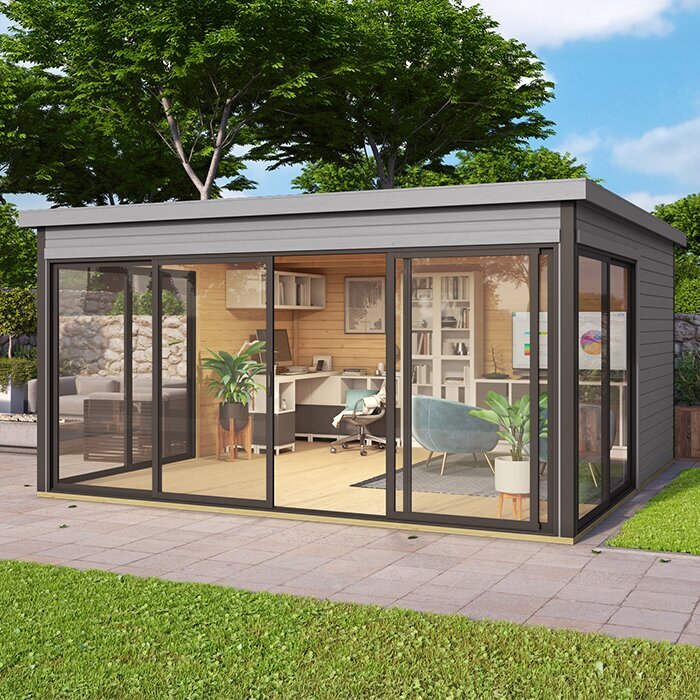
Keep the product identity exact when you compare pages. For instance, enter the Modano 1 product page as a distinct candidate, then check its own stated details and price; its name does not establish dimensions, contents or whether it costs less than another option. Compare it with separately confirmed delivery, site and assembly figures. If the final amount is not visible yet, mark it “unconfirmed” instead of filling the gap with a guess. Also note whether an advertised figure is before or after tax, rather than mixing the two. This prevents an appealing first figure from passing as the full amount.
Build an apples-to-apples cost worksheet
Use a worksheet with one column per candidate and rows for the product price, required components, tax, delivery and unloading, site preparation, base, assembly, finishing and disposal, where applicable. Add optional extras below the core total rather than mixing them in. Label each number as confirmed, quoted, estimated or unknown, and note who supplied it and when. If an amount includes two tasks, split it only when the source provides a defensible breakdown; otherwise keep it as a combined line. The goal is not false precision but a clear view of what the quoted total contains and which figures still need confirmation. Leave missing costs marked unknown, never as zero.
Make sure each column describes the same end point. A delivered-but-unassembled shed is not directly comparable with an installed option unless you add missing assembly and other work to the first total. Similarly, a price that excludes a required component cannot be compared as if it were complete. The wooden garden shed M listing can occupy one row, but use its confirmed page details rather than its name to fill the worksheet. Check the amounts once for duplicate charges—for example, delivery included in an installer’s quote may already appear elsewhere—and once for gaps. Show optional upgrades and future care separately so neither disappears nor inflates the purchase figure.
Allow for uncertainty and future care
Keep uncertainty visible instead of burying it in a single guessed allowance. Site work, delivery access or a contractor’s scope may not be settled at the same time as the product price. Ask for an estimate or site visit where appropriate, then record the range or condition the provider gives you and identify what could change it. Set a maximum total project budget before placing an order; if a necessary cost is still unknown, decide whether you can tolerate that uncertainty or should wait for a confirmed quote. No standard contingency percentage fits every property, so use actual project information rather than a made-up rule. Avoid calling an estimate “final” until you understand its assumptions.
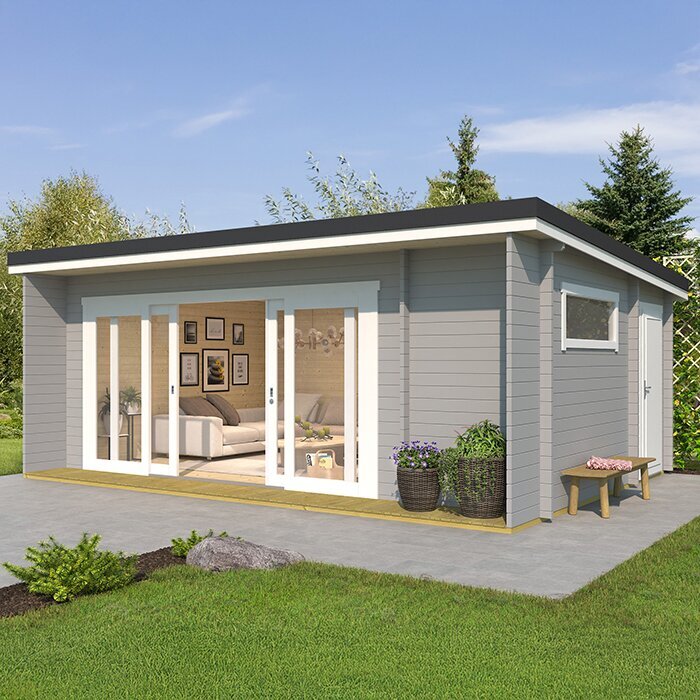
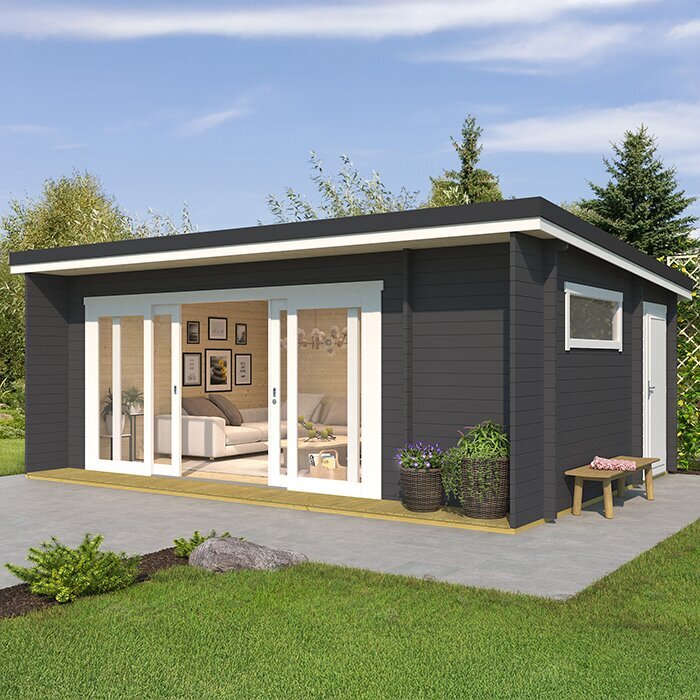
Consider ongoing care as a separate ownership cost, but base it on the exact building’s material and care guidance rather than on photographs or a name. The wooden garden shed S page is one candidate record; verify the product information and any manufacturer guidance before assuming what upkeep it needs. Ask what maintenance is recommended and whether supplies or paid work are likely to be part of your own plan. If the guidance calls for a particular finish or periodic attention, include a realistic estimate in a long-term budget, not in the one-time checkout total. Keep this estimate separate so you can compare initial affordability with longer-term practicality without inventing a maintenance schedule.
Check the full total before ordering
Before ordering, compare the confirmed core project total with the amount you set aside—not with an assumed saving from Black Friday. A candidate merits further consideration when its stated details meet your requirements, necessary components are accounted for, and delivery, site work and assembly have been priced or deliberately marked as open questions. If one quote remains lower only because it leaves out an important task, add that task before judging value. If the complete scope exceeds your budget, consider changing the scope or timing rather than letting a promotional headline set the amount you spend. Compare on the terms that matter to you, not the size of a claimed percentage.
Use a final order record: exact product and configuration, current written price, what the seller says is included, applicable delivery and tax, confirmed third-party work, optional extras and unresolved assumptions. Check local requirements with the appropriate municipal office or property owner if rules or shared-property conditions may affect placement, and seek qualified professional advice for site or installation questions that need technical assessment. Keep the final total and assumptions beside it, including who is responsible for each remaining task. That gives you a sound basis for deciding whether to buy now, compare another option or pause; the decision follows the full project cost, not the calendar.
Frequently asked questions
What should I include in a garden shed project total?
Include the exact shed price, any required components, applicable taxes, delivery and unloading, site preparation or a base, assembly, finishing and disposal where relevant. Keep optional extras and future care in separate lines. The costs depend on the confirmed product details and your property.
Does Black Friday guarantee that a garden shed costs less?
No. The date alone does not show that a price has been reduced or that the complete project costs less. Confirm the current amount and any promotion terms, then compare the same product and scope, including delivery, taxes, required components, site work and assembly.
Should I include site preparation and a base in my comparison?
Yes, if either is needed for your project. Keep site work and the base as separate lines until you know what is required for the exact shed and property. Ask for an estimate based on the site and the product’s stated requirements rather than relying on a generic allowance.
How can I compare a product price with an installation quote?
First check what the installation quote includes. Add any missing delivery, assembly, site preparation or required components to the product price, and remove any duplicate charges. Compare the totals only when they cover the same end point, such as delivery alone or a completed project.
What if delivery or site-work costs are still unknown?
Mark them as unknown, not zero. Ask the seller or a qualified contractor for the details needed to estimate them, and note any assumptions or conditions. If a cost essential to your project remains uncertain, decide whether that uncertainty fits your budget before placing an order.
Buying during Black Friday should make the comparison more deliberate, not narrower. Once you have the exact shed, confirmed inclusions and realistic figures for delivery, site work, assembly and necessary extras, the total becomes a useful basis for weighing options. Keep estimates distinct from confirmed charges, and decide against the project budget you set rather than the largest advertised saving. If important site or delivery costs are still unknown, pausing until they are clear is a valid buying decision.
