
Black Friday Pergola Offers: Check Wind, Rain & Snow Specs
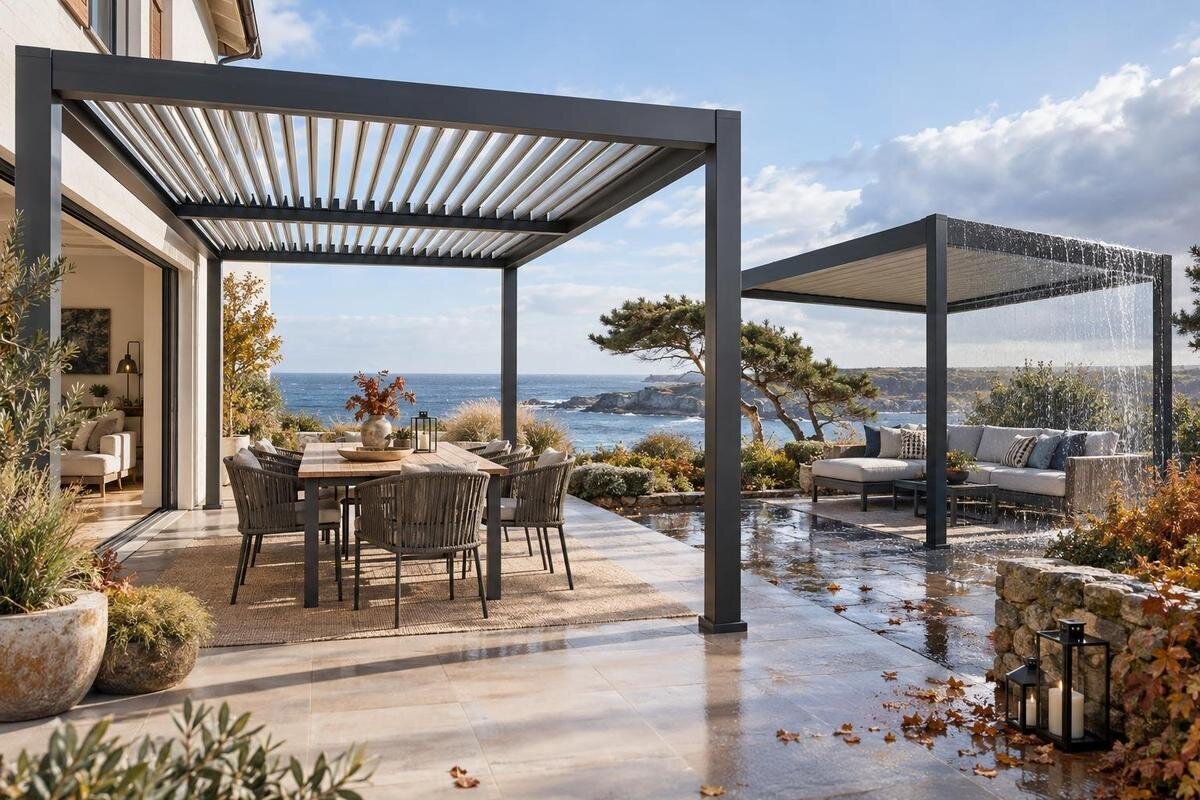
Black Friday pergola buying guide
When comparing Black Friday pergola offers, it is tempting to focus on price, but an attractive offer is useful only if the product’s documented weather performance matches the conditions you need it to handle. Wind, rain and snow are separate questions: a roof described as rain-shedding is not automatically rated for snow, and appearance says little about wind limits. Compare the exact model and configuration, the evidence behind each weather claim, and the written offer terms before deciding. No offer details are supplied here, so treat the event label as a reason to compare carefully—not as proof that a discount is active.

01
Match the weather information to the exact pergola
A model name, product photograph or broad phrase such as all-weather cannot show whether a pergola suits a particular site. Before comparing Black Friday listings, record the exact model, size and configuration shown, then find technical information that explicitly applies to that combination. A sheet for a different roof arrangement, optional component or product version may not answer the question for the item in your cart. If the listing does not provide the relevant document, ask the retailer or manufacturer for it. An omission is neither proof of suitability nor proof of poor performance; it is simply a point that remains unverified. Keep the model details together so you are not comparing different versions by accident.
Use the bloomcabin pergola product page as an identification starting point, not as evidence of weather performance unless it states a specific claim and explains its scope. For each option, note the wind, rain and snow wording separately, including units, conditions and exclusions where provided. Keep the advertised offer details in a different column. This prevents a prominent price badge or polished image from standing in for technical information, and helps you compare the same configuration if product names are shortened elsewhere. If two listings appear to describe one model but differ in details, confirm which exact version is being offered before weighing their prices. A clear comparison starts with accurate identification, not whichever claim sounds most impressive or has the lowest visible price.
Read the full wind rating, not just the number
A useful wind specification should say what is being rated and in what terms. Look for a speed or clearly defined category, the units used, and whether the figure describes a test result, a design limit or another measure. A bare claim such as wind resistant is difficult to compare because it offers no common reference. The method and conditions matter: check which parts were assembled, what configuration was assessed and whether the documentation defines exposure or other restrictions. Do not convert units or interpret an unexplained category from memory; ask the manufacturer or a qualified local building professional to clarify the figure for the exact product. When more than one number appears, identify what each number measures before choosing one for your comparison.
Read the qualifications beside the number, not just the number itself. A wind statement may apply only to a specified assembly, roof position, optional component or installation arrangement; the document should make its scope clear. If parts can be adjusted or removed, check whether the rating changes with their position instead of assuming one figure covers every use. The bioclimatic pergola product page identifies a named product, but the name alone does not confirm a wind rating or an operating position permitted in particular conditions. Compare only a claim tied to the model and configuration you intend to order, and request the underlying wording when a short listing leaves these details out. It can also matter whether a stated rating applies to the entire structure or only one component.
02
Account for wind exposure at the site
Even a clearly stated rating is not a promise that every location experiences the same wind. Exposure can differ between an open area and a sheltered yard, or where nearby buildings, trees and terrain affect airflow. Direction and gusts may also matter, and the area exposed can change with a pergola’s layout or the position of adjustable parts, if present. Shelter can change over time as landscaping matures or nearby structures change. Use these observations to frame questions about suitability, not to calculate a safe limit yourself. A regional weather average or a neighbour’s experience cannot replace a model-specific rating interpreted in the context of the actual site.
For a wall-mounted pergola listing, do not assume that attachment to a building automatically resolves the wind question. The product, its connections and the building surfaces they rely on need to be considered together; the product page cannot describe the condition of a particular wall or the shelter around it. Ask a qualified local building professional whether the manufacturer’s stated conditions match the proposed arrangement and site. This is a question of documented performance, not a reason to prefer or reject wall-mounted designs in general. Without both the relevant product information and site context, neither conclusion is supported.
Clarify what rain protection means
Rain protection can mean different things: directing ordinary rainfall away from a seating area, reducing splash, or providing a cover described as watertight under stated conditions. A listing should explain what outcome is intended and whether the roof must be in a particular position. Look for any stated limits around joints, edges, wind-driven rain or the amount of water the system is meant to manage. Terms such as rainproof do not settle these questions if their conditions are missing. Depending on the design, open sides may still allow rain to enter, so match the stated coverage to the activities and belongings you want to protect rather than expecting an enclosed room.
If the bioclimatic pergola listing is on your shortlist, look for written rain information for the exact configuration you would order; do not infer water control from the category name. Check whether the documentation distinguishes water shedding from watertight performance, and whether any claim depends on components that are included, optional or sold separately. If the page does not explain a term, ask what it means in ordinary use and under which conditions it applies. Keep that answer beside the product description so you can compare models with different marketing language against the same practical question: what level of rain protection is actually stated?

03
Check where rainwater is directed
The roof’s ability to shed water is only one part of rain performance. If information is available, look for the stated drainage route, outlet locations, overflow behaviour and limitations in heavy or wind-driven rain. A product may direct water away from one area yet discharge it somewhere inconvenient; a photograph rarely shows the entire route. Note whether channels, downpipes or related parts are described as included, optional or not supplied, and ask for clarification where the language is unclear. The aim is not to design drainage from an image, but to understand what the weather claim covers and whether its stated water path makes sense for the way you expect to use the space.
Before comparing a bloomcabin pergola listing with another option, put its rain claim into plain language: what area is covered, in which configuration, and where is water directed? Compare those answers rather than labels alone. Think about the surfaces and activities beside the pergola too, because an outlet can matter near a doorway, path or seating area. If the listing gives no route or conditions, treat rain performance as unresolved and request the relevant product information. A picture of a dry patio does not establish how the same arrangement will behave during rain at your home, especially if wind pushes water sideways.
Find a separate snow-load specification
Snow-load information should be separate from any claim about rain shedding. Look for a stated load, its unit or measurement basis, and the model, configuration and conditions to which it applies. A statement that a roof drains rain or is intended for outdoor use does not establish how much snow, if any, the assembled structure is designed to carry. Nor can a product photograph show a tested capacity. If the listing has no snow-load information, ask whether the manufacturer provides it; do not assign a capacity based on roof appearance or transfer a rating from another model. The precise scope matters more than a reassuring general phrase.
The bioclimatic pergola product listing identifies a named option, but a name is not a snow-load figure. Confirm whether any stated capacity applies to the complete assembly, the prescribed configuration and the exact size you would order; ask which weather conditions or uses are excluded. If the answer refers to a different configuration or says only snow resistant, it may not give enough information to compare products. Have a qualified local building professional interpret the manufacturer’s information against the conditions at your site. Do not attempt load conversions or engineering checks from marketing copy, and do not assume a claim about one roof position applies when parts are positioned differently.
04
Why snow depth cannot replace a load rating
Snow depth is not a substitute for a load rating. Snow varies in density and water content, and it can accumulate unevenly, including where wind moves it or roof geometry creates local build-up. The same depth therefore cannot be treated as a fixed weight across storms or different roofs. That is why a broad claim such as handles winter does not tell you a permitted load. Compare any stated capacity in its own units and scope, then bring uncertainty to a qualified professional familiar with local conditions. Avoid using general snowfall maps, a past winter or a neighbour’s structure as a stand-in for information about the specific pergola.
For the bloomcabin pergola page, look for whether the manufacturer provides guidance on winter use and snow accumulation, including any stated limits or steps required before snow is present. Do not assume that a roof opening, slope or visible gap means snow will clear safely; appearance is not an instruction. If the documentation calls for a particular winter setting or management approach, ask for the exact written procedure and who should carry it out rather than improvising. Keep this guidance tied to the model and configuration, because advice for another pergola may not apply. If no directions or snow information are available, that gap belongs in your purchase decision.
Compare Black Friday offers on equivalent products
Once the weather questions are defined, compare Black Friday offer details only across equivalent items. Record the exact model and configuration, the advertised price, any stated comparison price, the applicable offer conditions and the amount shown as payable for that item. Confirm that the price applies to the size and option you assessed, rather than to a broad category or an image grouping. A Black Friday label does not by itself establish a discount, deadline or saving, and none is confirmed here. Treat the listing as it appears when you shop; rely on its written terms and check whether any conditions change which product or configuration is eligible.
Include the wall-mounted pergola product page in a price comparison only if it is the type and configuration you are considering; do not place unlike products side by side as though only the price changed. Keep weather evidence, listed components and offer conditions in separate columns. A lower price cannot resolve a wind, rain or snow requirement that the available documentation does not address. If listings differ in what they say is included, compare those written details before deciding whether the offers are genuinely comparable. That gives any advertised reduction a fair context without assuming an accessory, technical feature or other benefit comes with the product.

05
Ask for written clarification when details are missing
When a key specification is missing, ask a focused question tied to the exact product rather than sending a broad request for weather resistance. Ask which model, size and configuration a claim covers; what the stated wind measure means; what rain protection the wording describes; and whether snow-load information is available. If the answer refers to a document, request its title or a copy and ask whether it applies to the version shown in the offer. This makes the response easier to compare with other listings and reduces the risk of relying on a general statement intended for a different product.
A useful reply identifies the claim, its scope and any conditions or exclusions; a vague assurance such as built for all weather cannot answer all three weather questions. Keep the answer with a copy of the listing and offer you reviewed, especially if the product name or configuration may change between pages. If the retailer cannot supply a manufacturer specification, treat the missing point as unresolved rather than filling it with a guess. You do not need to prove a product unsafe to decide that the available information is insufficient for your needs; you can keep comparing, wait for clarification or choose an option with clearer documentation.
Apply a two-part test before choosing
Use a two-part decision test: does the documented weather performance fit the conditions you need to accommodate, and are the offer terms clear for that exact product? Start with the first question. If the wind, rain or snow information is missing or applies to another configuration, a reduced price does not make the performance known. Where technical interpretation or site suitability is uncertain, ask a qualified local building professional to review the manufacturer’s information. This is particularly useful when several options look similar online but the available product sheets differ in what they actually state.
Then judge the offer on the item you have already assessed. Compare the amount payable and written conditions, and check that the selected size and components match the information used to evaluate weather claims. If every important detail is clear, you can decide whether the stated price works for your budget; if a major point remains unanswered, there is no need to let the shopping-event label set the pace. A sound seasonal purchase is one you can describe accurately: which pergola it is, what its weather information says, what remains conditional and what price applies.
Frequently asked questions
What should a pergola wind rating include?
Look for a stated measure and units, plus an explanation of whether it is a test result, design limit or another value. The information should identify the model and configuration it covers, along with relevant conditions or exclusions. A phrase such as wind resistant is not comparable on its own; ask for the manufacturer’s documentation if the listing gives no scope.
Does rain protection mean a pergola can carry snow?
No. Rain performance describes water shedding or rain coverage, while snow-load information concerns the load the specific assembly is designed to carry. Check for a separate snow specification and the conditions it covers. Do not infer capacity from rain claims, the roof’s appearance or the product name.
Can I estimate snow load from the depth of snow?
Not reliably. Snow density and water content vary, and wind or roof geometry can create uneven accumulation. Depth alone does not give a dependable rating for a pergola. Use model-specific information from the manufacturer and ask a qualified professional to interpret it for the site rather than making a conversion yourself.
Does the Black Friday label confirm that a pergola is discounted?
No. It identifies a seasonal shopping event, not the terms or amount of a particular offer. Check the current listing for the exact model and configuration, any stated conditions, and the payable price. The information provided for this guide does not confirm a live discount or saving.
Is a wall-mounted pergola automatically more wind-resistant?
No. A wall-mounted label identifies the product type; it does not establish a wind rating for the pergola, its connections or a particular building. Compare model-specific documentation, and have a qualified local professional consider whether the stated conditions suit the proposed site.
For a Black Friday pergola purchase, let the written weather information set the shortlist and use the offer to compare options that meet the same requirements. A wind claim, rain description and snow-load figure each need their own scope; a missing one should stay visible as a gap, not disappear behind a price badge. Once the exact configuration and offer terms are clear, decide whether the stated price suits your budget. If the technical information still leaves a material question unanswered, waiting for an answer is more sensible than guessing from a product name or image.
