
Building a Garden Shed in a Shared Garden: What to Plan
Garden shed planning
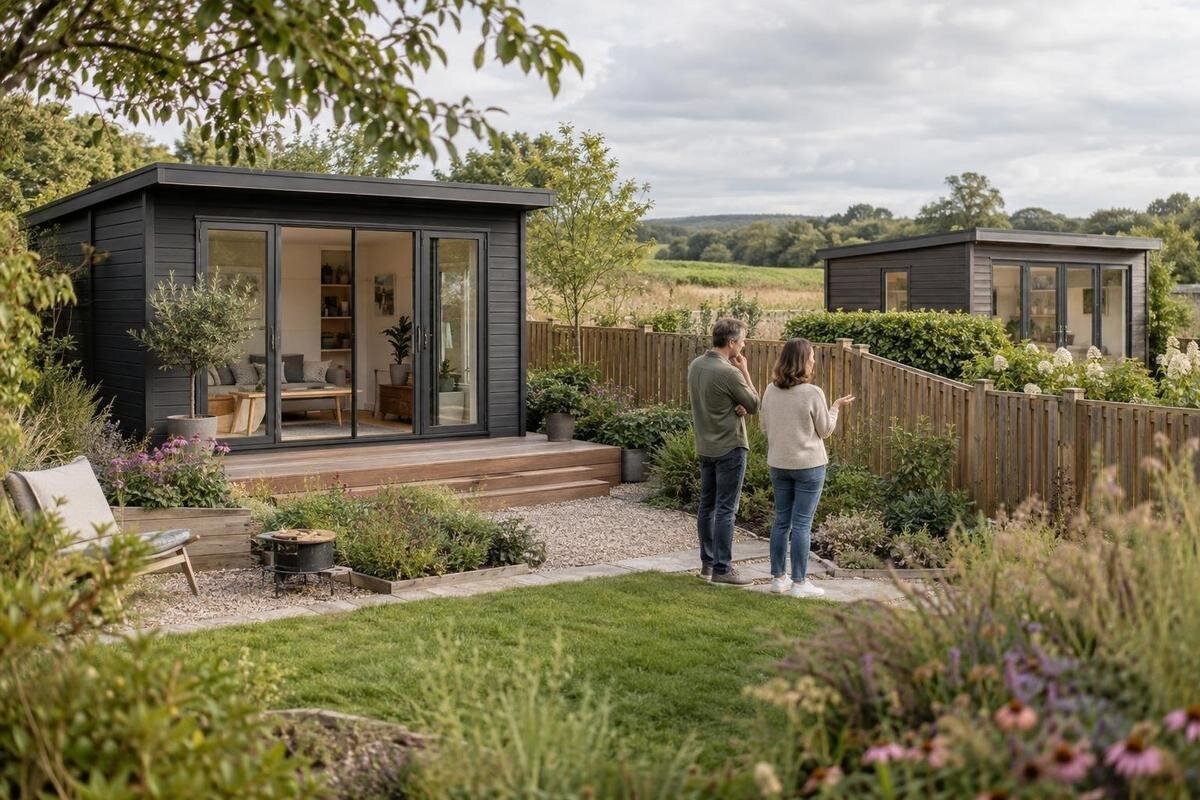
A garden shed in a shared garden is a group purchase, even when one person researches models and places the order. Before comparing products, establish who can approve a structure, what it will be used for, and how people will share access, costs and upkeep. Those decisions shape the type of garden house to consider, where it can go and what needs confirming before delivery. A written plan gives everyone a common reference and reduces the chance that a purchase creates conflict over space, keys or responsibility.
Identify who can approve the garden shed
First identify who has authority over the garden, not just who is likely to use the shed. A shared area might be managed by property owners, a landlord, a condominium or co-operative board, a community group, or another appointed manager. The governing agreement, lease or site rules may specify who can approve a structure or authorize spending. Do not assume that one enthusiastic resident, a simple majority or the person paying has the right to commit everyone. Ask the responsible owner or manager which approval route applies and who can give the final answer. If several groups share control, ask how their decisions fit together.
Make a short list of people who must be consulted and people whose formal consent is required; those are not always the same group. Include residents who depend on the garden’s paths or facilities, even if they will not help choose the model. Name one person to coordinate questions and keep a record of decisions, plus a backup if that person is away. Set a clear point when the group will review a proposal and a date by which unanswered questions must be resolved. Do not treat silence as approval unless the governing arrangement explicitly says so. This makes later supplier discussions more consistent.
Check property approval and group agreement separately
Treat permission to place a structure and agreement on how to share it as separate checks. Read the documents that govern the property and ask the owner, manager or association whether a shed is allowed and what conditions apply. Then confirm whether local municipal requirements or another review process may affect the proposal. The answer can depend on the site and intended use, so do not assume a small building is automatically exempt. Where a question turns on local rules, ask the relevant authority or a qualified professional rather than relying on a neighbour’s past project.
An early conversation can use a sketch, but final approval should identify the proposed product and location clearly enough that everyone knows what is being accepted. If a different model, entrance arrangement or use is later proposed, take the change back to the people whose approval matters instead of treating it as an automatic substitution. Keep written responses, conditions and the name of the decision-maker with the purchase file. Record any outstanding review as something to resolve before ordering; a verbal assurance may not clarify who is responsible if questions arise later.
Define the shared garden shed’s purpose
Write down the intended use before looking for a model. A shed for shared hand tools is a different brief from one meant to hold residents’ bicycles, seasonal furnishings, garden supplies or equipment used by a volunteer group. Decide which items are communal and whether any personal storage is allowed. If the garden house will be used for activities rather than storage, describe those activities separately and confirm that the site and product are suitable for that purpose; a product label alone does not establish permitted use. Consider items with particular storage requirements separately, and check the manufacturer’s guidance and applicable local advice. A clear brief can rule out unsuitable options early.
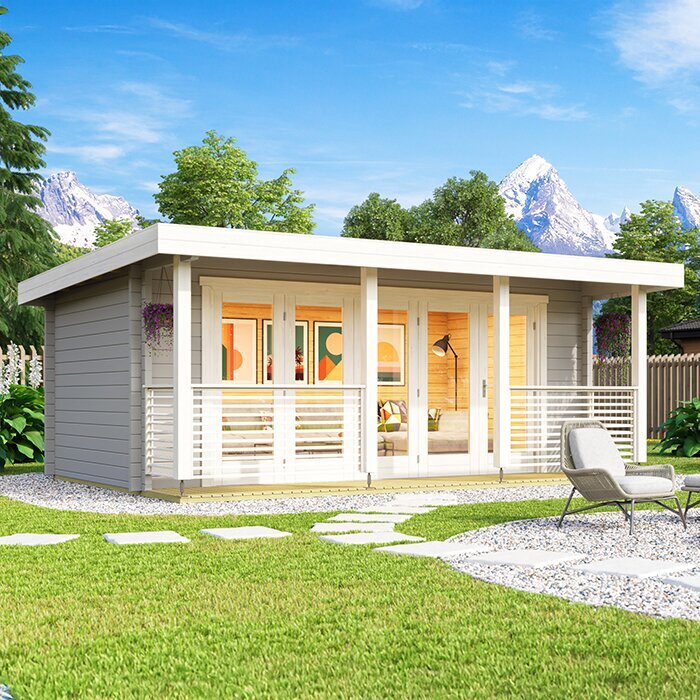
Turn the discussion into a short purchase brief: name the users, main contents, access frequency, items that need easy retrieval and functions that are essential rather than merely desirable. Note whether one shared interior or assigned areas will work better, and whether larger items must pass through the opening. Compare that brief with product information, not a photo or model name. For example, use the Verdana 1 garden house listing as a worksheet entry: copy only confirmed details and mark unanswered points for the supplier. That makes the page useful without treating a listing as proof of suitability.
Choose a location that keeps the garden usable
Choose the location around how the whole garden works. During a walk-through, notice the routes people use to reach beds, seating, shared taps, waste areas or other facilities, and whether a proposed structure would interrupt or monopolize a common route. Ask users who move carts, carry supplies or need a step-free route to comment before the group settles on a spot. Keep the discussion on daily circulation and shared access rather than choosing the first unused patch. An agreed location should remain practical for both the shed’s users and people who do not need to enter it.
Think about sightlines, noise, privacy and the garden’s other activities as well. A shed should not quietly take over space that residents use for planting, gathering or play without an explicit decision. Mark a tentative position on a simple site sketch, then check that the product’s doors, openings and overall footprint correspond to the plan. If comparing the Verdana 2 garden house listing, confirm its stated entrance arrangement and dimensions from the listing or supplier before treating the location as settled. A name or photograph cannot answer those questions. Let affected users review the same sketch so nobody is asked to approve a different arrangement later.
Plan delivery and assembly through shared areas
Delivery and assembly deserve their own approval because the route through a shared garden may be narrower or more sensitive than the proposed final site. Ask the seller or delivery provider how the order arrives, what needs to be accessible, who unloads it and whether packages must be moved from a vehicle drop-off point. Confirm that shared gates, corridors, driveways or common areas can be used for this purpose and who can authorize temporary access. Do not infer delivery or assembly arrangements from product photographs; get the relevant details in writing before committing. This matters if delivery could interrupt another resident’s routine or require staging on shared ground.
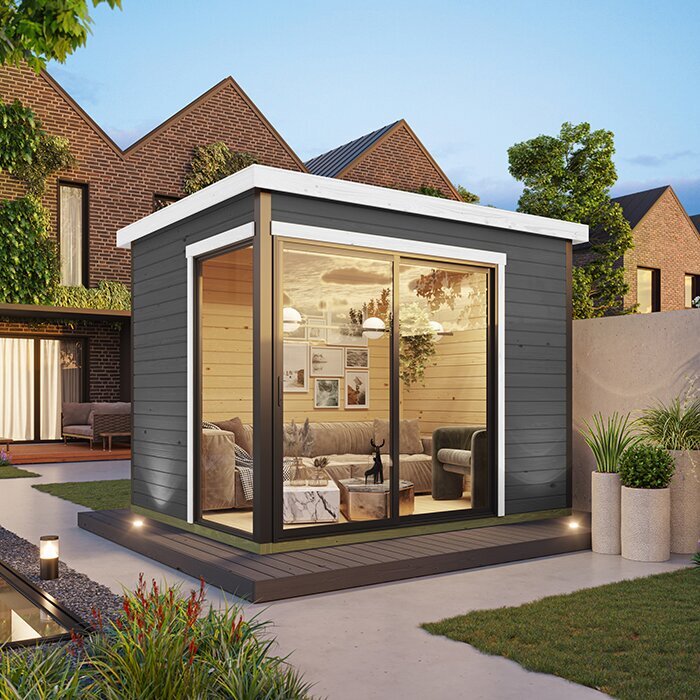
Find out what site preparation and assembly the manufacturer requires, what is included in the quoted order and what must be arranged separately. If the work could affect paving, drainage, utilities or a common structure, pause and ask the responsible manager or a qualified professional how to proceed; do not improvise from an online image. Use the Durano garden house listing as a page to audit: record the stated delivery, assembly and preparation information, then request answers for anything it leaves unclear. Assign someone to receive the order and report any damage or missing components.
Set clear rules for keys, access and stored items
Agree on access before purchase, not when the first key is handed over. List who needs routine entry, whether access is individual or shared, who may lend a key and how a new resident or volunteer is added. Decide whether use is open whenever the garden is open or scheduled for particular activities. If some contents are personal and others communal, set out how shelves or areas are allocated, how items are labelled and what happens when a user leaves. A simple written rule is more useful than relying on everyone to remember an informal conversation. Include a way for users to raise access problems.
Ask the supplier which locking or opening components are included and which are optional; do not assume the product title or image establishes the security arrangements. Then decide who holds spare keys, how a lost key is reported and who can approve changing access. The Veltor 1 product page can be checked against those questions like any candidate listing: verify the actual hardware and opening details before deciding whether the planned access system works. Avoid storing valuable, sensitive or specially handled items unless the group has confirmed appropriate controls and any relevant guidance.
Agree on ownership and the full cost
Set out ownership and money arrangements as part of the buying decision. Decide who will own the structure: a property owner, residents’ group, community organization or named contributors. Shared contributions do not, by themselves, explain who is responsible for the building later. Clarify what happens if a resident moves, the group changes, the site is sold or the structure is removed. Keep ownership of the shed distinct from ownership of tools and other stored contents. If the arrangement affects property rights or obligations, use the relevant governing documents and seek qualified advice where needed rather than relying on an informal promise.
Set a spending limit and name who can approve the purchase, extra delivery or assembly costs, site preparation and later repairs. Agree how contributions are divided, whether use affects each person’s share, and what happens if the proposal is not approved after a quote has been requested. Include recurring care costs, not only the initial product price. When comparing a candidate such as the Orello 1 listing, record its current quote separately from delivery, assembly and other project costs; the product listing alone is not a complete budget. Confirm figures and conditions directly before ordering.
Compare garden house listings by confirmed details
Compare products against the purchase brief using details that can be confirmed for each exact model. Useful points include exterior and interior measurements, door position and clear opening, window arrangement, materials and finish, roof details, required site preparation and the supplier’s assembly guidance. Not every point will matter equally: rank the non-negotiables first, then compare preferences. For anything that affects a shared route, intended contents or ongoing upkeep, ask for the manufacturer’s stated information rather than estimating from a picture. A candidate such as the Modano 1 product page belongs on the shortlist only after its stated details have been compared with the group’s needs.
Make a side-by-side record using the same units and definitions for every model. Separate facts provided by the manufacturer from questions still open, and note any optional items or components that carry extra cost. Ask how the quoted model is identified so the order matches the listing you reviewed; a product family may include variations. Check the written terms for what is supplied, what the buyer must arrange and how changes are handled. If information is missing or inconsistent, postpone the comparison until the supplier clarifies it. A product photo or headline price does not settle whether the shed will work for the group.
Assign upkeep and repair responsibilities
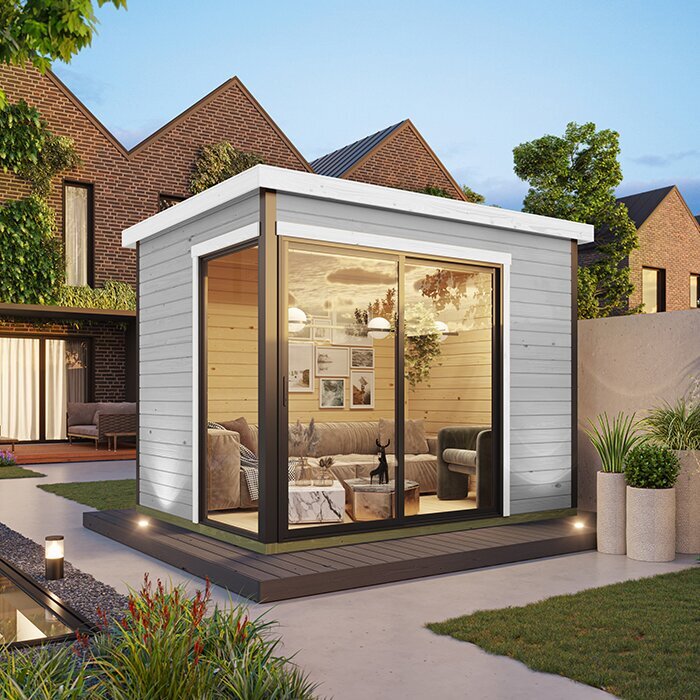
Plan upkeep while comparing products, because a shared structure creates work after delivery. Ask what care the manufacturer recommends for the exact model, which parts may need periodic attention and whether care depends on the selected finish or accessories. Do not infer maintenance needs from a broad product title. Assign a person or rota to handle routine checks, cleaning and minor repairs, and decide who reports a problem that needs a professional. For the Wooden Garden Shed M listing, copy the manufacturer’s care instructions into the group’s records rather than assuming them from the name.
Agree how paid work is approved and funded before it is needed. Set a threshold for a coordinator to arrange small expenses and a process for getting group approval for a larger repair or replacement. Store the receipt, manual, order details and supplier correspondence where authorized users can find them, while keeping personal information private. Decide how often the group will review the arrangement and whether responsibility rotates. A maintenance plan should not depend on one volunteer continuing indefinitely; name a replacement route so routine care does not stop when somebody moves or changes roles.
Record the decision before placing the order
Prepare one record that ties the shared decision to the exact product. Include the person or body approving it, intended use, chosen location, access rules, ownership, cost-sharing arrangement, delivery and assembly responsibilities, and upkeep plan. Attach the current product information, written answers from the supplier and any approval conditions. If an alternate model is being considered, list what would change and who must approve the substitution. A listing such as the Wooden Garden Shed S product page can be used as the final comparison entry; its name does not replace confirmation of exact specifications or order terms.
Have the authorized decision-makers review the final proposal before payment: exact model, current quote, included items, delivery arrangements and any unresolved conditions. Confirm that the location, route and timing work for people who share the garden, not only for the person accepting the shipment. Decide how users will be told when the shed is ready and where the agreed rules and records will be kept. If a crucial fact cannot be confirmed, pause the order and resolve it; buying first can leave the group with a structure nobody agreed how to use.
Frequently asked questions
Does every resident need to agree before a garden shed is ordered?
Not necessarily. The approval process depends on who owns or manages the property and what its lease, association documents or group rules require. Identify the person or body authorized to approve the structure, then consult anyone whose access or use would be affected. If the process is unclear, ask the property manager or a qualified adviser before ordering.
Who should own a garden shed purchased with shared funds?
Agree on ownership before anyone contributes money. The owner might be a property owner, residents’ group or community organization, depending on the arrangement. Keep ownership of the structure separate from ownership of the stored items, and record what happens if residents move or the group changes. Seek qualified advice if the arrangement affects property rights or obligations.
How can we avoid disagreements about stored items?
Agree on the shed’s purpose and who may store personal belongings before choosing a product. Set out how shared and personal items will be identified, whether areas are assigned and what happens when someone leaves. Name a person to handle questions or report abandoned items. Clear written rules are easier to apply than assumptions made after the shed is in use.
What should we confirm with a supplier before ordering for a shared garden?
Confirm the exact product’s dimensions, openings, included components and site-preparation requirements, along with delivery, unloading and assembly arrangements. Ask which details are missing from the listing and get important answers in writing. Check that the proposed route and delivery arrangements work for the shared property, and compare the full project costs rather than the product price alone.
Can we choose a garden shed before agreeing on its location?
You can make a provisional shortlist, but avoid placing an order until the group has agreed on a location and checked it against the exact product. The shed’s footprint, entrance arrangement, delivery route and intended use all need to work with the shared garden. If the product or location changes, revisit any approvals that depended on the original proposal.
A shared garden shed works best as a considered group purchase, not simply a product chosen by the person placing the order. Agree who can approve it, how people will use and access it, who owns and pays for it, and how upkeep will be handled. Then compare exact product details and delivery requirements with that agreement. If any of those decisions changes, revisit the plan before the order is finalized.
