
Buying a Garden Shed for Dining and Garden Parties
Garden shed buying guide
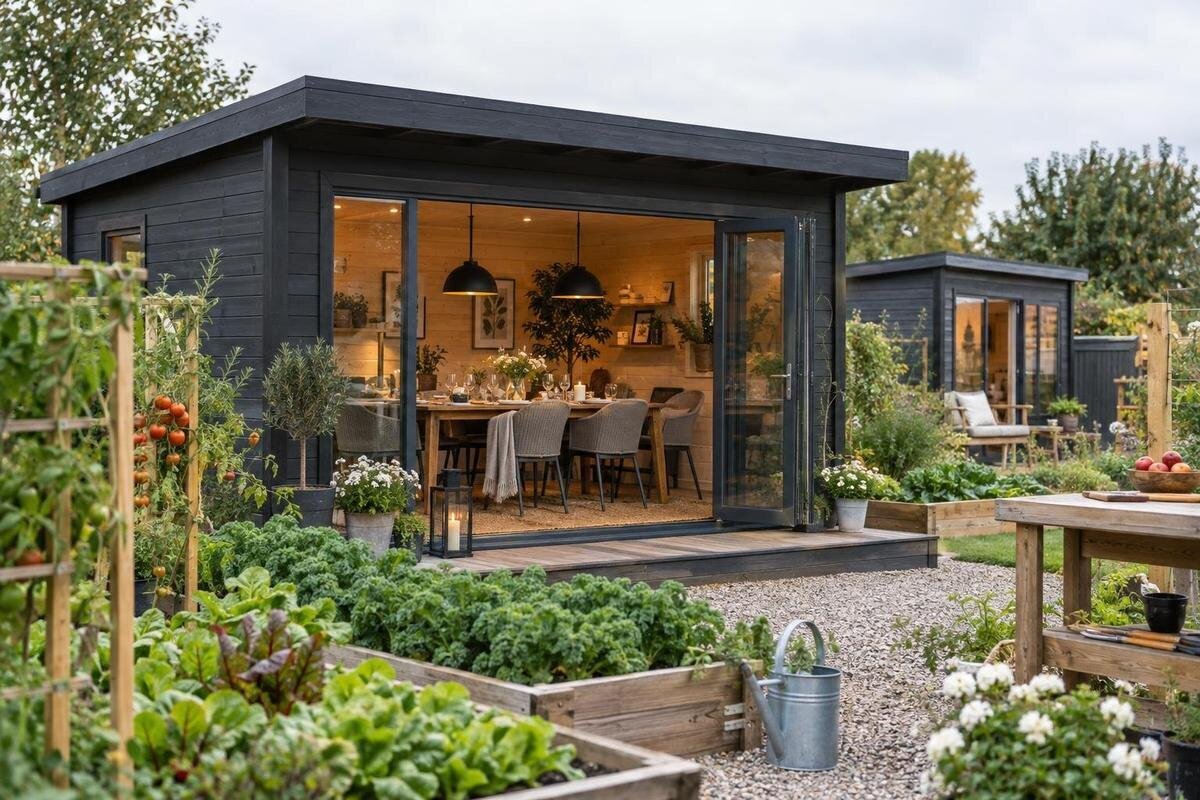
Buying a garden shed for dining and garden parties calls for a different checklist than choosing a place to store tools. The key question is not just how large the building looks; guests need room to sit, pull out chairs, reach food and move between the table and the entrance. Before comparing garden sheds, decide whether you want a casual outdoor dining spot, a more enclosed room or a flexible area for hosting. Then test the furniture layout, check the site and confirm what each product actually includes. These steps help you buy for the way you entertain rather than for a photo or a model name.
Define the gatherings the garden shed must support
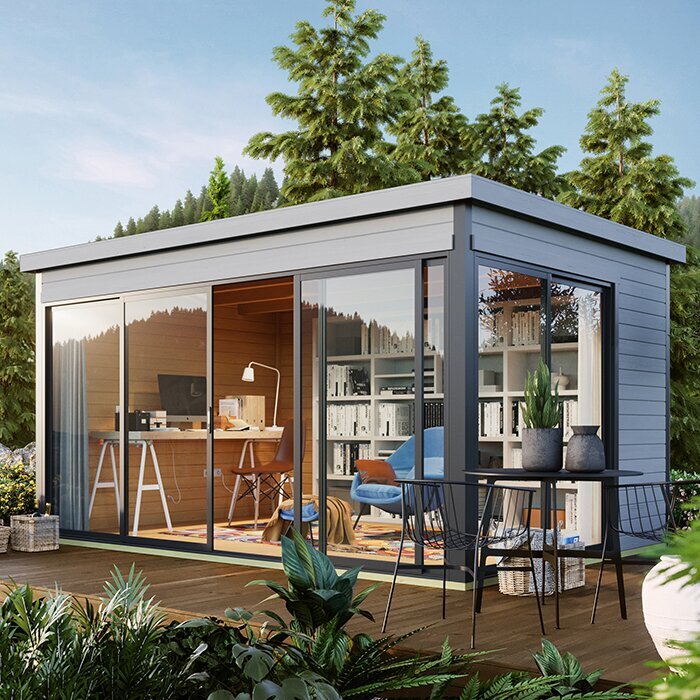
Begin by describing an ordinary meal and the busiest gathering you realistically want to host. Record how many people will sit at once, how often you entertain, whether guests eat a full meal or circulate with drinks and snacks, and whether the building will be used between events. Total invitations and simultaneous seating are not the same number: some guests may come and go at a party, while dinner requires every place to be available together. A seated meal puts more pressure on table and chair clearance; a casual party may call for smaller seating groups and more open floor. Set a practical upper limit rather than sizing for a rare event that would leave the room awkwardly large. If part of the group will dine outdoors, decide how many seats need to fit inside.
Clarify what kind of space you are buying. A covered outdoor dining area, an enclosed room for meals and a place intended for use in cooler shoulder seasons create different expectations. The category label garden shed or garden house does not tell you whether a particular building is intended for occupied dining, how it handles weather or what components it includes. Read the product details for its stated purpose and limitations, and ask for clarification where they are unclear. Treat the Verdana 1 garden house as an option to assess against those written details, not as evidence that it includes dining features. Decide, too, whether the dining space must stand alone or connect easily to an existing patio.
Measure the dining layout, not just the floor area
Measure the table you intend to use first, including its extended configuration if you routinely open it for guests. Add the space occupied by chairs when pulled out and enough room for people to sit down, stand up and pass behind occupied seats. Then mark where a serving surface, drink station or place for bags might go. A room that holds the table alone can still feel cramped once people are seated, so do not count every patch of floor as free space when chair backs or the entrance interrupt it. Check the actual chair arrangement, not just the tabletop; a useful seating count depends on the furniture and layout.
Re-create the arrangement outdoors with tape, cardboard or the actual furniture, and walk the route while carrying a serving tray. Try it with the full number of seats you expect, then note where someone must squeeze past or move a chair to reach the door. Compare the mock-up with published measurements, checking whether they describe the exterior or usable interior and whether walls, openings or fixed features reduce clear floor area. For the Verdana 2 garden house, use only the dimensions and layout shown in its product information; neither the name nor a photograph establishes usable dining space. If only a footprint is given, request an interior plan.
Plan guest movement around the table
Plan the route guests will take from the entrance to seats, food and the garden. If people will move between the house and a patio, avoid making everyone cross behind the busiest chairs; a separate serving point can keep the table from becoming a bottleneck. Decide whether the room will have one shared table, smaller seating groups, or a table plus standing room. Each arrangement uses the floor differently. Sketch the furniture at scale or mark it out, including a place for the host to set down dishes without blocking circulation. Consider where used plates will go as well as where food starts, so serving and clearing do not compete for the same narrow route.
Door placement and the way an opening operates can shape the layout as much as room size. Check the stated clear opening, threshold and operating space, plus where the doorway sits relative to chairs and serving furniture. Verify dimensions if you expect to carry trays, move a cart or accommodate a guest with specific access needs. Do not assume a product photo shows every configuration or that a wide-looking entrance will work for your route. When reviewing the Durano garden house, judge the actual plans and product details rather than attaching features to the model name. A party layout should still leave a clear route when chairs are occupied, not just when the room is empty. Ask about missing opening details before ordering.
Choose a site that works for dining and access
Map the proposed location against the house, kitchen, existing patio, trees and routes people already use. A short path for carrying food may matter more on a party day than a view from indoors, while a spot farther from the living area may give you a quieter gathering space. Visit the area at the times you expect to use it: sun, shade, views and wind exposure can change through the day and season. Consider privacy, where conversation may carry and how much of the existing garden you are willing to give up, including space for planting, play or other outdoor seating.
Check usable room around the building as well as its footprint. Guests need to approach the entrance, furniture needs a clear route in, and the path to the patio should not be squeezed into a leftover strip. Compare the site with the manufacturer's stated footprint and any preparation requirements, and confirm delivery and assembly access before ordering. Use the published information for the Veltor 1 garden house to test whether it could fit your chosen location; do not infer dimensions from its name or image. Ask your municipality and a qualified site professional about location, ground conditions or building requirements that may apply to your property. If the layout depends on a nearby tree, fence or existing structure, check that relationship before committing.
Balance openness, shelter and privacy
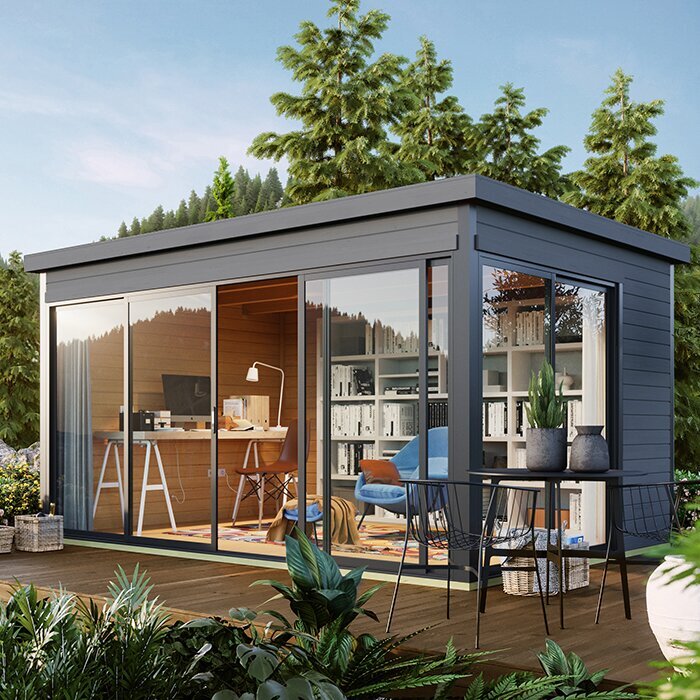
Decide how much shelter and separation you want during meals. A more open arrangement can keep the garden in view and make it easy to move in and out, but it may offer less protection from insects, wind or rain than a more enclosed design; the result depends on the product and any specified openings or accessories. An enclosed room can feel separate from the patio, yet it calls for attention to ventilation, views and guest movement. Compare these trade-offs against your usual gatherings, not an idealized party-day photo. Consider whether you want to feel connected to the garden or set apart from weather and nearby activity.
Check whether windows, screens, doors or other options are included, optional or unavailable, and whether their position suits the table. Consider how guests will see outside, whether afternoon sun may fall directly on seats, and how much privacy you want from nearby yards. If glazing or ventilation matters, look for explicit details rather than assuming a product image confirms it. Use Orello 1 as a listing to examine in that way: the name alone does not establish its door arrangement, glazing, ventilation or suitability for dining. Ask for confirmation before ordering if a feature affects your layout, and confirm that any pictured accessory is part of the order. Also check whether the openings you want can be used as planned without obstructing furniture or the route through the room.
Set realistic expectations for weather and upkeep
Being enclosed does not automatically make a garden house comfortable in every season. If you hope to use it in spring or fall, check the manufacturer's stated conditions of use, the information provided about construction and ventilation, and any limits for weather exposure. Do not treat the general category as proof of insulation, heating capability or resistance to the conditions at your site. For a location subject to demanding wind, snow or other exposure, ask the manufacturer and, where appropriate, a qualified professional whether the product and planned installation are suited to it; do not make assumptions from appearance. Choose a realistic season of use rather than planning around an unverified promise of year-round comfort.
Make an upkeep plan based on the materials and finish actually specified for the product. Find out what routine care is expected, whether any components need periodic attention, and what space is needed to reach them; include that effort in your decision if you host only occasionally. If you plan to add lighting, outlets, heating or plumbing, treat each as a separate feasibility question, not a standard feature. Confirm local requirements and have the relevant work assessed by qualified professionals before ordering a structure whose design or placement may not support those additions. Assess the Modano 1 garden house from its own product details, including any stated care and use guidance, rather than assuming performance from its name.
Keep party supplies out of the guest route
Decide what needs to stay inside between gatherings: extra chairs, cushions, serving dishes, table linens, outdoor tableware or seasonal accessories. Show where each item will go without blocking the entrance, narrowing the chair-clearance zone or forcing supplies onto the dining table. If shelving or a cabinet is important, confirm whether it is included and whether the proposed position leaves room for guests. Storage conditions matter too: do not assume that a basic garden shed keeps every stored item dry or at a particular temperature. Check the building's stated limitations and store only items suited to those conditions. If the footprint is limited, decide which supplies can be kept elsewhere before finalizing the seating plan.
Some buyers may prefer a separate building so the dining area stays ready for guests. If that is your plan, compare the stated purpose and measurements for a separate listing such as the Wooden Garden Shed M, but do not count it as extra dining space or assume it is suitable for party supplies without confirming the product details. Work out how far you are willing to carry chairs or serving items, and whether the extra building adds a practical benefit rather than another structure to maintain. If you want guests to use both spaces during an event, think through the route between them and keep the path from the dining table clear. Keep the primary purchase aligned with the way you will actually host.
Review product and order details before committing
Read the full product page for facts that affect the dining layout: dimensions where provided, openings, included components, available configurations, stated purpose, materials or finish, care guidance and limitations. Check whether shown floors, glazing, doors or accessories are included or only illustrated. A model name and gallery image identify a product, but are not a substitute for written specifications. If a key answer would change the table plan or suitability for occupied dining, get clarification before ordering. Compare each candidate against the same list so an attractive image does not distract from missing details.
Then review what the purchase process requires: whether the product arrives as a kit, expected assembly, site preparation, delivery access and any separately ordered components. Confirm these points from the current listing or seller rather than assuming they are standard across garden houses. For example, the Wooden Garden Shed S listing should be judged only by its stated ordering information; the letter in its name cannot tell you its dimensions, contents or suitability for meals. Keep a copy of the details you relied on, and make sure the intended use is not excluded by a stated limitation. Resolve unclear delivery or assembly arrangements before making a final comparison.
Consider comfort and access for every guest
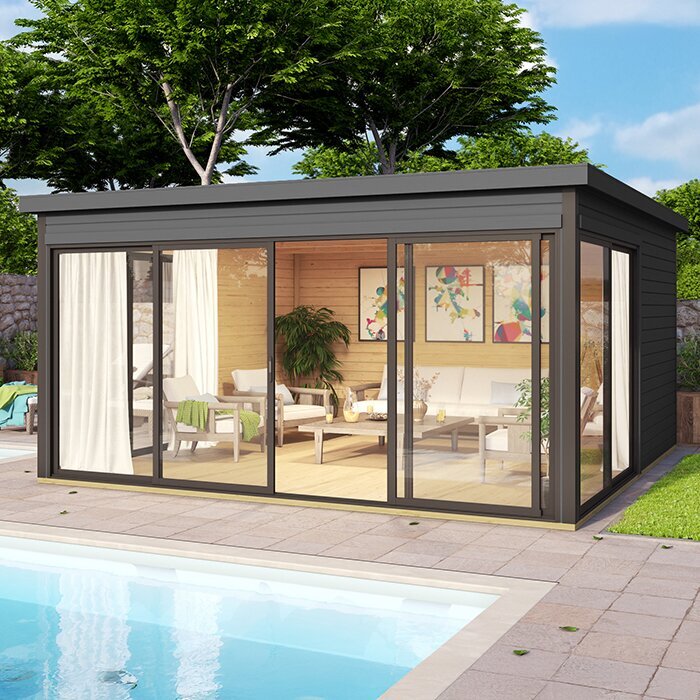
Walk through the room with the likely users in mind, not just the furniture. Check that guests can reach seats and leave without weaving through a crowded serving point, that the entrance and route from the house are manageable for people carrying food, and that bags or coats will not narrow the passage. If children will attend, choose a layout that keeps the route to the garden clear rather than placing chairs across it. If guests have specific mobility needs, compare openings, thresholds and clearances with those needs before choosing; do not assume a small step or narrow entry will be acceptable. Where a requirement is essential, confirm exact dimensions rather than judging from photos.
Pay attention to the conditions that affect a long meal: glare, airflow, privacy, noise and the effort of moving furniture in and out. Try the intended table-and-chair arrangement at the site, and consider whether the patio remains usable when the building is full. For built-in lighting, electrical service, heat, plumbing or a cooking area, check feasibility, municipal requirements and qualified-professional advice before purchase; do not assume a product can accept upgrades because it resembles a small room. These questions matter if you expect the garden house to host more than occasional outdoor meals, and they are easier to address before placing the order than after the layout is fixed.
Compare the full project before choosing
Compare the overall project, not only the building. Depending on what the listing includes and what the site requires, you may also need to plan for site preparation, delivery access, assembly, furniture, storage, lighting or other work. These are planning categories, not guaranteed charges; request current details and make your own comparison. A lower building price would not make a good fit if the layout cannot accommodate your table, while a larger model may be poor value if you will rarely use its extra room. Include upkeep and the time spent preparing the space before a party as part of the decision.
Use a written comparison for each candidate: intended use, verified usable space, seating layout, entrance and movement, openness, site fit, seasonal expectations, care, included items and unanswered questions. Give the greatest weight to factors that affect every gathering, such as comfortable chair movement and a clear serving route, rather than a feature you may never use. If your plans could change, note which future uses matter and which are only possibilities; avoid paying for unverified requirements. If a key specification remains unclear, pause the purchase until you can confirm it. The best garden shed for dining and parties is the one whose documented details, layout and ongoing demands fit the way you host—not simply the one that looks most spacious in a photograph.
Frequently asked questions
How do I work out the right size for dining?
Measure the table you will use, including any extension, then allow for occupied chairs, a route to the entrance and a place to serve food. Mock up the arrangement with tape or furniture and walk through it with the chairs pulled out. Compare it with usable interior dimensions, not just the exterior footprint. If those measurements are not listed, ask before choosing.
Can any garden shed be used for dining?
No. A category label or attractive image does not establish that a building is intended for occupied meals, what it includes or how it handles conditions at your site. Check the stated purpose, layout, materials, openings and use limitations. If the product information does not confirm something essential to your plan, request clarification before ordering.
Is an enclosed garden shed better for parties?
Not automatically. An enclosed space may feel more separate from the garden, while a more open layout can make it easier to move between the building and the yard. The right balance depends on your usual weather, privacy needs, airflow and how guests will move. Verify the product's actual openings and options rather than inferring them from a photo.
Should I check local requirements before ordering?
Yes. Requirements can depend on the property, building and intended use, and they vary by location. Ask your municipality what applies to your planned location and use, and consult qualified professionals about site conditions or proposed services. Do this before purchase if the answer could change where the building goes or whether it suits your plans.
Can the building also store party supplies?
Possibly, if storage leaves enough room for guests and the product's stated conditions suit the items you plan to keep there. Map shelves or stored chairs before finalizing the table layout, and check whether storage fittings are included. If supplies need more protection than the building specifies, plan separate storage rather than assuming the dining space is suitable.
A successful garden-party room is one that still works when chairs are occupied, food is being served and guests are arriving from the yard. That makes usable space, the entrance layout and the relationship to your patio and home more important than a simple footprint comparison. Match the building's documented purpose, season of use and maintenance demands to your plans, then include furniture, storage and site work in the overall decision. With those priorities settled before ordering, you can compare garden sheds by how they support real meals and gatherings—not by assumptions drawn from a model name or product photo.
