
Buying a Garden Shed Direct from a Manufacturer
Garden shed buying guide
Buying a garden shed directly from a manufacturer can give you a direct route for product questions, but the phrase alone does not tell you who accepts the order, what the price includes or who handles a problem. Compare the building against your yard and storage needs, then confirm the seller, delivery, assembly and warranty terms in writing before you pay.
Before you buy 1
Verify who is selling and who is manufacturing the shed
A shed sold under a brand name is not necessarily sold by the company that built it. A manufacturer may accept orders itself, while a dealer or retailer may sell its products. Before treating an offer as direct, identify the business that will take payment and appear on the order confirmation or invoice; ask whether it makes the shed or is selling it on another company’s behalf. The brand, website operator, payment recipient, shipper and manufacturer can be separate parties. The name at the top of a product page, by itself, does not establish who is responsible for the sale. If the seller’s name differs from the manufacturer’s, ask what role each one plays and who stands behind the product information.
Check the seller’s full business name and contact details, then ask who will answer questions about specifications, approve changes, coordinate delivery and handle a claim. If a retailer or agent is involved, request a written explanation of which company issues the invoice and which provides any manufacturer warranty. A direct line to the maker can make technical questions easier to resolve, but it does not guarantee a lower price, shorter wait or broader support. If a third party appears during checkout, ask whether it only processes payment or is the actual seller. Judge the arrangement by named responsibilities and written terms rather than the phrase factory-direct. Record the right contact for each stage if different teams handle sales, shipping and after-sales service.
Match the shed to its intended storage use
Write down what the shed needs to hold before comparing model names. A lawn mower, long-handled tools, bikes, bins and seasonal furniture have different widths, heights and access needs; measure the largest items and note which will be stored together. Decide whether you need room for shelving or a work surface, too, but distinguish that future preference from a must-have. A catalogue description such as storage shed is not a capacity figure, so judge usable space against the objects and routine you actually have. Consider how often you will retrieve each item: space for equipment is less helpful if you must shift a stack of boxes every time you use it. Separating current needs from possible future uses can also help you compare models without paying for space you do not need.
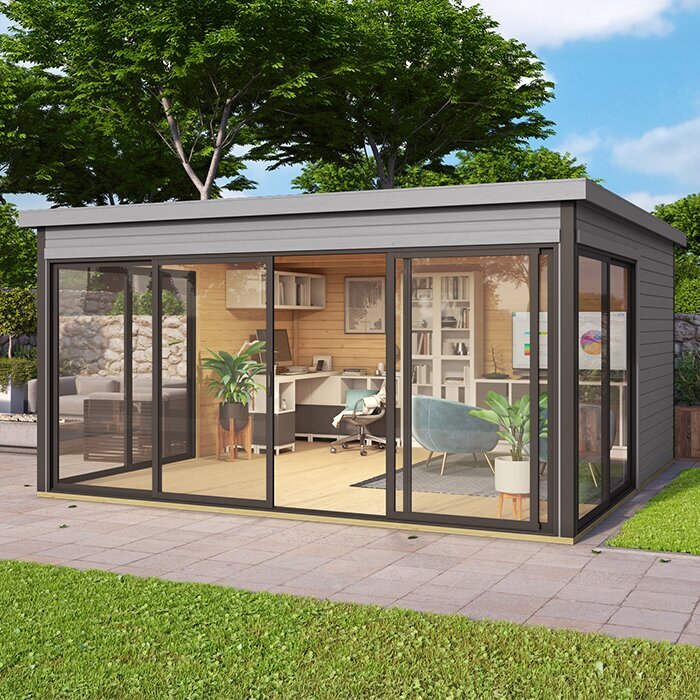
Check the proposed spot as well as the storage list. Mark the shed’s outside footprint on the ground, including any projections the manufacturer shows, and account for the route to the entrance, door operation and room to carry bulky items in and out. For each candidate, copy the dimensions exactly as stated; when using the Verdana 1 garden house listing, ask whether a figure describes the interior, exterior walls or roof edge if the page does not say. A shed that fits the lawn but blocks a gate or leaves little room to retrieve equipment may not solve the storage problem. Review any local property or placement requirements relevant to your site before committing to a location.
Before you buy 2
Compare dimensions on the same basis
Do not compare measurements until you know what each one represents. A footprint can refer to the base, wall line or roof projection, while usable interior dimensions are smaller than the full outside size. Ask for a drawing or written specification that identifies overall width and depth, any overhang, wall height and peak height, plus the clear opening of the doorway. That distinction matters if you need to move a mower, bins or furniture through the entrance; a roomy floor plan is of limited use if the opening is too narrow. Have the seller state the units and measurement points, especially when listings mix metric and imperial figures. If a drawing is provided, confirm its orientation and which dimensions correspond to the selected version.
Use one unit system for your comparison and convert only after checking that the source figures are clear; rounding can disguise a tight fit. Measure the site and access route, not just the rectangle where the shed will sit: gates, turns, trees and nearby structures can restrict delivery or later use. Record the dimensions that matter and ask the seller to confirm any point that affects fit. The Garden House Verdana 2 product page can be one row in that comparison, but do not fill gaps with estimates based on a photo or model name. A dimension absent from the written details remains unresolved, not a reason to assume the shed fits.
Read material and finish descriptions carefully
Product labels such as modern, premium or solid wood do not replace a material specification. Ask what the main structure, floor and roof are made from, which parts are included, and whether any surface is factory-treated, sealed, painted or left for the buyer to finish. If a description uses a broad term such as wood, request the species or product type where that affects your choice, along with any stated thickness or treatment details. Ask whether material descriptions apply to every component or only to part of the structure. Compare like with like, and avoid treating a photograph or colour swatch as a promise of an exact finish. If a particular look matters, confirm whether the pictured colour or finish is standard or optional.
For an outdoor building, ask the manufacturer what exposure and maintenance the stated materials are intended for, and whether care instructions or periodic refinishing apply. Do not assume a general garden-shed label establishes performance for a particular site or weather exposure; rely on written product limits and seek a qualified professional’s input where structural or site suitability is uncertain. When reviewing the Durano garden house listing, record only the material and finish details it explicitly provides, then request missing points in writing. Material choices can affect future upkeep, so ask what maintenance the maker expects for the actual product rather than relying on generic wood-care advice.
Before you buy 3
Confirm what the quoted model includes
Ask for a clear list of what arrives with the shed and what is priced separately. Depending on the offer, items to confirm may include the floor, roofing, fasteners, doors or glazing, a lock, surface treatment, assembly instructions and finishing pieces. This is a list of questions, not an assumption that every model includes those parts. Check whether the selected configuration is a standard version, an option or a custom change, and make sure the quote uses the exact model or variant you intend to order. If the listing shows an accessory, do not assume it is included unless the written description says so. Confirm whether any required hardware or finishing materials need to be sourced separately.
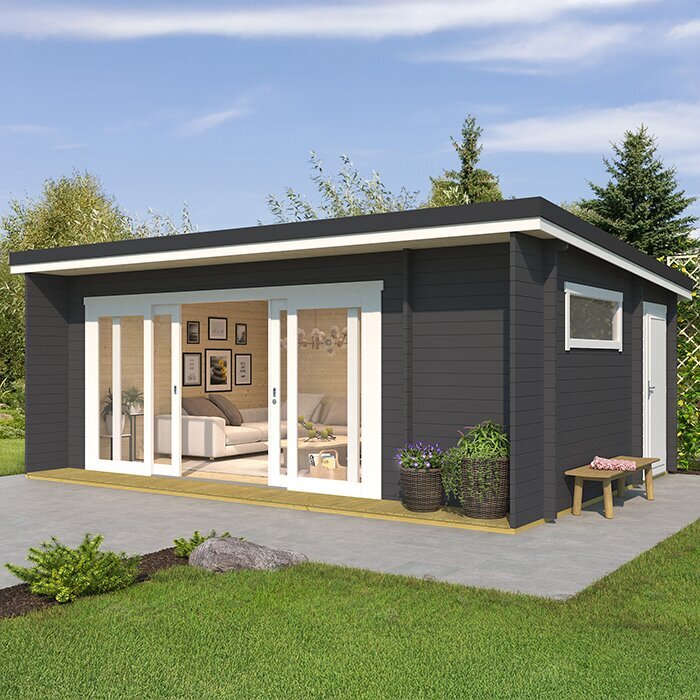
Make a simple inclusion-and-exclusion schedule before comparing quotes: required item, included or extra, and confirmed cost. Ask how substitutions or custom requests are documented, whether they affect dimensions or component compatibility, and whether they change delivery or assembly arrangements. Keep any drawing or option list attached to the quote so the seller and manufacturer are referring to the same version. For example, use the Veltor 1 product page to identify the item you are considering, then have the seller confirm the actual package and options in the order documents instead of relying on a thumbnail or shorthand name. This is particularly useful if a quote is revised after a phone conversation.
Compare the complete price and payment terms
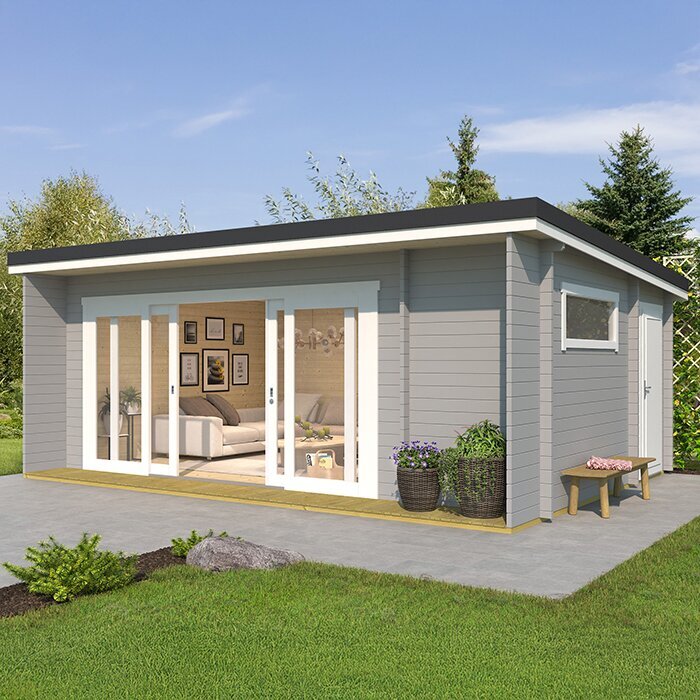
Compare the complete amount for the same specification, not the largest price printed beside a product. Ask for an itemized quote showing the shed, selected options, delivery to your postal code, unloading if offered, assembly if offered, and applicable taxes or other charges. Check the currency and whether site-related services or required components are included or separate. A lower starting figure may simply describe a narrower package; it is not a fair comparison until both quotes cover the items you need. Use the Orello 1 garden house listing to identify the listing under discussion, but request the final amount in a dated quote for your address. If the quote is revised, compare the new total with the earlier version rather than relying on a verbal summary.
Read the payment terms before placing an order: deposit amount, when the balance is due, accepted payment methods, quote expiry, and how changes, cancellation or refunds are handled. Do not assume a direct purchase means a discount, or that a verbal statement overrides the written quote. If the estimate can change after site review or freight confirmation, ask which items remain provisional, who will confirm them and when you must approve the revised total. Compare offers using the same delivery address and service scope; also ask whether access restrictions or a missed delivery could add charges. Keep the final version that records what you agreed to pay and when each payment is due.
Before you buy 4
Clarify delivery, unloading and receiving
Delivery needs a definition. Ask which company arranges transport, where the carrier will leave the shipment, whether unloading is part of the service and what equipment or access the buyer must provide. Delivery to a driveway, a drop at the curb and placement at the intended site are different scopes; do not assume one from the word delivery. Give the seller the actual postal code and describe relevant access limits, such as a narrow entrance, steep approach or restricted vehicle access, then get confirmation of what the carrier can accommodate. Ask whether the shed will arrive in one shipment or several, and how you will be notified. If someone must be present to receive it, clarify that before choosing a delivery date.
Ask how the estimated timing is communicated, who updates you if it changes and what you are expected to do when the shipment arrives. Confirm the process for checking the order against its paperwork and reporting visible damage or missing parts, including whom to contact and any stated reporting period. Ask whether a specific delivery date is confirmed or only an estimate, and how much notice the carrier will provide. The Modano 1 product page identifies the listing to discuss; it does not, by itself, establish unloading or arrival arrangements. Put the confirmed delivery scope, contact and site-access conditions into the quote or order confirmation so the manufacturer and carrier have the same instructions.
Separate the shed purchase from assembly and site preparation
Buying from the maker does not automatically mean the shed will arrive assembled or be installed. Confirm whether the product is supplied as a kit, as preassembled sections or in another form, and whether assembly is available through the seller, manufacturer or a separate contractor. If installation is offered, ask what work it covers and what it excludes; do not treat the product price as an installation quote unless the quote says so. The Wooden Garden Shed M listing is an item to check, not evidence that assembly is included. Keep the scope attached to the selected model, including who supplies the labour, materials and any finishing work. Ask whether instructions are included and who handles product questions if a separate installer does the work.
Ask for site-readiness requirements before scheduling delivery or work: what base is required, what dimensions and condition it must meet, whether levelling or other preparation is expected, and what clear space installers need. A manufacturer can state product-specific requirements, but that information is not a substitute for assessing local ground or designing a base; consult a qualified contractor or installer where needed. Clarify who is responsible if the site is not ready and whether a return visit or extra work would be charged. Make sure any site drawing or instruction applies to the selected model rather than a generic example. These checks prevent a gap between the product order and the work your site actually needs.
Before you buy 5
Get warranty and after-sales support in writing
Request the complete warranty or guarantee terms before paying, rather than relying on a general promise of manufacturer support. Confirm which company provides the coverage, when it begins, what parts or defects it covers, its duration, and what exclusions or maintenance conditions apply. Ask how to submit a claim, what documents or photographs are needed, who decides the next steps and whether replacement parts or transport are handled separately. A product made by a manufacturer does not automatically mean that manufacturer is the only contact for after-sales service, so identify both the seller and the warranty contact. If a written policy is not available before purchase, ask when it will be supplied and which document sets out the terms.
Check whether a third-party installer, a particular site condition or failure to follow care instructions changes the stated coverage; ask for the relevant wording rather than guessing. Keep the invoice, final specification, care and assembly instructions, and correspondence together, so you can identify exactly what was supplied if a question arises. For the Wooden Garden Shed S page, locate the product-specific warranty information or request it separately if it is not presented clearly. Also ask whether a claim goes to the seller or manufacturer, and who coordinates it if they are different businesses. A written process, contact address and stated requirements are more useful than an unqualified assurance that help is available.
Check the order confirmation against the final quote
Before paying, compare the final order confirmation with the agreed quote line by line. It should identify the seller, exact model and chosen version, dimensions or specification, included parts and options, total and currency, delivery address and service, any assembly scope, and the applicable warranty terms. Confirm any stated schedule and note which details are estimates rather than commitments. If the order uses a short product name, ask that the selected variant or option list be attached so there is no ambiguity about what the name refers to. Do not approve a document that omits a point central to your decision; have it corrected before the order is accepted.
Resolve mismatches in writing before payment or before a non-refundable commitment is made, according to the terms offered; do not rely on an informal assurance that a document will be corrected later. Save the quote, product specification, drawings, emails and confirmation in one place, and keep a record of any approved change, including its date. A direct purchase is easiest to assess when you can trace who sold the shed, what configuration was agreed and who is responsible at each stage. If a technical answer or term remains unclear, ask for a precise written answer and update the comparison before choosing.
Frequently asked questions
How can I tell whether I’m buying directly from the manufacturer?
Check which business is named as the seller on the quote, checkout and order confirmation, then ask whether that business also makes the shed. If a dealer or other company is involved, clarify who takes payment, handles product questions and provides any warranty support.
Does buying a garden shed directly from the manufacturer mean it will cost less?
Not necessarily. Compare itemized quotes for the same model, options, delivery address and service scope. Include applicable taxes, delivery, unloading, assembly and any required extras before comparing totals; the words direct from the manufacturer do not establish a discount.
Which dimensions should I confirm before ordering?
Ask for overall width and depth, interior dimensions, height, any roof projections and the clear doorway opening. Confirm what each measurement refers to and whether it is given in metric or imperial units. Compare those figures with both your storage items and the proposed site.
Does a direct purchase include delivery and assembly?
The sales relationship does not define those services. Ask where delivery ends, whether unloading is included, how the shed is supplied and whether assembly is offered separately. Get the responsible company and any site-preparation requirements in writing.
What should I have in writing before I pay?
Keep the seller’s identity, exact model and options, itemized total, delivery scope, assembly responsibilities, payment and change terms, schedule and warranty information with the final order confirmation. Resolve missing or conflicting details before committing.
A direct-from-manufacturer order is worth considering when the seller’s identity, the shed’s documented fit and the full purchase terms are clear. Compare quotes on the same basis, including the chosen configuration, total charges, delivery and assembly responsibilities, and warranty support. If an important detail is still only verbal or remains unspecified, resolve it before you commit; that leaves you with a specific order to approve, not just a manufacturer label.
