
Buying a Modern Garden Shed with a Flat Roof
Garden shed buying guide
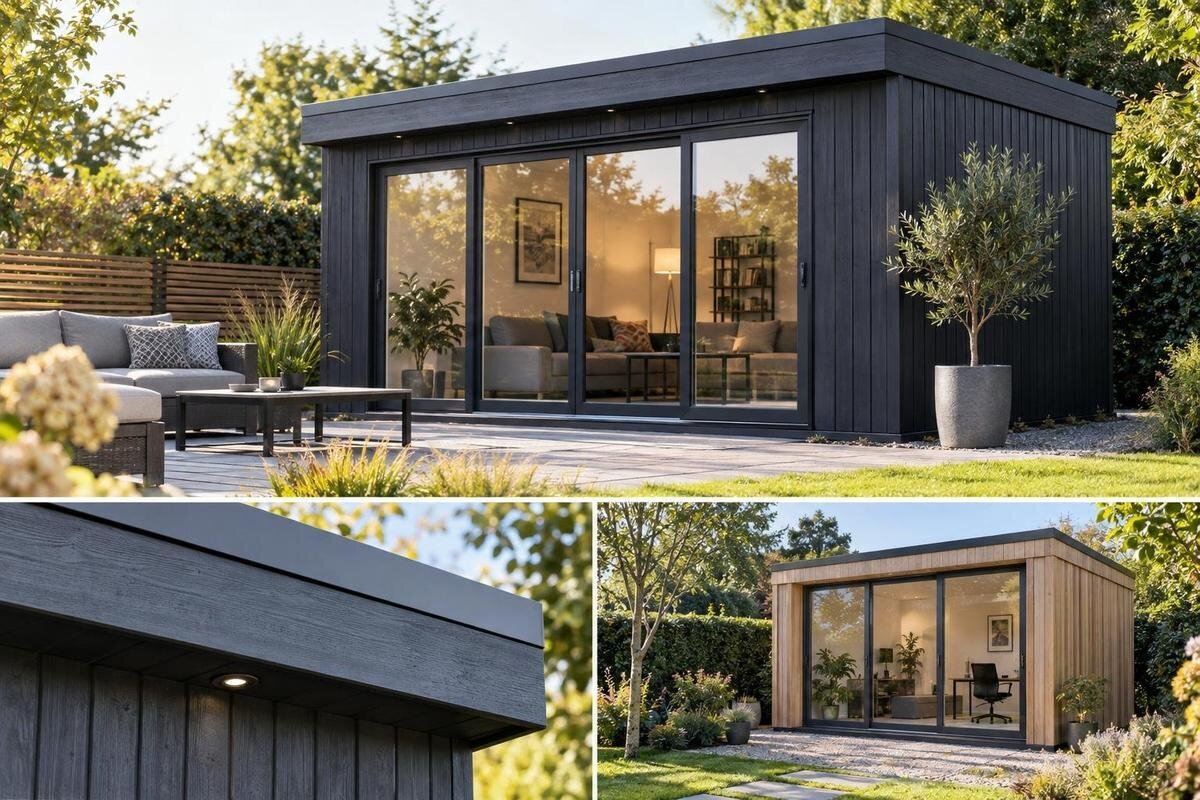
Buying a modern garden shed with a flat roof starts with more than choosing a clean-lined shape. The shed has to work for the items or activities you have in mind, fit the yard and come with specifications that address the actual site. Photos can help you compare appearance, but they cannot confirm roof drainage, dimensions, load limits or what is included. Use this guide to compare the details that affect a purchase before you place an order.
Choose the shed for its main use
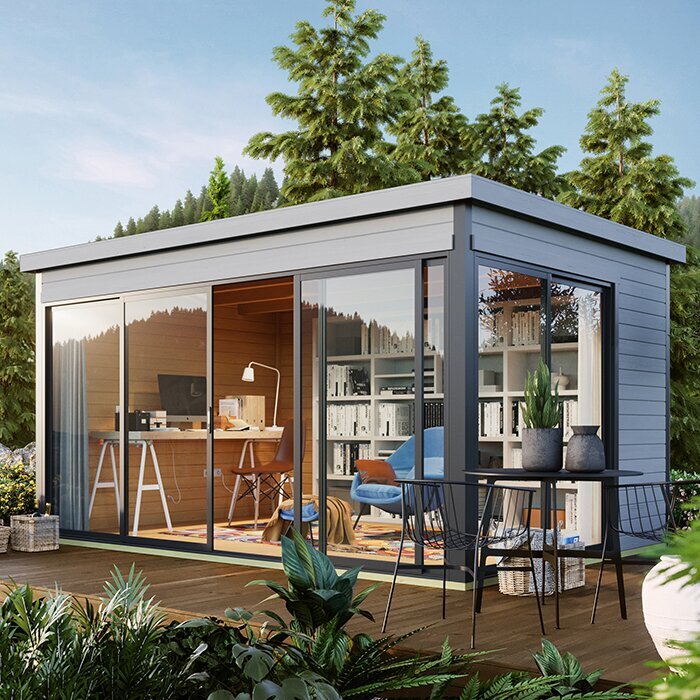
List the tasks the shed needs to support before comparing designs. Storing garden tools and seasonal items calls for a different layout from using the space as a hobby room, potting area or occasional retreat. Note the largest objects, whether they need to stay upright and how often you will retrieve them. If the shed will have several roles, decide which matters most; a broad wish list can make it easy to choose a floor area that looks generous on paper but does not solve the everyday access problem. Also decide whether you need open floor space, shelves, a work surface or a clear route from the entrance to the back wall. These choices affect usable interior space more than exterior styling does.
Separate confirmed facts from assumptions while reviewing each candidate. A model name such as Verdana 1 garden house identifies a listing; it does not establish the roof shape, dimensions or suitability for a particular activity. Look for published external and internal measurements, the entrance’s clear width and details about any included floor or fittings. If the intended use involves frequent occupancy, equipment or stored materials that need particular conditions, ask what the structure is designed to support and what is not included. Do not treat a photograph showing furniture, shelving or a finished interior as proof that those items come with the shed.
Measure the footprint and the route to it
Measure the intended spot, then compare it with the shed’s overall footprint rather than relying on a name or a product image. Record the available width and depth, including space needed to reach the doors and maintain the exterior. Check whether published dimensions refer to the walls, roof overhang or a base; these measurements can differ. Compare the internal floor dimensions too, because the usable space may be smaller than the footprint. A sketch showing the house, fences, paths, trees and existing equipment can reveal conflicts a single measurement misses. If the yard is sloped or uneven, ask how the manufacturer’s siting requirements apply instead of assuming the roof style resolves the issue.
Map the route from the delivery point to the final location as well as the shed’s footprint. Gates, turns, steps, narrow paths and overhead obstructions can affect whether components can reach the site and how assembly can be carried out. Once available, compare package dimensions or the largest component with the route’s narrowest point; assembled dimensions do not tell you what arrives at the property. A Verdana 2 garden house listing can be compared against your measurements once its stated dimensions and access information are clear. Remember to allow space to open the doors and move stored equipment in and out, not just enough room for the walls.
Check what the flat roof actually looks like
“Flat roof” is a visual description, not a complete roof specification. Some designs have a slight slope that is hard to see from the front, while others may use a different profile. Check the roof section or ask the seller how the surface is formed. Confirm where rainwater is meant to run, whether an edge, gutter or other drainage component is included, and what maintenance access the design requires. A photo taken from one angle may conceal the slope, drainage details or roof overhang. Do not read a level-looking line in a rendering as evidence of how water will drain, or assume that a particular drainage arrangement is part of the purchase.
If a listing does not make the details clear, request a drawing and a written description of the roof covering, finish and drainage provisions. Clarify whether the covering is supplied, whether anything must be purchased separately and what preparation or installation work is expected. Treat the Durano garden house page like any other product page: check the information for the exact model rather than inferring its roof profile from the name or photos. This matters when you are buying specifically for a flat-roof appearance, since an illustration may show a general concept rather than the configuration delivered. Keep the seller’s answer with the quote so the roof design and stated inclusions are clear before you order.
Confirm weather performance for your location
Canada covers a wide range of weather conditions, so there is no single roof-capacity or exposure assumption that suits every yard. Before buying, ask for the model-specific limits for snow, wind and other relevant loads, and whether they apply to your intended installation and site exposure. A low-profile roof can look clean, but appearance alone cannot show how it performs under wet snow, drifting, ice or strong gusts. Do not estimate capacity from a product photo or a general rule found elsewhere. If the required ratings or design conditions are not stated, request them from the manufacturer or seller before treating the shed as a match.
Consider drainage and the site together. Ask how the roof directs runoff, where the water is meant to go, and whether the manufacturer’s instructions call for gutters or other components. Then consider whether that arrangement works with the yard’s slope and nearby structures. Keep the maker’s maintenance guidance in mind if debris, overhanging branches or winter conditions could affect the roof. The Veltor 1 listing should not be judged suitable for snow or wind based on style or imagery; request information for that exact model and installation. If exposure raises questions, ask a qualified building professional to review the site and documentation rather than trying to calculate a load yourself.
Compare materials, finishes and upkeep
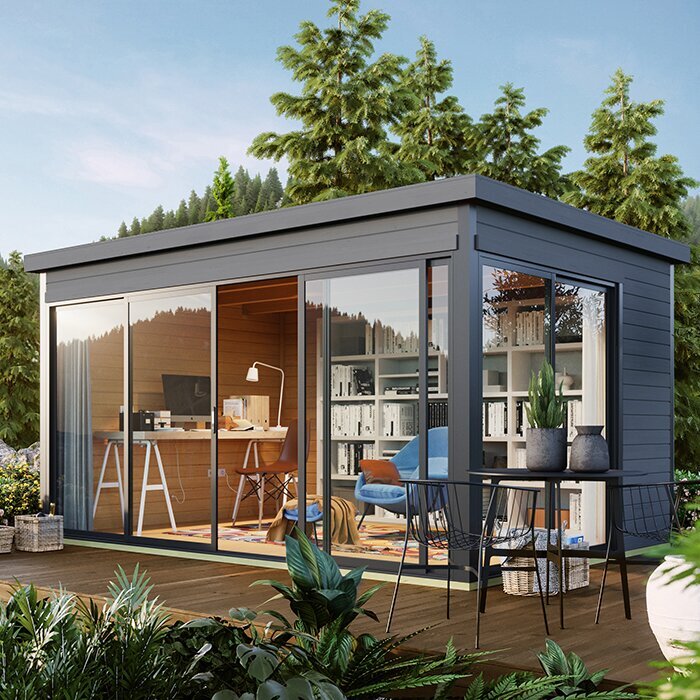
A modern appearance does not tell you what the shed is made from or how its exterior is finished. Confirm the material for the walls, roof covering, doors and floor, and note whether each part arrives unfinished, prefinished or requiring treatment after assembly. Ask what finish the manufacturer recommends, whether it is supplied and what routine maintenance is expected. If a material appears in a model name or description, verify it in the itemized specification before comparing it with another construction type. Materials can affect the upkeep you plan for, but broad labels such as “wood” or “low maintenance” are not enough to assess a particular shed; the product, finish and exposure all matter.
Ask how the roof and exterior surfaces are protected, which areas need periodic attention and whether touch-up or replacement materials are available. Compare the care instructions with the time you realistically want to spend maintaining the shed. Assess the Orello garden house listing using its own specification rather than assumptions based on its name. Check the package contents too: roofing, floor, door hardware, glazing, fasteners, treatment or accessories may be handled differently from one seller to another. A clear inclusions list makes comparisons more useful and helps you identify anything you would still need to arrange separately.
Match doors and windows to everyday access
Entry arrangements affect storage and everyday use, but they are only one part of the layout. Measure the widest item that must pass through the entrance and compare it with the clear opening stated in the specifications; the outside door width may not equal the usable opening. If the model has hinged doors, check which way they open; for sliding or folding systems, confirm how much travel they need. Keep space to stand, turn and move items clear of walls, fences and other structures. If you expect to carry bulky objects in frequently or enter in wet weather, think through the approach and threshold before settling on a footprint.
Windows and glazed doors can affect daylight, privacy and the wall space available for storage, but photos rarely show how the room will feel from every angle. Check the position and dimensions of any openings, the stated glazing details and whether pictured options are included or offered separately. Consider the sun’s direction and views from neighbouring areas without assuming glazing will make an unheated shed comfortable in every season. Use the Modano 1 product page to check what opening and glazing information is stated, rather than inferring those details from a name or styled image. If an important feature is unclear, ask the seller to confirm the exact configuration in the order documents.
Plan the base and site before ordering
Check the manufacturer’s base and installation requirements before buying, not after the shed arrives. Ask whether the model needs level, stable support, which base types are accepted and how it is to be secured. Follow the product-specific instructions rather than borrowing details from a different building. The ground at the chosen site, drainage around it and space for assembly can all affect preparation. A flat roof does not determine what base is suitable, and a photo of a finished shed cannot show what lies beneath it. If the site is uneven or conditions are uncertain, have a qualified installer or building professional review the requirements before you order.
Check local requirements that may apply to the proposed location and use before committing to a model. They can vary by municipality, property, size and placement, so confirm with the relevant local authority rather than relying on a general online answer. Consider access to the house, property boundaries and utilities as practical planning points; consult an appropriate professional if the location of utilities is unclear. For a candidate such as the garden shed M listing, find the model’s own site-preparation and assembly guidance and compare it with your intended location. Confirm who is responsible for assembly, whether specialist help is recommended and what the installer needs from you. These details can affect the work and scheduling involved.
Judge the modern look at the intended scale
A flat-roof design may appeal if you want a simple, contemporary outline, but the shed should look proportionate beside the house and within the yard. Compare its actual height, width, depth, roof edge and openings rather than judging from a tightly cropped photo. A long, low profile can look different from different viewpoints, so consider the sightlines from the patio, windows and path. If finish samples are available, view them in realistic light; colours on a screen can differ from the installed surface. Check whether each image shows the exact model, finish and options you plan to order.
Use appearance as a selection criterion once the basic fit and performance are clear. You might prefer a roofline that echoes the home’s geometry, a finish that complements the fence or fewer openings on a visible side, but confirm that the configuration is available and included in the quote. For the garden shed S page, separate the visual impression from confirmed dimensions, roof profile and pictured options. If two candidates look similar, compare them at the same approximate scale using their dimensions or drawings. That keeps perspective, landscaping and furniture in a staged image from making the decision for you.
Understand delivery, assembly and the full cost
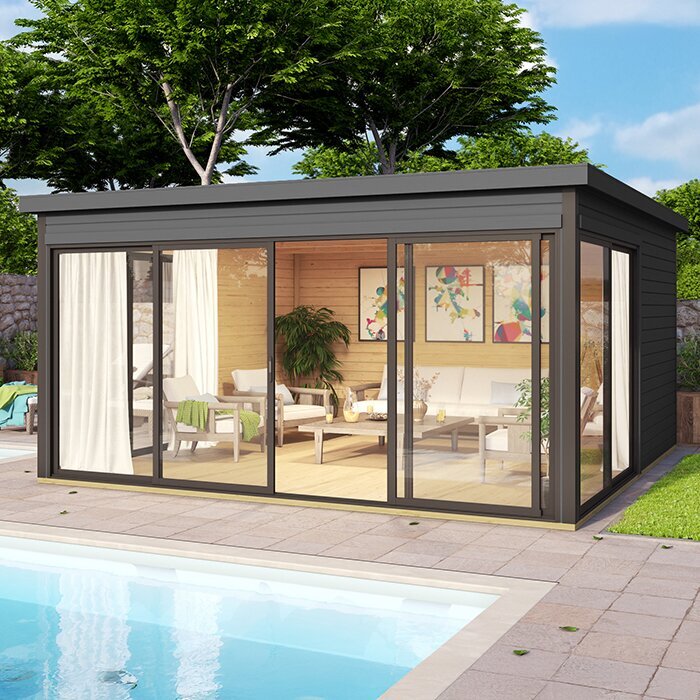
Before placing an order, ask the seller to explain exactly what arrives and what you must arrange separately. Request an itemized list covering the structure, roof covering, floor, fittings, glazing, finish and accessories relevant to your chosen configuration; do not assume a pictured part is included. Confirm packaging dimensions, unloading responsibilities, delivery access requirements and the current delivery area and timing with the seller. These details can affect whether the shed can reach the site and whether you need a prepared staging space. If assembly is not included, ask what work is expected and whether the manufacturer recommends specialist help. Record the answers against the exact model and configuration.
Compare the full project cost, not just the stated shed amount. Depending on the model and site, separate costs may include a suitable base, preparation, finish or roof covering, delivery, assembly, accessories and professional review. Count an item only after confirming whether it is included. Ask for a written quote that identifies the model, options, components and any applicable taxes, fees or conditions that could change the total; one seller’s package may not match another’s. Read the current ordering, return and cancellation terms before paying, and confirm how changes to dimensions or finishes would be handled. Do not infer a fee, delivery time or offer from a photo or model name.
Compare candidates using confirmed specifications
Create a short comparison table for your final two or three choices. Record each model and configuration, external and internal dimensions, clear doorway width, confirmed roof profile and drainage details, weather ratings for your site, materials and maintenance, base requirements, stated inclusions, and delivery and assembly responsibilities. Note the source beside each entry—the specification, drawing or written seller response—instead of filling gaps from images. Use consistent units and compare like with like; one quoted footprint might include an overhang while another describes the wall dimensions. Mark missing information as unknown, not as a feature the product probably has.
Then set aside any option that fails a genuine requirement, such as the usable opening, a confirmed fit at the site or information your professional needs to assess the placement. A candidate is not automatically a better buy because it has a sharper modern look or appears larger in a photo. If two models meet your criteria, compare maintenance demands, delivery and assembly arrangements, and confirmed total costs. Keep the final specification and order confirmation together so the roof style, selected options and agreed inclusions remain clear. If an essential point is still unanswered, wait for clarification before making the purchase.
Frequently asked questions
Does a flat roof mean the roof is completely level?
Not necessarily. “Flat roof” can describe the overall appearance even when the actual roof has a slight slope or another profile. Check the product drawing and ask how rainwater is managed; a front-facing photo may not show those details.
Can I assume a flat-roof garden shed will handle Canadian snow?
No. Capacity depends on the specific model and its installation conditions, and weather varies across Canada. Ask for model-specific snow and wind ratings. If you are unsure whether they suit your site, have a qualified building professional review the information.
How should I choose the right shed size?
Compare both the outside footprint and the usable interior dimensions with the items you plan to store or the activities you have in mind. Check the clear doorway width, room to open the doors and space needed to reach the shed.
Do I need approval to place a garden shed?
Requirements can vary by municipality, property and proposed location. Check with the relevant local authority before ordering, especially if the shed’s size, placement or intended use could affect what applies to your site.
What should I confirm before ordering?
Confirm the exact roof profile and drainage details, site-specific weather ratings, dimensions, materials, base requirements and what the order includes. Also clarify delivery access, assembly responsibilities and the current terms with the seller.
A well-chosen modern flat-roof shed is the one whose documented roof design, footprint, weather limits, materials and ordering details fit your yard and intended use—not simply the one with the cleanest silhouette. Compare each candidate against the same checklist, and resolve questions about drainage, site support or local requirements with the seller or a qualified professional. Once the specifications and inclusions are clear, you can judge the design on its appearance and place an order with fewer surprises.
