
Buying a 70 mm Wooden Garden Shed: When Thicker Walls Make Sense
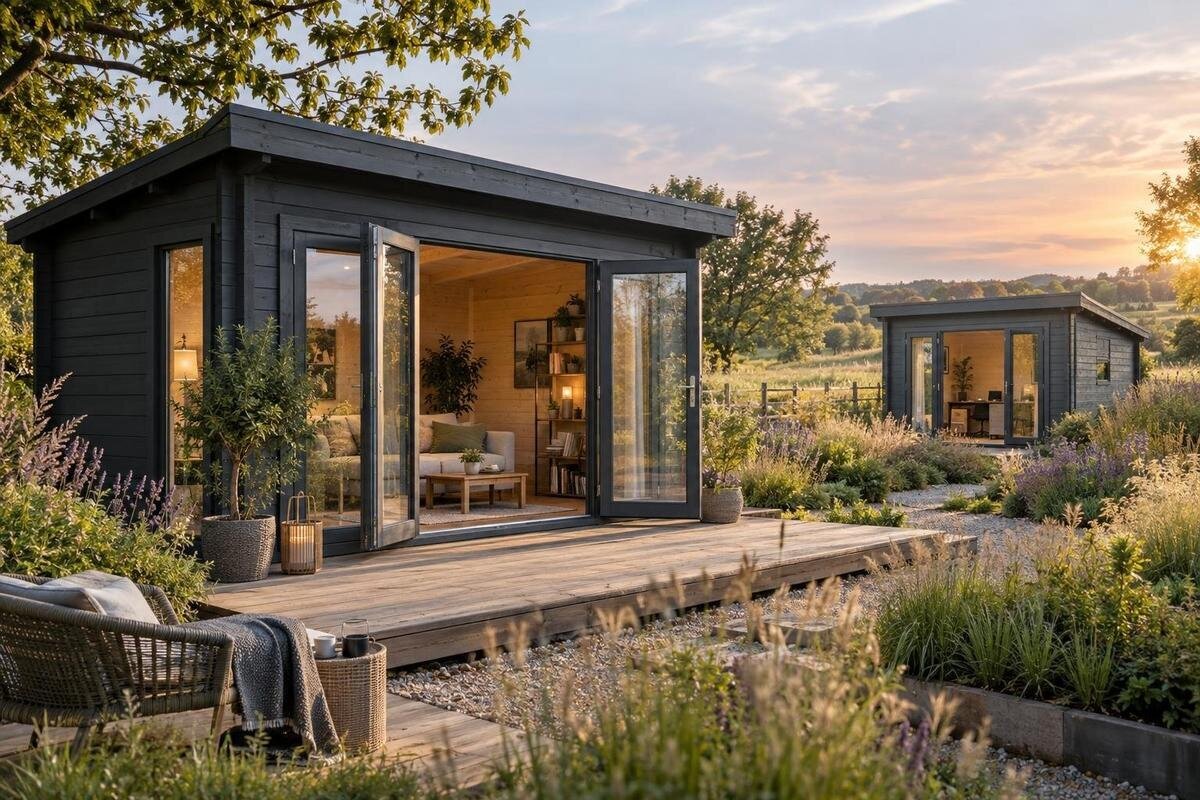
Garden shed buying guide
Thinking about buying a 70 mm wooden garden shed? The figure can help narrow a shortlist, but it answers only one question: the stated wall thickness. It does not, by itself, establish insulation, resistance to local weather, usable space inside or what comes with the order. A sound decision compares the wall specification with the complete building, your intended use and the conditions at the proposed site. This guide explains when 70 mm walls may deserve consideration and what to confirm before you commit to a model.
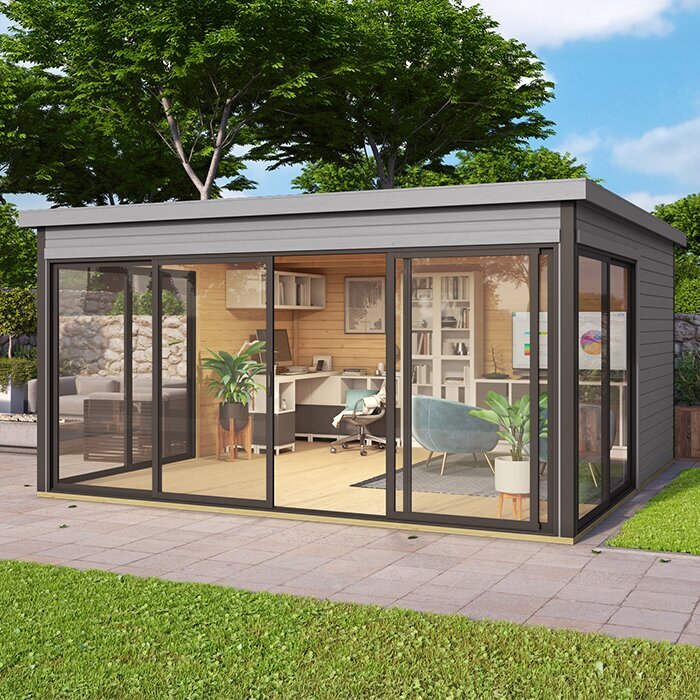
What the 70 mm figure tells you
A 70 mm figure is a dimension stated for the wall, not a performance rating. Check the product specification to see precisely what it measures: the timber component, a profiled wall section or another part of the assembly. Find out whether the number is nominal or an exact component measurement, whether it applies throughout the wall, and how corners, joints and added layers are described. Also check whether the figure refers only to the timber or includes other parts of the build-up. The same number is useful for comparison only if it describes comparable construction. If the definition is unclear, ask the seller or manufacturer to identify the measured part in writing.
The number alone cannot tell you how warm, airtight, weather-resistant or durable the completed shed will be. Those outcomes depend on the full construction and the way it is assembled and maintained. Nor does 70 mm tell you the roof or floor specification, suitability for your site, or whether modifications are supported. Treat it as one line in the specification sheet, not a summary of the building. A product title, photograph or page address may help identify a model, but it cannot replace confirmed dimensions and construction information. Keep two questions separate: what wall is specified, and what the completed shed is intended to do.
When thicker walls may be worth considering
Thicker walls may be worth considering when the wall construction itself is an important part of your purchase criteria. You might prefer a more substantial timber wall as a matter of design, or want to compare a deeper wall component with other stated options. In either case, 70 mm can be a useful filter for finding specifications to investigate. It is not a universal threshold for quality, nor a guarantee of strength, insulation or suitability for a particular use. Ask what the measurement covers, then weigh that answer alongside the rest of the building and the site. The figure should help narrow a shortlist, not make the decision for you.
Think about later changes as well as day-one use. If you may add interior lining, insulation, shelving or services, ask whether the wall design accommodates those changes and whether the manufacturer provides guidance. Don’t assume a thicker wall automatically accepts a particular fixing, wiring route or insulation build-up. Use the Verdana 1 garden house listing as one model reference, then confirm its current specifications rather than inferring wall details from a name, image or URL. Record what is confirmed and what remains unknown. A larger measurement is relevant when it corresponds to a stated need; otherwise, it is just another feature to compare.
When a different wall thickness may make sense
If the shed will mainly store tools, seasonal equipment or other belongings, 70 mm may not be the feature that determines whether a model works for you. You may care more about fitting the items, reaching them easily, keeping the entrance clear and choosing a layout that uses the yard well. A different wall thickness can be a sensible choice if its documented details meet your requirements; the smaller number alone does not establish that it is unsuitable. List what must be stored, how often you will access it, and the level of weather protection the items need. That list helps distinguish a genuine wall requirement from a preference for a larger figure.
Compare the complete shed rather than treating thickness as a shortcut for value. The door opening, internal shape, floor details, roof information and maintenance requirements may matter more to a storage routine; confirm each from the product information. Sketch the footprint and arrange the largest items on paper before deciding whether additional wall thickness helps. The Verdana 2 garden house listing can be one comparison point, but only its published specifications and supplier answers can establish its dimensions, wall build and included components. Do not use a model name or promotional image to fill gaps. This keeps the choice centred on practical use rather than an assumption that the thickest wall is always the best fit.
Compare the wall construction, not just its thickness
Two walls with the same stated thickness can still be described differently, so read beyond the headline measurement. Check the type of timber and grade where specified, the profile of the wall components, how they connect at corners, and whether a finish or treatment is included. Look for an assembly guide that explains the intended build-up and any requirements for protecting exposed surfaces. These details do not create a simple ranking on their own, but they help you understand what you are buying and what may need separate work. If a technical term is unfamiliar, ask for a plain explanation and confirm which parts of the building it applies to.
Establish what the wall specification leaves out. Does it describe only the main wall components, or are additional layers, seals or finishes part of the package? Are the interior and exterior surfaces supplied as shown, and are any illustrated details optional? If product documents conflict, ask which one applies to the exact configuration you plan to order. The Durano garden house listing can be another model on your shortlist, but its product label does not verify any wall construction. Compare its written details with other candidates using the same questions. This is more reliable than comparing a 70 mm measurement in one listing with an undefined figure in another.
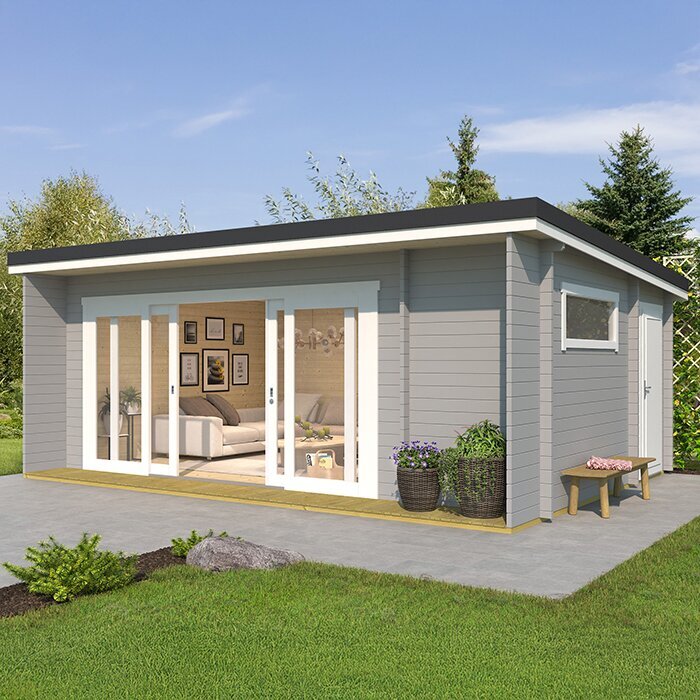
Match the wall choice to how you’ll use the shed
How often you will use the building affects how important wall thickness is in the overall decision. For occasional access or basic storage, a convenient layout and the documented roof and floor details may matter more than creating a space for extended occupancy. If you plan to spend regular time inside, or keep belongings sensitive to temperature or humidity, consider the whole enclosure: wall construction, roof and floor, doors and windows, air leakage, ventilation and any insulation. Ask whether performance descriptions depend on extra layers that are not included. A 70 mm wall figure does not describe those components together or promise a comfortable interior.
Write down whether the shed will remain unheated, be used seasonally or be adapted later; each plan raises different questions for the supplier. Confirm what insulation or lining, if any, is supplied, and whether proposed additions are supported. Heating and electrical work need a separate plan and qualified professionals; don’t assume the wall dimension settles those requirements or that future alterations are straightforward. If the Veltor 1 garden house page interests you, treat it as a model to investigate, not evidence that it suits regular occupancy. Get the complete stated specifications and compare them with your intended use before choosing.
Check the footprint and usable space
Wall thickness can affect usable room when comparing sheds by outside footprint. If two buildings have the same external dimensions, thicker walls generally leave less clear space inside, although corners, profiles and the way dimensions are reported also matter. Do not work out the interior size by simply subtracting twice the stated figure unless the manufacturer confirms that method. Check external and internal dimensions, where available, and note whether a quoted footprint includes the walls, roof overhangs or other projections. When a shed must fit a narrow area or a particular storage layout, a difference in clear space can change what fits.
Measure the items you expect to bring inside and compare them with the stated interior dimensions and clear door opening. Consider the route from the entrance to the intended spot, room to open doors, space for shelves and whether windows use wall area you planned to keep clear. Verify opening positions and dimensions rather than relying on an image, which may not show the complete layout. Add the Orello 1 garden house listing to the comparison only after checking its current written specifications. Confirm both the wall measurement and the dimensions for the configuration you will order.
Confirm the site and assembly requirements
Before ordering, confirm that the planned position can accommodate the specified building, including its footprint, door clearance, roof projection and room for assembly. Check the route for bringing components onto the site, including turns, gates and temporary storage space if relevant; delivery arrangements vary, so verify the details. Consider drainage, ground conditions and exposure to wind, rain or snow, but do not infer site suitability from wall thickness. The manufacturer’s instructions should identify base or foundation requirements for the model. If the ground or location is difficult, ask a qualified contractor to assess it before you order.
Check any local requirements with the relevant municipal office before committing; do not assume general online guidance applies to your address or project. Confirm who prepares the base, how the shed is assembled, and what help or equipment may be needed. The Modano 1 garden house page is a model reference, not evidence that it can be installed on any site. Use the supplier’s instructions for the exact product and seek qualified advice on site-specific foundation, wind or snow questions where needed. Planning these details alongside the wall specification can prevent a model that looks suitable on paper from being wrong for its location.
Assess the roof, floor and openings separately
Wall thickness is only one part of protection from the elements. Review the roof, floor, doors, windows and seals separately, and look for written information about intended weather protection and structural limitations. A 70 mm wall does not establish a roof load rating, floor capacity, waterproofing detail or suitability for a specific wind or snow exposure. Check how the roof and wall junctions are addressed and whether the floor or base is included in the order. If a listing lacks information you need, ask the manufacturer or retailer; use a qualified professional for questions requiring site-specific or engineering advice. Don’t make a safety decision from the wall figure alone.
Consider finishes and upkeep at the same time. Find out whether the timber is described as untreated, finished or otherwise specified, what maintenance the supplier recommends, and which surfaces the guidance covers. Ask whether the listed configuration includes the doors, glazing and any seals shown; product images can depict details that are options rather than included components. The wooden garden shed M listing can be compared with other product pages, but its name does not establish finish, glazing, roof design or wall thickness. Confirm each item explicitly and check whether care instructions change according to the selected finish.
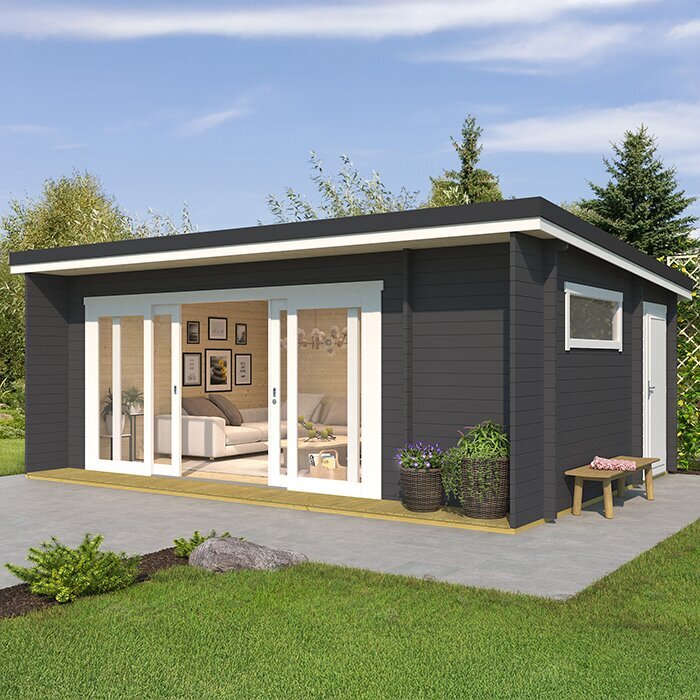
Review the order details before paying
Before placing an order, read the configuration and included-items list line by line. Confirm the wall measurement, external and internal dimensions, roof and floor components, doors and glazing, finish, fasteners and assembly instructions. Ask whether pictured items or optional components are excluded, and note anything you must source separately. Check the order details for delivery arrangements, access, unloading, assembly and applicable costs; these practical points can affect feasibility even when a building specification looks right. If two documents describe the package differently, get confirmation on the selected option. Keep a copy of the product information tied to the exact model and configuration you intend to buy.
If a key answer is missing, ask the retailer or manufacturer before paying and request a reply that refers to the model and configuration rather than a general category. Compare current listing information at the time of purchase: product pages, images and options can change, so don’t rely on an old search result or saved screenshot. Focus on the questions that matter most to your plan: wall construction, usable space, site compatibility, maintenance and what arrives. Keep unanswered issues visible rather than filling the gaps with assumptions. Clear answers also make it easier to compare alternatives without expecting the largest measurement to resolve every difference.
Make a like-for-like comparison
Put shortlisted sheds into a simple side-by-side record. For each one, note what the wall figure measures; timber and connection details; external and internal dimensions; openings; roof and floor information; intended use; site and base guidance; maintenance; included components; and unanswered questions. Compare details stated on the product page or confirmed by the supplier, marking missing information as unknown rather than guessing. The wooden garden shed S listing may be a model to include, but its name alone cannot show whether it has 70 mm walls or fits your needs. Keep each answer attached to the exact listing and configuration.
Choose 70 mm when the verified wall construction matters to your plans and the rest of the building also meets your requirements. Choose another wall thickness when a different complete specification better fits the intended use, dimensions, location and order details. If a crucial measurement or site requirement is unclear, pause and resolve it rather than filling gaps with assumptions. The best buying decision is not automatically the model with the largest wall figure; it is the shed whose documented construction, layout and installation requirements match the job you expect it to do. Recheck the final specification and included components before confirming the order.
Frequently asked questions
Does a 70 mm wall mean a garden shed is insulated?
No. The measurement describes wall thickness only when the product specification confirms what is being measured. Insulation and indoor comfort depend on the full construction, including the roof, floor, openings and any added layers. Check what is included rather than assuming insulation from the wall figure.
Will a 70 mm wall make a shed suitable for winter?
Not by itself. Winter suitability depends on the complete building, how it is assembled, the site and its weather exposure. Ask the manufacturer for the relevant specifications and installation guidance. For site-specific structural or foundation questions, consult a qualified professional.
Will 70 mm walls reduce the usable space inside?
They can if you compare buildings with the same external dimensions, but the layout and the way dimensions are reported also matter. Check the product’s internal and external measurements, where available, instead of calculating interior space from wall thickness alone.
Should I choose 70 mm walls for tool storage?
Not necessarily. Consider what you need to store, how easily you need to reach it, the door opening, the layout and the protection the contents require. A different wall thickness may suit your plans if its documented specifications meet your needs.
What should I confirm before ordering?
Confirm what the 70 mm figure measures, the wall construction, internal and external dimensions, roof and floor details, included components, site requirements and delivery and assembly arrangements. Ask the retailer or manufacturer to clarify any important detail that is missing or unclear.
A 70 mm wall is a useful buying detail when you know what it measures and why that construction matters to your plans. It is not a substitute for comparing the whole shed: its layout, other building components, site requirements and order contents all affect whether it is the right choice. Check the written specifications for the exact configuration, and leave unclear details unresolved rather than guessing. That way, you can choose a garden shed for the job it needs to do, not simply because one number looks larger.
