
Buying a Garden Shed for a Coastal Property
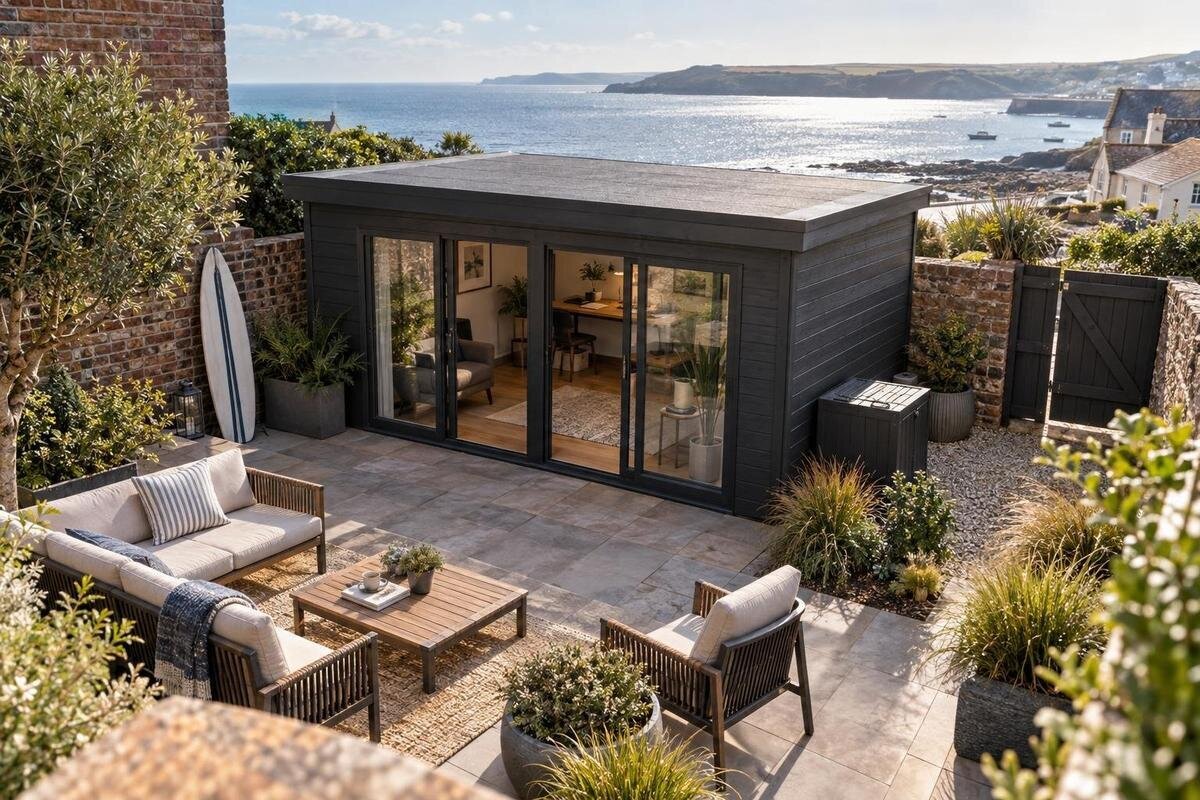
Garden shed buying guide
Buying a garden shed for a coastal property involves more than choosing a size and style. Wind, salt carried in the air and persistent damp can affect the materials, fixings, installation requirements and upkeep to consider, but exposure differs from one yard to another. The useful comparison is not simply coastal versus inland; it is whether a particular shed’s documented details suit the exact spot where you plan to put it. Start by recording what you need to store and what conditions the site presents, then compare product information and installation requirements before ordering.
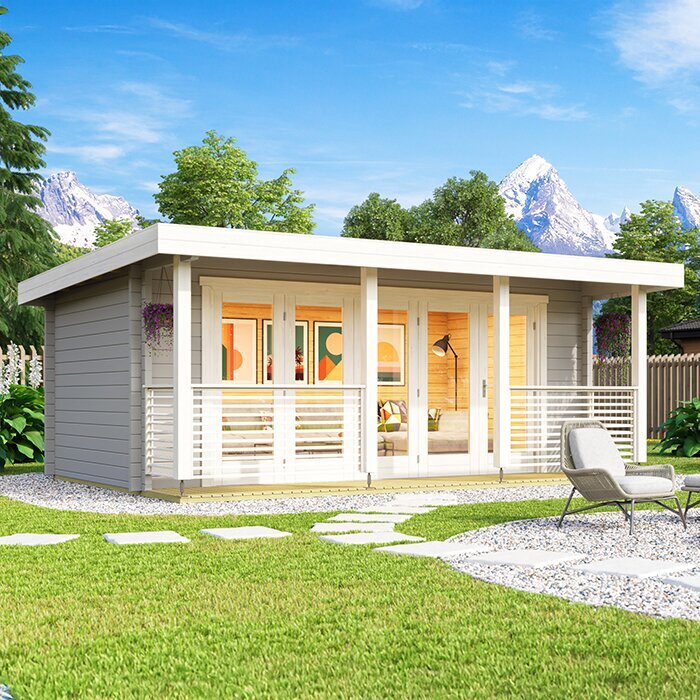
Assess exposure at the exact shed location
Coastal properties do not all face the same conditions. A shed near open water may receive direct salt spray; a site farther inland can still be exposed to salty air, strong gusts, wind-driven rain or damp soil. The exact position in the yard matters as much as the property’s broad location. Note whether the proposed spot is open, sheltered by the house, beside a fence or tree line, or in a low area where water lingers. Observe it in different weather if possible, and consider seasonal changes, including screening that disappears when trees lose their leaves. This gives you a more useful exposure picture than distance from the shoreline alone.
Separate the concerns as you assess the site. Salt deposits can affect vulnerable exposed surfaces and hardware; wind raises questions about the complete structure and anchoring; dampness may come from runoff, splashback, shade or ground that stays wet. These conditions can overlap, but they are not interchangeable. Make a simple note of the prevailing exposure, likely wet areas, nearby buildings and overhead cover. Treat fences or landscaping as context rather than proof that the shed will be protected. That record will help you ask targeted questions of the seller and, where needed, a qualified installer about the location, base and anchoring.
Ask for wind and anchoring information
Do not judge wind suitability by a shed’s appearance, weight or the impression that its walls look solid. Ask what wind-related design information the manufacturer provides, what conditions or installation assumptions it covers, and whether it applies to a site with your level of exposure. Find out which anchors and fixings come with the kit, what may need to be purchased separately, and whether the requirements depend on the base or ground. A general marketing description is not a substitute for product documentation. If the details are unclear, ask the seller to obtain the manufacturer’s answer before you commit, rather than estimating performance from a photograph or model name.
Ask about the complete installed assembly, not just the wall panels: connections to the base, roof attachments, doors and specified fixings all belong in the answer. Conditions around an open waterfront, a sheltered courtyard and an exposed point can differ, so one property’s setup is not a reliable guide to another. Have a qualified installer or building professional review site-specific anchoring and foundation questions if you are uncertain; do not alter a kit or select fixings by guesswork. A listing such as the Verdana 1 garden house page can be part of a shortlist, but its name alone says nothing about wind performance. Match the published requirements to the intended location before ordering.
Compare materials and finishes for salt-air exposure
For coastal conditions, compare material and finish details, not only the main wall material. Salt-laden moisture can speed corrosion on susceptible exposed metal, particularly where a protective coating is damaged or a joint or cut edge is left vulnerable. Ask what the roof, walls, screws, hinges, latches and other exposed fittings are made from, how each is finished, and how wear or damage should be handled. A broad description such as timber or metal can conceal important differences between components. Seek specifications and care instructions for the full assembly. If details are missing, record them as questions instead of assuming that a familiar material label guarantees durability beside the coast.
Different materials bring different upkeep tasks. Timber can absorb moisture and move as conditions change, so the specified finish, exposed ends, joints and recoating directions matter. For metal, the substrate, coating and hardware all affect how corrosion is managed; not every finish offers the same protection. Polymer or resin parts do not rust like ferrous metal, but their UV performance, impact resistance, fixings and replacement parts still deserve attention. These are category-level considerations, not a verdict on a model. Use the Garden House Verdana 2 listing as a prompt to read its actual specifications and care guidance; do not infer material or coastal suitability from the product name.
Consider moisture, runoff and airflow
Damp can come from outside and accumulate inside, so assess the shed’s footprint as well as its walls. Look for low spots, water that remains after rain, soil that splashes onto the structure, and places where the yard’s runoff is directed. A location shaded and crowded by vegetation may dry more slowly than an open one; check the actual conditions rather than assuming shade is always protective. Ask what clearance and base conditions the product instructions require, and plan the position so ordinary yard drainage does not send water toward the building. Do not assume a shed itself will correct a wet site.
Then consider how the selected design manages air and rain. Read the documentation for ventilation provisions, door or window seals, roof runoff and any drainage details; confirm what is included rather than expecting an accessory to come with the kit. Ventilation can help air circulate, but it does not compensate for a leak, poor drainage or a base that stays wet. If the product information is silent, ask where rainwater is meant to discharge and how to limit splashback onto the walls. The Durano garden house page is one listing you can inspect for stated construction and maintenance details, not evidence of a particular moisture-control feature.
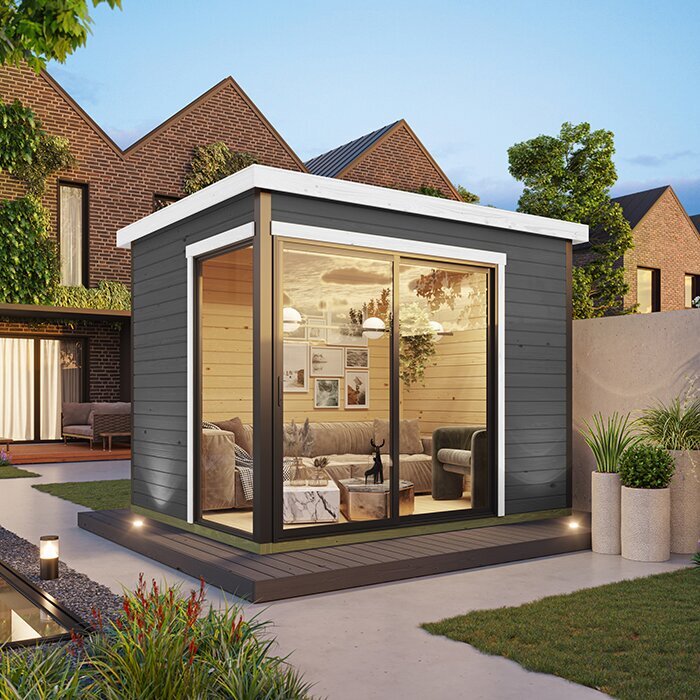
Choose a size that fits what you will store
Write down what the shed needs to hold before comparing footprints. Measure larger items such as lawn equipment, bikes, long-handled tools or patio furniture, including the room needed to turn or lift them into place. Add smaller items you expect to store together, and think about whether you need frequent access to everything or only occasional access to some belongings. A shed that fits the largest item on paper may still feel cramped if there is no space to reach around it or open its door. A clear inventory helps you separate necessary capacity from space you are unlikely to use.
Compare usable interior dimensions with exterior measurements, and check the stated door opening if you need to move bulky items in and out. Consider where shelving could go, whether it would obstruct access, and whether the floor or other components you need are included. Keep enough room to remove items without emptying the entire shed first. Do not assume that a model name or photograph reveals its capacity: confirm dimensions and layout information in the product details. You can assess the Veltor 1 listing against your written inventory, but only its published measurements can tell you whether it fits your storage plan.
Check doors, openings and exposed hardware
Think through how you will approach and use the shed at its chosen location. Check that the door can open without hitting a fence, tree, wall or stored item, and that there is room to carry the largest planned item through the opening. Consider how the door will be handled in gusty weather, and whether its position makes ordinary access awkward when wind-driven rain is present. If a model has windows or other openings, confirm their locations and dimensions rather than relying on a product photo. These checks help you compare layouts against the yard without assuming that any particular opening arrangement suits every property.
Hardware deserves attention in salt air because hinges, handles, latches and fasteners may have different materials or finishes from the walls. Ask what is specified, how the parts should be maintained, and whether suitable replacement components are available. Confirm what the product documentation says about seals and rain protection at openings, if those details are relevant to the chosen design. A visible latch or window in a photo does not establish its material or weather performance. The Orello 1 page can be one item to review for its published opening and hardware details; compare those facts with your access needs and the site’s exposure.
Confirm the base and placement requirements
Before choosing a shed, find out what base the manufacturer requires and how its dimensions, surface and flatness are specified. Check whether a floor is included, whether anchoring points or fixings are supplied, and whether the structure must be attached to a particular kind of base. These requirements can affect the work and materials needed after purchase, so include them in your comparison rather than treating the base as an afterthought. Avoid guessing at a foundation design or changing the supplied arrangement; ask the manufacturer or seller to clarify any requirement that is not clear in the documentation.
The condition of the intended spot matters too. If the ground is persistently wet, uneven or otherwise uncertain, ask a qualified installer or building professional to assess what preparation is appropriate for that location. Leave practical access for assembly and for future inspection of the exterior; placing a shed tightly against an obstruction can make maintenance more difficult. Confirm any applicable siting requirements with the relevant local authority or property manager before ordering, rather than assuming that a product’s dimensions settle the question. Review the Modano 1 listing for its stated base and installation information, and seek clarification where details are not provided.
Plan for ongoing coastal maintenance
Upkeep is part of the buying decision, not just something to consider after installation. Read the manufacturer’s care instructions and note the recommended checks, cleaning methods and any finish treatments. Think about whether you can reach the exterior for inspection and whether the work fits the time you are willing to spend. After a significant storm or a change in season, a visual check for debris, damage to a finish, or a problem with a door or fitting can help you notice issues early. Follow the product instructions, and do not climb onto a roof or take other risks just to inspect a shed.
Ask how to remove salt residue and what cleaning products are permitted; an unsuitable cleaner may damage a protective finish. Find out whether timber components need periodic treatment, whether exposed metal requires particular care, and how the maker recommends addressing a scratched or worn surface. Keep those tasks in mind alongside any work needed for the site itself, such as maintaining clear access around the structure. Compare the effort and supplies involved, rather than assuming that one broad material category is maintenance-free. The Garden Shed M listing is another product page to check for its own care instructions, which should guide any model-specific maintenance plan.
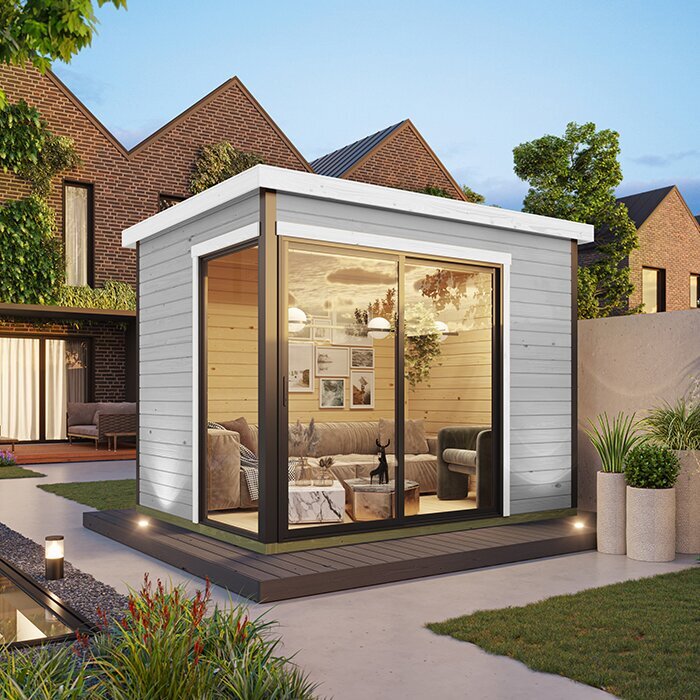
Review the product details and order terms
Before placing an order, make sure you are comparing the exact configuration you intend to buy. Check the stated external and internal dimensions, materials and finishes, included parts, and any separately listed base, floor, anchors or other accessories. Read the assembly and care information, especially where it sets assumptions about the site or installation. Photos and model names can help identify a listing, but they do not replace specifications. If an important detail is missing, ask the seller for clarification and keep the answer with your purchase records so you can compare like with like.
For a coastal property, ask specifically whether the manufacturer addresses salt-air exposure, wind conditions and the maintenance needed to preserve the finish. Review the warranty terms for relevant exclusions or conditions, and do not assume coverage applies to a particular site unless the terms say so. Confirm what delivery and assembly arrangements are included, what you must arrange separately, and whether local siting requirements need to be checked. A listing such as the Garden Shed S page can be reviewed alongside the others, but verify every detail on the actual product page and in the applicable order terms before committing.
Compare overall cost, effort and site fit
Once you have a shortlist, compare each option against the same set of needs: storage capacity, exposure at the planned location, documented wind and anchoring requirements, material details, base compatibility and maintenance. A simple written comparison can separate confirmed specifications from unanswered questions. Include the costs you can verify, such as the shed, any required base materials or approved fixings, installation, and the upkeep supplies named by the manufacturer. Compare quotations on the same basis so an apparent price difference is not simply a difference in what is included. No single feature can resolve the decision if the site, storage plan and ongoing effort have not also been considered.
Give greatest weight to the concerns that matter most at your location. Direct exposure makes clear manufacturer information and suitable installation requirements especially important; limited time for maintenance makes the care routine a practical part of the choice; bulky belongings make usable dimensions and access a priority. If a critical question about wind, moisture, materials or warranty remains unanswered, resolve it before ordering rather than filling the gap with an assumption. The right garden shed for a coastal property is the one whose documented requirements, storage capacity and upkeep are a realistic match for the place where it will stand.
Frequently asked questions
Can salt air damage a garden shed?
Salt carried in the air can contribute to corrosion on susceptible exposed metal, including hardware and fixings. The effect depends on the materials, protective finishes and care instructions. Ask what each exposed component is made from and how to clean or maintain it.
Which shed material is best for a coastal property?
There is no single best material for every site. Compare the specified material and finish of the walls, roof and hardware, along with the manufacturer’s upkeep instructions. Choose based on your exposure and the maintenance you are prepared to do, rather than the headline material alone.
Should I look for wind information before buying?
Yes. Ask what wind-related design information is available and what installation and site conditions it covers. Confirm the required anchoring and base with the manufacturer or seller; a qualified installer can help assess site-specific questions.
How can I reduce dampness in a garden shed?
Choose a location that does not collect runoff or persistent standing water, and check the specified base and clearance requirements. Review the shed’s ventilation and rain-management details, too. Ventilation will not make up for a leak or a persistently wet base.
What should I ask before ordering a garden shed for a coastal site?
Confirm the materials and finishes, wind-related documentation, anchoring and base requirements, maintenance instructions, kit contents, and any warranty conditions for coastal exposure. Ask for clarification on unresolved details before placing the order.
A coastal garden shed is a considered purchase when its specifications address the conditions at the intended site and its capacity suits what you need to store. Give material details, wind and anchoring information, base requirements and maintenance demands equal attention. Comparing those points together makes it easier to distinguish a genuine fit from an appealing photo or an assumption about how a shed will stand up to coastal weather.
