
Buying a Garden Shed for Your Hobby Room
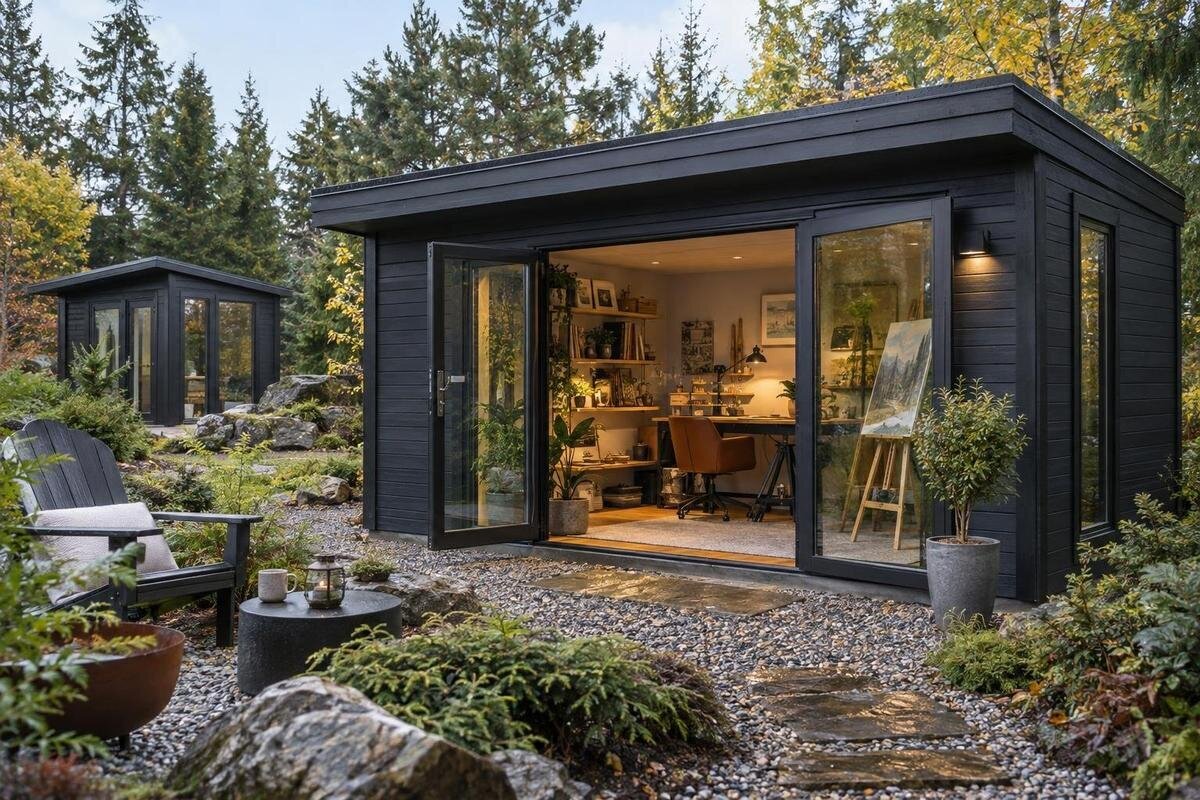
Garden shed buying guide
Making a garden shed into a hobby room starts with the work you want to do inside, not with the largest footprint you can fit outdoors. A compact bench for occasional repairs, a table for ongoing projects and a room that stores bulky materials each call for a different layout. Use your activities, available site and order details to decide what to compare.
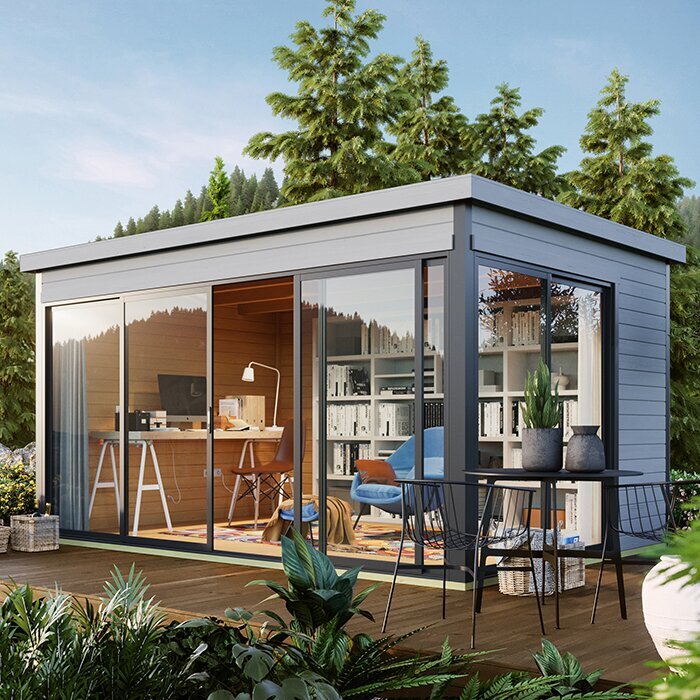
Before you order 1
Define the hobby before comparing sheds
A hobby room can be a bench for repairs, a table for model building, a place to sew, or a flexible space that changes with the season. Each use has different practical demands. Long pieces need room to handle them; small parts need organized storage; and a project left in progress may need a surface that does not have to be cleared at the end of every session. Write down the activities you expect to do most, the tools and materials they involve, and whether you’ll work alone or with someone else. That list turns the broad idea of a hobby shed into requirements you can compare. Also note the mess, noise and cleanup involved in a typical session. A hobby that uses only hand tools may need little more than a clear table, while one involving loose materials can benefit from a defined storage and cleanup area. Knowing the full routine prevents the room from being planned only for the enjoyable central task.
Separate essentials from nice-to-haves. A permanent workbench, storage for a particular collection or room to move around a piece of equipment may be non-negotiable; a second table might be optional. Use those priorities when reviewing listings such as the Verdana 1 garden house listing. The model name does not tell you how much usable space it has or whether it suits your plan. Check the published information and ask about any detail that matters but is not clear. Applying the same criteria to each candidate makes it easier to compare the buildings rather than choosing by name or photograph.
Measure usable floor area, not only the footprint
Start with the space available in your garden, but distinguish the shed’s exterior footprint from the room you can actually use inside. Wall thickness and the placement of doors or other openings affect the layout, so check whether the dimensions in each listing are interior or exterior. Measure the proposed bench, table, cabinets and largest piece of equipment, then allow for the space needed to stand, sit, open drawers and move materials. If you use both metric and imperial measurements, convert them consistently rather than comparing figures in different units by eye.
Mark the planned interior on the floor with tape or another temporary outline. Add the work surface, storage and the position of the door, then walk through the arrangement as if carrying a project in and out. A sketch can reveal that a shelving unit blocks a route or that a table leaves too little room for a chair. Include the space used by a pulled-out chair, an open cabinet door and materials waiting beside the work surface. These everyday positions are easy to overlook on a drawing, yet they determine whether the room feels workable. Compare the outline with the dimensions stated for a candidate such as the Verdana 2 garden house listing, after confirming what those measurements represent. Do not treat a building’s advertised footprint as its guaranteed working area.
Before you order 2
Arrange the room around the work
Plan the sequence of a typical session. You might need to bring materials in, set them down, work at a bench and put tools away afterwards. Keep the main route between the entrance and work area clear, and place frequently used supplies where you can reach them without crossing the room repeatedly. A folding or movable table can help when projects vary, but it still needs somewhere to go when not in use. Think about whether work will stay set up between visits or whether each session must begin with unpacking and end with clearing the space. Group the layout into simple zones: arrival and temporary drop-off, active work, and storage. This can keep clean supplies away from a task that creates offcuts or dust, and it gives unfinished work a predictable place. A room need not be large to work well, but its zones should support the order in which you actually use them.
Include the full dimensions of an unfinished project, not only the finished item. If you handle long materials, leave room to position and turn them; if you use a small machine or equipment, account for its controls and access as well as its footprint. Make a separate note of any equipment that may need professional assessment before use in a shed. Once you have a layout, compare it with the stated information on the Durano garden house listing. Use the page’s dimensions and opening details to test your plan, not its name or appearance as a substitute for them.
Check doors and access for your largest project
A room can have enough floor area yet be difficult to use if the entrance is too small for the things you need to bring inside. Check the clear width and height of the opening, any threshold, and how the door opens. A door that swings out, swings in or slides has different implications for the space around it and the approach path. If you plan to move in assembled equipment, measure it; if it will arrive in pieces, check the dimensions of the packages and the assembly route instead.
Think about everyday access as well as the initial move. You may need to carry supplies, remove a finished project or open the door while another item is near the entrance. Note where the door would face in your garden and whether a path, fence, steps or stored items could get in the way. Photos are not a reliable way to estimate a clear opening. When reviewing the Veltor 1 listing, verify the opening measurements and configuration on the product page, then compare them with the largest item and route in your own plan.
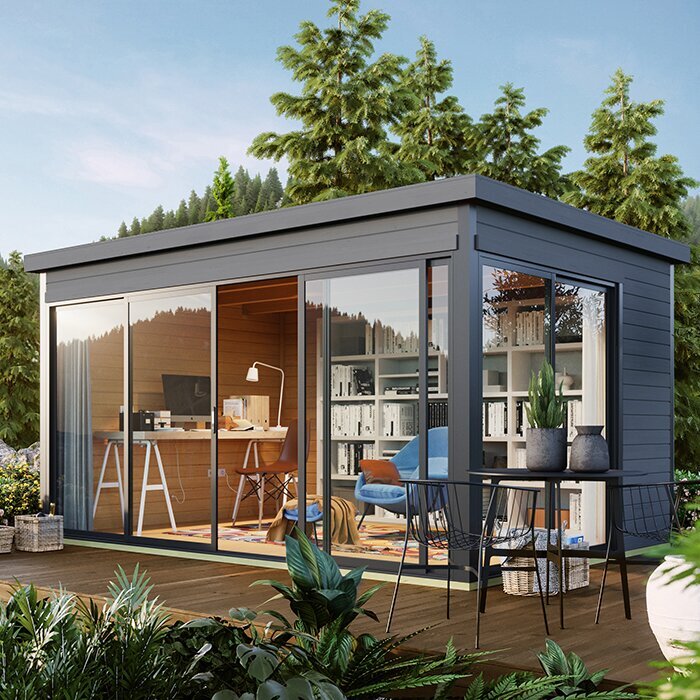
Before you order 3
Decide what light, ventilation and services you need
The demands of your hobby should guide decisions about light and air. Some tasks are comfortable in daylight, while detailed work may call for dedicated task lighting; in either case, consider where the work surface will sit and whether glare or shadows could be a nuisance. Activities that create dust, odours, fumes or heat need more careful planning than a quiet pastime. Think about whether you will use the room occasionally or for longer periods across different seasons, since that affects which comforts matter to you. Make a short list of conditions that would stop you using the room, such as poor visibility for close work or lingering odours after a project. This helps separate a genuine requirement from a feature that merely seems appealing. It also gives you specific questions to ask while comparing construction details and planning any separate fit-out.
Do not assume a shed includes insulation, electrical provision, heating, lighting or ventilation unless the product information explicitly says so. Confirm what is part of the building and what would be a separate fit-out. For electrical work, ventilation or fire-safety questions related to your hobby, ask a qualified professional rather than relying on a product description. A listing such as the Orello 1 garden house listing is a candidate to check against those requirements, not evidence that a particular service or feature is included.
Check construction details and ongoing maintenance
Read the stated materials, finish, assembly requirements and maintenance guidance for each building you consider. A photograph can show an appearance, but it cannot establish what a shed is made from, how it is finished or what upkeep it needs. Look for clear information about the floor and roof as well as the walls, and note anything the seller says is excluded from the package. If a detail affects how you intend to use the room, ask for an answer before ordering rather than filling the gap with an assumption.
Consider the conditions at your site, including exposure to rain, sun, snow or temperature changes, and whether the items you plan to store are sensitive to moisture or dust. Check the manufacturer’s stated information for the intended use and care of the building; do not infer performance from a model name. If you need protection for particular tools or materials, plan separate storage where appropriate. Review the applicable warranty terms and maintenance expectations, and compare those details with your willingness to look after the shed. The Modano 1 listing can be assessed in the same way as any other candidate.
Before you order 4
Keep hobby storage separate from garden clutter
Decide whether the shed will be used only for hobbies or shared with garden equipment, seasonal items and household storage. Shared use can reduce the space available for projects and make it harder to keep frequently used tools close at hand. List what needs to stay in the room, what can be stored elsewhere and what must be accessible during a session. Then give each group a place in your sketch. A shelf or cabinet takes up space even when it is above floor level, and anything that sits on the floor reduces the area available for work.
Freestanding storage can be easier to rearrange than a fixed installation, but it still needs a stable, accessible place in the layout. Do not assume shelves, cabinets or work surfaces come with the shed; check the package details and plan for any additions you intend to make. If you will keep heavy equipment or concentrated loads in the room, verify the building’s stated capacity or ask a qualified professional rather than guessing. Compare the information for the wooden garden shed M listing with your own storage plan, without assuming that its size or contents meet your needs.
Choose a site that works for the building and delivery
Measure the proposed site and consider the route between the garden entrance and the shed. Check for gates, narrow passages, steps, trees and other obstacles that could affect delivery or assembly, and decide which way the entrance should face for regular use. If natural light matters for your hobby, consider nearby buildings and trees and how the sun reaches the spot at different times of year. Also think about how the location relates to the home and neighbours if your projects may involve noise or frequent trips back and forth. Visit the proposed location while carrying an item similar in size to your usual supplies, if possible. This can reveal awkward turns or a route that is inconvenient in wet weather. Consider where you will briefly set down deliveries or materials as well, without blocking access through the garden or creating a regular obstacle for others.
Confirm the site-preparation and base requirements in the manufacturer’s information and with the seller or a qualified installer. If the project could be affected by local rules, property restrictions or planned services, check with the relevant authority or professional before committing to an order; requirements can depend on the specific site and building. Ask what delivery and assembly arrangements are available and whether your access route is suitable. The wooden garden shed S listing can be compared against the measured site, but only the stated dimensions and ordering information can establish whether that particular option fits.
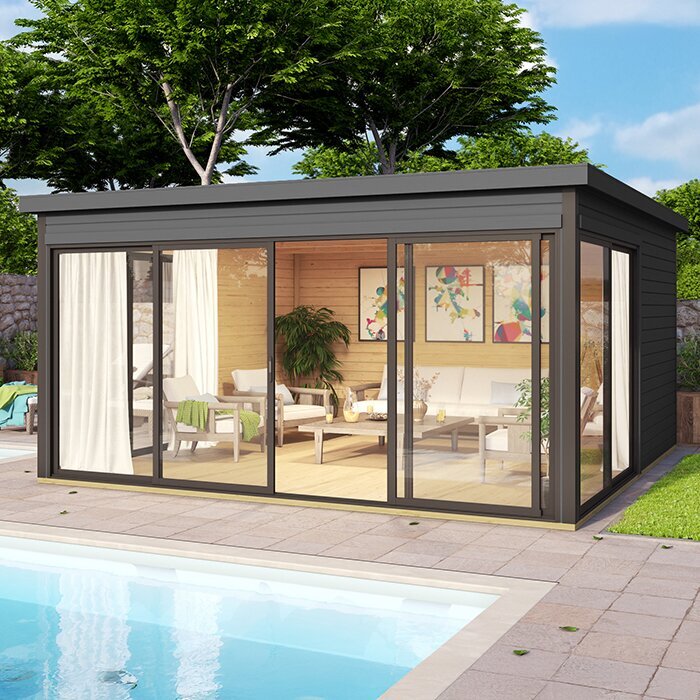
Before you order 5
Compare the full order, not just the listed building
Compare the complete purchase cost and scope for each candidate. Ask what is included in the quoted amount and whether delivery, unloading, assembly, site preparation, a base, flooring, treatment or accessories are separate. These details vary by listing, so confirm them rather than assuming that a pictured component is part of the package. If you need tradespeople or extra materials, include estimates for those items when comparing options. This gives you a more useful picture of the commitment than a building price viewed on its own, without relying on an offer or an unverified saving.
Before placing an order, check the exact model and any configuration you have selected, then compare the dimensions, door arrangement and included components with your measurements. Read the purchase terms, payment details, delivery arrangements and any warranty information that applies. Ask how assembly is handled and what preparation is expected from you. If something important is missing or unclear, get it confirmed in writing. Keeping the answers with your comparison notes helps you distinguish two otherwise similar listings and reduces the chance of discovering a mismatch after the order is placed.
Use a shortlist to make the final choice
Put your candidates in a simple comparison table with three groups: requirements the shed must meet, details you still need to verify and preferences that can be traded off. Record interior and exterior measurements separately, along with the opening size, site fit, package inclusions and any work needed to prepare or equip the room. Mark an unanswered requirement as unresolved rather than treating it as a pass. This makes the comparison more dependable than trying to remember several product pages or relying on which building looked largest in a photograph.
Before deciding, test the most important layout with full-size outlines of the work surface, storage and largest item. Walk through the route to the door and check whether you can reach what you need without moving other things. If the layout only works by leaving out an essential tool or activity, reconsider the size or the plan. Once the practical requirements are satisfied, compare appearance and any remaining preferences. A suitable choice is the one that fits your work, site and order requirements together—not simply the one with the most appealing name or image.
Frequently asked questions
What should I measure before buying a hobby-room shed?
Measure the space available in your garden, then list the largest items you’ll bring inside, the work surface you need and the room required to move around them. Check whether a listing gives exterior or interior dimensions, and confirm the clear doorway width and height before assuming equipment or materials will fit.
Can any garden shed be used as a hobby room?
Not necessarily. A shed that fits your garden may not suit the activity, season or equipment you have in mind. Check the building’s stated construction details and intended use, then consider whether the lighting, ventilation, services and storage you need can be provided. Get qualified advice for work that involves power, fumes, heat or dust.
Do I need a base for a garden shed?
The right base depends on the building’s requirements and the conditions at your site. Read the manufacturer’s instructions and ask the seller or a qualified installer what preparation is needed before ordering. Avoid assuming that a level-looking patch of ground is suitable or that a base is included in the purchase.
Can I use a garden shed as a hobby room year-round?
That depends on the shed’s specifications, site and the conditions your hobby requires. Verify details such as the stated construction, insulation and ventilation, and find out what heating or electrical work would involve if needed. A product photo or general shed description cannot confirm year-round suitability.
What should I confirm before placing an order?
Confirm the exact model and configuration, the dimensions and door opening, what the package includes, and the site-preparation, delivery and assembly arrangements. Read the applicable purchase terms, including any warranty information, and get answers to important questions in writing so you can compare candidates on the same basis.
A hobby-room shed is a better purchase when the building and the plan for using it have been considered together. Let your regular projects determine the space, access and storage you need; then check the site, fit-out and order details against those requirements. A measured layout and a clear list of what is included give you a practical basis for choosing, without expecting a garden shed’s name or appearance to answer questions the product information does not.
