
Buying a Garden Shed for Family Games and Entertainment
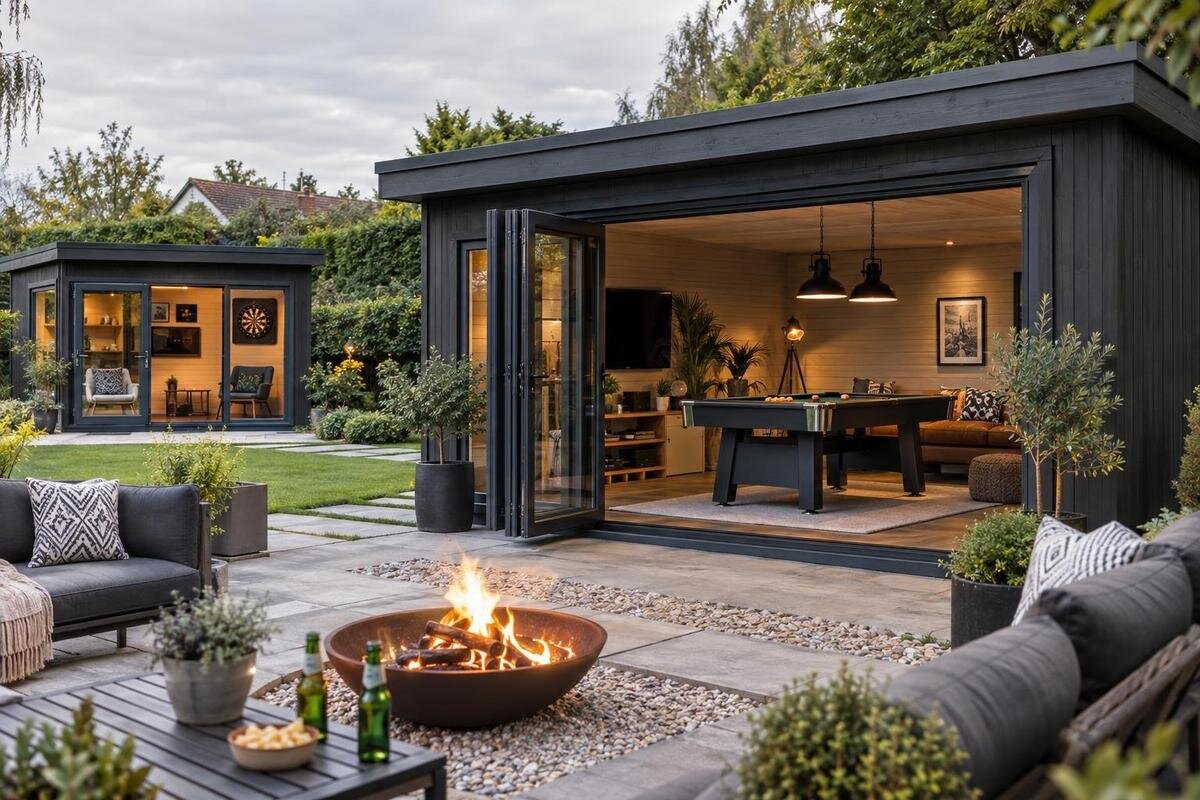
Garden shed buying guide
Buying a garden shed for family games and entertainment begins with a practical question: what will everyone do there, and how often? A board-game table, a place for card games, screen-based activities and a box of outdoor play equipment all call for different layouts. A shed that seems roomy in a photograph may leave too little clear floor area once the table, seats and storage are in place. Decide on the main activities first, then compare usable space, access, comfort, site requirements and the details confirmed in each listing. That approach keeps choosing a garden shed grounded in your family's routine rather than its appearance alone.
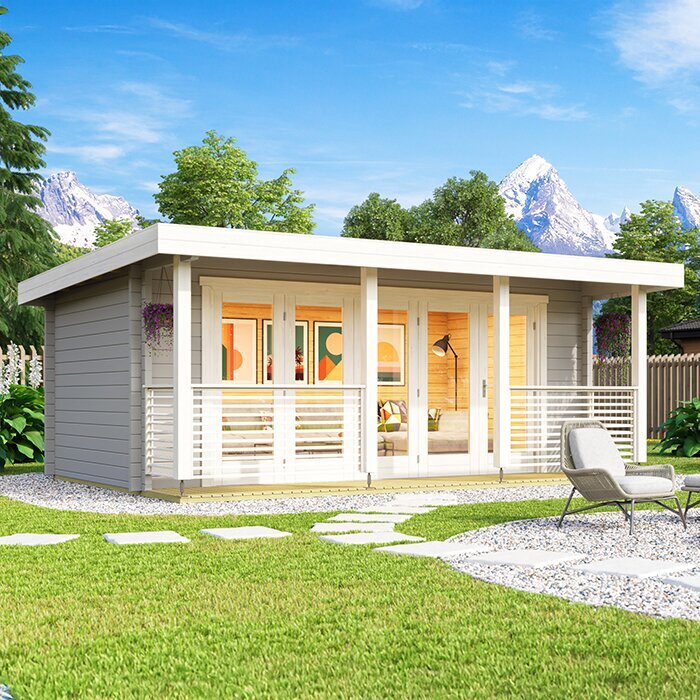
Decide how the family will use the shed
Begin by picturing a typical session from arrival to cleanup. Will everyone gather around a board-game table, spread out a puzzle, play cards, or use the floor for toys and other games? Write down the activities that will happen regularly, and note which might take place at the same time. A shed planned for one quiet game has different space demands from a room where children move between activities or several people play separately. This list turns a broad wish for an entertainment space into a practical brief for choosing a garden shed.
Frequency matters as much as the activity. A place used occasionally on pleasant days may need a simpler setup than a room the family hopes to use for regular play, including when the weather is poor. Consider how often you will carry games, seating or supplies back and forth, and whether equipment should remain there between visits. Rank one main use, a few secondary uses and any activities that are only a bonus. If the wish list keeps growing, separate the essentials from possibilities; one purchase does not have to anticipate every future hobby. It can also help to ask each regular user what makes a session enjoyable or frustrating. One person may value a permanent puzzle surface, while another needs open floor space or a quiet place to read between games. Agreeing on those priorities early prevents a layout from being driven by the loudest request rather than by the activities the room will support most often.
Measure the usable floor area
Start with the space available in the yard, then compare it with the usable area inside the shed. Outside measurements do not tell you how much clear floor remains after walls, the entrance and any fixed features are accounted for. Draw a simple plan and mark the table, chairs, storage and space needed to move around them. Include the area used when chairs are pulled out, not just their position when tucked under a table. If a listing gives only exterior dimensions, ask what interior measurements are available before you rely on them.
Use a candidate such as the Verdana 1 garden house as a comparison against your sketch, not as a substitute for measuring. Check what each published dimension refers to and whether a stated area covers the enclosed room or something beyond it. A photograph and a model name cannot show how much room will be left for playing. If a measurement that affects your layout is missing or unclear, treat it as an open question and get confirmation before ordering rather than estimating by eye.
Allow room for players to move
Plan for the number of people who will play at once, rather than counting everyone in the household as though they will always be in the room together. For a table game, mark the tabletop and the space occupied by each chair. Then allow for people to sit down, stand up and pass behind one another without constantly shifting furniture. If children may move between a table game and floor play, include both areas in the plan. A layout that technically fits the furniture can still feel cramped when people are actually using it.
Mark the entrance and its opening on the drawing, then trace the routes people will take from the door to seats and storage. Consider anyone who may come in while a game is underway, or leave to fetch another game. For the Verdana 2 garden house, as with any listing, compare confirmed opening and interior details with that route plan. Do not infer doorway clearance or seating capacity from the product name or an exterior image; ask for the relevant measurements if the listing does not make them clear.
Fit the game setup before adding storage
Choose the main furniture arrangement before deciding how much room can be used for boxes and shelves. A table that works for cards may be too small for a puzzle left out between sessions; a larger table may leave less room to walk around it. Mark the furniture dimensions on your plan, including space for chairs and any game pieces that spread beyond the table. Folding or stackable furniture can offer flexibility, but only if there is a practical place to store it when it is not in use.
If the room will also support other entertainment, decide where equipment and people will go without compromising the main game area. A screen, for example, may need a clear viewing angle and a position that does not compete with the table. Check product details rather than assuming a particular feature or accessory comes with a building. When assessing the Durano garden house listing, compare only the information actually supplied with your furniture plan; the name alone does not establish its interior layout or included contents.
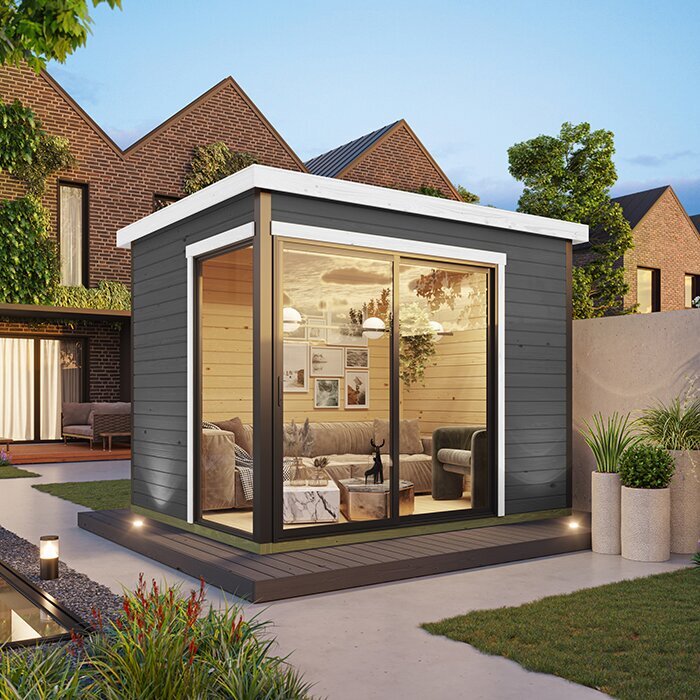
Consider daylight, glare and privacy
Think about the light at the times your family expects to play. Natural daylight can make it easier to see game pieces, but direct sun may cause glare on a table or screen at certain times. Visit the proposed site at a relevant time of day if possible and notice how shadows move across it. If a game table needs a consistently bright position, leave room to place it where it works rather than assuming that a particular side of the building will receive the right light.
Privacy is also part of the room's feel. Consider what people outside the shed could see, whether evening use is likely and whether a screen would be affected by reflections. Product photos are not a reliable way to confirm the position or type of openings. Check the listed information and ask for clarification if light or privacy depends on a specific arrangement. Compare the Veltor 1 garden house with the conditions at your chosen spot, using confirmed details rather than assuming how bright or private it will be. Also consider where a table, screen or reading chair could go if the light changes during the day. A layout with more than one workable position is easier to live with than one that depends on a single patch of sun or shade. Curtains, blinds and added lighting are separate decisions, so include their space and suitability in your planning rather than treating them as automatic solutions.
Set expectations for seasonal comfort
Decide whether the shed is mainly for warmer months or whether you expect to use it through a wider range of local conditions. A garden shed is not automatically equivalent to a finished room in the house. The category name alone does not confirm insulation, ventilation, weather resistance, flooring or comfort in different seasons. Think about how long a typical game session lasts and what conditions would make the space comfortable enough for your family to use. Local weather and the position of the building can affect what is practical, so avoid making assumptions from a general product description.
When considering the Orello 1 garden house, rely on details confirmed in its listing and ask the seller what remains unclear about your intended use. Do not infer insulation, heating, ventilation or electrical provision from the product name or an image. If the entertainment plan depends on powered equipment or changes to building services, have a qualified professional assess what is appropriate for the structure and site. Confirming those needs before purchase is more useful than assuming they can be added later without further checks.
Keep games organized without crowding the room
Make a short inventory of what you plan to keep in the shed: game boxes, cards, puzzles, outdoor play equipment, spare chairs or seasonal supplies. For larger items, note their actual dimensions and how they will get through the entrance. Decide which things need to stay within easy reach and which can be stored elsewhere. A cabinet or shelf occupies floor or wall space, so include it in the layout before deciding that the remaining area is enough for play. Keep the storage plan proportional to the activities the room is meant to support.
A shared recreation and storage space can work if the two uses have clear places. Mark a storage zone on the plan and protect the route to the door, the seating area and any surface where a game might stay set up. Check whether storage furniture is included or would need to be purchased separately; do not assume shelves or cabinets are part of the building. Use the same checklist when reviewing the Modano garden house product page, and compare only its stated details with the storage and play arrangement you have planned.
Check the site and the route to the shed
The building's location affects how naturally the family will use it. Walk the route from the house to the proposed spot and consider carrying a game box, supplies or a chair along it. Gates, steps, narrow paths and uneven sections can make frequent trips less convenient. Think about sightlines and how the shed will sit in relation to the rest of the yard, too. The goal is to choose a location that works for everyday access as well as the footprint, rather than selecting a spot solely because it looks suitable from indoors.
Before settling on a model, confirm that the proposed position can accommodate its confirmed footprint and that the ground and preparation requirements can be addressed. Do not choose a base or make structural assumptions from a generic picture; ask the supplier or a qualified installer about site-specific questions. Local rules and property restrictions can also vary, so check with your municipality or relevant property authority rather than assuming a particular building or use is exempt. Apply these checks to the Wooden Garden Shed M product page as you would to any other listing, before arranging delivery.
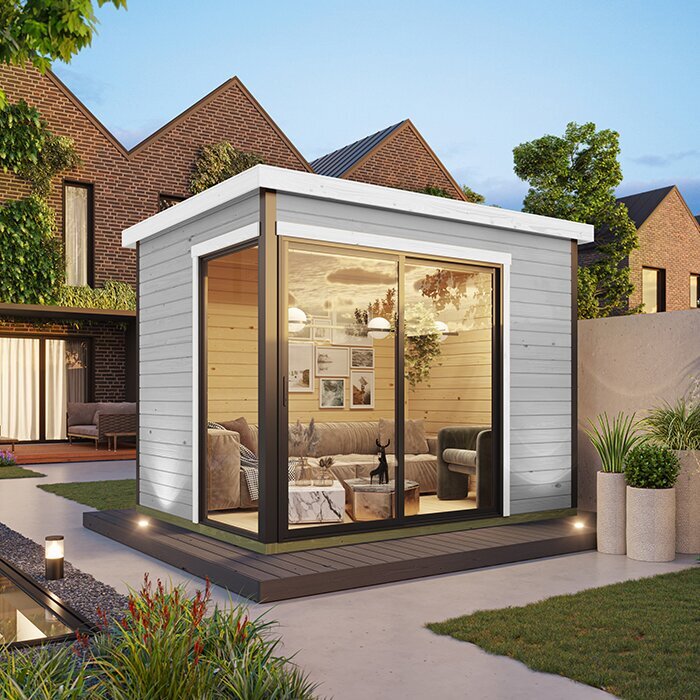
Compare the full order and setup requirements
Compare the total purchase and setup costs, not just the first figure you see. Depending on the project, you may need to account for site preparation, a base, delivery, assembly, finishing or separate furniture and storage. Review what the listing says is included and identify anything that is optional or not specified. If you are comparing several buildings, use the same categories for each so that an apparently lower initial cost is not being compared with a more complete setup. No assumed promotion or saving should take the place of checking the actual terms shown at purchase. Keep a separate list of items needed to make the space usable for games, such as tables, seating, storage and lighting, without assuming that any are supplied. This separates the building decision from the furnishing budget and makes it easier to postpone non-essential purchases while still allowing for the essentials.
Delivery and assembly details can affect whether a choice is practical for your property. Ask where the order will be unloaded, whether the route to the proposed site is workable and who is responsible for assembly. If access is restricted, request any package or handling information that is available before committing. Confirm the seller's stated responsibilities and exclusions in writing, especially if the site needs preparation first. When reviewing the Wooden Garden Shed S product page, use the same questions; the model name does not establish delivery arrangements, included parts or assembly requirements.
Compare each option against the same priorities
A simple comparison table can keep the decision focused. Put essential needs in one column, such as a usable layout for the main game, enough room for the people who will play together and an accessible route to the entrance. Put preferences, such as extra storage or a particular look, in another. For each listing, mark information as confirmed, not confirmed or unsuitable instead of filling gaps with guesses. Give the most important needs more weight than features that would be pleasant but are not necessary. This makes differences between options easier to see without relying on impressions alone.
Before ordering, review the plan with the people who will use the shed. A paper layout or a floor outline marked at home can reveal whether the chairs, game table and storage leave enough room for an ordinary session. Revisit every unresolved point that could change the choice: dimensions, included items, site preparation, intended seasonal use and any requirement for building services. If the decision depends on a specific structural or weather rating, verify the relevant documentation and seek qualified advice where needed. A suitable purchase is the one that meets the family's actual priorities with uncertainties resolved, not simply the one with the most imagined uses.
Frequently asked questions
How much space does a garden shed for family games need?
There is no single ideal size. Plan for the activities, the maximum number of people using the room at once, furniture, storage and clear routes to the door. Compare usable interior measurements with your layout, not just the building's outside footprint.
Can a garden shed be used for family entertainment year-round?
That depends on the specific building, its installation, the site and any services it needs. The term garden shed does not confirm insulation, ventilation or year-round comfort. Check the published details and consult a qualified professional about any planned changes to building services.
Should I choose the largest garden shed that fits in my yard?
Not necessarily. A larger footprint may reduce space for other garden uses and add to site-preparation or assembly needs. Choose dimensions that fit the intended layout, access route and location, then compare the full purchase and setup costs.
Can I use the same shed for games and outdoor equipment?
Possibly, if the storage does not take over the play area or block access. List the equipment, allow for its actual size and decide where it will go. Confirm whether any shelves or storage accessories are included rather than assuming they come with the building.
What should I confirm before ordering a garden shed?
Check the measurements and what they represent, the entrance details, included components, assembly responsibilities, delivery arrangements and any site preparation. Ask your municipality or property authority about local requirements, and get professional advice if the intended use depends on specific structural or service details.
A garden shed for family games should fit the way your household actually plays, with room for people to move and enough space for the games and furniture you plan to keep there. Build your comparison around a measured layout, realistic seasonal expectations and confirmed ordering details. When those pieces line up, it is easier to choose a building that supports shared leisure without forcing the family to work around a cramped or uncertain setup.
