
Buying a Garden Shed Online: A Pre-Order Checklist
Garden shed buying guide
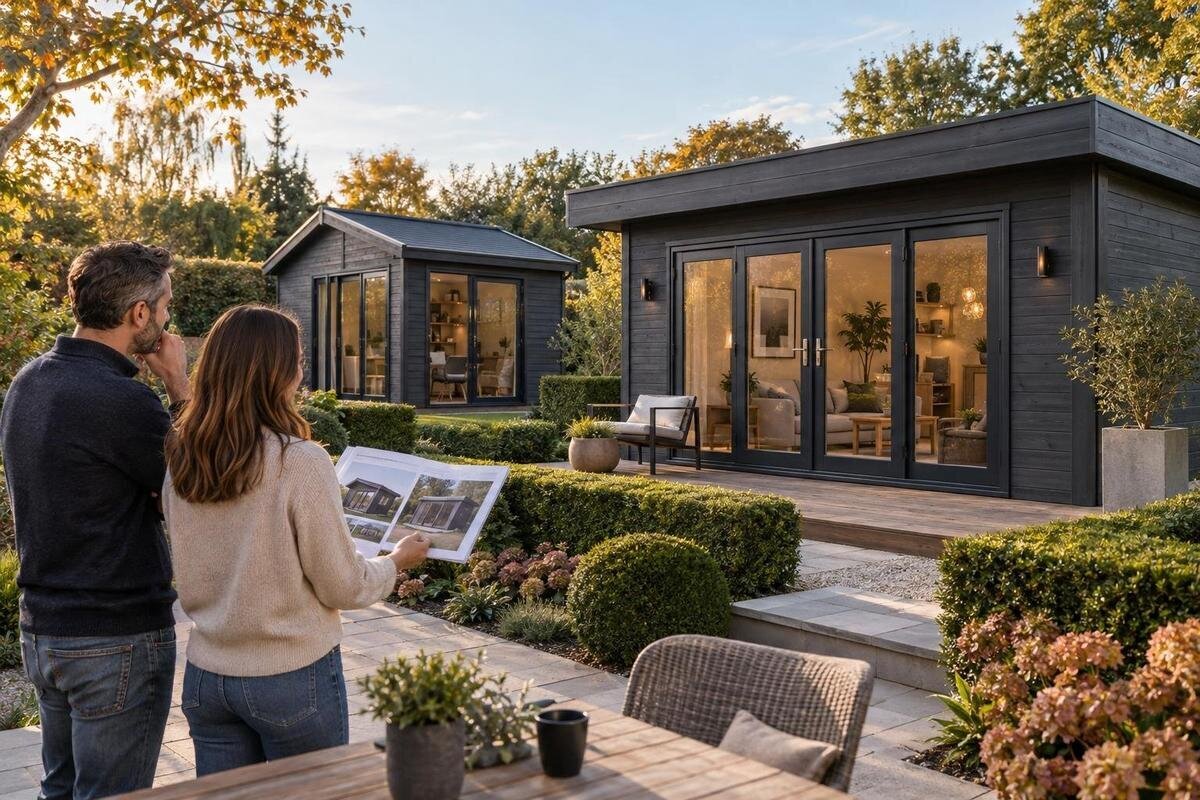
Buying a garden shed online can save you a trip, but a product photo cannot show whether the structure will fit your yard, suit its intended use or arrive in a form you can manage. A useful pre-order checklist puts the measurements, site, delivery route and order terms beside one another. Start with what you need to store, then check the product page for specifics rather than reading them into a model name or image. The goal is not to find the biggest or most feature-rich option; it is to identify a listing whose documented details match your space and practical constraints.
Decide what the shed needs to do
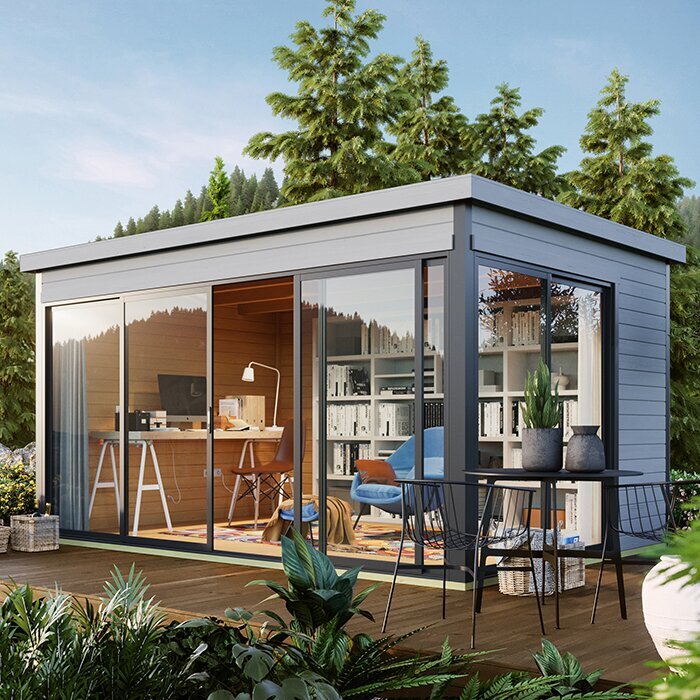
Write down what you plan to store before browsing. Group items by size and frequency of use: long-handled tools, bins, bikes, patio cushions and seasonal equipment take space in different ways. Note the largest item, how you carry it and whether you need to reach it without shifting everything else. Separate storage from activities such as potting or repairs. A garden shed listing does not automatically establish that it is suitable as a workshop or for a particular kind of storage, so make your intended use clear before comparing options. Also note which items must stay accessible throughout the season and which can be stored at the back. This helps you judge whether the layout you need is practical, rather than focusing only on total floor area.
Turn that list into essentials and nice-to-haves. An essential might be room for a specific item or a layout that lets you retrieve frequently used tools; an optional feature might simply be a preferred appearance. Think about whether your needs are likely to change, but don’t pay for imagined capacity you can’t verify. If your shortlist includes the Verdana 1 garden house, use its written dimensions and stated details to assess it. The product name alone does not tell you how much it holds or whether it suits your plans.
Measure the site and the route to it
Measure the actual area where the shed could sit, rather than relying on the size of the yard as a whole. Mark the proposed footprint on the ground with string or another visible guide, then check how it relates to fences, trees, paths and other structures. Consider the space needed to open doors and move stored items in and out. Keep the route through the yard in mind too: a location that fits on paper may interfere with everyday access or leave too little room to use nearby features. Walk around the marked area at the times when you normally use the yard. This can reveal conflicts with a gate, garbage-bin route, seating area or snow-clearing path that measurements alone do not make obvious.
Make a simple site sketch with measurements and fixed obstacles before comparing listings. Record which way you would want the entrance to face and what needs to remain accessible around the shed. Apply that same sketch to every candidate, including the Verdana 2 garden house. Compare its stated outside size with the space you measured; don’t estimate from a photograph or assume that a product will fit because the listing looks compact. If a measurement is unclear, leave it unresolved until you can confirm it.
Compare outside dimensions with usable space
Product pages may show several measurements that describe different things. Check whether a diagram labels the overall outside dimensions, the base or floor dimensions and the interior space separately. Height can also be described at more than one point, such as the roof peak and the eaves. These figures are not interchangeable. If a specification does not explain what its measurements include, ask before comparing it with your available space or treating it as a guide to usable storage.
Door-opening width and height matter when you need to bring in bulky equipment, while interior dimensions determine how much room is available once the shed is in place. Check the drawing as well as the written figures, and note the units; Canadian listings may present imperial or metric measurements. On the Durano garden house product page, as on any listing, use only the dimensions and details actually provided. If you need a specific opening size or interior clearance, confirm that exact figure rather than judging it from an image. When comparing models, record each measurement in the same unit and label what it refers to. A larger outside footprint does not necessarily answer how much clear storage space is available inside.
Check material and maintenance details
Read the materials information for the structure and for its individual components. A page may describe the walls without making clear what is supplied for the roof, floor, doors or glazing. Check whether any surface treatment or finish is included, whether it needs attention after assembly and what routine upkeep the manufacturer recommends. Avoid assuming that a material name, product photograph or general category description answers those questions; look for the details attached to the exact listing you are considering. Save those instructions while you compare options, especially if they describe work that must be completed at a particular stage. Knowing the ongoing tasks in advance makes it easier to compare ownership demands as well as the initial order.
Consider the care you are prepared to provide over time, and whether the manufacturer’s guidance fits your intended location and use. If you need information about performance in local weather, look for applicable written specifications rather than relying on a broad claim such as durable or all-weather. For the Veltor 1 garden house, for example, compare the documented material and care details with those of other candidates; the model name does not establish its construction or maintenance needs. Ask the seller to clarify any missing information before you place an order.
Match the shed to its base and site conditions
Check the manufacturer’s instructions for the required base type, dimensions and site preparation. An existing patio or other surface is not automatically suitable, and a product page may not include a base with the shed. Confirm what the instructions say about the surface and support before deciding whether your site is ready. Where the ground is sloped or uneven, or drainage is uncertain, don’t improvise a solution from a product photo; ask a qualified professional what the site requires.
Think through the work that may be needed to prepare the location, and whether that work changes your budget or schedule. If excavation or other ground work is planned, have underground services located through the appropriate local service before work begins. Apply the same questions to the Orello 1 garden house as to every other candidate: use its own written requirements, not assumptions based on a name or a different model. If the listing does not explain what the shed needs to sit on, get that point answered before ordering. Keep the base requirements with your site sketch so the person preparing the location is working from the same information. A level-looking surface may still need assessment against the supplier’s stated requirements.
Check local and property restrictions
Before settling on a location or model, check with your municipality whether any permits, approvals or other requirements apply. Rules and property conditions can differ, so don’t rely on advice for another town or assume that a small structure is automatically exempt. If you rent, live in a condominium or have property-association rules, review the relevant documents and ask the responsible organization about restrictions on placement, appearance or construction before you commit.
Confirm where your property boundaries and any easements or shared areas are, especially if the proposed site is close to a fence or another building. Consider access for installation as well as the final position; permission to place a shed does not necessarily answer how materials can reach it. Resolve these questions while you can still compare locations and sizes. A short check with the appropriate municipal or property authority is more useful than relying on a general online discussion that may describe a different place or set of rules. Make a note of the date and source of any answer you receive, since it can help you revisit the correct requirement if your planned location or model changes before purchase.
Review doors, light, ventilation and security
Match the entrance and other openings to the way you will use the shed. Check where the door is positioned, how it opens and whether its path conflicts with a fence, stored items or a nearby walkway. Consider whether you need natural light to find things, and whether the location of any window would work with the planned layout. For security, look for clear information about the locking arrangement and whether any hardware you expect is included; do not infer these details from a close-up image. If the listing provides drawings, use them to map shelving, large items and circulation before ordering. This can show whether an opening is blocked by the storage arrangement you have in mind.
Glazing and ventilation are different considerations, so check whether the listing describes ventilation rather than assuming a window provides it. If you plan to spend extended time inside, store items that need particular conditions or make changes such as adding electrical equipment, verify that the structure is intended for that use. Ask a qualified professional about any proposed electrical work. The Modano 1 garden house is one listing you can assess using those same questions; its name alone does not confirm its openings, security features or intended use.
Settle delivery arrangements before checkout
Check that delivery is available to your address and find out where the shipment will be left. Ask for the package dimensions and weight, if available, then compare them with your driveway, gate and route to the proposed site. A structure may fit in the yard but arrive in packages that cannot pass through a narrow access point. Consider who will be present to receive it and how you will move it from the delivery point; don’t assume the carrier will take it to the assembly location. Plan where packages can wait if assembly will not begin immediately, keeping them clear of traffic and protected in the way the supplier’s instructions require. This avoids making a delivery decision without considering the period between arrival and assembly.
Clarify what the delivery charge covers and whether unloading, lift equipment or other handling is included or arranged separately. Ask how delivery is scheduled, what access the carrier needs and how to report damage or missing packages. Keep the relevant instructions somewhere you can consult when the shipment arrives. For the Wooden Garden Shed M listing, as with any option, verify the current delivery terms and package information for your address rather than guessing from the product name or assuming that every order is handled in the same way.
Know what assembly and the order terms include
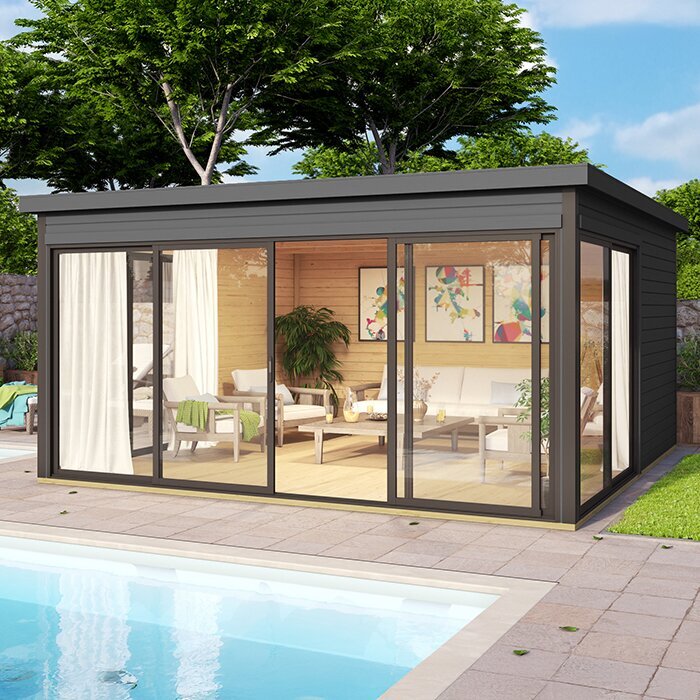
Find out whether the price shown is for a kit, an assembled structure or another arrangement; don’t assume that assembly labour is part of an online order. Check what the supplier says is included, such as the parts, fasteners, instructions and components for the roof or floor, and what you must provide separately. Read the assembly information before buying so you can judge whether you have the tools, time and help required, or need to arrange a qualified installer. Site preparation may be a separate task from assembly. Consider the order in which the work must happen: the base may need to be ready before delivery or assembly can proceed. If you expect to hire help, give that person the exact product documentation rather than a screenshot or a general product description.
Read the seller’s terms for returns, cancellation, warranty coverage and the process for missing or damaged components. Look for conditions that apply to assembly, finishing or maintenance, and identify any exclusions or costs not included in the displayed total. For the Wooden Garden Shed S listing, confirm the exact contents and terms attached to that listing; the name does not establish the package scope or the service included. Keep written answers to important questions alongside the product details so you can refer to them if the order differs from your expectations.
Compare candidates in a written checklist
A side-by-side record makes gaps easier to spot than several open browser tabs. For each candidate, note the outside and interior dimensions, the opening measurements you need, material and maintenance details, base requirements, delivery arrangements and assembly scope. Record where each answer came from, such as a specification diagram or written response, and mark unknowns plainly. This keeps an attractive photo or a persuasive product name from standing in for information that the page does not actually provide. Include the date you checked each listing, since product details and order terms can change. Comparing the same categories for every model makes a missing answer visible and gives you a focused question to ask before checkout.
Before checkout, return to the exact model and variant you chose. Check that the order details match your notes, the delivery address is correct and the checkout summary identifies what is included and any additional charges shown. Save the product information, written clarifications and applicable order terms with your confirmation. If an important measurement, site requirement or delivery detail remains uncertain, pause the purchase until you have a clear answer. That pause is part of an effective pre-order checklist, not a failure to choose.
Frequently asked questions
What should I measure before I order a garden shed?
Measure the space available for the shed, the route to that space and the largest items you plan to store. Check the listed outside dimensions and door opening as well as any interior measurements. Leave room for the access and clearance you need around the finished structure.
Should I arrange a base before ordering?
First check the manufacturer’s requirements for the base, including its type and dimensions. Don’t assume that an existing patio or a particular ground surface will meet them. If the site is uneven, sloped or has drainage concerns, ask a qualified professional what preparation is appropriate.
Can I judge a shed’s fit from product photos?
Photos can help you understand the product’s appearance, but they don’t reliably establish dimensions, usable space, included components or suitability for a particular use. Use the written specifications and drawings for those details, and ask the seller to clarify anything that is missing or ambiguous.
What should I ask about delivery?
Confirm that delivery is available to your address and ask where the carrier will leave the shipment. Check package dimensions, weight, unloading arrangements and any access conditions. Also clarify how to report transit damage and what to do if a shipment is incomplete.
How can I compare two online listings fairly?
Use the same checklist for each: outside and interior dimensions, materials, base requirements, intended use, delivery arrangements, assembly scope and order terms. Record the source of each detail and mark anything unknown as a question instead of filling gaps with assumptions from a model name or photo.
A sound online purchase comes down to details you can compare: the shed’s measured fit, the site requirements, the delivery plan and the scope of the order. Keep your notes together, distinguish confirmed specifications from unanswered questions and use the exact listing and terms for the model you select. When those pieces line up with what you need to store and the space you have, you can place an order with a much clearer picture of what comes next.
