
Buying a Garden Shed to Replace an Old One: What Must Change?
Garden shed replacement
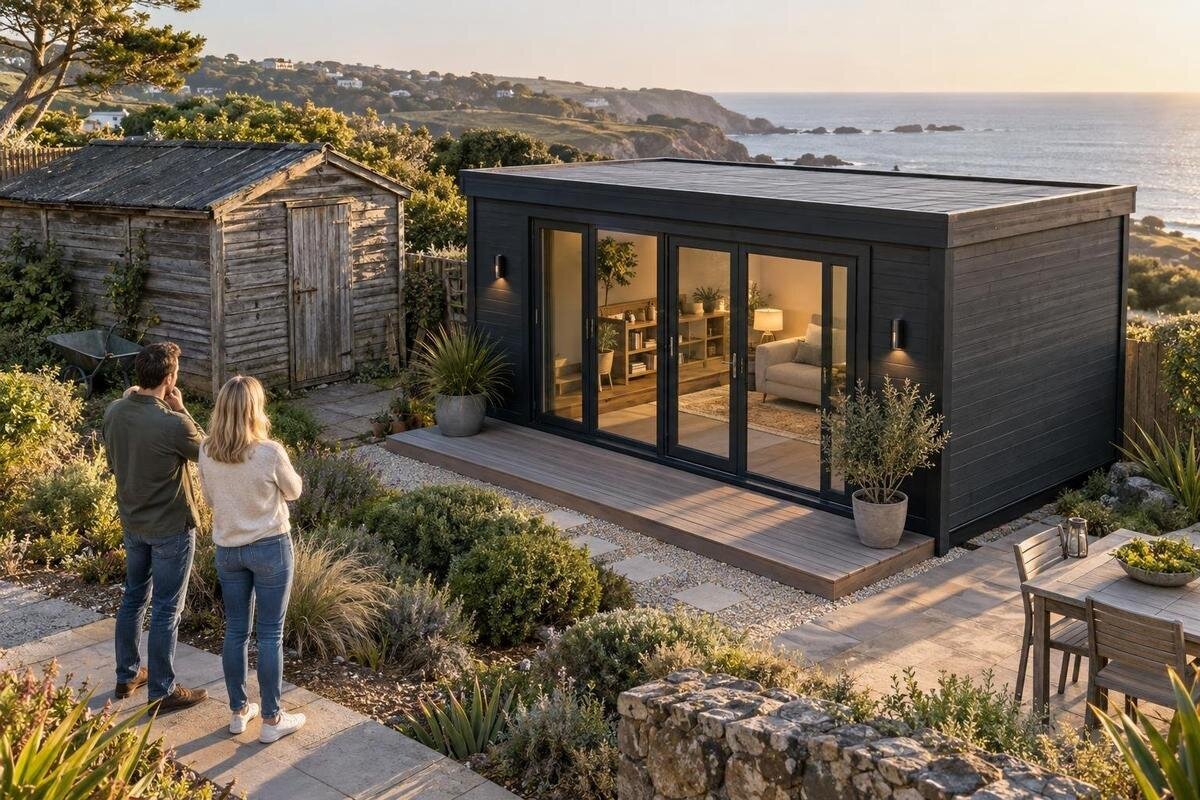
Replacing an old garden shed is an opportunity to change more than the building itself. The old structure reveals what you store, how often you need it and where the current arrangement creates friction, but its footprint may no longer match your needs or the site. Before buying a garden shed, inventory the contents, measure the items and proposed location, then compare those requirements with product and delivery information. The goal is a replacement that corrects specific problems without adding space or features that do not solve them.
What the old shed reveals about your needs
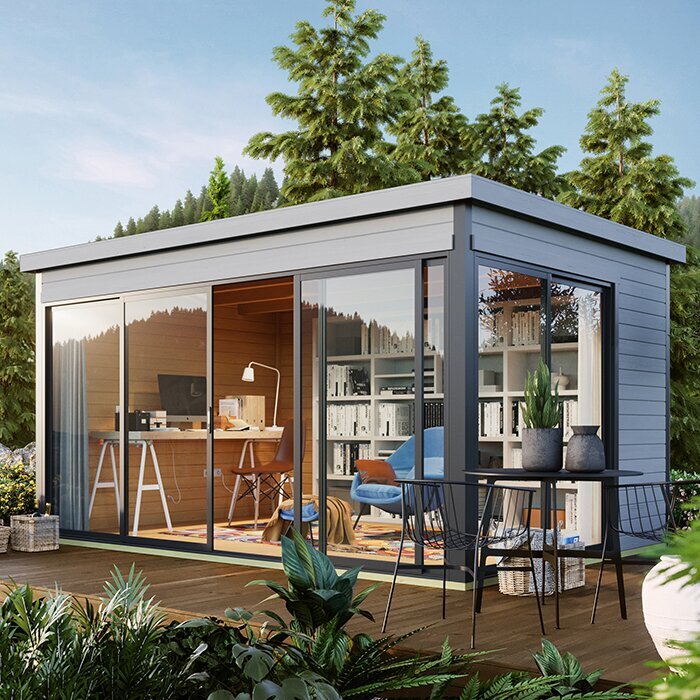
Before browsing, keep a short record of the old shed in use over several weeks or seasons, if possible. Note what comes out regularly, what stays untouched and what you must move to reach something else. Write down concrete frustrations, such as a doorway that is awkward for a long tool, boxes that block access or a damp corner, rather than simply describing the building as too small. Some problems may come from a storage habit; others relate to the structure or its position. Separating the two helps you avoid buying a replacement that repeats an inconvenient layout just because it resembles what is already there. A few photos or a quick sketch can preserve details you may forget once the shed is empty. Note when a problem occurs, too: a tight route may matter most when carrying equipment in or out.
Record what works as well: the route from the house, which side is easiest to approach and whether the location makes frequent tasks convenient. Note changes since the shed was installed, such as new fencing, a patio, mature plants or equipment that was not part of the earlier setup. The replacement must suit the yard as it exists now, not the conditions remembered from the original purchase. For an initial product-page comparison, the Verdana 1 garden house listing can be one entry; check its stated details rather than assuming a match from the model name. Describe each requirement in terms of what needs to fit or become easier to reach.
Inventory what will move into the replacement
Emptying the old shed makes a proper inventory easier, but you do not have to decide what to keep all at once. Sort the contents into items that will go into the replacement, items that will live somewhere else and items to remove from the storage plan. Within the first group, list everyday tools, seasonal equipment, containers, long-handled items and bulky belongings such as folded outdoor furniture. Record quantities and identify the largest example in each group. Include the bin or case that holds an item, not just its contents, because the outer container determines where it can be stored. If an item is sometimes kept elsewhere, count it once rather than treating each location as a separate need.
Then note how each group is used. Separate things needed weekly from those used only at certain times of year, and flag items that must stay upright, cannot be stacked or need room for a handle or lid. This helps you decide which belongings need convenient access and which can go farther back without making the shed awkward to use. Leave out belongings you are definitely donating, discarding or storing elsewhere; otherwise, they can inflate the size you think you need. Use the same inventory for each candidate, including the Verdana 2 garden house listing, and assess it only against the features and dimensions stated for that product.
Measure the items and the clear opening
Measure representative large belongings before choosing the building: the longest rake or ladder, the widest mower or cart, tall containers, folded furniture and the largest bins. Include handles, wheels, lids or other parts that project when an item is in its normal stored position. If something has to be turned or tipped to get through the door, record how you carry it as well as its overall dimensions. These details reveal restrictions a floor-area figure cannot show, particularly for tall or bulky items that must pass through a narrow route. You do not need to measure every small hand tool; focus on objects that determine the space they need.
For each candidate, distinguish the outside footprint from usable interior dimensions and the clear opening of the door. A product page may present measurements in different ways, so check what each figure describes and ask the seller if it is unclear. Compare the widest and tallest items you plan to store with the stated opening, not with the shed's overall width. Allow for the space needed to manoeuvre an item once it is inside, too. The Durano garden house listing is one page you can review this way; neither its name nor an image confirms a dimension or a fit.
Match the layout to everyday access
A rough floor plan can show whether a candidate's usable area will work better than the old layout. Mark the entry, draw a clear route from it to the back, then place the largest belongings where you expect to keep them. Add shelving, a work surface or a bin area only if it suits your use. This makes it easier to see what might block the route before you buy: a wide object near the entrance can make the rest of the floor difficult to reach, while a row of containers can leave little practical standing space. A simple sketch is enough to test the arrangement; it is not a construction drawing.
Check how the entry opens and where it is placed. If a door swings, account for its movement inside and outside; for any other opening arrangement, confirm the usable access from the product information. Think about where you will stand while lifting, pulling or returning equipment, and whether a cart or bin could block that space. Shelving may create useful storage but also narrow a path or cover an opening, so include its likely position in the plan rather than adding it after choosing a size. Review the Veltor 1 garden house listing against the entry and layout details actually provided.
Recheck the location and its clearances
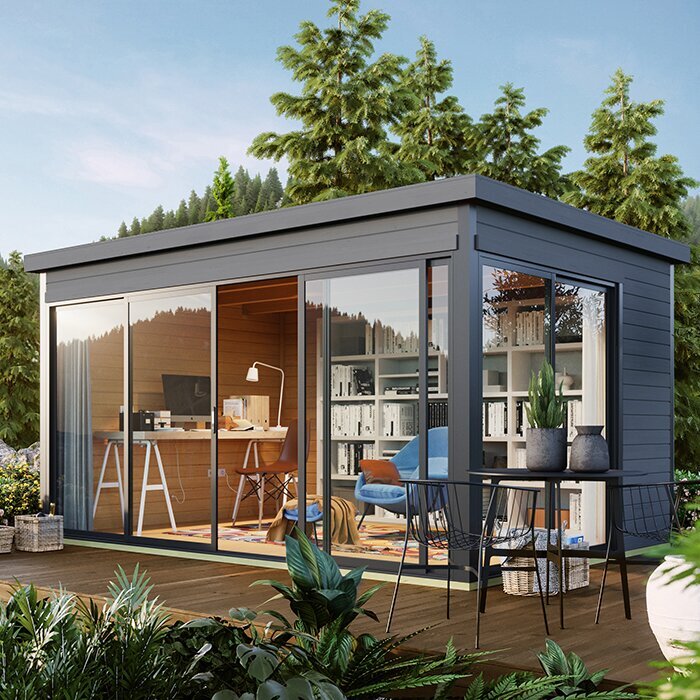
Measure the proposed location instead of assuming the old shed's base marks the ideal or maximum space. Note the available length and width, and where the new building could sit, including the route to its entrance and room to reach around it for ordinary upkeep. Check whether fences, gates, shrubs, branches, parked vehicles or nearby property constrain the positions you had in mind. Use the product's stated outline to compare it with the available area, and distinguish dimensions for the walls from any projections if that information is given. An open patch on a sketch is not necessarily a workable location once access and clearances are considered.
Observe the site in ordinary conditions: where water runs or collects, how sun and shade fall, and whether the ground appears sloped or soft. These are useful observations, not a technical assessment or a substitute for the product's siting information. A location that suited the old shed may not suit a different footprint or entry direction. Check any applicable municipal or property requirements before committing if they could affect the proposed position; do not treat a neighbour's building or the previous shed as proof that your plan is suitable. For the Orello 1 garden house listing, check the published outside dimensions and any stated clearance requirements rather than estimating from the image.
Confirm whether the old base can be reused
Treat the old base as a separate part of the replacement decision. Its presence does not guarantee that it is the right size, condition or type for a different product. Measure the usable area, note what it is made from if known, and record whether its edges align with the current shed. Look for visible cracking, movement, uneven areas or places where water collects; these observations help you ask informed questions, but they do not establish that the base can support a new building. If the edges are uneven, record the measurements at more than one point. If its construction or condition is uncertain, do not assume it is reusable without review.
Compare the base with the selected product's own instructions, including any stated dimensions, surface, support and moisture-management requirements. If the seller's information is incomplete, ask the supplier or a qualified installer before ordering; do not select a foundation only because it worked for the previous shed. The Modano 1 garden house listing is one page to check for instructions that are actually provided, but a product name or photograph cannot resolve a site-specific question. Plan the new size and prepared surface together, so a change in footprint does not leave an unresolved base question after the order is placed.
Plan the delivery route and assembly area
The building has to reach its final position, not just fit there. Walk the route from the delivery point to the proposed site and measure narrow gates, turns, steps, slopes and low branches. Note fixed obstacles and whether there is room to manoeuvre components around corners. Ask the seller how the order is delivered and what package dimensions, weights, unloading arrangements or access limits apply, if those details are available. A completed building and separate components can require very different routes, so confirm the delivery format instead of assuming it will resemble the old shed's arrival. Photos of tight points can make questions easier to explain.
Plan where components could be placed temporarily and where assembly could take place without blocking household access or the working area. Confirm who handles unloading or assembly, what preparation is expected and whether the chosen site gives the people doing the work a clear route. If assembly is arranged separately, coordinate it with the seller or installer rather than relying on a product label. For a shortlist entry such as the garden shed M listing, check that listing's delivery and assembly information; do not infer package size or setup requirements from its name. Consider whether the staging area will remain accessible if you need to keep the old shed until the new one is ready.
Compare listings using the same criteria
Build a side-by-side comparison with the same questions for every candidate. Record the stated outside dimensions, usable inside dimensions where supplied, clear opening, internal arrangement and any exterior projections shown in the documentation. Then note materials, included components, floor provision, glazing, ventilation and maintenance instructions only when those details are explicitly described and matter to your use. If a detail is missing or a measurement is not clearly defined, write 'confirm with seller' instead of filling the gap from a photo, URL or model name. This keeps the decision grounded in information rather than appearance.
Add what is easy to overlook between choosing a product and placing the order: base preparation, assembly information, care needs, available variants and the terms that apply to the exact item. Confirm whether images show the version you intend to buy and whether accessories are included if the listing does not say. The garden shed S listing can be added to the same comparison, but use its stated specifications rather than assuming a size from the letter in its name. A written table also shows which questions remain unanswered, so you can settle them before committing instead of discovering that a must-have detail was only assumed.
Decide which old features must change
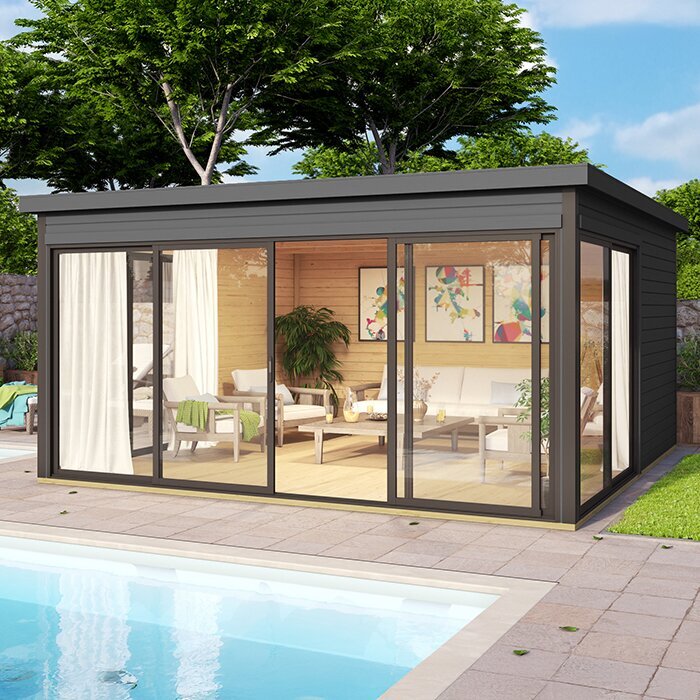
Turn your notes into a short priority list: must change, keep if possible and not needed. A doorway that repeatedly blocks a particular tool may be a must-change requirement; a convenient location may be worth keeping; an unused feature is not a reason to expand the plan. Write each need in concrete terms, such as space for named containers, clearance for a specific item or entry access from a particular side, so you can check it against product information. Avoid vague requirements such as 'more room' if the actual problem is height, reach or a blocked route. This makes the replacement decision about solving problems, not simply choosing something bigger.
Test the shortlist against a normal routine: bringing a large item in, putting tools away after gardening and retrieving seasonal equipment without shifting everything else. Ask whether each change removes the original inconvenience or merely moves it to another corner. Separate needs caused by the building from those caused by organization; changing how bins are grouped may solve some issues without changing the structure. If two desired features conflict, rank them before comparing options so one attractive detail does not distract from a requirement that matters every week. A replacement need not copy the old shed or grow larger; it should support the storage you have decided to keep.
Settle the order before removing the old shed
Before placing the order, confirm the exact product and any selected variant, then check its description, dimensions, included components, base requirements and assembly information against your written list. Ask about unclear specifications, exclusions, delivery arrangements, access needs and whether assembly is included or must be coordinated separately. If timing matters, ask the seller to confirm the expected delivery arrangements rather than making plans around an assumption. Keep the answers with the product information, especially when the purchase depends on a particular opening, footprint or prepared base. If an unresolved site question could change where or how the shed is installed, obtain qualified advice before committing.
Plan the transition for your property: where contents will go while the old shed is removed, how the new components can be stored or staged, and when the site will be ready. Avoid dismantling the only practical storage space until the replacement order and work sequence are settled, unless a safety issue needs professional attention. Arrange removal, reuse or disposal of the old building separately if the new order does not cover it, and label the items you plan to move so the new layout reflects your inventory. The replacement works best when the building, location, base and handover are planned as one change rather than a last-minute swap.
Frequently asked questions
Does a replacement shed need the same footprint as the old one?
Not necessarily. Treat the old footprint as one reference, then compare the belongings you plan to keep, their dimensions, the doorway and the available site with each candidate's stated measurements. The replacement can be the same size or different, depending on what you store and where it can fit.
Can I reuse the old shed's base?
Possibly, but its presence alone does not confirm that it suits a different product. Compare its dimensions and condition with the new shed's stated base requirements. If the base or its construction is uncertain, ask the supplier or a qualified installer before ordering.
Which measurements matter besides floor area?
Measure the largest items you plan to store, including handles or wheels, and compare them with the clear doorway and usable interior dimensions. Also measure the proposed location, note obstacles on the delivery route and confirm what the product's listed dimensions describe.
Should I remove the old shed before placing the new order?
Plan the removal and replacement together. Check the order details, site, base, delivery route and assembly arrangements first, and decide where the contents will go in the meantime. Keeping the old shed until the handover plan is settled can avoid losing practical storage too soon.
What should I confirm with the seller before ordering?
Ask about unclear dimensions, the exact product version, included components, base requirements, assembly arrangements and delivery access. If the purchase depends on a particular opening or footprint, confirm that detail directly instead of relying on a photo or a model name.
Your replacement does not need to preserve every old dimension or solve every annoyance with more floor space. It should fit the belongings you plan to keep, the access pattern you use and the site you can prepare. When those needs are clear and compared with stated product details, the old shed becomes a useful reference, not a template.
