
Buying a Garden Shed With Assembly: What the Quote Should Include
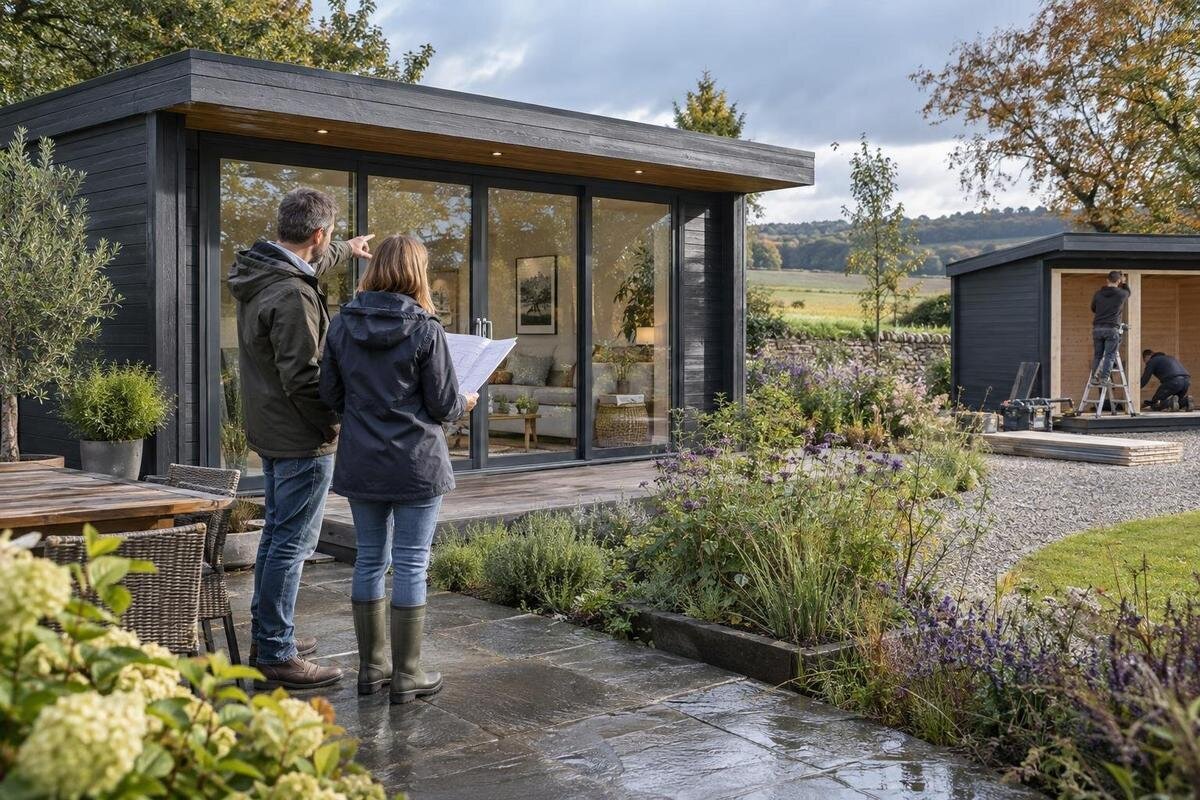
Garden shed buying guide
When you are buying a garden shed with assembly, a single total can hide very different scopes: one quote may cover assembly labour while another includes delivery, site preparation or finishing. Treat the quote as a written description of the entire job, not shorthand for “shed plus installation.” The clearest comparison names the exact shed, separates the charges, explains what must be ready at the site and identifies exclusions or extra costs. These checks make differences between offers easier to see before you place an order.
01
Identify the shed and the work being quoted
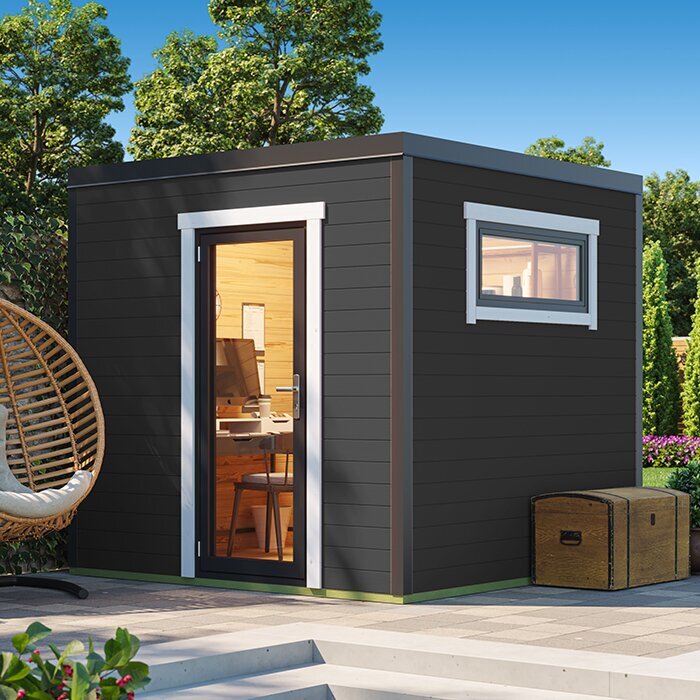
Ask the seller or installer to identify the shed by its exact product name or model reference, along with any selected options, in the written quote. “Garden shed with assembly” is not a complete description: it leaves room for a mismatch between the model you chose and the one priced, or for accessories and services to be assumed rather than included. If you are considering the Verdana 1 garden house, have the quote repeat that name and record any configuration choices. Treat the product name only as identification; it does not establish which parts, options or labour the quote covers. Those details belong in the scope and order documents.
Ask for separate line items for the shed, selected extras, delivery, site work or base, assembly labour, finishing, and taxes or other fees. A bundled total can still be clear if a written breakdown states what it contains. Check whether the price is for the shed alone, the shed plus labour, or a complete supply-and-install service; those are different scopes, even if the heading sounds similar. Ask whether small materials needed for the stated tasks are included, and label any allowance or provisional amount. Also confirm whether taxes apply to every line item or only to specified services. Before accepting, compare the quote with the order confirmation so the model and included options match.
Clarify what delivery covers
Delivery should be stated separately from assembly because “delivery included” can mean transport to the property, not necessarily unloading or moving the package to its final place. Ask where the delivery obligation ends, who unloads the goods and whether the assembly crew will move them from the drop-off point to the chosen site. Confirm who is expected to receive the shipment and what happens if the delivery vehicle cannot reach the planned location. If materials must be left temporarily elsewhere on the property, ask who accepts responsibility for that arrangement. The quote should also say whether the assembly appointment is included in the delivery arrangement or booked as a distinct service.
Use the exact order name, such as Verdana 2 garden house, to tie the delivery allowance to the shed being priced, then describe the route from the property entrance to the installation area. Share relevant gate, turning-space, surface and distance details, and ask what measurements the provider needs to assess access. If delivery and assembly involve separate companies, find out which party schedules them and who is responsible for the handoff. Ask whether a delay, restricted access or failed delivery could lead to another visit or storage cost; do not assume those contingencies are included.
02
Separate site preparation from assembly
Ask for the required site or base preparation in writing, tied to the exact shed being quoted. “Ready for assembly” can mean different things, so find out what the installer expects before the crew arrives, whether an inspection is included and who is responsible for confirming readiness. Ask whether the crew will assess the site on arrival or requires confirmation before the visit is scheduled. If the seller provides general guidance, ask whether it applies to the model on your quote. Assembly labour should not be treated as evidence that site work is included; the quote needs to say plainly whether preparation is part of the price or someone else’s responsibility.
Site preparation may involve clearing the area, addressing an uneven surface, providing a base or removing an existing structure; do not assume any of those tasks are covered. For the Durano garden house, as for any model, ask the supplier for the applicable requirements rather than borrowing assumptions from another shed. Tell the installer about slopes, soft ground or other conditions you have noticed. If the base or ground needs a technical assessment, ask a qualified professional what is appropriate. When another contractor will prepare the site, agree on the handoff and timing with the installer.
Define the assembly labour
The quote should describe the labour, not just say “assembly included.” Ask which tasks the crew will perform, such as unpacking, assembling the components supplied with the order and checking the completed work. Clarify whether the crew supplies the tools and small materials needed for those tasks, or whether anything must be provided separately. Record what counts as completion, whether the installer will make adjustments to parts or fittings included in your order, and whether you will be asked to inspect the work at handover. A clear description helps distinguish a full assembly service from labour that stops at a narrower stage.
Ask whether any fastening or anchoring specified by the product instructions is included, excluded or handled under a separate scope. If it is separate, clarify who determines the suitable method and who arranges that work; do not rely on an informal assumption about how the shed should be secured. For a quote naming the Veltor garden house, also ask how the crew handles missing or damaged components discovered during assembly. Find out whether work pauses, who contacts the seller and whether a return visit would be charged separately.
03
Specify what counts as finished
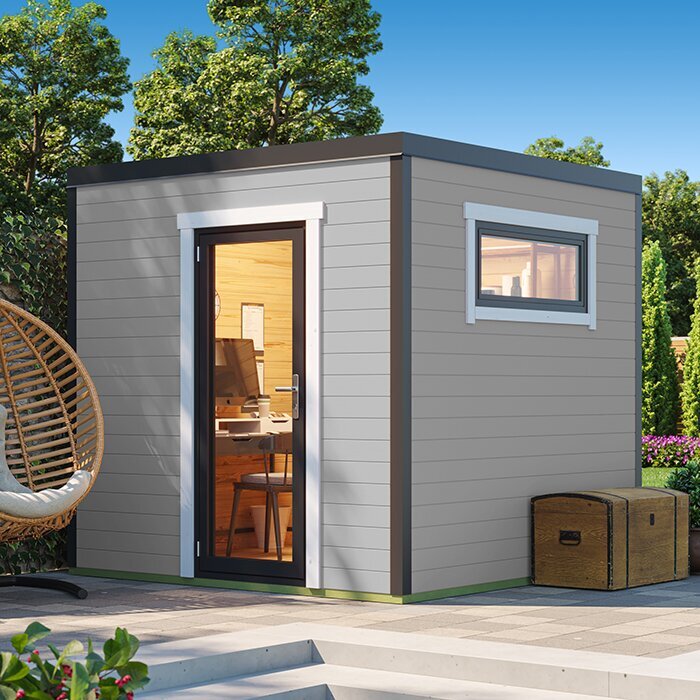
“Fully assembled” does not necessarily mean every finishing task you have in mind is included. Ask whether the quote covers fitting and adjusting any doors, windows or other fittings supplied with the selected order, and whether trim, sealant, painting or surface treatment is part of the work. These tasks should appear as named inclusions or exclusions, not as a vague promise to leave the shed “complete.” Also ask whether a final check is included, what the installer will do if an included component needs attention before handover, and whether any touch-up work is part of the stated scope.
If the quote includes a treatment or other finishing product for the Orello garden house, have it identify the material, the surfaces covered and who supplies it. Ask whether any preparation or follow-up visit is included, rather than assuming that a finish is part of assembly labour. Clarify who removes packaging and leftover materials, and whether cleanup of the work area is included. These details matter when you arrange the job: they help you see whether the quoted service ends with assembly or includes the specific finishing and cleanup tasks you expect.
List exclusions and charges that could arise
Ask the provider to list exclusions in plain language. Possible items to clarify include the base, site clearing, delivery, assembly, finishing, waste removal and any local approvals that may apply. This is not a claim that each item is required or excluded; the point is to establish responsibility for your project. If the quote says “customer to supply” or “site work extra,” ask what that means in practical terms and by what point the item must be available. Where local requirements may be relevant, ask who is responsible for checking them and confirm with the appropriate local authority or a qualified professional.
Ask what circumstances could change the total, such as restricted access, waiting time, unexpected site work, a second visit, storage or a change to the agreed scope. For the Modano garden house, as with any selected shed, have the provider explain how each extra is calculated and who can approve it. If the quote uses an allowance, ask what it assumes and when it may be revised. Agree that additional work and its cost will be described in writing before it proceeds, so an uncertain line item does not become an unexpected charge.
04
Confirm access and scheduling arrangements
Describe the route from the street or driveway to the proposed installation area. Note gates, narrow passages, changes in surface, slopes, overhead obstacles, trees and places where a delivery vehicle or crew might need to turn or stage materials. Provide measurements or photos where useful, then ask the provider what access information it needs before confirming the quote. The installer is best placed to assess the requirements for its equipment and delivery arrangements. Do not assume that a vehicle can enter the property or that the crew will carry materials to a distant location unless the quote says so.
When a quote names the wooden garden shed M, include the planned delivery and assembly location, then confirm how the schedule works. Ask whether delivery and assembly are planned together, whether the quoted date is fixed or an estimate, how long the work is expected to take and whether someone needs to be present. Confirm any arrival window and the contact person who will receive updates on the day. Ask what happens if weather, access or a shipment delay prevents the job from proceeding. If delivery and assembly are separate appointments, make sure both parties agree on the sequence and on who will notify you if timing changes.
Read payment and change terms before accepting
The written quote should identify the currency, taxes or fees included, any payment milestones and when each payment is due. Ask how long the price remains valid and whether the amount changes if you add an option or revise the agreed work. For a quote tied to the wooden garden shed S, check that the same product name and scope appear on the order or invoice. Ask whether a deposit is refundable under the stated cancellation terms. Ask about cancellation or rescheduling terms before paying, especially if delivery and assembly are arranged separately. These are details to confirm with the provider; the quote should not leave the payment arrangement to assumption.
Agree on a written process for changes after acceptance. Find out who can approve additional work, how a revised price will be documented and whether the schedule changes with it. Ask how missing or damaged parts are reported, who coordinates with the product seller and who handles concerns about assembly work. Product and labour terms may be addressed separately, so ask what after-sale or warranty terms apply rather than assuming one covers the other. A final check with the installer and a copy of the completed scope give both parties a clear record of what was supplied and assembled.
05
Compare quotes on the same scope
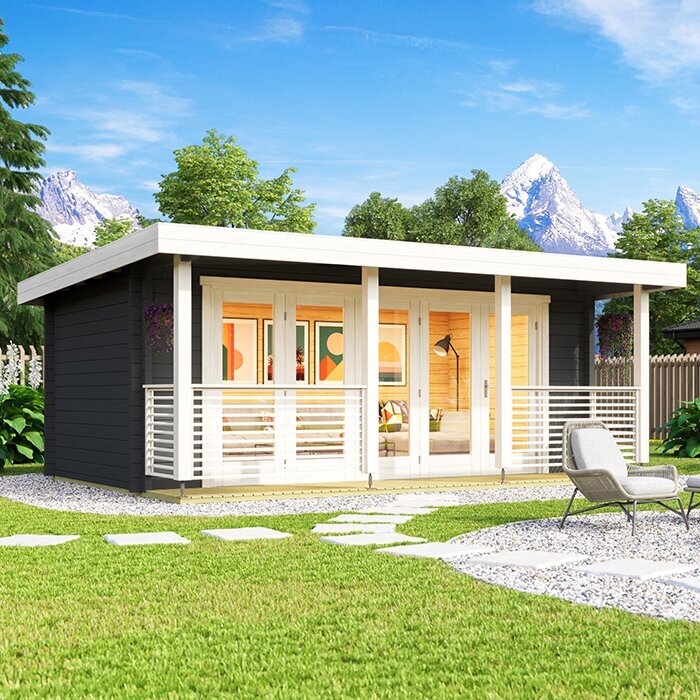
Put the quotes side by side and compare the same shed, options and service boundaries. A useful comparison includes the product name, delivery endpoint, unloading and placement, base or site work, assembly labour, finishing, cleanup, taxes, exclusions and payment terms. If one total includes delivery and another does not, the totals are not directly comparable. A lower figure may reflect fewer tasks rather than a lower price for identical work. Ask each provider for a breakdown when a line is unclear; do not treat silence as confirmation that a service is included.
Compare the assumptions behind any allowance or conditional charge as well as the stated total. One quote may depend on a site being ready, while another may include a specific preparation task; those differences affect what you still need to arrange. Check whether each quote was prepared from the same site information, since an omission can make a lower total look more complete than it is. Ask for a revised written quote if you cannot tell what a line covers, or if providers are pricing different delivery or finishing arrangements. Keep the product details and scope consistent when requesting revisions. That gives you a more useful basis for choosing a provider than trying to add uncertain costs to a headline total yourself.
Prepare the details before requesting a quote
Before contacting providers, gather the exact product name or model reference and any options you have chosen. Measure the proposed location and the access route, and take clear photos of the area, entrance, surface and visible obstacles. Note whether a base is already present, what condition it is in and whether another contractor is expected to do site work. You do not need to decide technical requirements on the installer’s behalf; provide accurate observations and ask what additional measurements or information are needed to assess the job.
Send the same information to each provider and ask each to address the same points: what is supplied, where delivery ends, what preparation is required, what assembly includes, what finishing is covered and what could cost extra. Ask for any site-readiness guidance to be tied to the shed in your quote. Keep the quote, product identification, order confirmation and written changes together, including dates and the name of the person who confirmed a change. Resolve unanswered questions before accepting the price, so the delivery and assembly plan reflects your actual site rather than a generic description.
Frequently asked questions
Does a garden shed assembly quote automatically include delivery?
No. A quote may include assembly but charge delivery separately, or delivery may cover transport without unloading or moving the shed to the installation area. Ask where delivery ends, who unloads the goods and whether the delivery and assembly appointments are coordinated.
Is site preparation usually part of an assembly quote?
It depends on the written scope. Assembly labour does not, by itself, confirm that clearing, levelling or preparing a base is included. Ask what the installer requires the site to be like, who will prepare it and whether any site work is priced separately.
What information should I send to get an accurate quote?
Provide the exact shed name or model reference, your preferred installation location, relevant site measurements, photos of the access route and notes about the surface or obstacles. Ask the provider what further details it needs to assess delivery, site readiness and assembly.
How should I compare a bundled quote with an itemized one?
Ask for the bundled price to be broken down, or for a written description of everything it includes and excludes. Compare the same shed, delivery destination, site preparation, labour and finishing tasks. A lower total may cover less work, so do not fill gaps with assumptions.
What if the site is not ready when the crew arrives?
Ask in advance how the provider handles an unready or inaccessible site, including waiting time, rescheduling, another visit or storage. Get any related fees and conditions in writing, and confirm who decides whether work can proceed.
A useful assembly quote connects the exact shed you plan to buy with a clear delivery route, site-readiness requirements, defined labour and named finishing tasks. It also says what is excluded, what could change the price and how payment and changes will be handled. When those details are written down, you can compare providers on the work they have actually priced rather than on a total that may conceal different assumptions.
