
Buying a Garden Shed with Sliding Glass Doors
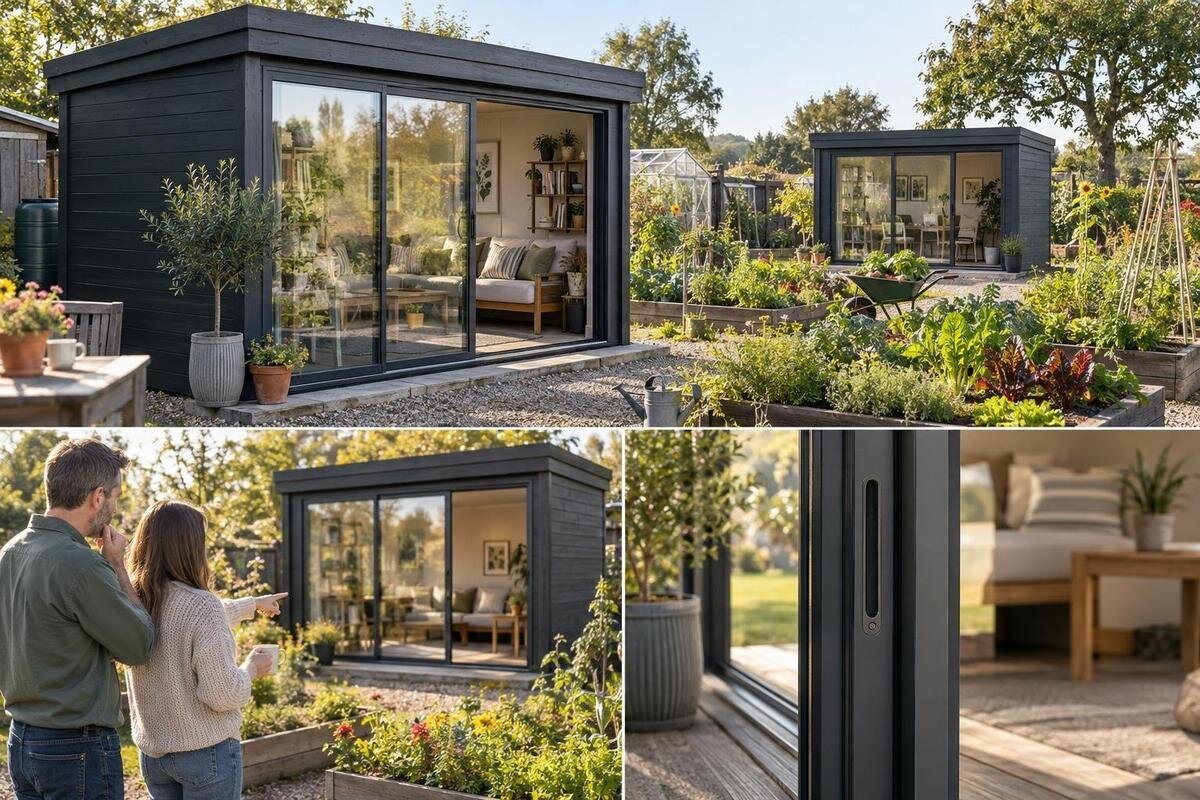
Garden shed buying guide
Shopping for a garden shed with sliding glass doors means balancing a broad glazed entrance against practical needs: clear access, usable interior space, privacy and a location that suits your yard. Sliding panels do not need a swing arc, but they still require space to travel, and the visible span of glass is not necessarily the width of the opening. A good comparison begins with what you plan to store or do inside, then checks the site, door layout and written product details before you order.
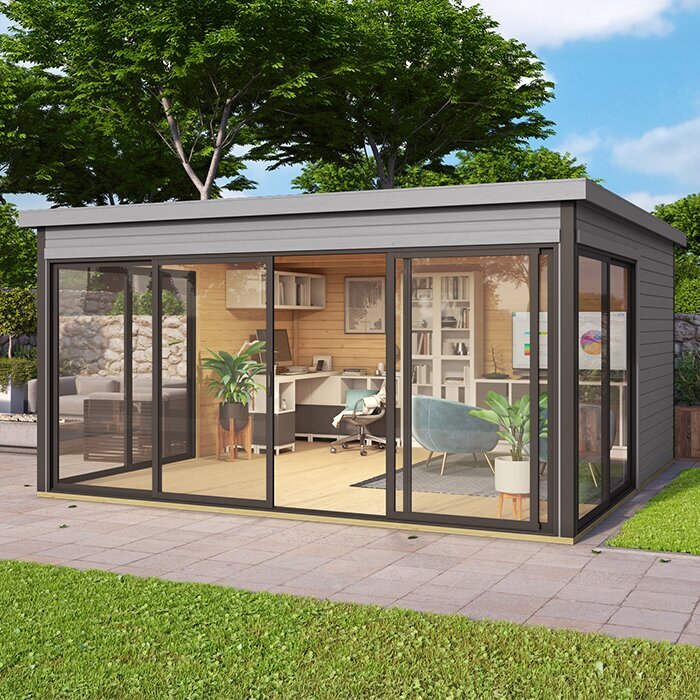
Choose the shed for its intended use
Begin with the jobs the shed needs to do, rather than the glass front. List what will be stored, including the longest and tallest items, and note which belongings you need to reach often. A mower, garden furniture, hand tools and seasonal cushions place different demands on floor area, doorway height and wall storage. If the building will also be used for potting or as a place to sit, decide what must remain inside and how much clear floor you want. Storage-only use may call for a different balance of glazing, shelving and privacy than a space you visit regularly; a glazed entrance does not, by itself, make a shed suitable for every activity.
Turn that list into checks: maximum outside footprint, usable interior area, required clear opening and any need to screen stored contents. Rank each as essential or desirable before browsing, so an attractive front does not outweigh a practical mismatch. Note whether you need frequent access to one large item or mostly store things seasonally; that affects how valuable a broad entrance is. Treat the Verdana 1 garden house as a candidate to assess against written dimensions, door details and the use you have in mind, not as proof of fit based on a model name or photo.
Compare outside dimensions with usable interior space
Measure the proposed footprint and compare it with both the shed’s outside dimensions and its usable interior space. Product dimensions can be taken at different points, so check the written definition or drawing for overall width and depth, any projections and usable height. An area figure alone is not a floor plan. Wall construction and fixed supports can reduce clear space, while the roof shape may affect how much of the perimeter works for tall items. For storage, consider both floor area and height: long-handled tools, stacked bins and shelving need room that a single area measurement cannot describe. Also allow for the depth of shelves and the clearance needed to remove bins without blocking the entrance. A layout that appears spacious when empty can become impractical if stored items must be moved each time you need something at the back.
Make a scaled sketch of the site and mark the shed’s outside dimensions, entrance side and the space needed to approach it. Then draw the interior and add your largest stored items, shelves and the route between them. This can reveal a cramped corner or an awkward turn before you order. Compare a candidate such as the Verdana 2 garden house with your measurements using its stated dimensions; do not estimate fit from the number in a model name or the perspective of a product photo. If an important interior measurement is not provided, ask for it rather than treating the exterior size as a substitute.
Measure the opening and space for sliding panels
Sliding doors avoid the swing arc of a hinged door, but they still need space for the panels to move and for their tracks. One panel may remain fixed, and sliding sections may overlap, so the visible span of glass is not necessarily the clear opening. Check the stated opening width and height, which panels move, the direction they slide, and the threshold and handle positions for the exact configuration. If a page gives only the outside dimensions, ask specifically for the usable opening instead of estimating it from the front view.
Think about how the things you listed will pass through the entrance. A large object may fit through on paper but still be awkward to turn once it is inside, so consider the path from the door to its storage spot. Keep the area needed to use the panels clear of bins, pots and furniture, and consider whether the track will remain accessible for care. Consider everyday access too: if you regularly carry smaller items with both hands, note where you will set them down while opening the door. For any shortlisted model, including the Durano garden house, use stated opening and panel details, if available, rather than the apparent width of a pictured front.
Check glazing, privacy and visibility
Glazing changes what you can see from inside and how visible the shed’s contents may be from outside. Consider sightlines from your house, neighbouring properties and the usual paths through the yard. If the panels are clear, stored tools or furniture may be on view; at night, an illuminated interior can be more visible than it is during the day. If you are considering a screen or covering for privacy, check that it can be used without obstructing the sliding panels or handles. Think about whether privacy is needed only for stored belongings or also for people using the space, as those needs may call for different arrangements. Do not assume a privacy accessory is included.
Look beyond the appearance of the glass. Check the stated glazing material and construction, safety specification, thickness, framing and any weather or thermal performance relevant to your plans. These details depend on the exact product and configuration; a photograph or the phrase glass doors does not establish them. If considering the Veltor 1 listing, confirm explicitly whether the selected configuration includes the door type and glazing you want, then look for written details or request them before making a comparison.
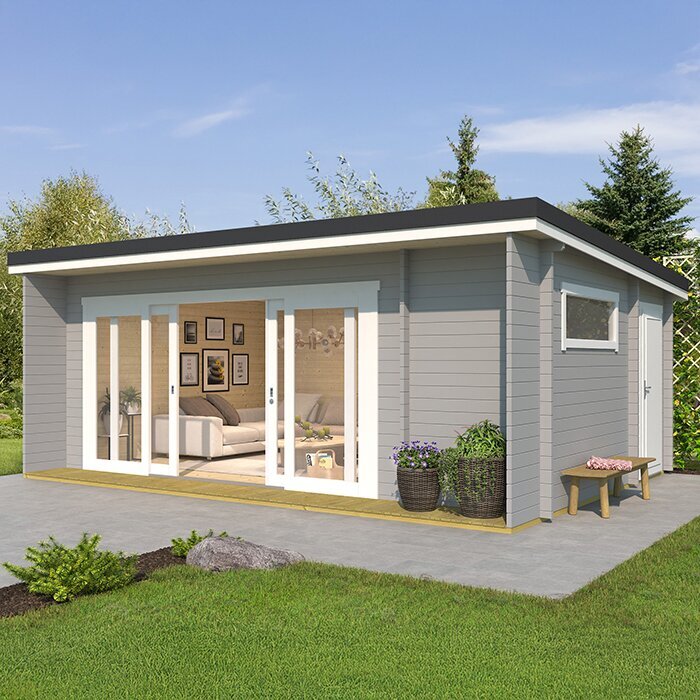
Plan storage around the glass front
A glazed front can affect how you arrange the interior. Reserve suitable wall space for shelves, hooks or tall tools, and avoid placing stored items where they could obstruct the panels or handles. If you plan to pot plants or sit inside, think about where a work surface or seat could go without narrowing the route through the shed. The amount of daylight also depends on the site, orientation and surrounding shade; a product image cannot show how bright the interior will be in your yard throughout the day or year.
Draw an interior plan at the confirmed dimensions and mark the entrance, glazing, usable wall lengths, shelves, work surfaces and largest objects. You can also mark the layout on an existing floor with tape to test whether the clear route feels workable. Leave enough room to reach items that will be used frequently without shifting other stored belongings. Where a product page provides a plan, check that it matches the configuration you intend to order. For the Orello 1 listing, as for any model, confirm the interior measurements and door location before deciding where fixed storage could go.
Choose a site that keeps the entrance accessible
Walk the route from the usual yard entrance to the proposed shed location. The door should face a path you can use for ordinary access and for carrying in the largest items on your list. A fence, tree, garden bed or other structure close to the entrance may make it harder to approach or maintain the doors. Consider privacy from nearby windows as well as the direction of sunlight and shade. Check the site from the angles you will actually use, rather than relying on a product image or a view from only one point.
Look at the ground and surrounding conditions, too. Puddling, roof runoff, falling leaves or drifting snow may affect the approach or collect near a door track. The exact setup depends on the site and product instructions, so do not assume that one location suits every shed. Before choosing a spot where utilities, ground conditions or other site-specific concerns need assessment, consult a qualified local professional or relevant authority. A page such as the Modano 1 garden-house listing is not a site plan; assess the actual entrance orientation, if specified, against the route your yard can provide.
Confirm the base, assembly and delivery scope
Separate the shed itself from the work needed to prepare its site. Check whether a floor, base components, hardware or other items are included, and identify what the manufacturer’s instructions say is needed before assembly. Do not assume that the listed building includes every component required for your chosen setup. If the ground, drainage or structural requirements raise questions specific to your property, ask a qualified local professional rather than improvising a foundation or relying on a general product description.
Plan how the order will reach the chosen spot. Check the access route for gates, turns, steps and overhead obstacles, and ask about the delivery method, unloading point and responsibilities for moving packages farther into the yard. Confirm who is responsible for assembly and whether any separate preparation is required. These details can affect whether a model is practical even when its dimensions suit the site. If comparing the wooden garden shed M listing, apply the same distinction between the product package, site preparation and assembly; verify the exact inclusions before ordering.
Check weather suitability and routine care
Conditions vary from one property to another, so check the manufacturer’s stated suitability for the exposure at your site. Look for information that applies to the exact product and configuration, including any stated limits or ratings relevant to local wind, snow, moisture or temperature conditions. Do not infer performance from the product name, the apparent thickness of a component in a photo or the size of the building. If a particular rating or site-specific assessment matters, request written information and consult a qualified local professional where appropriate.
Consider the care you are prepared to do over time. Check what the instructions say about looking after the exterior, glazing and sliding tracks, and whether you can reach the surfaces that will need attention. Ask how the track should be kept clear under the conditions around your shed, especially if leaves, dirt or snow tend to collect at the entrance. For any option, including the wooden garden shed S listing, verify the stated materials and care requirements rather than treating a model name as a complete specification.
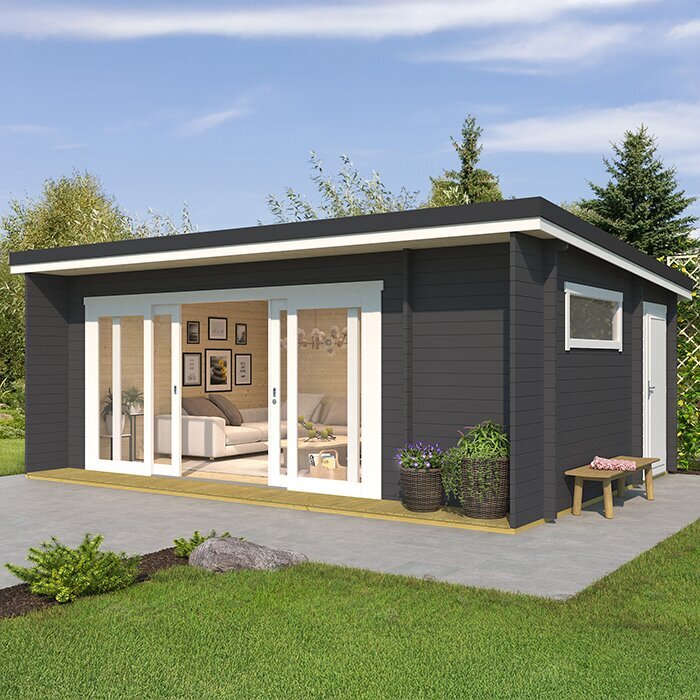
Compare the complete purchase package
Compare models using the exact configuration you would order, not just the headline image or product name. Check whether the required sliding door and glazing are actually specified, and record what is included for the floor, hardware, finish and any accessories you need. If two candidates differ in what comes with them, compare the packages item by item so the apparent difference in price does not hide an added requirement. Separate confirmed information from anything that is optional or not stated.
Review the full order details for delivery, assembly, site preparation and any other charges or responsibilities shown for the particular purchase. Read the applicable warranty, return and change terms rather than assuming they are the same across products. Confirm the model and selected options on the order itself, including any agreed door orientation or configuration. Check that any written clarification received before ordering is reflected in the final specification, especially where it affects access, glazing or included components. Keep a copy of the product details and any written answers that affect your choice. This makes it easier to check that the order reflects the shed you evaluated, not a similar-looking alternative.
Resolve unanswered details before ordering
Treat missing specifications as questions, not as favourable assumptions. If you cannot find the clear opening, panel movement, glazing details, interior measurements or package inclusions, ask about the exact model and configuration you are considering. Request a dimensioned drawing or written confirmation when a visual reference is not enough. A precise question is more useful than asking whether the shed is large or well suited to your yard, because those descriptions can mean different things to different buyers.
Keep answers with the product information they refer to, and check that they match the version you plan to order. Mark each essential requirement as confirmed or unresolved; an unanswered point should not count as a pass. If an important detail cannot be confirmed, compare another option or revisit your plan rather than relying on a photo, a model name or an assumption about what is usually included. That leaves your final choice based on the actual opening, layout and package you can verify.
Frequently asked questions
Are sliding glass doors better than hinged doors for a garden shed?
Neither is automatically better. Sliding panels avoid a swing arc, which can help when space in front of or inside the shed is limited. They still need room to move, and the clear opening may be narrower than the glazed span. Compare the actual opening and maintenance requirements with the way you will use the shed.
How wide should the opening be?
There is no useful universal minimum without knowing what you plan to move inside. Measure the widest and tallest item, consider whether you can angle it, and compare those measurements with the stated clear opening—not the overall front or panel width. Include the route from the entrance to the storage area.
What glazing details should I confirm?
Look for information about the glazing material and construction, safety specification, thickness, frame and any stated weather or thermal performance. Check that the details apply to the exact configuration you intend to order. If the information is missing, ask the seller or manufacturer rather than relying on a photograph.
Will a glass-fronted shed provide privacy?
That depends on the glazing and the shed’s position. Consider what can be seen from outside during the day and when the interior is lit after dark. If you are considering a screen or covering, check that it will not interfere with the sliding panels or handles, and confirm whether it is included.
Does the shed price include a floor and installation?
Do not assume either is included. Check the itemized details for the exact model and configuration, including the floor or base, components, assembly and delivery. Read the applicable order terms as well, and ask for confirmation if any part of the package or installation responsibility is unclear.
A suitable garden shed with sliding glass doors is one that fits the site, works for the items you need to move and has glazing and installation details you can confirm. Start with the required footprint and clear opening, then consider the interior layout, privacy, care and order scope. Give practical requirements priority over the appearance of the glass front, and leave any essential unknown unresolved until you have reliable information about the exact configuration.
