
Buying a Wooden Garden Shed: A First-Time Buyer’s Guide
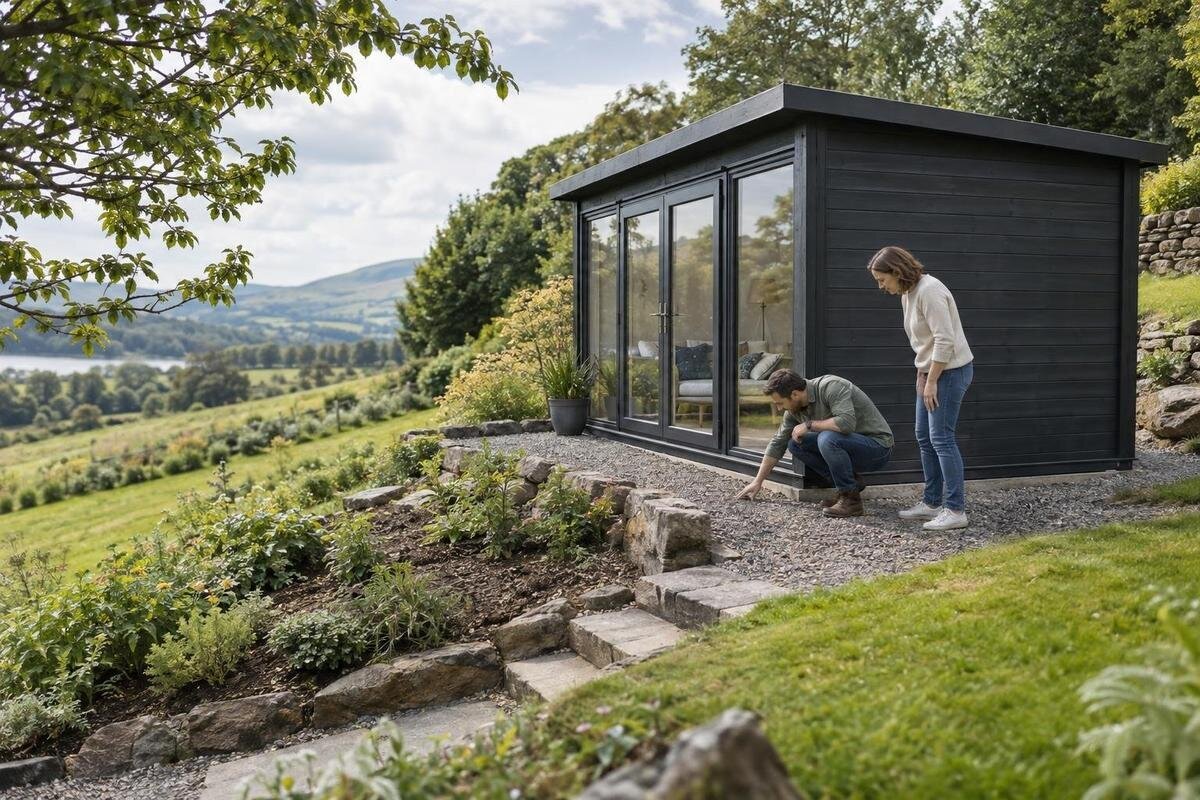
Garden shed buying guide
Buying a wooden garden shed for the first time involves more than picking a footprint from a photo. The right choice depends on what you need to store, how you will use the interior, where the building can sit and what the listing actually includes. This guide helps you compare size, wood care, weather-related details, access, assembly and ordering terms. The aim is a shed that fits your yard and your routine, with important questions answered before you place an order.
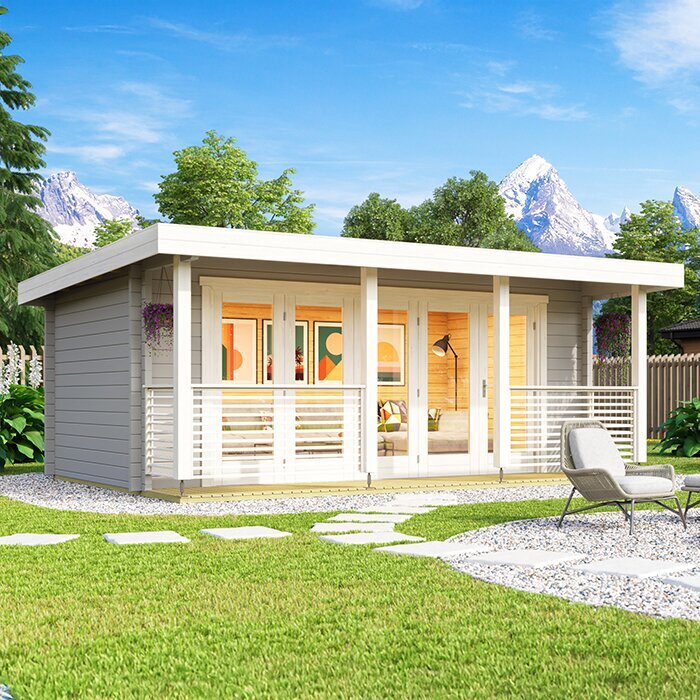
Decide what the shed needs to hold
Before comparing wooden garden sheds, make an inventory of what you need to store now and what you may add later. Include items likely to be inside at the same time, such as a mower, bicycles, patio cushions, bins, garden tools or sports equipment. Measure the largest objects, including handles and attachments that stick out, and note whether they need to stand on the floor or can be stored upright. Note the items that must stay dry, those that may be muddy after use and anything you will need to lift or roll through the doorway. A few bulky items can take more room than many small ones, so counting alone will not tell you how much space you need.
Also consider how often you will use each item. A mower or frequently used tool should be reachable without moving everything else; seasonal decorations can go farther back or higher up. Allow some clear floor space to manoeuvre larger objects, rather than planning to fill every corner. If shelving is part of your plan, check whether it is included or simply allow for it when mapping the interior. Separate must-have storage from future possibilities: that makes it easier to decide whether a compact shed is enough or whether you have a real use for a larger one.
Compare usable dimensions, not just the footprint
A listed footprint is not necessarily the same as the clear space available inside. Exterior measurements include the walls, while usable floor area and headroom depend on the building’s layout. Check what each dimension refers to, whether interior measurements are provided, and how much clear height you will have where you plan to stack or stand items. Account for space lost to door swings, shelving or equipment parked away from the walls, since these can affect how readily the floor area works in everyday use. Compare like with like: the measuring points in one listing may not match those in another. If a drawing or specification is unclear, ask for clarification rather than estimating from a photo or a model name.
Before choosing a size, mark the proposed exterior footprint on the ground with string or tape. Walk around it and consider nearby paths, gates, fences and other structures; then picture where shelves and bulky belongings would sit inside. A footprint that fits the yard may still leave little room to use the interior comfortably. For a consistent comparison, use the Verdana 1 garden house listing as one place to record dimensions the page explicitly provides, and leave uncertain measurements blank until they are confirmed.
Choose a practical location in the yard
The easiest corner to build around may not be the most convenient place to use a shed. Think about the route between the house, garden and shed, and whether you can carry tools or move equipment through that route without awkward turns. Consider changing shade, overhanging branches and access to the outside walls for future care. Leave enough room to open the door fully and to work around the building when cleaning, applying a finish or clearing leaves from nearby areas. Before settling on a spot, check property boundaries, easements and utility locations, and ask your municipality about any applicable placement or permit requirements. Do not assume that a neighbour’s shed establishes what is suitable for your property.
Ground and water conditions matter too. Look for areas where water collects, and consider whether the site is sloped or difficult to reach. Each product may have its own requirements for the supporting base, so confirm those details before preparing the area. If the ground is uneven, drainage is a concern or you are unsure what the site can support, ask the manufacturer or a qualified local professional. Use the Verdana 2 garden house listing as a comparison point for the site information it states, without assuming that another model has the same requirements.
Ask what the wood and finish require
The word wooden does not tell you everything about a shed’s material or what care it needs. Check the product information for the wood species, any treatment applied and whether a finish is included. If those details are missing, ask the seller to clarify what you will receive. Product photos may show a particular colour or surface appearance, but they do not confirm that the finish is supplied or that the shed has been treated in a particular way.
Wood responds to moisture and temperature, and outdoor exposure can affect its appearance over time. Before buying, find out what maintenance the manufacturer recommends, how often the finish may need attention and which products are compatible. Ask whether any components need extra protection and whether care is required before or after assembly. Ask how to inspect the exterior after periods of wet weather and what signs of wear the manufacturer says should be addressed. These answers help you compare the ongoing work as well as the initial appearance. You can apply the same questions to the Veltor 1 product page and any other listing on your shortlist.
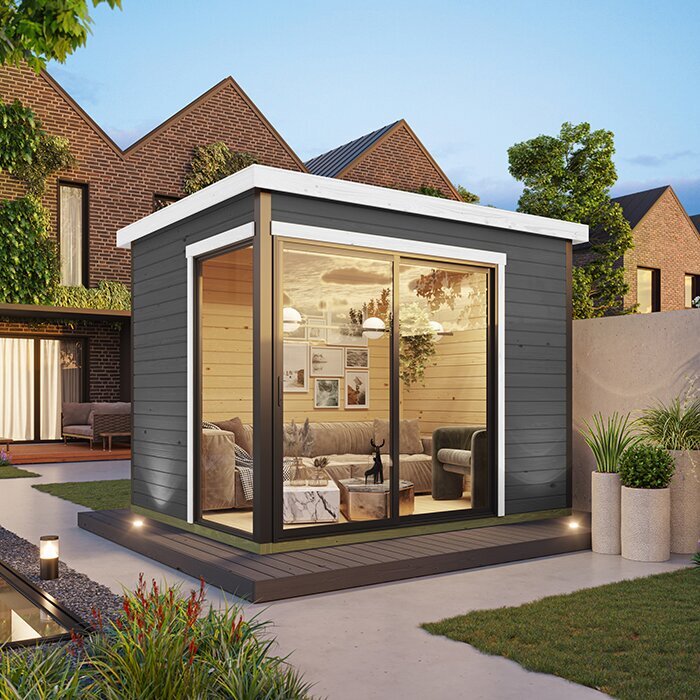
Confirm the roof, floor and weather details
Check the roof and floor as separate parts of the specification. Confirm whether each is included, what materials or covering are supplied and whether anything must be purchased separately. If the manufacturer provides information about wind or snow loads, compare it with the conditions expected at your site; do not infer a rating from the shed’s appearance, name or category. Where the required performance is unclear, ask the manufacturer for written information or consult a qualified professional familiar with the site.
Think about what you will store and how the building will handle moisture. If you plan to keep belongings that are easily affected by damp conditions, ask whether the product information describes ventilation or other relevant features, and do not assume the interior is heated or climate-controlled. Consider where wet tools, boots or garden supplies will be set down after use, since that routine can affect how you organize the interior. Check how water is expected to drain around the chosen location as well. When reviewing the Orello 1 listing, look for stated roof, floor and weather information; the model name itself does not establish any of those specifications.
Check the door opening and access route
Measure the largest item that must pass through the door, then compare it with the clear opening dimensions supplied for the shed. The overall door size may not be the same as the space available when it is open. Check the opening height as well as the width, and consider whether the item needs room to turn as you move it inside. If a product page does not state the clear opening, ask for it rather than relying on a photograph.
Door position and operation also affect the interior layout. Allow room for the door to open as intended and avoid placing shelves or stored items where they block access. Consider the approach outside the doorway too: a clear, stable route makes it easier to move a mower, bins or other awkward items in and out. Windows can bring in daylight, but consider whether they leave enough wall space for storage and whether the stated configuration suits your plans. Look for a drawing that shows the openings and their locations. For example, use the Durano garden house page as another listing to review, checking the written configuration rather than assuming details from the product name.
Decide whether it is for storage or regular use
A shed used only to store tools has different priorities from one where you also plan to pot plants, sort supplies or work on a hobby. For occasional tasks, consider whether there is space for a bench and room to move around it without blocking stored equipment. Check the stated interior height and window details if those matter to your plans. Do not assume that a garden shed is designed or approved as an occupied room just because it is described as a garden house.
Make a list of features your intended use depends on, such as ventilation, daylight or a particular interior layout, and verify each one in the product information. Do not assume that lighting, electrical service, insulation or interior fittings are included unless they are clearly specified. If you want utilities or plan to use the building as more than a storage space, get advice from the manufacturer and relevant qualified professionals before choosing a model. The Modano 1 listing can be reviewed in the same way: look for confirmed details that match your intended use.
Understand assembly and delivery responsibilities
Before ordering, find out what assembly involves and what is included in the package. Check whether the written product information identifies the components, hardware, instructions, floor and roof covering, and whether any finishing work is left to you. Ask whether assembly is included, available separately or your responsibility, and what skills, tools or help the seller recommends. Confirm who is responsible for preparing the base. If more than one person will be involved, agree in advance who will inspect the instructions, organize components and decide when the base is ready. It is also useful to identify when the parts should be checked against the order and where they can be kept protected until assembly begins. Do not rely on an estimated assembly time unless it is provided for the specific product and setup.
Delivery arrangements can affect where you can place the shed and how easily it reaches the site. Ask about the delivery point, unloading responsibilities, access requirements and what happens if the route through a gate or yard is restricted. Confirm who should receive the order and how to report missing or damaged components under the seller’s stated process. The Wooden Garden Shed M listing is one page you can consult while recording these questions; its name alone does not confirm package contents or delivery terms.
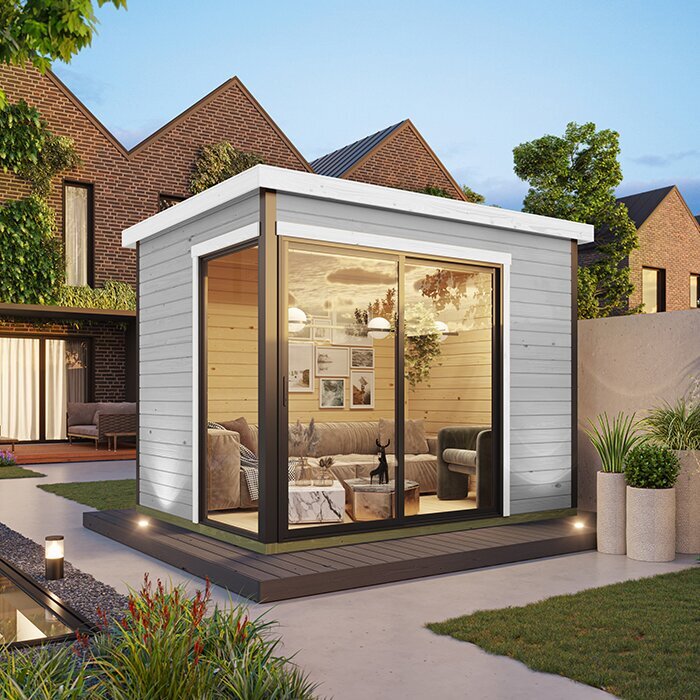
Compare the full cost and purchase terms
Compare the complete cost of getting the shed ready for its intended use, not just the listed product price. Depending on what is included, your budget may also need to account for a suitable base, roofing or flooring components, finishing materials, assembly or site preparation. Ask which costs are included in the quoted amount and which are separate. If you are comparing several products, use the same assumptions for each one; otherwise, a lower initial price may simply reflect a different package or a different amount of work left to do.
Read the seller’s current purchase terms before placing an order. Confirm any stated warranty coverage, return conditions, support process and availability of replacement components or instructions; do not assume those terms are identical across products. Check whether a quote, if provided, identifies the exact model and any selected options so that you can compare it with the listing. Keep the written specifications and answers to your questions together so you can refer to them if details need clarification. Apply this review to the Wooden Garden Shed S listing as you would to any other option, and base your comparison on confirmed terms rather than a model label.
Build a shortlist you can compare fairly
Put your leading options side by side and record the facts that affect your decision: exterior and interior dimensions, door opening, wood and finish details, roof and floor inclusions, base requirements, maintenance guidance, assembly scope and delivery terms. Mark anything that is not stated as unknown instead of filling the gap with an assumption. Then rank the factors that matter most for your use. If an option meets your size needs but its site requirements or included components are still unclear, resolve those questions before comparing it on price.
Do one final fit check in the yard. Mark the outside dimensions, walk the route from the delivery access point to the proposed site, and consider how the door will open and how you will carry large items in and out. Compare the marked space with the room you want to retain for paths, planting and access around the building. This quick exercise connects the listing details to your actual yard and routine, making it easier to rule out a shed that only works on paper.
Frequently asked questions
What size wooden garden shed should I buy?
Start by measuring the largest items you plan to store and noting what needs to be accessible at the same time. Compare those measurements with the shed’s stated interior dimensions and clear door opening, not only its exterior footprint. Marking the proposed footprint in your yard can also help you judge how it fits.
Does a wooden garden shed need to be treated?
That depends on the wood, any treatment or finish already applied, and the manufacturer’s care instructions. Ask what the supplied finish covers, whether further coating is needed and which products are suitable. Follow the care guidance for the specific shed rather than assuming a universal treatment schedule.
Are the floor and roof covering included?
Inclusions can differ between products. Check the written listing or quote for the floor, roofing materials, hardware and any other components you expect to receive. If an item is not clearly identified, ask before ordering instead of assuming it is included in the pictured setup.
Can I place a wooden shed directly on grass?
Do not assume that grass is a suitable base. Check the manufacturer’s base requirements and consider the ground, drainage and site conditions. If the area is uneven, holds water or raises other concerns, ask the manufacturer or a qualified local professional what is appropriate.
Do I need permission to put a shed in my yard?
Requirements can depend on your property and municipality. Contact your local municipality to ask about applicable rules, permits or placement requirements, and confirm property boundaries and utility locations before settling on a site.
A suitable first wooden garden shed is one that fits both your belongings and the realities of your yard. Measure the items and openings, check the site and base requirements, and compare the material, care guidance, included components and purchase terms in writing. When a detail is missing, treat it as a question to resolve rather than a feature to assume. That gives you a sound basis for choosing a shed you can use and maintain as planned.
