
Buying a Garden Shed on a Fixed Budget: Prioritizing the Essentials
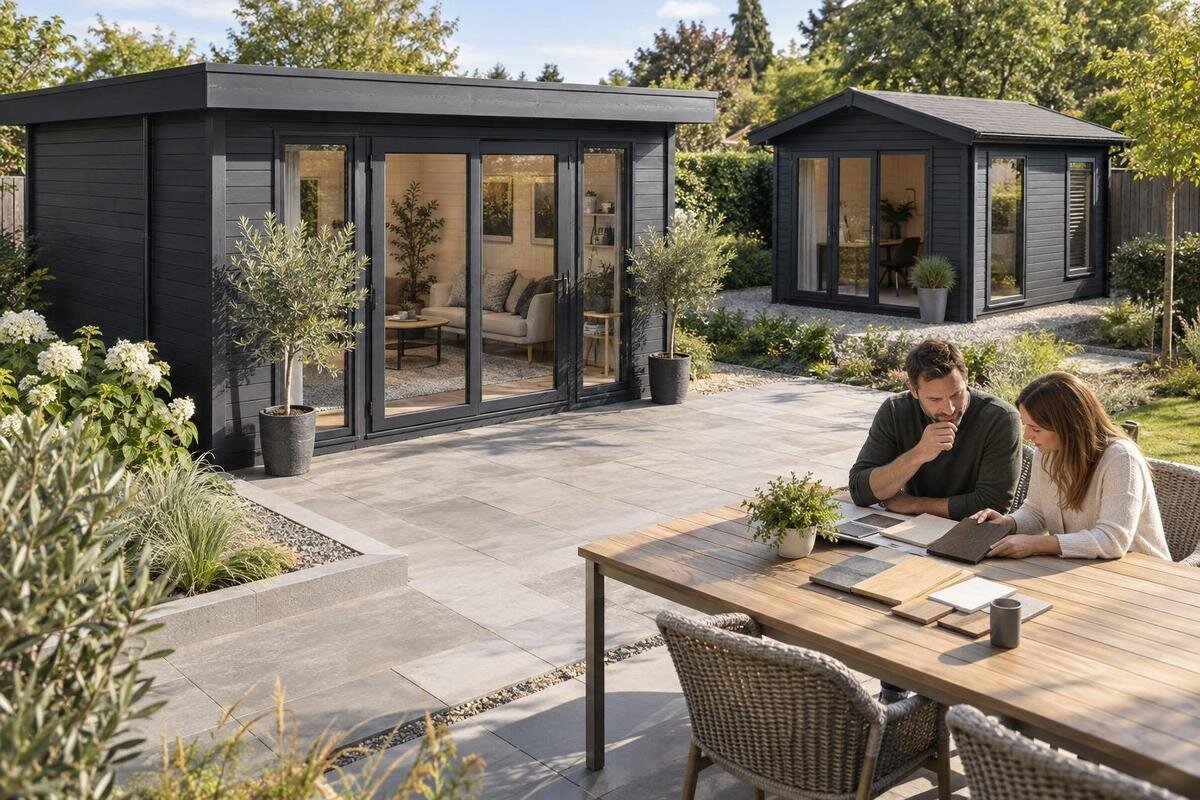
Garden shed buying guide
Buying a garden shed on a fixed budget is less about finding the lowest sticker price than deciding what the building must do and what the full project will cost. The listed shed price may not include a base, site preparation, delivery, assembly, finishing or storage accessories, so comparing headline prices alone can produce the wrong shortlist. Start with what you plan to store and how much room is available, then decide which construction and features are essential. Once those requirements fit within a realistic total, weigh optional extras against the remaining budget. This guide explains how to rank essentials, identify costs that are easy to miss and leave optional upgrades until the core fit is clear.
Budget checklist 1
Set a total project ceiling before comparing sheds
Choose a limit for the whole project, not just the amount you hope to pay for the shed. Decide whether that ceiling includes applicable taxes, delivery, a base, site preparation, assembly, finishing and the storage items you need on day one. These costs may be quoted separately or depend on the product and site, so do not assume they are included in a displayed price. If a cost is unknown, mark it as an estimate to confirm rather than spending the same money on an upgrade. Keeping the same all-in definition for every candidate makes trade-offs visible and prevents attractive extras from quietly expanding the plan. Set the limit before browsing so a favourite model does not skew your priorities.
Sort costs into three groups: essential to make the shed usable, useful soon, and optional. The first might include a base or protective finish if the specific product instructions require one; the second could include shelving or a lock upgrade if it is not already included. Label each line confirmed, estimated or not yet priced, so you can see where uncertainty remains. Keep a reserve for costs you have not priced instead of allocating the full ceiling to the unit. That reserve is not a forecast; it reduces the chance that a late quote forces you to drop an essential. Rank upgrades only after this list is complete.
Match the shed size to what you will store
List what the shed must hold before choosing its floor area. Record large items already on hand, smaller supplies that need a home, and any activity the space should support. Storage alone has different requirements from a space where you need to reach tools easily or work at a bench. Note the actual dimensions of bulky items, including handles, wheels or awkward shapes that affect placement. Separate items that must remain accessible from those that can sit at the back. Include seasonal belongings only if they are genuinely part of the plan. This inventory gives you a concrete test for size, door access and interior layout instead of relying on a vague instruction to buy more room.
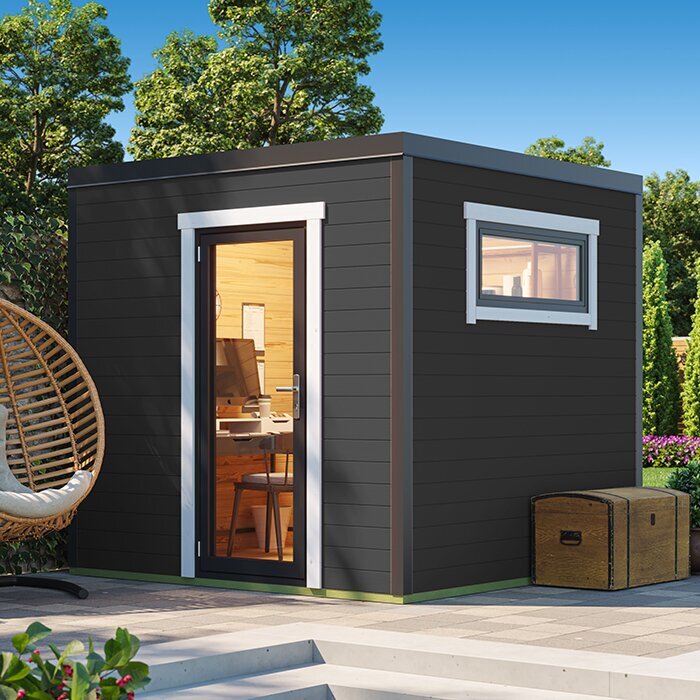
Turn the inventory into a capacity test: compare each item's dimensions with the clearances stated for a model, then sketch where larger objects would sit and how you would reach them. Floor area that looks generous on a page may still be inefficient if stored items block one another. Leave working space for the way you will use the shed, but do not buy room for hypothetical future projects. Apply one checklist to every candidate, including the Verdana 1 garden house listing. Use its current dimensions, layout and inclusions to see whether it meets your storage needs before deciding that it fits.
Budget checklist 2
Measure the footprint and usable interior
Measure the proposed site and mark the maximum footprint you can reasonably accommodate. Include a route to the entrance, room to open the door, and enough exterior space to reach the shed for routine care. Check overhead obstructions and nearby boundaries rather than measuring only an empty rectangle on the ground. A tape measure and temporary markers make the outline visible; this can reveal a conflict with a path, gate or planting bed before it becomes an order problem. If local rules or property restrictions may apply, confirm them with the relevant authority before committing. Record the usable area separately from the ideal area you would like.
Next, distinguish the outside dimensions from usable interior space. Walls, roof overhangs and the doorway position can affect how a stated overall size works for storage, so compare a dimensioned plan. If the listing gives only exterior measurements, ask for the interior measurements and door opening before comparing capacity. Check whether the layout leaves a sensible place for the largest objects without blocking everyday access. Repeat the exercise for each shortlisted model, including the Verdana 2 garden house listing, and keep the same measurement notes beside each price.
Compare construction and ongoing care
Construction belongs in the essentials column because a low initial price is not useful if the shed does not suit its intended use. Compare documented materials and the details for the walls, roof, floor, joints and supplied finish. Ask what needs assembling or treating, and whether a floor or protective coating is included in the exact configuration. Check the manufacturer's instructions for assembly and care. If an important detail is missing from the listing, mark it unanswered and ask before ordering. That is more reliable than adding an unverified assumption to your budget.
Maintenance also contributes to the value of a budget choice. Read the manufacturer's care instructions and estimate the time and materials they call for; do not assume all materials need the same treatment or that a finish is maintenance-free. For a site exposed to local wind or snow conditions, confirm whether the particular product is suitable and what installation requirements apply. Ask the manufacturer or a qualified local professional if a site-specific structural question remains, and keep written answers for your comparison. Compare those details for options such as the Durano garden house listing instead of paying more for an appearance that does not address your priorities.
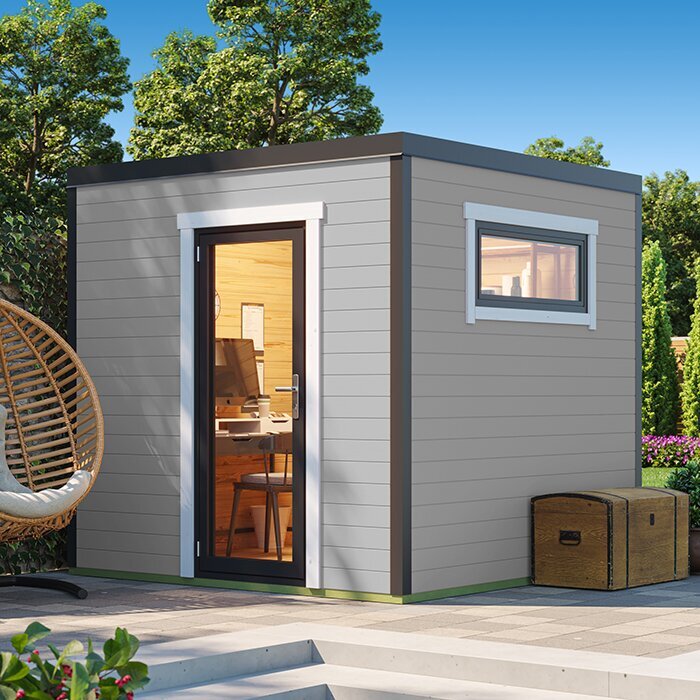
Budget checklist 3
Price the base and site preparation
Treat the base and site preparation as part of the purchase, not an afterthought. Requirements depend on the particular shed and its installation instructions, while the condition of the chosen site can affect the work needed. Check whether clearing, levelling, drainage work or a new base is required; do not assume an existing patio or a generic base plan will meet the manufacturer's requirements. Ask the manufacturer for the specified base details, and get advice from a qualified contractor if the site or proposed base is uncertain. That does not mean adding unneeded work; it means pricing the actual requirement before choosing a model.
Put site work on its own line in the comparison. Ask for quotes that identify the scope, materials and labour, and clarify what work is excluded; do not compare a complete installation price with a shed-only price. Confirm whether the base is supplied with the shed or purchased separately, and whether any preparation is your responsibility. Keep an unknown cost visible until you have a reliable estimate, especially if it could change which option fits the ceiling. Record who is responsible for each task so nothing falls between separate quotes. Apply the same process to the Veltor 1 listing and note its specified base requirements before assigning a cost.
Choose doors and openings for everyday use
Choose entry features around the objects and tasks, not the product photograph. Measure the largest item that must pass through the doorway, then check the listed clear opening and threshold details. Consider where the door opens and whether it could obstruct a path, stored tools or the area where you expect to work. Compare the opening with the route you will use to bring items in and out, not just with the overall shed width. A feature is worth paying for when it removes a real obstacle; a stylish entry that leaves the main item difficult to store does not. Make sure the planned door position also leaves enough wall space for storage.
Windows, glazed panels and other openings are a trade-off, not an automatic upgrade. They may provide daylight or a particular view, but can affect privacy, wall space for shelves, cost and care requirements. Check exactly what the selected version includes, where openings are positioned, and whether hardware is extra. If you need continuous wall space for long-handled tools or shelving, include that in the layout before paying for glazing. Assess the Orello 1 listing against its written configuration and your room plan before deciding whether those features belong in your budget.
Budget checklist 4
Separate essential features from optional extras
Make a short list of optional features and rank each by the problem it solves. Shelves, hooks, a fitted floor, extra glazing or a particular locking option may matter for one plan and be unnecessary for another. Find out whether each item is included in the quoted configuration, offered separately or not available for that model. Compare the benefit with its full cost, including any installation or finishing that is required. If an upgrade does not improve your storage plan, access or upkeep, move it off the essential list until the budget allows. This prevents minor preferences from displacing a requirement.
Decide what can be deferred before checkout. Ask whether an add-on can be installed later without changing the shed, whether it is compatible with the exact model and whether it is sold separately; do not assume every upgrade can be added at any time. Treat alterations that affect the structure or manufacturer's instructions as a question for the manufacturer or a qualified installer, not a budget shortcut. Note confirmed answers beside each candidate, including the Modano 1 listing, so a later plan rests on compatibility information rather than guesswork. Keep a deferred item's cost out of the day-one total only when deferral is practical.
Account for delivery, assembly and maintenance
Find out the full delivery and assembly cost before deciding what the shed itself can cost. Check the order summary or quote to see whether delivery, unloading, assembly and any required installation service are included, optional or separate. If you plan to assemble it yourself, read the manual first and account for the tools, help and time it calls for; do not assume the task is straightforward from product photos. If you will hire help, compare a written quote that covers the same work. The aim is to price the shed ready for your intended use, not two options with different costs left out.
Include ongoing care when comparing materials and finishes. Read the care instructions, note any products or treatments the manufacturer specifies, and decide whether that upkeep fits your available time as well as your budget. Check what assembly hardware or components are supplied and what you may need to purchase, without assuming a kit includes everything you expect. Record these points beside the unit price for each candidate, such as the Garden Shed M listing. Keep care and assembly assumptions separate until instructions or quotes confirm them, so an unknown expense does not disappear from your comparison.
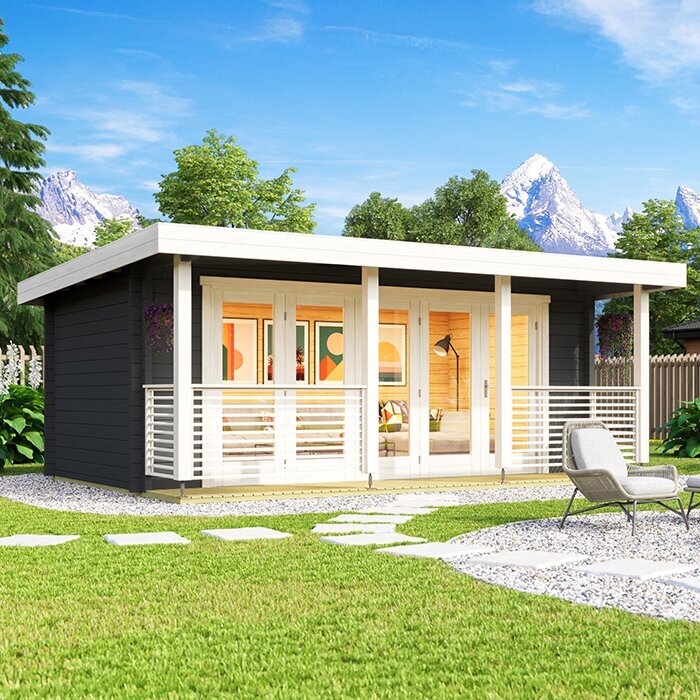
Budget checklist 5
Compare exact configurations and total prices
Build a side-by-side comparison using the same specification fields for every model: overall dimensions, usable area where provided, construction details, door opening, floor or base requirements, included accessories and care instructions. Add the shed price and every separately priced item to the same total. Then include applicable taxes plus quoted delivery and assembly costs that affect your decision. This makes it harder for a low headline price to win simply because more items remain unpriced. Mark missing details as unknown rather than filling blank cells with guesses. Keep the source and date of each quote so an old figure is not mistaken for a current one.
Before ordering, verify that the price applies to the exact size or variant you compared and that the inclusions match the current product page or written quote. Read the available purchase, return and warranty terms; check what each term actually covers rather than assuming it. These details are part of the decision even when they do not change the listed price. Include the Garden Shed S listing only after checking its details against the same criteria. Choose on confirmed fit and total cost, not a bargain label alone.
Choose the least costly option that meets your needs
Once the numbers are complete, rule out any option that misses a non-negotiable: the measured footprint, space for stored items, construction information you need and a total cost within your ceiling. Rank the remaining options by the features you value most. If two meet the same requirements, use a genuine tie-breaker such as easier daily access, lower upkeep or a better fit with your storage plan, but only when the product details support that comparison. This keeps a decorative extra from outweighing a requirement that affects everyday use. If none passes, revise the plan rather than forcing a poor fit.
Do a final check against the budget before placing an order. Confirm the exact model and configuration, dimensions, what is included, what must be bought separately, base and installation requirements, and the total with applicable charges. Keep room for any cost still to be confirmed; if the total exceeds your ceiling, remove a deferrable extra or return to the shortlist instead of quietly dropping a core requirement. A good fixed-budget choice is the least costly option that meets your real needs, not necessarily the lowest-priced shed. Save the comparison so you can check the order against the configuration you chose.
Frequently asked questions
What should I prioritize first when buying a garden shed on a fixed budget?
Prioritize a workable size and layout, construction that suits your intended use, and any site or base requirements specified by the manufacturer. Then reserve enough of the total budget for delivery and assembly. Optional finishes, glazing or storage add-ons come after the shed can be installed and used as planned.
Is the cheapest garden shed always the best value?
Not automatically. A low price may reflect a different size, construction, included floor or finish, or an incomplete quote. Compare exact configurations and project totals rather than guessing what is included. The better value is the least costly option that meets your essential requirements without leaving necessary costs unpriced.
How do I choose the right shed size?
List and measure what you will store, especially bulky items, then compare those dimensions with the manufacturer's interior plan and door opening. Measure the proposed site as well, including space around the shed. Choose enough usable room to reach stored items, but avoid paying for a larger footprint without a planned use.
What costs should I include beyond the shed price?
Check applicable taxes, site preparation, a suitable base, delivery, assembly, any required finish or treatment, and accessories needed on day one. Items may be included, optional or sold separately, depending on the product. Confirm each point against the current listing or quote, and keep unpriced costs on your comparison sheet.
Can I add optional features later?
Only defer an extra after confirming it can be added later, fits the exact model and is available separately. Some features may need to be selected with the shed or could be impractical to add after installation. Ask the manufacturer or a qualified installer about structural changes rather than treating them as an assumed saving.
A firm budget works best when it protects usability rather than a particular style or headline price. The essentials are the shed's actual fit, construction suited to your purpose, any required base and a realistic total that includes delivery, assembly and ongoing care. Once those are confirmed, judge optional features by whether they solve a clear problem, and defer the rest only when that is practical. Compare like with like, leave unpriced items visible and choose the configuration that meets your needs without stretching the ceiling.
