
Buying a Garden Shed for Occasional Guests: What to Check Before Ordering
Garden shed buying guide
An outdoor structure can look roomy in a photograph and still be awkward for an overnight visitor. Buying a garden shed for occasional guests starts with the stay you expect, not with a product name or a floor-area figure. Decide how many people may visit, when they will stay and what facilities they need; then assess the usable layout, building envelope, ventilation, access and site. Most importantly, confirm that both the structure and its intended use meet the requirements for your property. A shed marketed for garden use should not be treated as guest accommodation without that confirmation.
Before ordering 1
Define the kind of stay you plan to host
Before comparing models, decide whether guests will only use the shed during the day or sleep there overnight, how many people may stay at once, and which seasons are in scope. A sheltered place to sit has different needs from a room where someone sleeps, changes and keeps belongings. Frequency matters too: a couple of summer weekends is different from hosting visitors in cooler months, even if both uses are described as occasional. Write down the longest planned stay, not just the average visit. That brief gives you a fair basis for comparing layouts and helps prevent a small structure from being judged against a use it was never designed to serve.
List what a guest needs beyond a sleeping surface: room to change, a place for bags, a clear route to the door and an arrangement for using a washroom. Decide whether facilities will remain in the main house or need to be available inside the shed; adding water, plumbing, heat or power can affect design, approvals and cost. Note whether guests will arrive independently and need private access, or whether someone in the home will accompany them. A garden shed sold for storage or leisure is not automatically suitable as sleeping accommodation. Treat overnight use as a requirement to verify with the seller and local professionals, not as something established by the word house in a product name.
Test the layout with real furniture
Sketch a simple floor plan with the actual bed or sofa bed, bedside items, luggage and any storage you expect to keep inside. Leave a clear route from the sleeping area to the door, and check how a door opens so it does not conflict with furniture or block access to belongings. If guests may share the space, test the arrangement for the maximum number you intend to host, not only for one person. A tape measure and a scaled paper sketch can reveal awkward overlaps before you order. There is no single floor area that works for every stay; usable space depends on what must fit and how people move through it.
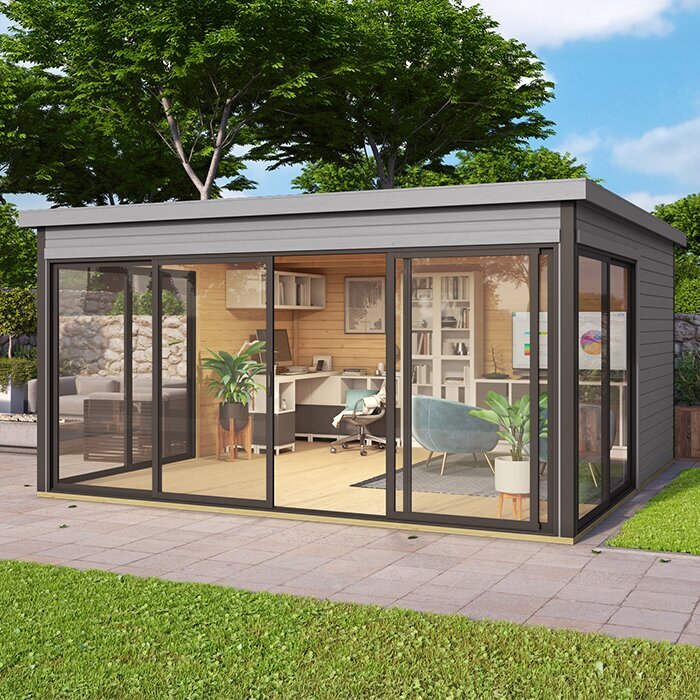
Compare that plan with the published interior measurements. A quoted footprint or outside dimension is not the same as clear floor space; wall build-up, corners, roof slopes and fixed elements can reduce the usable area. Check whether a drawing identifies inside dimensions, where doors and windows sit, and whether there is enough headroom for the furniture you selected. For example, add the Verdana 1 garden house listing to your shortlist only once its stated usable dimensions can be compared with your plan. The model name and listing image do not confirm how much room a particular arrangement leaves. If only outside measurements are given, ask what interior dimensions apply.
Before ordering 2
Read the full specification, not just the listing
Look for the written specification for the exact model and configuration you would order, rather than relying on a product name or staged image. Record the dimensions, wall and roof details, floor information, door and window positions, glazing, and any stated insulation or ventilation options. Note whether each item is included, optional or not described. A photograph may show accessories or finishes that are not part of the package, and similar model names can refer to different options. Treat missing details as questions to resolve rather than filling them in from appearance.
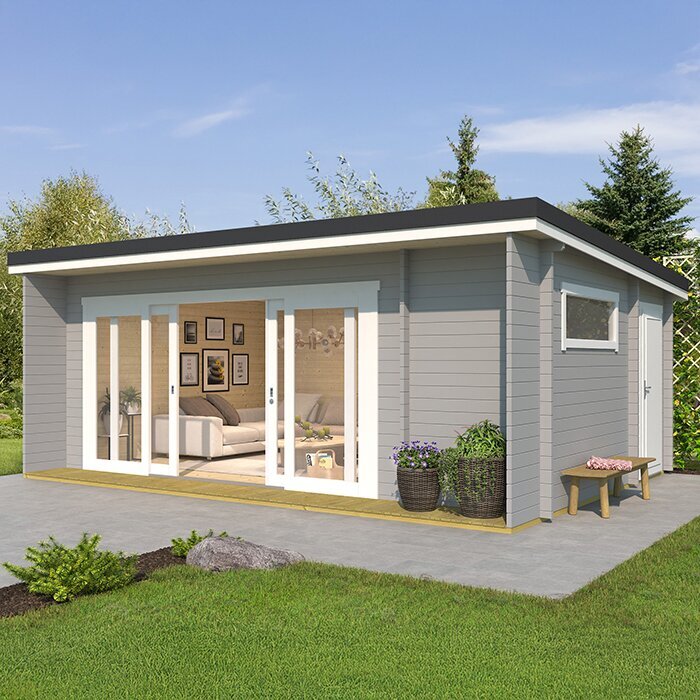
Ask for dimensioned drawings and an itemized description of the package if those details are not clear. Confirm what is supplied for the roof and floor, which finishes or components are included, and whether assembly materials or extra options are separate. Keep a comparison sheet with columns for included, optional and unknown; that makes it easier to compare two configurations fairly. The Garden House Verdana 2 listing can be one row in your comparison, but rely on its actual published information and any written clarification, not the model name, to establish what you are ordering.
Check insulation throughout the building envelope
Ask whether insulation is part of the order and exactly which parts of the enclosure it covers: walls, roof, floor, exterior doors and windows. A figure for one component, if provided, does not describe the performance of the whole shed. Look for information on how the parts fit together, how gaps and junctions are addressed, and whether performance data or assembly guidance is available for the exact build. Confirm whether the floor and roof are included in an insulation package or offered separately. Mark each item as included, optional or excluded; do not infer it from product photos or assume one insulated section settles the question.
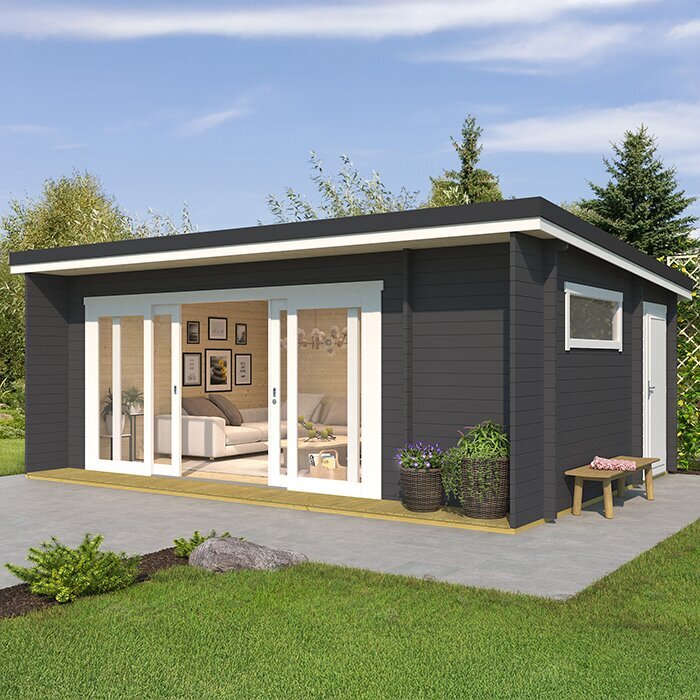
Match the documented specification to the seasons and the length of the planned stays. A structure left unheated between visits needs a realistic plan for warming it and managing moisture; insulation itself supplies no heat. Windows, doors, air sealing and ventilation matter alongside insulation, and a heater cannot make an unsuitable structure appropriate for overnight use. Ask what information applies to the exact model and configuration, and get qualified advice about any heating or fuel-burning equipment. When reviewing the Durano garden house listing, look for its stated insulation details rather than drawing conclusions from its name or image.
Before ordering 3
Plan ventilation and moisture control
People sleeping in an enclosed space add moisture, as can wet coats, boots and bedding brought in from outside. When moist indoor air meets a cooler surface, condensation can form; repeated dampness may damage finishes and create conditions for mould. Ask how the proposed design provides air exchange and removes moisture, including when windows and doors are closed during cool or wet weather. Do not treat a small room as exempt from ventilation needs simply because guests will use it only now and then. Your plan should account for the longest stay and the conditions in which visitors will actually use the shed.
An opening window is not, by itself, a complete ventilation plan for every use. If the space will also include a washroom, shower or cooking facilities, ask how those activities affect ventilation and which components are actually included in the order. Have a qualified building or ventilation professional review any system requirements for the intended use, especially if the room will be closed up between visits. For a candidate such as the Veltor 1 garden house listing, check the listing and supporting documents for ventilation information; do not assume features from the product name.
Confirm local requirements for overnight use
Before committing to a model, ask the municipal planning or building department whether occasional overnight guest use is permitted on your property. Ask what rules or approvals may apply to the structure, its location and size, and any planned service connections. Be clear that you are asking about sleeping guests, not only a shed used for storage or daytime leisure. Requirements can depend on the municipality and the property, so avoid relying on advice about a different location. Confirming the intended use early can prevent a purchase that does not meet the conditions for your site.
Check any relevant private property restrictions as well, such as a condominium association’s rules or a property covenant, and ask your insurer whether the planned use affects coverage. The seller or manufacturer can provide information about a product, but a product page cannot establish that overnight use is allowed at your address. Keep the exact model and your intended use in hand when you ask for guidance, and retain written responses where available. A candidate such as the Orello garden house listing belongs on a shortlist only after you have considered the requirements for the property; its listing is not permission to use it for sleeping.
Before ordering 4
Check the site, base and service access
Measure the proposed footprint and check how the shed and its parts could reach the site. Gates, paths, trees, fences and overhead obstructions may affect delivery or assembly, so confirm the route and any unloading requirements rather than judging access from the driveway. Look at the ground conditions, slope and drainage, including whether water tends to collect in the intended area. If power, water or other services are planned, their routes and requirements need to be reviewed separately. These checks help you identify site work or access constraints before they become part of an order or installation problem.
Do not assume one type of base suits every shed or every property. Ask the manufacturer for the site and base requirements for the exact model, then have a qualified local installer or building professional assess the conditions where it will stand. Request documentation on the structure’s suitability for relevant local weather exposure, including wind, rain and snow where applicable; do not infer this from its appearance. If the Modano 1 garden house listing is on your list, treat it as a product to investigate, not as evidence that its specifications match your site. No garden-house label alone establishes that.
Review entry, privacy and exit arrangements
Record the clear door opening width and height, threshold, step and door swing, then compare them with how guests will arrive and move around. Someone carrying a suitcase has different access needs from someone using a mobility aid, so judge the route against the visitors you expect rather than a photograph. Consider the path from the house or parking area to the shed, particularly if a guest will use a washroom indoors or arrive after dark. Confirm whether the route can be kept usable in the weather you expect. If access needs are important, measure the actual openings and obstacles before placing an order.
Window positions affect privacy as well as daylight, and blinds or curtains may not be included. Check sightlines from the main house and neighbouring properties, then decide whether you need coverings or a different layout. For overnight use, ask the local authority or a qualified building professional what exit, fire-safety and alarm arrangements apply to your plan; do not assume a window counts as an emergency exit. Any fuel-burning equipment also needs review by a qualified professional. The wooden garden shed M listing can be compared for its stated door and window details, but its name does not establish suitability for sleeping.
Before ordering 5
Compare the complete order and delivery scope
Make sure the quote identifies the exact model and options, and spells out what is included and excluded. Depending on the offer, items to clarify may include the floor, roof covering, doors and windows, glazing, insulation, ventilation components, finishes and assembly materials. Also ask whether site preparation, the base, assembly and any professional work are part of the quoted scope or need separate arrangements. Do not assume that everything shown in an image is included. Comparing itemized scopes helps you understand whether two quoted configurations are genuinely comparable, without relying on a headline amount alone.
Confirm delivery and unloading requirements, what access the delivery team needs, and who is responsible for moving parts to the build location. Ask about freight, applicable taxes, assembly arrangements and any site work, and review the store’s delivery, return, cancellation and warranty terms as provided. Keep the product configuration and order documents together so the delivered package can be checked against what you selected. For the wooden garden shed S listing, as with any option, compare the exact order details rather than assuming a similarly named configuration includes the same items. Include professional and service costs in your overall decision.
Plan care between guest visits
A shed used only occasionally may sit closed for long periods, so think about who will look after it and what the manufacturer recommends. Review the care instructions for the structure’s materials and finishes, including cleaning, inspection and any maintenance intervals. Ask what to check after severe weather and before a guest arrives, such as the condition of the exterior and whether doors and windows operate as expected. Do not assume a finish or treatment from a photograph. If you cannot visit the property regularly, make sure someone can carry out the basic checks the manufacturer specifies.
Plan a simple changeover routine that suits the actual stay: make sure the route to the shed and any shared washroom is usable, and check the space for signs of dampness before bringing in bedding or personal items. If the design includes plumbing, electrical services or heating, ask qualified tradespeople what seasonal preparation and inspection those systems need; do not improvise installation or maintenance instructions. Account for this recurring care in your decision, not just the initial purchase and setup. A room that works for a weekend guest also needs a workable plan for the weeks when nobody is there.
Frequently asked questions
Can any garden shed be used for overnight guests?
No. A product name or garden-use listing does not establish that a shed is suitable or permitted for sleeping. Check the documentation for the exact model and ask the relevant municipal office about overnight use on your property. If applicable, also review private property restrictions and insurance coverage.
How much floor space do occasional guests need?
There is no single size that works for every stay. Plan around the actual sleeping furniture, bags, storage and a clear route to the door. Compare that arrangement with the stated interior dimensions, not just the shed’s exterior footprint.
Will insulation alone make a garden shed suitable for colder weather?
Not necessarily. Check what the insulation covers, along with the floor, roof, windows, doors, air sealing and ventilation. Insulation does not provide heat, and any heating or fuel-burning equipment needs to be assessed for the intended use by a qualified professional.
Should I check local requirements before choosing a model?
Yes. Ask the municipal planning or building department whether the intended overnight use is permitted and what rules or approvals apply to the structure, its location and any services. Confirm these points before committing to a model or custom order.
What should be clear in a garden shed quote?
Confirm the exact model and options, what the package includes or excludes, and whether delivery, unloading, assembly, site preparation and professional work are covered. Review the applicable delivery, return and cancellation terms, and compare the total cost rather than the structure price alone.
For occasional visitors, a strong choice has to pass two tests: it works for the guest routine you have in mind, and its intended use is supported by the product information and requirements for your property. If either point is still unresolved, pause before ordering rather than trying to solve it after delivery. A layout that fits the actual stay, with workable access and a realistic care plan, is more useful than a larger shed whose suitability for overnight guests has never been established.
