
Buying a Garden Shed with a Large Glass Front
Garden shed buying guide
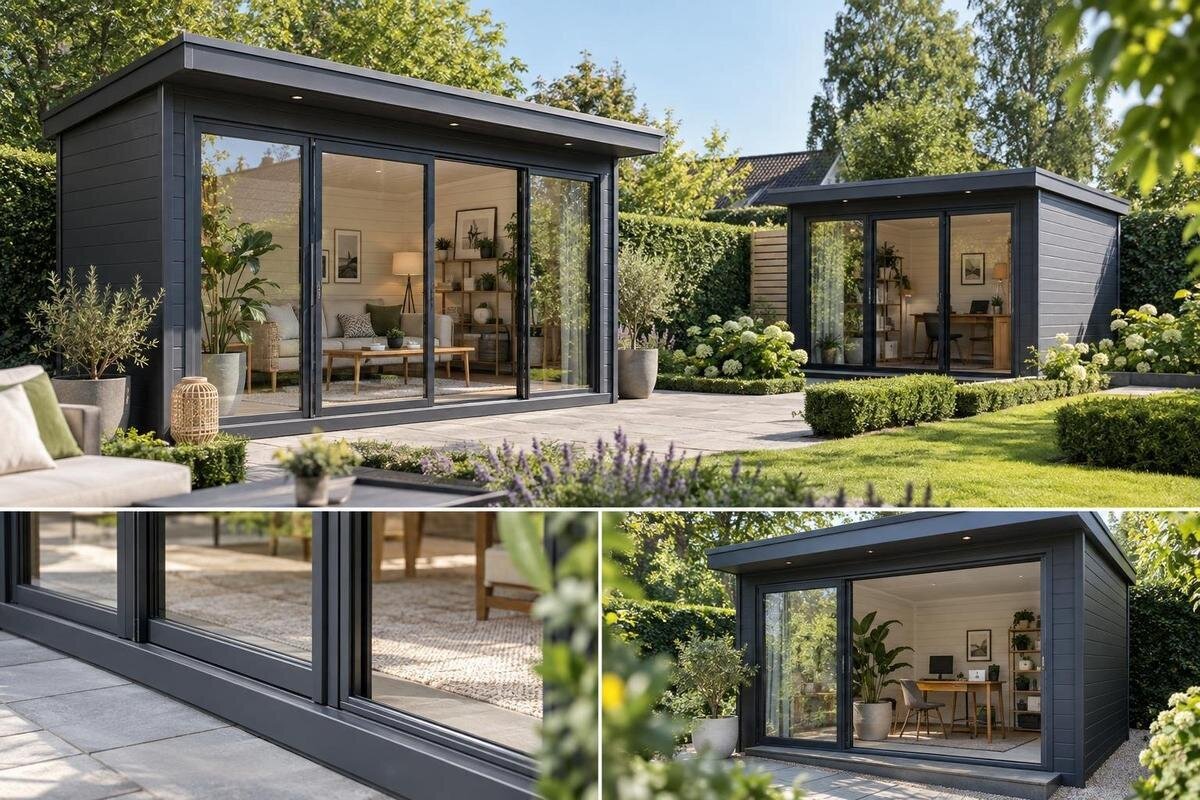
A garden shed with a large glass front can feel more connected to the yard, but its appearance affects practical choices too. The glazed area changes sightlines, limits how much solid wall is available for storage, and makes the entrance and room layout worth checking together. Before comparing styles, decide whether the shed is mainly for storage, a work area or a place to sit. Then compare the actual glazing details, dimensions and order information. A product photo can help you picture the style; it cannot confirm technical specifications or show how a model will fit your property.
Before you order 1
What a large glass front changes
Treat “large glass front” as a visual description, not a measurement. Two sheds with similar-looking façades can differ in glazed area, panel arrangement and the amount of solid wall beside or below the glass. Compare stated dimensions and drawings, if available, and ask what part of the front is glazing and what part is framing or wall. That helps you judge whether the view you want is realistic and whether useful wall space remains for shelving, hooks or equipment. Compare the glazed section as a proportion of the whole front, not just by the word “large.” A front elevation or dimensioned plan is more informative than judging proportions in a photograph.
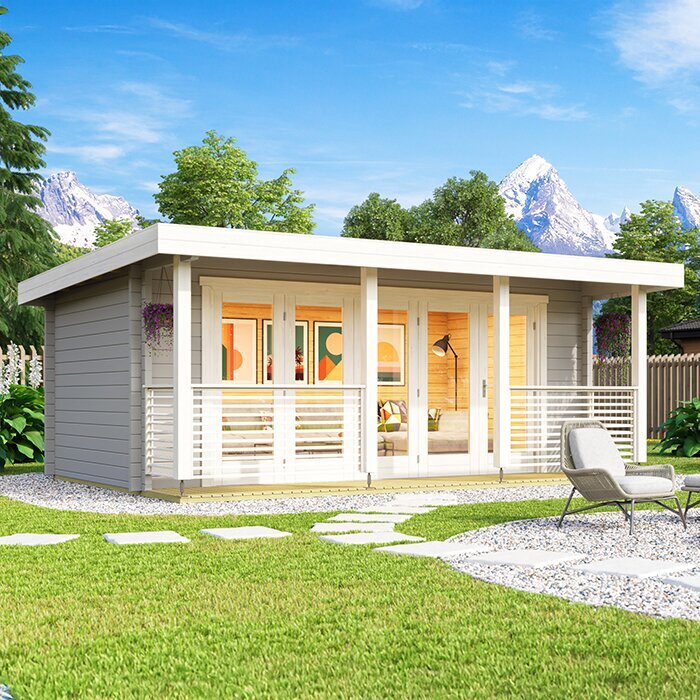
Think about both directions of the view. From inside, glazing can make the garden more present in the room; from outside, it can reveal stored items, a desk or seating. That trade-off may matter more if the shed faces a path or neighbouring property than if it looks onto a private part of your yard. A product page such as the Verdana 1 garden house can be compared with others, but use its written description and drawings—not a broad impression from a thumbnail—to establish the actual front layout. Keep the view you want and the contents you are comfortable showing in the same decision.
Choose a shed for its main use
Write down the shed’s main job before comparing fronts. For tools, seasonal items or equipment, easy access and wall space may matter more than a broad view. A work area may benefit from daylight but still need room for a bench and storage; a place to sit may call for a view and closer attention to privacy. Those needs can compete with glazing, so separate essentials from nice-to-haves. Consider how often you expect to use the space and what needs to be kept inside. If your plans depend on maintaining a particular temperature or moisture range, look for explicit product information and seek appropriate advice rather than assuming a garden shed provides those conditions.
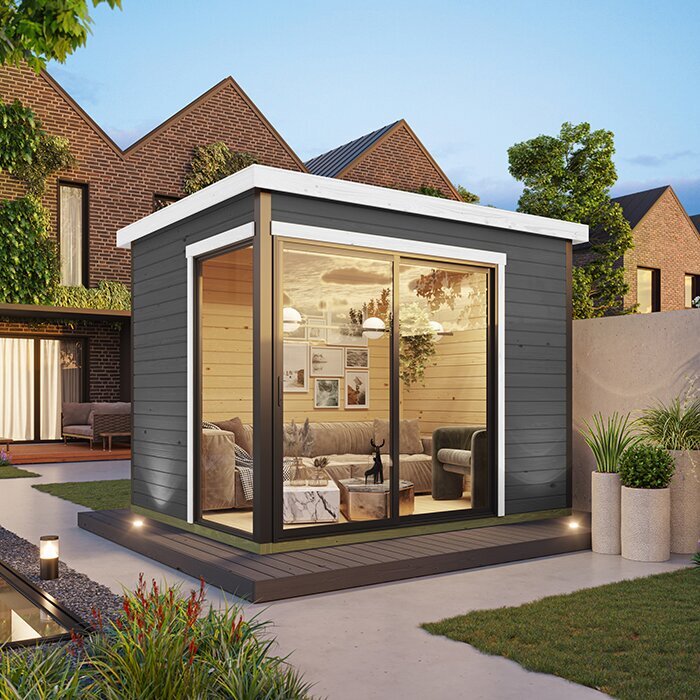
Make a short comparison sheet for every model: main use, useful interior wall space, preferred view, privacy needs and any conditions the shed must support. Then compare the listing details against that list instead of choosing on appearance alone. The Verdana 2 garden house can be one entry on a shortlist, not a conclusion: its name does not establish its dimensions, glazing or suitability for your plans. This keeps the decision tied to documented features and makes it easier to spot where a missing detail should prompt a question. Avoid filling gaps with assumptions drawn from another model’s photographs.
Before you order 2
Check the glazing specification
Read the written glazing description as carefully as the overall shed dimensions. Check whether the listing identifies the glazing material and pane arrangement, the frame and finish, seals, and which sections of the front open. Confirm that the details apply to the exact version you are considering, and whether the configuration shown is standard or optional. The phrase “glass front” alone does not tell you whether the panes are single- or multi-pane, how the glazing is retained or what performance to expect. If a detail affects how you plan to use the shed, ask for it in writing rather than treating a product photo as proof.
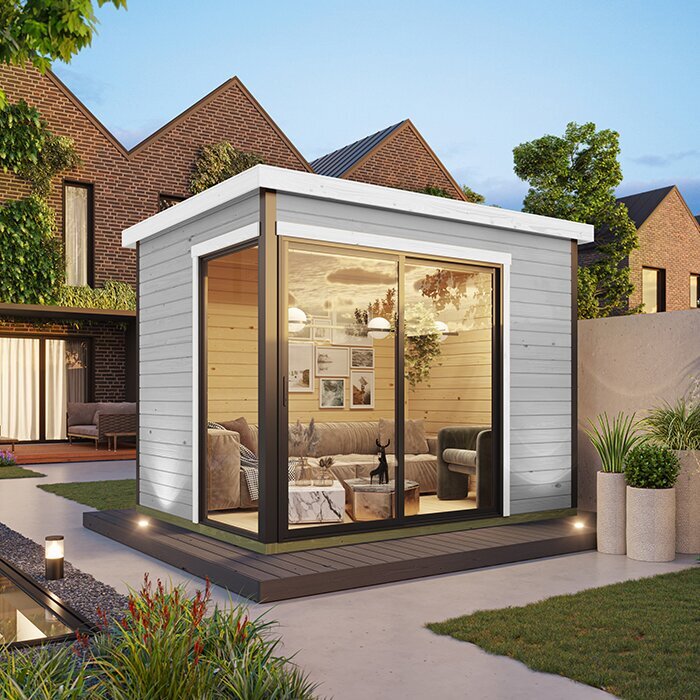
Use a page such as the Durano garden house as a prompt to look for specific statements, not as evidence that any particular glazing feature is included. Compare the stated glass type, frame details, opening arrangement and care guidance across shortlisted models, and note any unanswered point. If impact resistance, thermal performance or another technical property matters at the proposed location, ask which documented specifications apply and consult a qualified professional when the question goes beyond product selection. Do not substitute an assumption about one product for missing information about another.
Plan the interior around the glazed wall
Glass across a front affects how you use the inside wall, so sketch the room before deciding that the floor area is enough. Mark the glazed sections, the entrance and the places where you expect to put a workbench, shelves, mower or seasonal boxes. Consider what you need to reach often and what can sit at the back. A layout that looks open in a product image may not leave the wall length or clear floor route you need; use the seller’s dimensions and plan to test furniture positions. This is especially useful when the shed has more than one purpose or when bulky items need to be moved in and out.
Check the entrance and any fixed framing against that sketch. A door placed in the glazed front can affect where a bench or storage unit fits, while a mostly glazed wall may leave fewer options for shelves; the exact arrangement varies by model. If the Veltor 1 garden house is on your shortlist, look for its own plan and measurements rather than reading scale from a photograph. A quick paper outline can reveal whether you can move through the space, turn with bulky items and reach stored equipment without blocking the view or the entrance.
Before you order 3
Assess privacy and sightlines
Assess privacy from the actual place where the shed would sit. Look towards nearby windows, a neighbour’s deck, the street, gates and paths, then consider what someone could see through the glazed front from each direction. Think about daytime views as well as evening use: lighting inside can make contents more noticeable after dark, though the result depends on the glazing and surroundings. If you want a private work or sitting area, a clear view into the room may be a drawback even when it looks attractive in a catalogue image. Decide which views you are willing to trade for daylight before settling on a position.
Walk the proposed sightlines before ordering and include privacy in your comparison notes for each candidate, including the Orello 1 garden house if you are considering it. If you may add a curtain, blind or screen, check whether the product instructions allow a suitable attachment and whether it would interfere with an opening section or maintenance access. Do not assume a covering is included or that every frame accepts the same treatment. You can also adjust the siting to change a view, but confirm that the resulting position still fits your property and the manufacturer’s placement guidance.
Consider sun exposure through the year
Sun exposure is a site question as well as a glazing question. Note where the front would face and how nearby buildings, fences and trees shade it at different times. Morning and afternoon conditions can differ, and the amount of shade can change through the seasons. A large glazed area may admit more daylight than a solid wall, while direct sun can create glare or warmth; the strength of those effects depends on orientation, surroundings and the specified glazing. If either would interfere with work or storage, investigate the site before you choose a position.
For a candidate such as the Modano 1 garden house, compare the written glazing and enclosure information with the use you have in mind; the model name itself does not tell you how it will perform on your site. If you plan to use the room beyond occasional storage, check what the manufacturer says about intended use and any relevant limits. Do not infer year-round comfort from a glass front or a product image. If you expect to add shade, confirm it can be used with the product as intended. A qualified installer can advise on site-specific questions about placement and preparation.
Before you order 4
Check the entrance and its clearance
Treat the glazed front and entrance as one layout decision. Confirm whether the front is mainly fixed glazing or includes an opening, then find the clear opening dimensions and how each moving part operates in the version you would order. Consider the space needed to enter, carry in tools or furniture and pass the entrance without meeting an obstruction. If panels open into or out of the shed, include that movement in your plan; do not rely on a product image to show the clearance accurately. Focus on usable access as well as the appearance of the front.
If the wooden garden shed M is also on your shortlist, check its own stated entry and layout details in the same way; the product name does not establish the clear passage or how much wall is available. Compare actual doorway information, not just the apparent scale of the front in a photo. Measure the route from the yard path to the intended position, including turns and any narrow gate, so you can judge whether the things you plan to store can be carried inside. Keep a practical walking path in the room as well as in front of it.
Measure the site and delivery route
Measure the proposed site against the manufacturer’s stated dimensions, not only the interior area. Ask whether the published size refers to the base, wall line or outer edge of the roof, and include any listed projections when planning space. Also allow for the entrance to be used and for people to reach the exterior for routine care. Check the ground, surface and drainage conditions against the product’s placement guidance; requirements vary by model and site, so avoid assuming that a level-looking patch is automatically suitable. If preparation or support design is unclear, ask a qualified installer.
Measure the delivery route separately from the final footprint: gate width, turns, overhead obstacles and the distance from the unloading point can all affect how a package reaches the site. Confirm handling and assembly arrangements before ordering, especially if access is limited. The wooden garden shed S can be compared only on its own published dimensions and delivery information; its name is not a size specification. A simple site sketch with the intended front orientation, access path and nearby boundaries makes it easier to check fit with the listing and spot constraints while there is still time to reconsider.
Before you order 5
Compare the complete specification and order
Compare complete specifications side by side instead of looking at the glass area in isolation. Record the exterior and interior dimensions if provided, glazing description, frame information, opening layout, listed finish, floor details and the parts supplied with the model. Mark each item as stated, optional or unclear; do not assume a floor, fittings or finishing product is included because it appears in a photograph. A comparison table also makes it easier to distinguish two versions of the same model, where a configuration change could affect the front or the usable room.
Then review the order terms for the version you selected: what arrives, what assembly is expected, whether site preparation or finishing is separate, and what delivery, cancellation, return and replacement-part information is provided. Compare total quoted costs only when the relevant amounts are stated, including any separately identified transport or preparation expense. Save the product description, drawings and answers to questions with your order records. Terms may vary, so check the details that apply to the exact item and destination rather than copying information from another listing.
Resolve open questions before ordering
Before placing an order, write down the details that could change your decision: exact model and version, glazing and frame specification, front and door dimensions, overall footprint, included components, and any unresolved site or access question. Match the selected version to the drawings and options shown in the order summary. If the product page does not answer a key question, ask the seller for clarification and keep the response. For technical questions about glazing, support or site preparation, seek advice from a qualified professional rather than relying on a guess.
Choose the option that meets your essential needs for use, privacy and fit, even if another has a more dramatic-looking front. A larger glazed area is a feature to weigh, not a measure of overall suitability: it can affect wall space, sightlines, exposure and the way the room is arranged. When the documents make those trade-offs clear, compare appearance and price on a like-for-like basis. If they do not, resolve the missing fact before committing instead of filling it in from a photograph or a similar model.
Frequently asked questions
Does a large glass front always make a shed brighter?
Not necessarily. More glazing may admit more daylight, but the effect depends on the front’s orientation, nearby shade, the glazing and the room layout. Compare the written details and consider the site, rather than judging brightness from a product photo.
Can I judge privacy from product photos?
Photos cannot show the sightlines around your property or how visible the interior will be in different lighting. Check who could see the front from nearby windows, paths and yards. If you plan to add a covering, confirm that it suits the product and its openings.
What glazing details should I ask about?
Check what glazing and frame are specified, how the panes are arranged, which parts open and what care guidance is provided. Ask about any technical properties that matter to your plans, and get important details confirmed for the exact model and version.
How much room should I leave in front of the shed?
There is no single clearance that suits every model and site. Check the entrance measurements and how any opening sections move, then allow space to approach, enter and carry items through. Follow the product’s placement guidance for the specific model.
Should I choose the shed with the most glass?
Not by default. More glazing may suit your preferred view, but consider privacy, remaining wall space, sunlight and the way you will use the room. Compare those trade-offs with the written specifications, footprint and order details before choosing.
Buying a garden shed with a large glass front works best when the view, privacy, usable wall space and site fit are considered together. Decide what the room must do, confirm the glazing and layout in writing, and measure both its destination and access route. The strongest choice is not simply the shed that looks brightest online; it is the one whose documented details suit your yard and the way you will actually use the space.
