
Buying Large Garden Sheds on Black Friday: What Makes an Offer Good Value?
Black Friday buying guide
Buying a large garden shed on Black Friday can look straightforward: a prominent markdown and a spacious product photograph invite a quick decision. Neither tells you whether the usable capacity, stated construction, included parts, delivery conditions and necessary setup costs fit your property. A worthwhile offer is one that solves your storage problem at a total price you can accept, with enough confirmed detail to know what you are ordering. This guide explains how to compare large garden shed offers without treating a sale badge, model name or photograph as proof of value. It also points out what to confirm before a seasonal promotion influences your timing.
Buyer checklist 1
What good value means for a large garden shed
An advertised markdown is a price signal, not a measure of usefulness. A large garden shed can be poor value if it still leaves essential items outdoors, takes more yard than you can spare or includes features you would not choose yourself. A higher-priced option may be better value if its documented size and included parts meet your needs without a chain of necessary add-ons. Before browsing, write down the storage job, the items that must fit and the maximum amount you are willing to spend on the finished setup. Separate must-haves from attractive extras so a bundle does not look valuable merely because it contains more.
Look past both the percentage and the apparent size. A reduction does not establish that the building is large enough, that its documented construction suits your site or that the kit contains what you need. Extra capacity may be poor value if it calls for more site preparation or leaves substantial floor area unused. State what the shed is for: storage alone, or storage plus room to sort equipment. Those uses can require different amounts of usable space. Check practical fit first, then compare the price of offers that pass. If a key fact is missing, the offer is not yet comparable; a written question is more useful than a rushed guess.
Size the shed around the things you need to store
Make an inventory before you search. List bulky items, their length, width and height, how many need shelter, and which must remain accessible through the year. Include items that sit on the floor and anything wheeled or lifted through the opening; a large floor-area figure does not help if an object cannot get in or be reached. Note which items need to stand upright, and measure their real stored position rather than relying on a packaging label. A mower, bikes, long-handled tools and seasonal containers use space differently. This turns “large” into a capacity target you can test against product information.
Separate essential storage from optional overflow, then consider how often each group is retrieved. Frequently used equipment needs a clear approach, while rarely used boxes can be placed farther back only if the interior arrangement allows it. Do not count the same floor area twice by assuming shelves or overhead storage that are not listed as part of the offer. If several people will use the shed, include everyone’s equipment and access needs in the inventory. Allow for a realistic addition you already expect, but do not buy for vague future possibilities. Keep this list handy as you compare listings; it makes the same capacity target easier to apply after a tempting product photo catches your eye.
Buyer checklist 2
Compare usable dimensions, not just overall measurements
Product pages may quote overall width and depth, floor dimensions, wall height, total height or roof measurements. Those figures answer different questions, so identify the measurement points on any diagram before comparing. Check whether each figure is exterior or interior, whether a roof projection is included, and the height and width of the entry opening if bulky equipment must pass through. Clear floor space and usable headroom can matter more than the largest number in a headline. Record each figure with its label and use one unit system; an unlabeled number or a quick mental conversion can make two offers seem more alike than they are. If measurement points are unclear, ask for a dimensioned drawing rather than treating the figures as interchangeable.
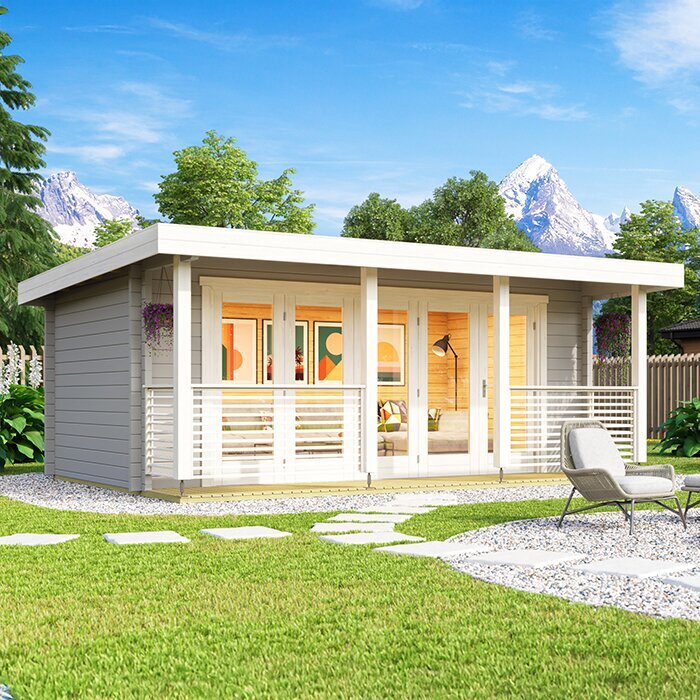
A product name, photograph or word such as “large” does not establish measured capacity. Use the Verdana 1 garden house listing as a comparison only after checking the dimensions actually stated; the name itself is not evidence that it meets your size target. If only outside measurements are shown, ask whether an interior plan or further measurements are available before comparing it with a shed whose usable space is documented. Walls and framing take space, so an exterior footprint is not the same as clear interior area. Mark missing measurements as unknown rather than estimating from the image.
Read the construction details behind the price
Two sheds at similar prices may have different construction details, so compare the actual specification rather than a broad material label or an adjective in the title. Look for the stated wall, roof and floor materials; board or panel dimensions where provided; how components connect; and whether a finish or treatment is included. Note whether the information describes the finished surface or only the underlying material. Compare roof, wall and floor details separately, since one broad description may not describe every part. A page that says little about a component does not prove it is poor, but it gives no basis for assuming equal durability or strength. Ask the seller to clarify missing details and whether replacement parts or repairs are addressed.
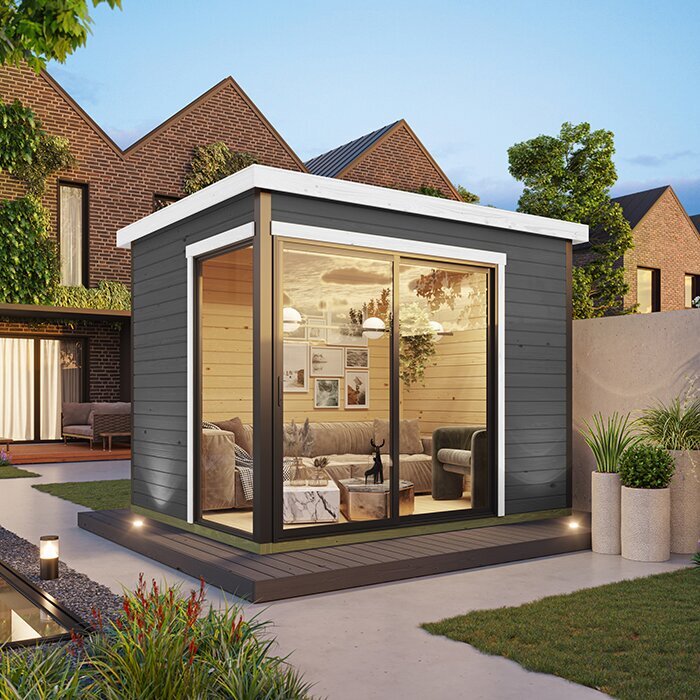
Consider whether the documented construction matches the conditions where the shed will stand and the upkeep you are prepared to do. Ask what the manufacturer says about exposure, seasonal weather, maintenance and any finish that may need renewal; do not infer suitability from a photo or timber description. On the Verdana 2 garden house page, record only the material and build details explicitly provided, and compare those fields with other offers. If the information does not explain how the shed is intended to be used, seek product guidance or advice from a qualified installer before purchasing. Include likely maintenance work in your value judgment, not just the first payment.
Buyer checklist 3
Confirm what arrives with the shed
An advertised price may refer to a basic kit, while the image shows optional items or a finished display. Read the package description and list components explicitly included, such as a floor, roof covering, doors or windows, hardware, locks, fasteners, assembly instructions or a stated finish. The contents will differ between offers; the point is to separate included items from options and items you must source separately. Check quantities and the selected configuration, not just the product title. Do not assume that a visible component comes with the order, or that an item described as compatible is included. This is especially important when an extra is necessary for your intended use.
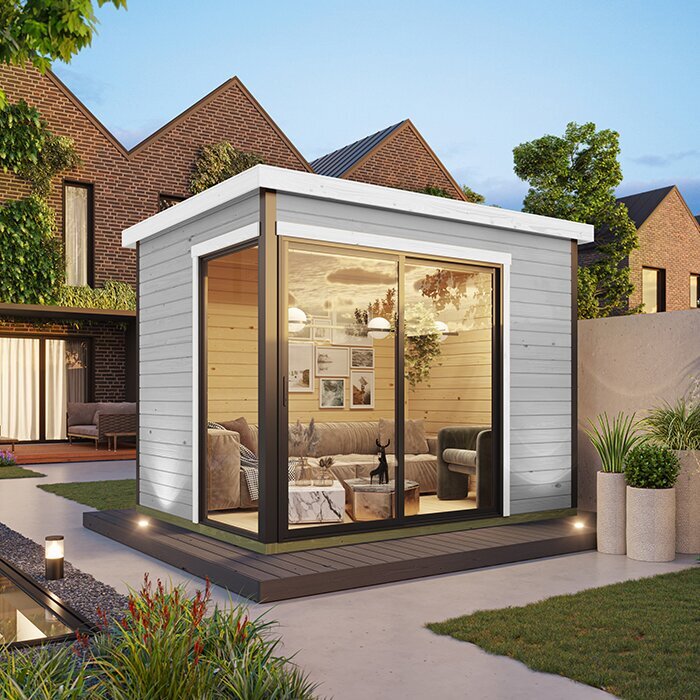
On the Durano garden house listing, count an item only when the chosen configuration explicitly identifies it as included. Put each item in one of four groups: included, optional, excluded or not stated. Price any necessary option if a price is available; otherwise request it and leave the figure unresolved. If a seller offers different sizes or packages, check that the contents list matches the exact configuration being priced. Also check whether a base, finishing supplies, assembly or anchoring components are treated separately rather than assuming they are covered by the kit price. A clear record helps you avoid comparing a complete package with a headline amount for a more basic configuration.
Check that the site and access can accommodate it
Check the site before you get attached to a size. Mark the proposed footprint using measurements from the product information, then allow for roof projections, doors, paths and ordinary yard use. Consider whether the ground can meet the manufacturer’s stated base requirements and whether drainage, branches, fences or nearby structures could affect the location. For a large shed, the route from the delivery point to the installation area matters too: a narrow gate, steps or a tight turn can complicate moving long packages. Measure the route as well as the proposed spot, and include the space needed to work around the building during assembly and use. Do not measure only to the fence; leave practical access for doors and routine yard work.
Read the manufacturer's site-preparation and assembly information before treating the space as ready. Products can have different base requirements, and a flat-looking patch is not confirmation that it meets them. If instructions are missing or ground, drainage or support is uncertain, ask the seller or manufacturer and use a qualified contractor where needed; do not improvise a base from an offer image. On the Veltor 1 product page, record any preparation details actually stated and mark the rest unconfirmed. Check applicable placement requirements with your municipality before ordering, since local rules vary; do not rely on a generic rule of thumb.
Buyer checklist 4
Work out the full amount you will pay
Compare the amount you would actually pay for the selected configuration, not the first number on a promotional graphic. On a worksheet, add the product price to confirmed delivery, handling and applicable taxes, plus necessary items or services not included. Depending on the offer and your plans, these could include a base, site preparation, assembly, finishing supplies or equipment needed to move parts on your property. Keep mandatory charges separate from personal choices such as optional upgrades. Do not add extras you would not buy, but do not leave necessary work out simply to make a deal appear cheaper. Record whether each amount is quoted, estimated or still unknown, and use the same assumptions for every offer.
For the Orello garden house listing, or any other candidate, price the exact configuration you would order and mark charges only when they are confirmed. Check whether the displayed figure is for the product alone or includes other costs, and compare the final order summary before payment. If delivery or a required component has no listed price, request a written amount rather than assuming it is included. Use the same cost categories for every offer so one quote is not missing an expense included in another. The useful comparison is the cost of obtaining the shed you need, not the percentage shown beside the price.
Compare the Black Friday offer with equivalent options
Black Friday comparisons work best when the products are genuinely comparable. Match the exact model and configuration, usable dimensions, documented construction, included components and delivery basis before comparing advertised prices. Similar names can conceal different contents, while differently named models may have similar capacity; only published specifications can establish whether they are equivalents. Record the price and any stated reference price, the date and the conditions attached. A large percentage does not tell you whether the reference applies to the configuration you want or whether a lower-priced alternative offers the same useful space. Do not compare one seller’s product-only amount with another seller’s delivered total as if they were equal.
Read the written promotion terms for dates, eligible items, required options, exclusions and whether the advertised amount depends on a particular package or delivery arrangement. Do not assume a sale label applies to every shed or that a crossed-out figure equals a saving on the model you want. Use the Modano product page as a row in your comparison only if its published details let you assess the same criteria; leave missing fields blank and ask. If the seller cannot confirm a fact that affects fit or budget, treat the offer as unresolved. Event-day urgency should not substitute for an answer.
Buyer checklist 5
Review delivery and purchase terms before ordering
A low quoted delivery charge is not useful if the arrangement does not work for your property. Before ordering, confirm the delivery area, method, access expectations, any unloading responsibility and whether the stated charge covers your address. Think through where a large kit could be left and whether your driveway, gate and route to the site can accommodate the delivery plan. Ask how an appointment is arranged and what happens if access is not possible. A delivery service may leave the package at a designated point, so confirm rather than assuming it will be carried to the building site. These details may sit in checkout information or seller terms rather than the product description.
Read the written policies for cancellation, returns, missing parts, transit damage and warranty coverage before paying. Check who to contact, what evidence may be required and any reporting period stated in the seller’s terms, then keep those details with the order record. A warranty and a return policy answer different questions, so do not assume one replaces the other. The wooden garden shed M page identifies a product, but its model label cannot tell you its delivery arrangements or purchase conditions; review the order-specific terms for the item. If anything that affects your decision is ambiguous, request an answer in writing.
Use a shortlist to make the final value comparison
Use a short scorecard rather than deciding from a sale price alone. First mark whether each candidate meets the required capacity, site fit and essential construction requirements; then compare confirmed total cost, included components, expected upkeep and purchase terms. Treat an unknown on a must-have as a question, not a pass: without adequate dimensions, you cannot confidently call an item the best large-shed deal. Rank lower-priority benefits, such as extra room for equipment you expect to buy, only after the options clear the basics. This keeps your priorities visible when pages present information in different formats and prevents a minor bonus from outweighing a major mismatch. If two options tie, return to the need that prompted the purchase.
Apply the same scorecard to every shortlisted model. The wooden garden shed S listing is an item name, not a measurement, so decide from specifications and conditions actually shown, just as you would for any other listing. Choose an offer that meets your storage need, fits the yard and leaves you comfortable with the complete cost and written terms. If none clears those checks, waiting for more information—or not buying—is a sound comparison result. Black Friday is a shopping period, not a reason to accept uncertainty or pay for capacity you will not use.
Frequently asked questions
Does a Black Friday offer automatically make a shed better value?
No. A promotion changes the advertised price, not the shed's capacity, contents, site requirements or suitability. Check the exact configuration, the amount you would pay and the offer terms. If essential details remain unclear, you cannot compare the offer fairly with another option.
How do I compare sheds with different dimension labels?
Identify what each measurement describes: the outside footprint, interior floor space, wall height, overall height or entry opening. Put corresponding measurements in the same units and ask for a diagram if the measurement points are unclear. A single headline size does not establish usable capacity.
What costs should I add to the advertised price?
Include confirmed delivery and applicable taxes, plus any components, site preparation or assembly you need that are not included. Keep optional upgrades separate. If a necessary charge is unknown, request an amount and mark your estimate clearly rather than treating it as part of the advertised price.
Should I choose the largest shed within my budget?
Only if its footprint, access and upkeep make sense for your yard and you will use the extra capacity. A larger interior has little value if you cannot fit it on the site or do not need the space. Compare practical capacity with your inventory, not maximum size alone.
What if important specifications or offer terms are missing?
Pause and request the missing information in writing, especially for dimensions, included parts, site requirements, delivery and the final price. Keep the answer with the exact model and configuration. If the seller cannot confirm a detail that affects fit or cost, treat it as unresolved.
The best Black Friday value for a large garden shed is not necessarily the deepest markdown or the largest structure. It is the offer that meets a clearly defined storage need, fits the available site, has construction and inclusions you can verify, and remains within budget once required costs and order terms are known. Compare exact configurations, record unanswered questions and give yourself permission to walk away if the information does not support a sound choice. A measured, like-for-like comparison makes the final price meaningful.
