
Can an Existing Wooden Garden Shed Be Insulated?
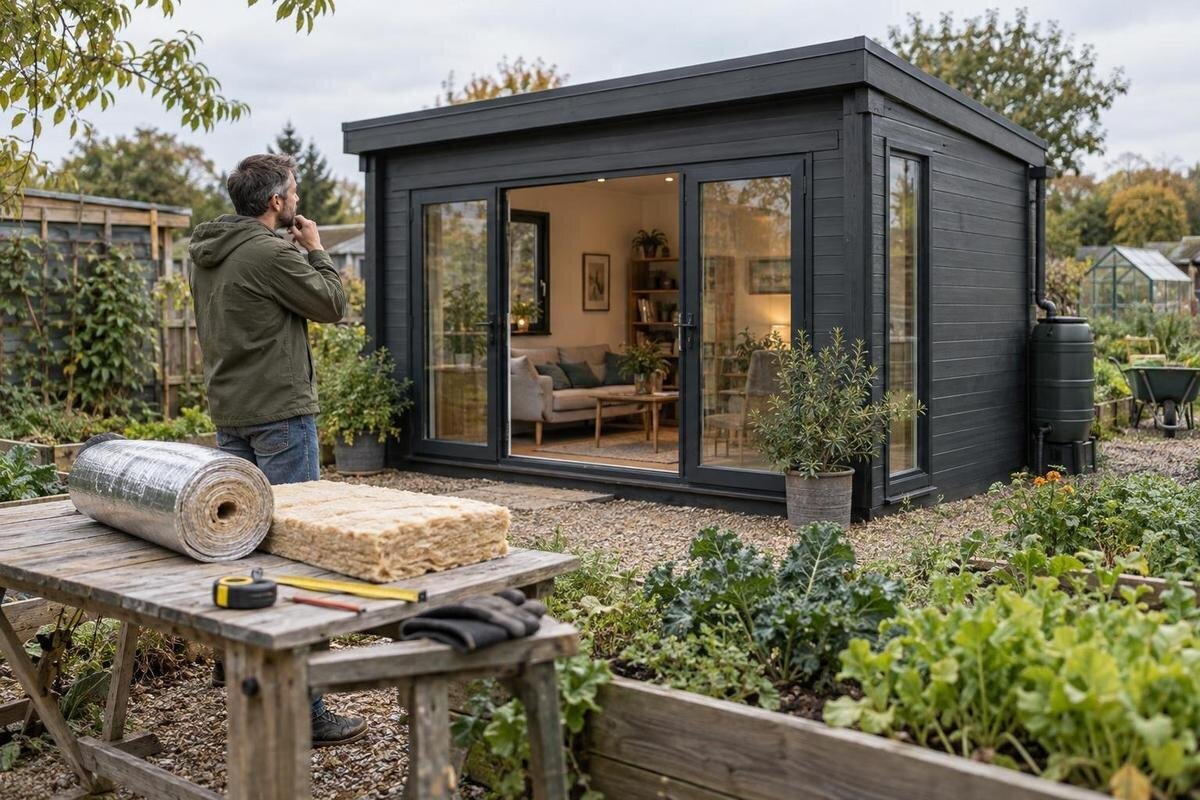
Garden shed planning
Insulating an existing wooden garden shed is sometimes practical, but the boards alone do not tell you whether a retrofit will work. The shed’s condition, wall construction, moisture paths and intended use all matter before you buy insulation or a lining. Assess the structure first, then consider vapour control and ventilation as part of the same plan. This guide explains what to inspect, what information to gather and how to compare a retrofit with repair or replacement.
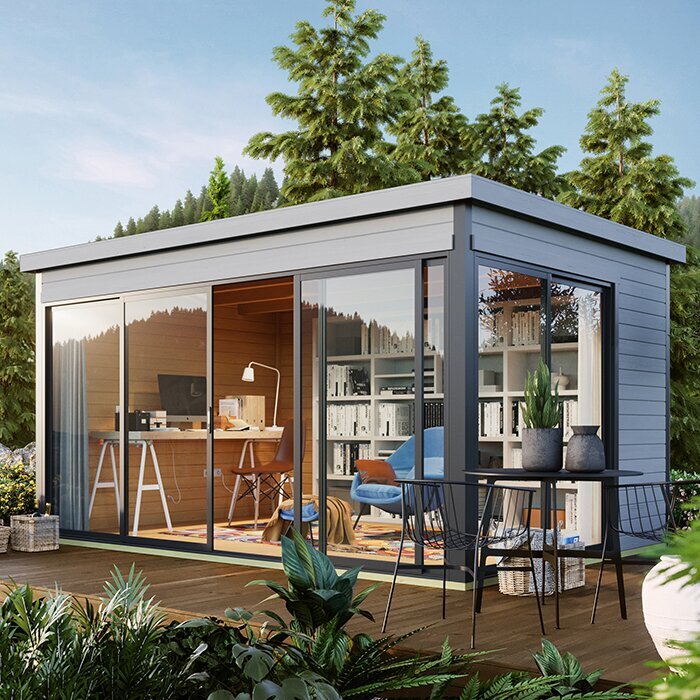
Can an existing wooden garden shed be insulated?
Often, yes: an existing wooden garden shed can sometimes be insulated, but its age or material alone does not show whether a retrofit is sound. The timber needs to be in serviceable condition, rainwater must be kept out, and added layers must suit the shed’s actual walls, roof and floor. Some structures have a frame and space for insulation; others have boards directly over framing or hidden layers that change how they dry. Insulation cannot repair a leak, stop decay or correct poor drainage, and it does not create a dependable heated room on its own. Treat feasibility as a condition-and-construction question before it becomes a materials purchase.
Think of insulation as one part of an enclosure, not a product that fits every shed in the same way. An interior lining can use up clearance and hide wood, joints or fasteners you may need to monitor; an exterior build-up can change cladding, trim and how water is shed around edges. Either approach affects drying as well as heat flow. If your goal is storage with less exposure to temperature swings, the project may differ from planning a workspace used regularly. Write down the intended use first, then check whether the existing structure can support the changes that use requires.
Check the shed’s condition before buying materials
Before ordering insulation, membranes or interior lining, make a visual condition review of accessible timber on the walls, roof, floor and base. Look for soft or decayed wood, splits, loose boards, active leaks, insect damage or signs that parts have shifted. Note damp patches, musty odours and visible mould, but do not assume one mark reveals its cause: rain entry, ground moisture, condensation or an earlier leak can leave similar clues. If safe and practical, compare what you see after dry and wet weather. Where wood is deteriorated, the frame seems unstable or the moisture source is uncertain, pause and ask a qualified building professional to assess it before covering anything.
Look at the site as well as the boards: roof runoff, splashback, water that collects beside the base and the way the shed meets the ground can keep timber wet. Insulation should follow water management and repairs, not precede them, because a new interior finish makes later checks harder. If the assessment points beyond a small repair, compare the work with a replacement; the Verdana 1 garden house listing is one product-page reference, while its actual construction details still need to be checked. Keep the repair findings beside any purchase notes so the two options are judged against the same problem.
Set expectations for the insulated space
Define what “insulated” needs to mean for your shed. A space for garden tools has a different brief from a hobby area used for hours at a time, and neither automatically calls for the same enclosure. Consider when you will use it, whether it will be heated, what needs protection from temperature changes and how much interior space you can spare. Insulation slows heat flow; on its own, it does not supply heat, stop all air movement or control indoor moisture. It therefore cannot guarantee a particular temperature or make a seasonal outbuilding suitable for year-round occupancy.
Write down the planned use before choosing a material or finish, because those choices depend on the construction and the conditions you expect. If people will use the shed regularly or you plan to add a heat source, have the full assembly and ventilation considered by a qualified professional; any electrical work is a separate matter for an electrician. If the existing shed no longer matches your needs and replacement is part of the decision, compare the Verdana 2 garden house page with your written brief. Check what the listing actually states about construction and intended use rather than reading suitability into the model name.
Find out how the walls are built
Do not assume that every wooden shed has an empty cavity ready for insulation. The outer boards may be fixed directly to framing, there may already be an interior lining, or previous work may have left several layers whose purpose is not obvious. Shed designs also vary in framing depth and bracing, so a wall that looks plain from inside does not reveal its full make-up. Look for original assembly documents, invoices, construction photographs or accessible edges where layers can be seen without dismantling the wall. Record what is confirmed and what remains unknown; a guess about hidden layers can lead to buying unsuitable products.
An interior retrofit may be easier to picture, but its lining takes up room and can cover timber, joints and fasteners that need inspection. Work on the outside may affect siding, trim, openings and the wall’s ability to shed or dry water. Neither option is automatically better: the existing assembly, planned use and any coatings or membranes matter. Ask a building-envelope professional to identify the layers if you cannot confirm them, especially before enclosing both sides. If comparing a new structure, consult the Durano garden house page for any construction details it states; the existing shed still needs its own assessment.
Resolve water entry and allow the wood to dry
Moisture control begins outside the insulation. Check for rain entering through the roof or wall joints, water running down from the roof onto the shed, and splash or runoff reaching the base. Also note existing sealants or coatings that could affect how the exterior dries; do not assume a damp patch has one obvious source. Insulation and an interior finish can change the temperature of timber and make ongoing wetting harder to notice. If water still reaches the wood, adding insulation may conceal the symptom without solving the cause. Address the water-management problem and allow the structure to dry before planning an enclosure.
Do not close up wood that is damp or deteriorating, and do not rely on insulation to make up for damaged siding or a leak. If the same area becomes wet again, establish why before specifying interior materials; the repair may need a roofer, carpenter or building-envelope specialist, depending on the problem. Ask how the proposed layers will manage water and where the assembly can dry, rather than accepting a generic recommendation for every shed. If damage is widespread enough to prompt replacement research, review the Veltor 1 garden house listing as a separate purchase option and check its stated construction details directly.
Plan vapour control for the existing assembly
Vapour and air movement need attention alongside insulation because moisture-laden indoor air can reach colder parts of an enclosure and condense. Adding insulation changes temperatures within a wall or roof; a membrane or sealed layer can also change how moisture moves through it. The right arrangement depends on the full assembly, including existing boards, any sheathing or finish, local climate and how the shed will be used. There is no universal rule that a particular sheet belongs on the inside of every shed, and a product labelled as a vapour barrier is not a substitute for understanding those layers.
Before buying a vapour-control membrane, tape or faced insulation, gather information about the construction and read the manufacturer’s guidance for the intended application. If layers are unknown, the shed will be heated, or the proposal could leave wood between finishes that restrict drying, ask a qualified building-envelope professional to review it. Seek an explanation of how the assembly handles air leakage and drying, not just a list of materials. If you are comparing a replacement, the Orello garden house page is a place to look for any published assembly information; a product name or photo cannot determine the right approach for your shed.
Keep ventilation in the moisture plan
Ventilation and insulation solve different problems. Insulation slows heat transfer; ventilation provides planned air exchange. A shed may have gaps that let air move, but those gaps are not necessarily a deliberate ventilation system, and closing every opening can change moisture conditions. Adding vents without considering their location and the intended use does not automatically prevent condensation either. First identify existing vents, operable windows, gaps and any routes by which damp air enters or leaves. Keep this assessment separate from a simple instruction to make the structure either completely sealed or permanently open.
Think about moisture sources in ordinary use: wet tools or equipment, damp materials brought in and people spending time in a small enclosed space can all affect indoor conditions. Note where those sources occur and whether they are temporary or frequent; that context helps with ventilation planning. Check which vents, windows or other openings will remain unobstructed after lining, and how air exchange is expected to happen in normal use. Do not cover vents or add new openings by guesswork. For a heated or regularly used shed, have ventilation considered as part of the same assembly review, since insulation alone does not establish suitable indoor conditions.
Include the roof, floor and openings
The walls are not the whole enclosure. The roof or ceiling, floor, door, windows and the joints between them all influence how the shed responds to temperature and moisture. Insulating one surface while leaving other areas untreated may not deliver the conditions you expect, and poorly planned junctions can leave cold surfaces where moisture collects. This is not a reason to use the same construction everywhere: the roof and floor have their own space and moisture considerations. It is a reason to set the scope for the entire shed before buying wall-only materials, and to get advice on details you cannot assess.
An added interior lining can reduce clearance around a door or window, affect how hardware operates and use space needed for shelves or stored equipment. Include those practical limits in your plan, along with how the existing roof and floor will be treated; these are connected parts of the enclosure, not details to discover after the walls are finished. If you are considering a replacement, examine the Modano 1 garden house listing for its stated openings and construction information. Use the product details rather than a photograph to compare options.
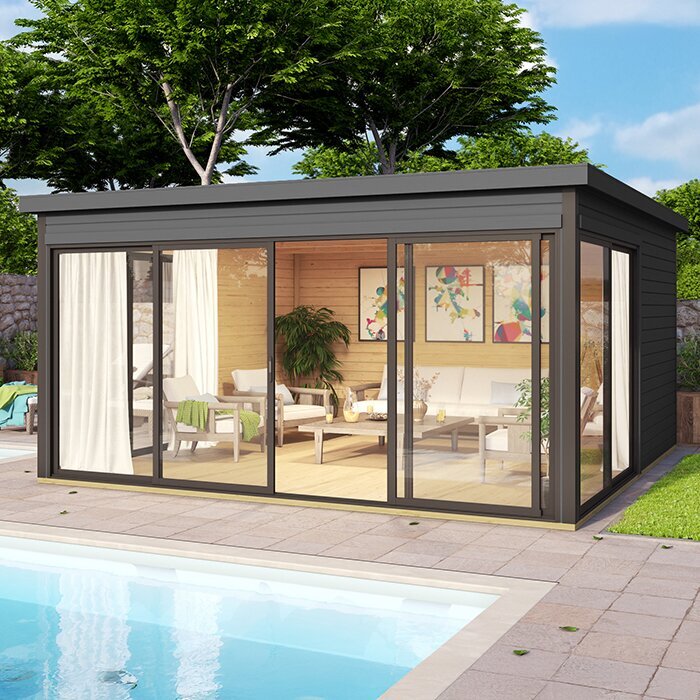
Compare a retrofit with repair or replacement
A retrofit is less attractive when the structure has recurring leaks, extensive rot, movement, hard-to-identify layers or too little room for a lining. It may also be a poor fit if the new use calls for a more complete, professionally designed enclosure than the existing shed can reasonably support. These are reasons to compare options, not automatic proof that replacement is necessary: a qualified assessment can help distinguish a repairable defect from a wider problem. Avoid spending on insulation before knowing which repairs are required and whether their disruption will affect the rest of the shed.
Compare the whole scope rather than the insulation alone. A retrofit can involve repairs, compatible control layers, lining, changes around openings and professional review; replacement has its own site and assembly requirements. Ask for written scopes so you can see what is included and what remains your responsibility. If weighing a new purchase, include the wooden garden shed M product page as one catalogue reference, then verify its stated features and requirements directly. Use the same intended-use brief for both options instead of assuming a new structure will meet it automatically.
Confirm the details before ordering
Before ordering, keep a brief record of what you know: the shed’s relevant dimensions, visible wall and roof layers, known repairs, moisture concerns, openings, intended use and whether heating is planned. Confirm the material’s stated application, thickness, coverage and required accessories against the actual assembly and the manufacturer’s instructions. Do not estimate from a model number, a photograph or the shed’s external footprint alone; framing and finishing details affect what is needed. If you are hiring a contractor, ask which tasks and materials the quote includes and who is responsible for checking compatibility.
Confirm how insulation, vapour-control materials, the interior finish and ventilation plan work together before committing to the full set of materials. Ask what is planned at edges and around doors, windows, roof and floor, and how timber can still be inspected or dry. If the work involves a heat source or electrical changes, arrange appropriate professional advice rather than treating those as part of an insulation kit. For a new-structure comparison, check the wooden garden shed S product page against your written brief and verify the actual specifications and included items before ordering.
Frequently asked questions
Can I insulate an existing wooden garden shed?
Often, yes, if the structure is sound, stays dry and has layers that can accommodate insulation. The answer depends on its actual construction, not just the fact that it is made of wood. Check the shed’s condition and moisture paths before choosing materials.
Can I insulate the shed from the inside?
An interior approach may be possible, but it can reduce usable space and cover timber or joints that need to remain visible for inspection. It can also change how the wall dries. Confirm the existing layers and seek advice if their construction is unclear.
Will insulation make my shed usable through winter?
Not by itself. Insulation slows heat transfer, but does not supply heat, stop every air leak or control moisture. A shed used regularly or with a heat source needs its full enclosure and ventilation considered together. Do not assume insulation makes it suitable for year-round occupancy.
Do I always need a vapour barrier?
There is no universal arrangement for every wooden shed. The right vapour-control approach depends on the existing layers, local climate, intended use and proposed materials. Check product guidance and get a qualified professional’s advice if the assembly is unknown or will be heated.
When should I consider replacing the shed instead?
Consider comparing replacement if there is extensive decay, recurring water entry, movement, inaccessible or unknown layers, or too little room for the planned lining. These signs do not automatically settle the decision; an assessment can help clarify the repair scope before you commit to materials.
An existing timber shed is a candidate for insulation only when its condition and construction support a moisture-aware plan. The useful decision is not which insulation to order first, but whether the shed can dry, what its layers are and what the upgraded space needs to do. With those answers in hand, you can weigh a retrofit against repair or replacement without expecting insulation alone to solve every comfort problem.
