
Garden Shed Delivery Day: How to Prepare Your Property
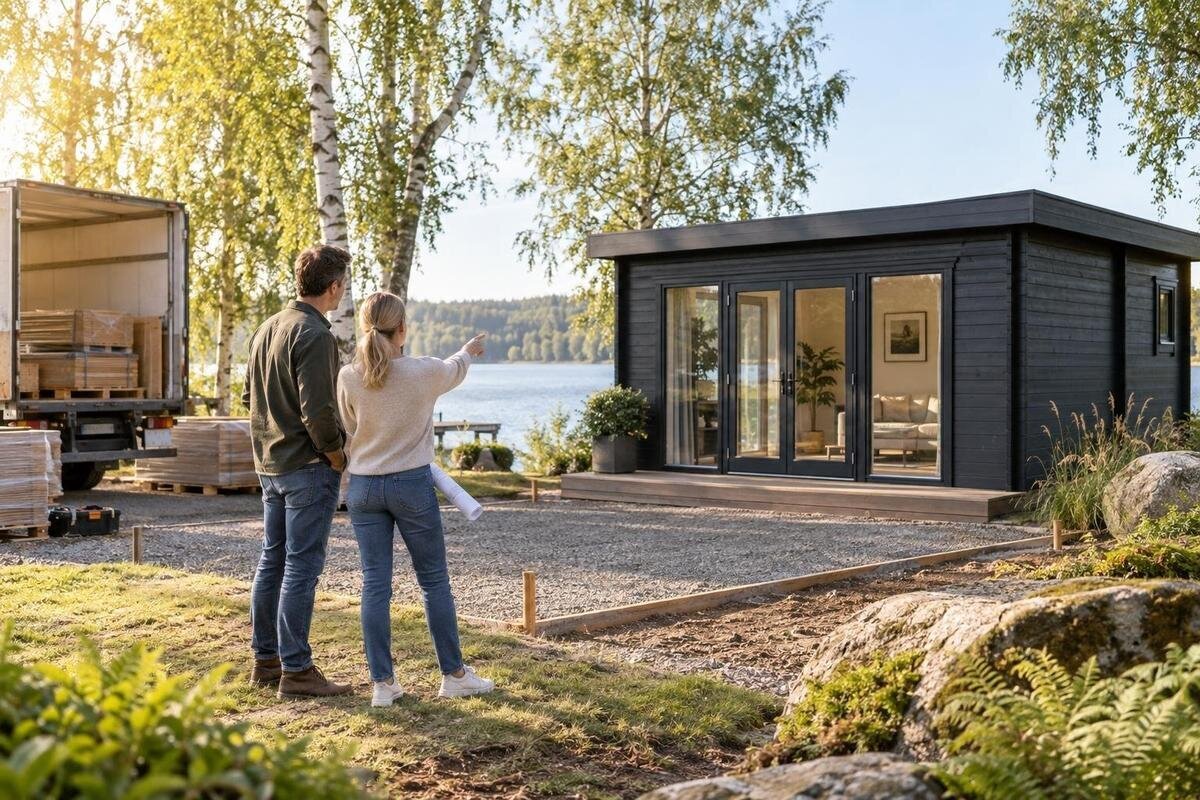
Garden shed delivery
A garden shed delivery involves more than keeping the driveway clear. The carrier needs a workable route from the vehicle to the agreed unloading point, and you need to know whether that point is the curb, driveway or the intended backyard location. Before delivery day, confirm the service, measure gates and turns, remove obstacles and prepare the exact spot. A few practical checks can prevent a mismatch between the shipment, the route and what you expected the delivery crew to do.
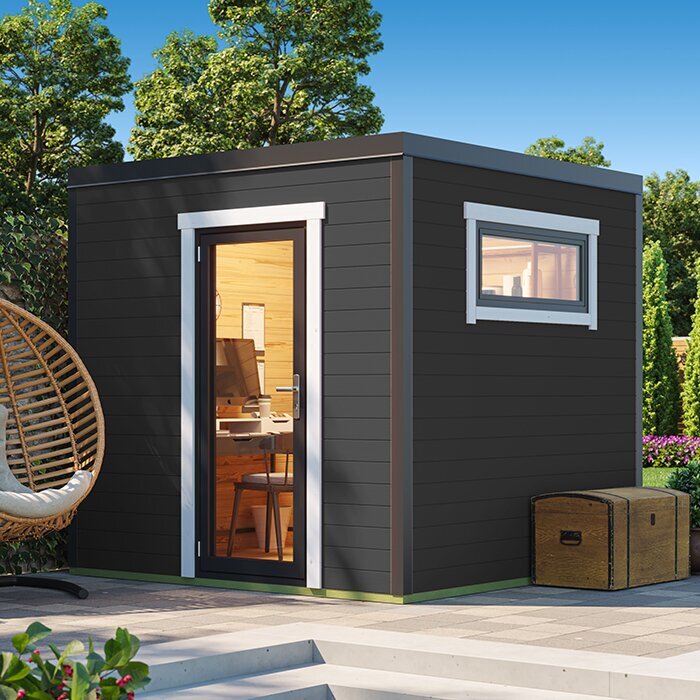
Confirm what delivery includes
Before booking, pin down what the seller means by delivery for the exact garden shed and address. Ask whether it arrives as a kit or assembled, how many packages to expect, and for each package’s measurements and weight. Confirm what equipment the carrier uses to unload it and where delivery ends: at the curb, driveway, inside a gate or another agreed point. Ask separately whether carrying the items to the chosen spot or assembly is included. These are different services; do not build your access plan around an assumption or a product photo. Request the relevant details in writing so everyone is working from the same scope.
A product name or listing image identifies an option, but it does not tell you how its shipment will be handled. If you are considering Verdana 1 garden house, match the selected model to the order confirmation and ask for delivery information for that exact item. If package details are not shown, request them rather than estimating from the dimensions of an assembled shed. Save the reply with your order records, including the agreed drop-off point and any access restrictions you have mentioned. This gives you something specific to refer to if the appointment, carrier or delivery arrangement changes.
Measure the full route, not just the gate
Measure the clear opening at the narrowest point, rather than the distance between fence posts if a latch, handle or hinge takes up space. Check the opening with the gate in the position it will be held during delivery. Also measure overhead clearance where branches, a light or an eave could restrict access. Compare these figures with the confirmed dimensions of the largest package and ask the carrier how it needs to be oriented while being moved. Record the measurements and units so you can compare them accurately with the information provided.
A package that fits through a straight opening may still be difficult to turn through a narrow passage. Walk the whole route and note corners, steps, thresholds, changes in surface and places where the carrier may need to change direction. Check whether a gate can stay open without blocking the path and whether there is enough room on the other side to continue. For Garden House Verdana 2, as with any option, base your plan on confirmed shipping dimensions and handling guidance, not on the product name or a guess from an image.
Check the approach from the street
Start at the place a delivery vehicle can actually stop, not at the garden gate. Check whether the driveway, lane or other approach is clear and whether a vehicle can reach the agreed unloading point. Tell the carrier about a steep approach, tight turn, shared driveway, low entrance or other restriction. Ask what kind of vehicle is planned and what space it needs to unload. A delivery address alone does not establish that a truck can reach the backyard, and it is better to identify a limitation while scheduling than when the vehicle arrives.
Plan where household vehicles and movable items will be while the delivery is being made. A parked car, trailer, bin or sports equipment can reduce the room available to stop, turn or unload, even if the route is normally open. If the driveway is shared or someone else controls a gate, coordinate access in advance and explain the agreed timing. When ordering Durano spacious garden house, confirm the route and unloading plan for that specific order; do not assume that every carrier or vehicle can use a narrow driveway or enter a private yard.
Remove obstacles from the route
Clear movable items from the full path, including patio furniture, planters, hoses, bicycles, toys, yard tools and waste bins. Move them far enough aside that they will not fall back into the route or narrow a turning space. Check gate latches and remove anything that prevents the gate from opening fully. If you plan to move a panel or other fixed part of the property, arrange the work and any required approval ahead of time rather than leaving it as a delivery-day improvisation.
Look above the route as well as along the ground. Low branches, hanging baskets, clotheslines, light fixtures and building projections can restrict a package or the equipment used to move it. Do not touch or attempt to move electrical wires; if a fixed hazard appears to be in the way, ask the carrier what clearance is required and have any necessary property work assessed by an appropriate professional. Once you have chosen Veltor 1, use the confirmed shipping details to review these clearances instead of assuming the model’s name or image reveals them.
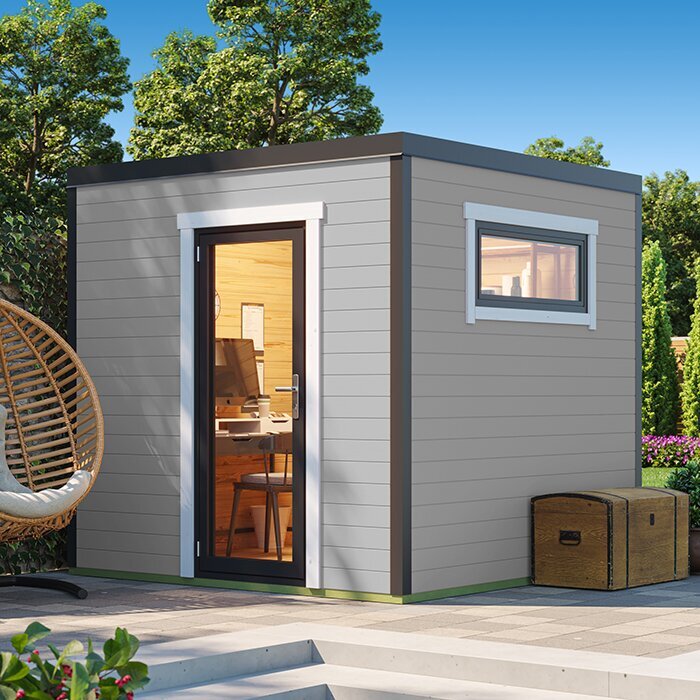
Make the planned location accessible
Walk from the unloading point to the exact place where the shed is meant to go. Check the route all the way to the intended position, including the last turn and the space where packages would be set down. A clear gate is not enough if the final approach crosses a crowded patio, a narrow side passage or an area being used for other work. Remove movable obstacles and decide in advance who will open gates or direct the carrier. If access depends on temporarily moving something fixed, confirm who is responsible and whether that change is permitted before setting a delivery date.
Confirm the location and orientation before the order arrives, using product information for the exact model rather than a rough estimate from a photo. Mark the proposed footprint in a temporary, visible way and check that doors, paths and nearby structures will not be obstructed. Account for any projections shown in the manufacturer’s dimensions or drawings, rather than measuring only the main wall outline. After selecting Orello 1, for example, verify the actual dimensions supplied for that item before treating the marked area as final. The delivery team should be directed to a clear, agreed set-down point.
Check property and placement constraints
A delivery route can be clear while the chosen location still causes problems for everyday access. Check how the planned position relates to gates, windows, neighbouring structures, garden paths and areas you will need to reach later. Think about the direction the shed will face and whether its doors will open onto an unobstructed area. These are layout checks, not a substitute for product-specific instructions or a site assessment. Make sure everyone involved in the order is referring to the same marked location so that the carrier is not asked to unload at a spot you later intend to change.
If a property rule, permit or agreement might affect the proposed location, confirm the requirement with the relevant local authority or property manager before delivery. Requirements can depend on the property and location, so do not rely on a generic measurement or an online rule from elsewhere. If later site work involves digging, arrange appropriate checks for buried services before that work begins. For an order such as Modano 1, keep the confirmed product details and location plan together, and resolve questions about the site before the delivery appointment rather than asking the carrier to decide them.
Agree on unloading and set-down responsibilities
Delivery, unloading, carrying packages across the property and assembly may be separate parts of an order. Confirm which tasks are included and which are yours, and ask exactly where the carrier is expected to leave the shipment. Do not assume that a driver will carry items through a gate, move them around a building or place them at the final position unless that service has been confirmed. For an order identified as Wooden Garden Shed M, as for any other model, check the written terms tied to the order rather than relying on a general expectation about what delivery usually means.
If someone will be on site to help coordinate, make sure they understand the agreed drop-off point and the limits of the service. Ask the seller or carrier about any handling equipment or access conditions they require, and pass along relevant measurements or obstacles in advance. Do not make a last-minute plan that depends on an unconfirmed crew, tool or manual carry. If a separate installer or another service is involved, verify that its timing and access arrangements are coordinated with the delivery. Clear responsibilities reduce confusion about who is moving the shipment and where it should be left.
Coordinate the appointment and people on site
Keep the delivery window, order number and carrier contact information accessible, and make sure the address and any entry instructions are accurate. Confirm who will be available to open a gate or answer questions during the appointment. When the order confirmation names Wooden Garden Shed S, for example, use that exact order reference when discussing timing or access so that the instructions match the item being delivered. If the appointment changes, update the people who need to clear the driveway, unlock a gate or meet the vehicle rather than assuming the original plan still applies.
Give everyone in the household a clear picture of the route and planned unloading point. Move pets and children away from the active delivery path, and let neighbours, property staff or contractors know if they could block shared access. If someone else must move a vehicle or unlock a barrier, confirm that they have agreed to do so at the right time. Keep a phone available for the carrier’s calls, but do not depend on a precise arrival time unless the provider has confirmed one. A reliable contact and an open route are more useful than a rushed set of last-minute messages.

Plan for weather and changes to access
Check the route again as the appointment approaches. Rain, snow, ice or other changing conditions can make a normally usable path difficult to reach or leave a surface unsuitable for unloading. Clear the agreed route and set-down area in a way that fits your property, and tell the carrier if conditions have changed substantially. Ask whether the provider has specific limits for access or unloading in those conditions. Do not assume the driver can use a different path, cross a soft area or leave packages somewhere exposed just because the original route is no longer practical.
Have a simple contingency for a blocked gate, a vehicle that cannot be moved, ongoing construction or another unexpected obstacle. Contact the delivery provider before the vehicle arrives and ask what options are available, such as an approved alternative drop-off point or a new appointment. Confirm any revised arrangement rather than relying on a verbal assumption passed between people. If the only alternative would take the shipment over a route you have not measured or discussed, pause and get guidance. A changed plan should still account for package dimensions, access and where the delivery can be securely left.
Walk the route before unloading
When the vehicle arrives, meet the carrier at the agreed entrance or unloading point and confirm the order before work begins. Point out the route and planned set-down area, including any feature that was discussed when booking. If a gate is now blocked or a new hazard has appeared, explain the change before packages are moved and ask the carrier how to proceed. Do not pressure the crew to use an unapproved route or to carry out work beyond the confirmed service. If the agreed access is no longer available, contact the seller or provider for the next step.
After unloading, compare package labels and visible condition with the paperwork supplied for the order. If something appears missing or damaged, note it and follow the seller’s or carrier’s stated reporting process; keep relevant documents and photographs until the issue is resolved. Do not assume that every order has the same inspection or claims procedure. If you are unsure what to record, ask the delivery contact while the appointment is still active. Keeping a clear record helps distinguish a delivery concern from questions that arise later during site preparation or assembly.
Frequently asked questions
What should I ask before booking garden shed delivery?
Confirm what the delivery service includes, where the carrier will unload, and whether moving the packages to the final spot or assembly is included. Ask for package measurements and weight, vehicle or unloading requirements, the delivery window, and what to do if access is blocked.
How wide does the route to my backyard need to be?
There is no single width that works for every shipment. Compare the narrowest clear opening and every turn with the confirmed package dimensions and the carrier’s handling requirements. Check gates, height restrictions and the route to the set-down point, not just the driveway entrance.
Will the delivery driver put the shed in its final position?
That depends on the service arranged for your order. A drop-off may end at a curb or driveway, while moving packages through a gate or setting them in place may require a separate arrangement. Get the agreed unloading point and responsibilities confirmed before delivery day.
Should I clear the placement area before the truck arrives?
Yes. Make the agreed set-down spot accessible and remove items that would obstruct delivery. Also confirm the planned position and orientation using the product information for your exact model. Any additional site preparation should follow the product instructions and conditions on your property.
What if the route is blocked or the weather changes?
Contact the delivery provider before the appointment if a vehicle, construction work, snow, ice or another change affects access. Ask whether an alternative route or new appointment is possible. Do not assume the carrier can use an unapproved route or leave packages at an unsecured location.
A smooth garden shed delivery comes down to matching the order, the route and the unloading plan. Get the carrier’s requirements for the exact item, measure every part of the way in, and make the intended spot clear and accessible. Confirm who is responsible for moving the shipment, keep the people on site informed, and revisit the route if conditions change. With those details settled before the vehicle arrives, delivery day is less likely to turn into a rushed decision about where or how the shed can be unloaded.
